
Companion Plants
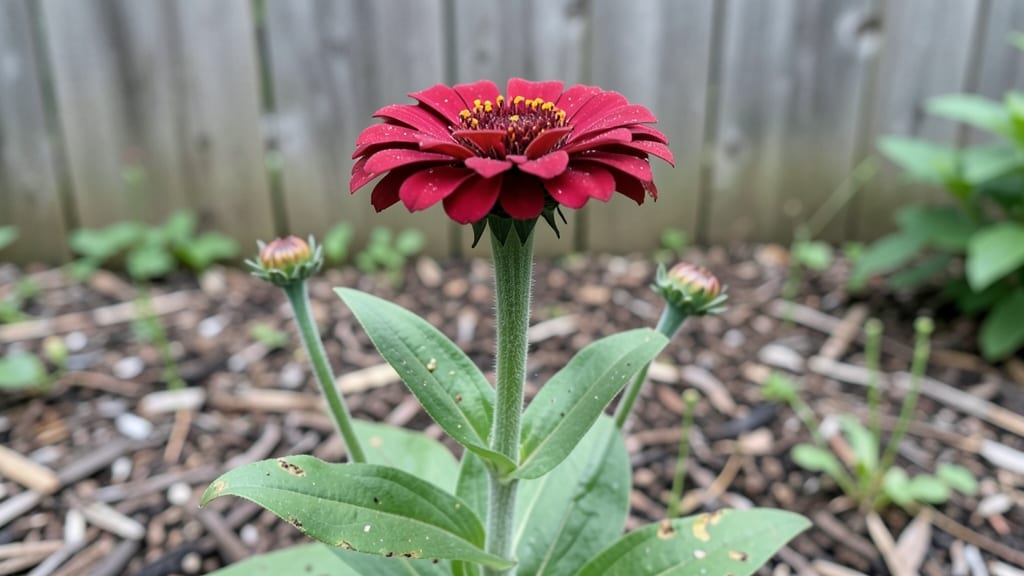
Annual garden plants are the secret weapon for gardens that look effortless year after year. ✨ I’ve used them to turn my backyard from "meh" to "wow" without the upkeep of perennials—just swap out a few pots or rows each season.
The best part? They thrive on neglect, bloom like crazy, and let you experiment with colors and textures without long-term commitment.
Think marigolds for pest control, petunias for trailing cascades, or zinnias for cut flowers that last weeks in a vase. These plants love heat, handle drought better than you’d think, and work in containers, borders, or even between perennial clumps.
My go-to combo? A mix of heat-loving zinnias in the back, spiller petunias in front, and marigolds tucked in for color and pollinators.
You’ll end up with a garden that stays vibrant from spring to frost, requires zero winter prep, and adapts to your mood—swap out tired plants for fresh ones whenever you’re ready.
The key is choosing varieties that match your climate and sunlight, then letting them do the work. Here’s how to pick the perfect mix for your space.
Works for city balconies, rural borders, or anything in between. No two seasons have to look the same—just keep rotating those annuals! Let’s get started with the easiest, most rewarding plants to try first.
📚 In This Guide
- What you need
- Instructions
- Tips and common mistakes
- Wrapping up and next steps
What you need
- ● Annual Plant Seeds or Seedlings: Choose 3-5 varieties (e.g., marigolds, zinnias, petunias, or sunflowers) for color and pollinator appeal.
- ● Seed packets typically yield 50-100 plants per variety—adjust based on garden size.
- ● Garden Soil: 1-2 bags of high-quality potting mix or compost (e.g., Miracle-Gro or Fox Farm Ocean Forest).
- ● For in-ground planting: 1 cubic yard of enriched soil or compost per 100 sq. ft.
- ● Containers or Garden Beds: For containers: 5-10 gallon pots (1 plant per 5-6 inches of pot diameter).
- ○ For in-ground: Well-draining beds (6+ inches deep) with raised edges (optional but helpful).
- ● Basic Tools: Hand trowel or transplanting spade
- ● Garden gloves (1 pair)
- ● Watering can or hose with adjustable nozzle
- ● Pruning shears (for deadheading)
- ● Fertilizer: Slow-release granules (e.g., Osmocote) or liquid feed (e.g., fish emulsion).
- ● Mulch: Straw or shredded bark (1-2 inches) to retain moisture.
- ● Stakes or Trellises: For tall annuals like sunflowers or morning glories.
- ● Soil pH Test Kit: To ensure optimal growing conditions (most annuals prefer 6.0-7.0).
- ● Shade Cloth: For seedlings or hot climates (30-50% coverage).
Instructions for planning a low-maintenance annual garden
Here’s how to create vibrant, easy-care annuals that thrive with minimal fuss.
🌱 Step 1: Choose Fast-Growing, Low-Maintenance Varieties
Pick annuals known for resilience and quick blooms like marigolds, zinnias, or petunias. These handle heat, drought, and occasional neglect better than fussy varieties. I always check the USDA zone hardiness for my area—annuals like cosmos and sunflowers self-seed reliably, so I plant extra seeds for next year’s garden.
Look for disease-resistant labels on seed packets. These plants fight pests naturally, so you won’t waste time spraying. Avoid anything labeled “tender” or “delicate”—those need constant babying. For a foolproof combo, mix marigolds (pest-repelling) with zinnias (long-lasting blooms) and nasturtiums (edible, shade-tolerant).
🪴 Step 2: Prepare Soil and Planting Spots
Clear the area of weeds and loosen the top 6 inches of soil with a garden fork. Annuals thrive in well-draining soil, so mix in 2-3 inches of compost or aged manure to boost nutrients without compacting. I skip heavy fertilizers—annuals grow fast, and too much nitrogen makes them leggy instead of bushy.
For containers, use the 4-gallon potting mix and add a handful of perlite to improve drainage. Place pots where they’ll get 6+ hours of sun (most annuals wilt in deep shade). If your yard has poor soil, raised beds with fresh mix give you control over drainage and fertility—annuals love it.
☀️ Step 3: Plant at the Right Time for Continuous Blooms
Start seeds indoors 6-8 weeks before your last frost date, or buy sturdy transplants from a nursery. Direct-sow heat-lovers like sunflowers and cosmos after soil warms to 60°F—they bolt (go to seed) if planted too early. I mark my calendar with frost dates and plant in two waves: early bloomers (like pansies) in spring, then heat-tolerant varieties (like vinca) in late May.
Space plants according to their mature size—crowding stresses annuals and invites disease. Check the seed packet for spacing (usually 12-18 inches apart for most flowers). Water deeply after planting to settle roots, then let the soil dry slightly between waterings. Overwatering smothers roots and causes rot.
💧 Step 4: Water and Feed for Nonstop Color
Water deeply once a week (or daily in extreme heat) to encourage strong roots. I use a soaker hose to deliver moisture slowly at the base—this prevents fungal issues from wet foliage. Early morning is best to let leaves dry before evening humidity sets in.
Fertilize lightly every 4-6 weeks with a balanced 10-10-10 formula. Annuals grow fast, so they use up nutrients quickly. Too much fertilizer makes leaves explode at the expense of flowers. I pinch back leggy stems to encourage bushier growth—this keeps plants compact and flowering longer.
✂️ Step 5: Deadhead and Maintain for Long-Lasting Beauty
Snip spent blooms with clean pruners to redirect energy into new flowers. I deadhead marigolds and zinnias every 2-3 days in peak bloom—this keeps them producing for months. Wear gloves if plants have thorns (like roses or hollyhocks), but most annuals are gentle enough to handle bare-handed.
Watch for pests like aphids or spider mites. A strong spray of water usually washes them off, but I keep neem oil on hand for stubborn infestations. Mulch with 1-2 inches of straw or shredded leaves to retain moisture and suppress weeds—annuals hate competition.
Tips & tricks for perfect annual garden plants
Here’s how to turn your garden into a low-maintenance paradise without sacrificing beauty.
Variety Selection: Don’t just grab the first seed packet you see—look for labels that say “disease-resistant” or “heat-tolerant.” I’ve learned the hard way that skipping this step leads to wilted plants by mid-summer. Marigolds are my go-to for pest control, while zinnias keep blooming like crazy with almost no care. For shade areas, nasturtiums are tough and edible too!
Soil Prep Shortcut: If your soil is heavy clay or sandy, mix in 2-3 inches of compost before planting—this improves drainage and holds moisture better than amending after the fact. I’ve found that raised beds with fresh potting mix give the best results for containers, especially if your yard soil is poor. Just make sure to use a 4-gallon mix per container to give roots room to spread.
Timing is Everything: That 60°F soil temperature check is critical for heat-lovers like cosmos and sunflowers. Use a soil thermometer for accuracy—planting too early causes bolting (going straight to seed). My trick? I mark my calendar with frost dates and plant in two waves: cool-season pansies first, then heat-tolerant vinca in late May. This ensures continuous blooms all season long.
Watering Wisdom: The “deeply once a week” rule works best with a soaker hose—it delivers water right to the roots without wetting leaves, which prevents fungal diseases. I always water in the morning so foliage has time to dry before evening humidity sets in. For extreme heat, I switch to daily watering but keep it shallow to prevent root rot from overwatering.
Pro Tips for Annual Garden Plants
- Here’s how to turn your garden into a low-maintenance paradise without sacrificing beauty.
- Variety Selection: Don’t just grab the first seed packet you see—look for labels that say “disease-resistant” or “heat-tolerant.”
- Soil Prep Shortcut: If your soil is heavy clay or sandy, mix in 2-3 inches of compost before planting—this improves drainage and holds moisture better than amending after the fact.
Frequently asked questions
Got questions about keeping your garden vibrant with annuals? Here are some of the most common ones—and their easy answers!
What’s the best time to plant annual garden plants?
Most annuals thrive when planted after the last frost in spring, once soil temperatures hit at least 60°F (15°C). For fall blooms, sow seeds or transplant 6–8 weeks before your first frost. Pro tip: Check your USDA Plant Hardiness Zone for exact timing!
How often should I water annual plants?
Annuals need consistent moisture—water them deeply 1–2 times per week (more in extreme heat). Mulch helps retain moisture and suppress weeds. Watch for wilting: If leaves droop by midday, it’s time to water. Drip irrigation or soaker hoses work best to avoid fungal diseases.
Can I grow annuals in containers or just in the ground?
Many annuals (like petunias, geraniums, or basil) thrive in containers with drainage. Use lightweight potting mix and larger pots (5+ gallons) for bigger plants. Just ensure they get 6+ hours of sunlight daily and water more frequently than ground-planted varieties.
Why are my annuals dying or not blooming?
Common culprits: over/under-watering, poor soil (add compost!), or lack of sunlight. Leggy, few flowers? Pinch back stems to encourage bushier growth. Pests? Neem oil or insecticidal soap can help. If leaves yellow, check for nutrient deficiencies (fertilize lightly with a balanced formula).
What are the lowest-maintenance annuals for busy gardeners?
Try these hardy, forgiving picks:
- Marigolds – Deter pests, drought-tolerant, and bloom nonstop.
- Zinnias – Fast-growing, cut-and-come-again flowers.
- Lantana – Thrives in heat, attracts butterflies, and needs little water.
- Sweet Alyssum – Self-seeds, loves shade, and stays lush all season.
Bonus: Succulents like sedum or echeveria are annuals in cold climates but require zero fuss!
Wrapping up and next steps
Annual garden plants are your secret weapon for effortless, vibrant gardens that bloom year after year with minimal fuss. From sun-loving marigolds to shade-friendly impatiens, these plants offer color, texture, and pollinator-friendly beauty without the long-term commitment of perennials.
Whether you're a beginner or a seasoned gardener, they’re the perfect way to refresh your space—one season at a time!
Ready to dive in? Start small:
- Pick 1-2 easy annuals (like petunias or zinnias) for a test patch.
- Grab seeds or starter plants from your local nursery.
- Plant, water, and watch your garden transform in weeks!