
Companion Plants
Want a thriving garden with minimal pests and diseases? These 10 resilient plants grow well together, resist common ailments, and adapt to various climates—perfect for both beginner and experienced gardeners.
Swiss Chard with Rainbow Colors
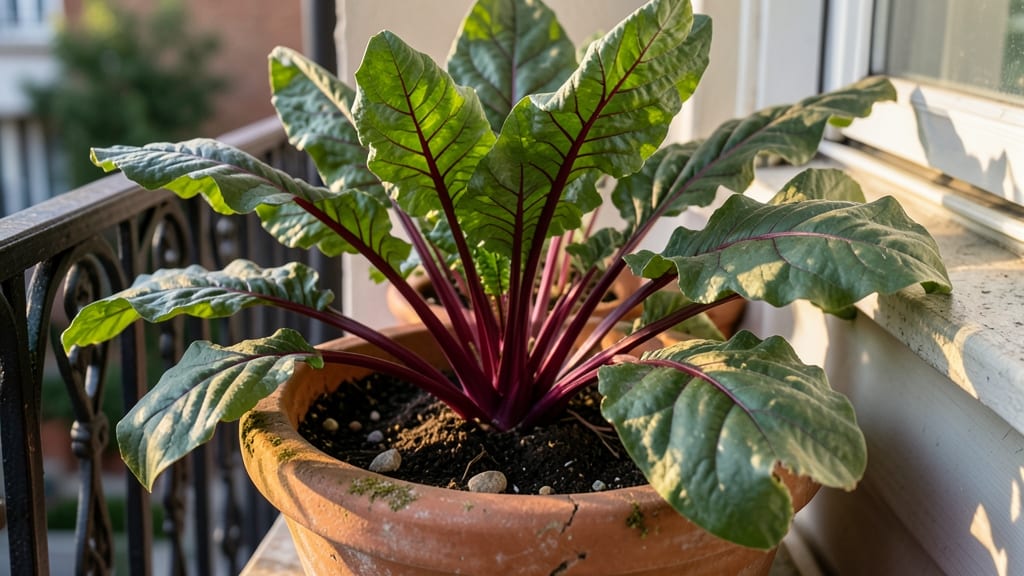
If you’re tired of fussy vegetables that demand perfect soil or battle pests constantly, Swiss chard is your low-maintenance superstar. This vibrant leafy green thrives in poor soil, resists most garden pests, and keeps producing edible leaves for months—even in small spaces like balconies or windowsills.
Plant Swiss chard in full sun to partial shade and water consistently (though it tolerates drought better than many greens). The rainbow varieties like ‘Bright Lights’ add color while providing nutrients like vitamins A, C, and K. Harvest outer leaves first to encourage continuous growth, and enjoy fresh greens from spring through fall.
Urban gardeners and beginners will love its forgiving nature—no fancy soil amendments or pest sprays required. Just plant, water, and harvest! 🌻
Zucchini with Bush Varieties
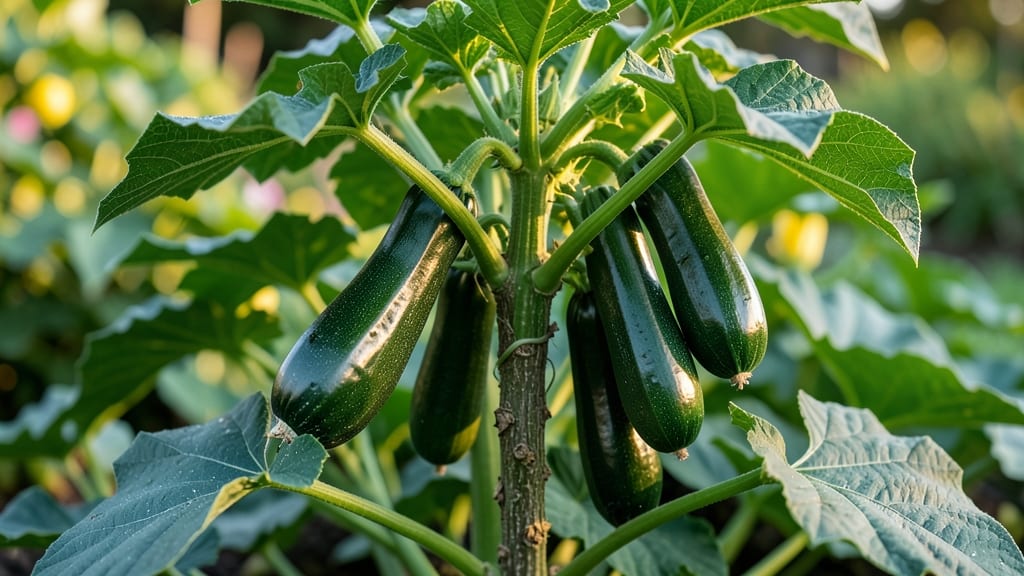
If your garden space is limited—or you just hate wrestling with sprawling vines—bush zucchini varieties like 'Defender' deliver the same bounty without the chaos. These compact plants resist powdery mildew, a common zucchini plague, while producing 10+ fruits per plant in just 50 days.
Unlike traditional vining types, bush varieties stay under 3 feet tall and thrive in containers as small as 5-gallon pots. Plant them in full sun (6+ hours daily) with well-draining soil, and harvest every 2-3 days to encourage continuous production. Their upright growth also makes them easier to monitor for pests.
Perfect for balconies, small plots, or even patio gardens, these varieties let you grow zucchini without sacrificing space or dealing with disease-prone foliage. 🌱
Rosemary with Fragrant Purple Stems
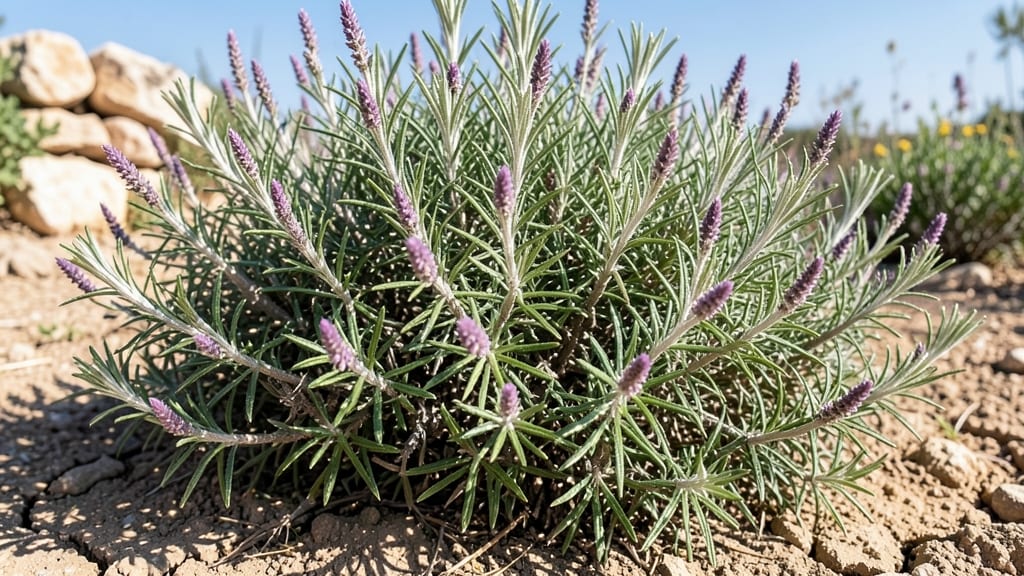
If you're looking for a low-maintenance plant that doubles as both a kitchen staple and a pest-deterrent powerhouse, rosemary with fragrant purple stems is your answer. This drought-tolerant perennial thrives in full sun and Mediterranean or temperate climates, making it ideal for gardeners who want to reduce watering while keeping pests at bay.
Not only does rosemary repel common garden pests like cabbage moths and carrot flies with its strong scent, but its purple-stemmed varieties (like 'Rosemary Purple' or 'Tuscan Blue') also add striking ornamental value. Prune lightly after harvest to encourage bushier growth, and avoid overwatering—this herb prefers dry soil to prevent root rot.
Perfect for culinary gardeners or those who love aromatic borders, rosemary thrives in containers or garden beds, offering both beauty and function. 🌿
Kale with Curly Green Leaves
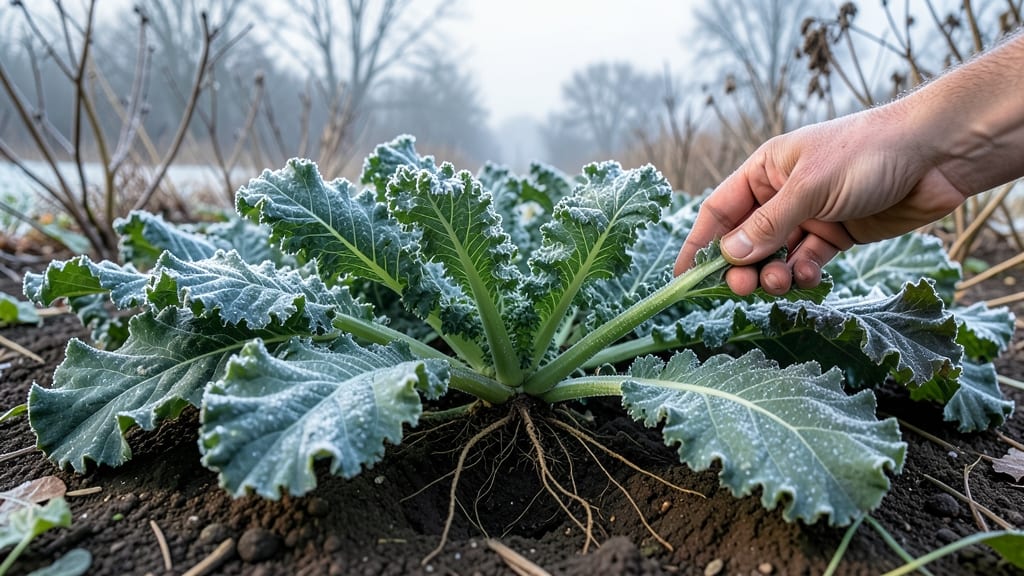
When winter chill settles in, most gardeners pack up their tools—but curly kale thrives in the cold, offering a fresh harvest when other greens bolt. This hardy brassica not only survives frost and light freezes but actually tastes sweeter after a few cold snaps, making it a winter gardener’s secret weapon.
Plant kale varieties like 'Winterbor' or 'Lacinato' in late summer for fall harvests, then succession-sow every 3-4 weeks until early October. Its natural resistance to cabbage worms means fewer pesticides, and the dense foliage provides continuous harvests by simply snipping outer leaves. For best results, ensure full sun to partial shade and well-draining soil rich in organic matter.
This nutrient powerhouse is perfect for small-space gardeners, container growers, and anyone who wants to extend their growing season. Plus, its vibrant leaves add texture to winter salads or smoothies—proof that cold weather doesn’t have to mean garden dormancy! 🌱
Marigold with Orange and Yellow Blooms
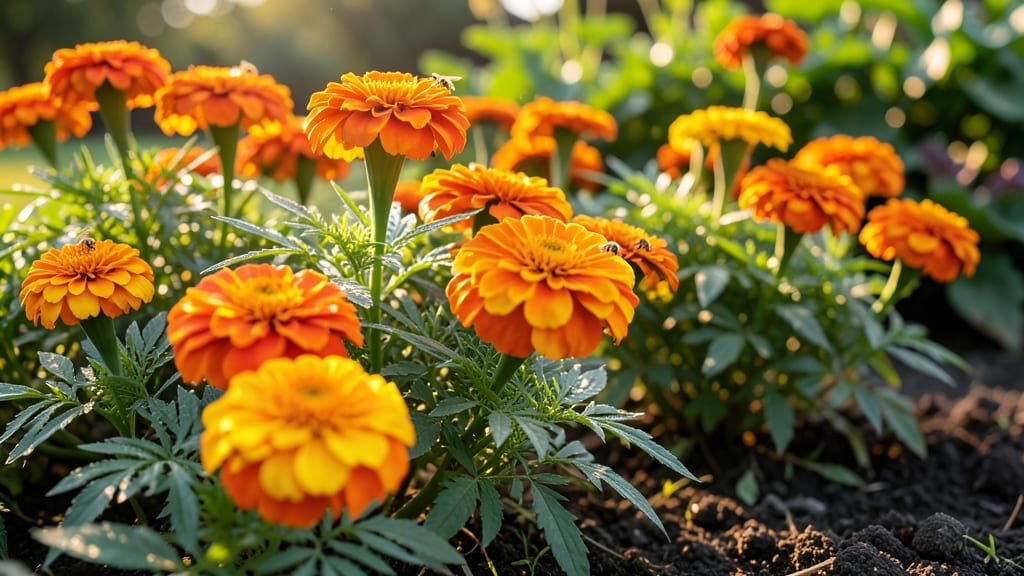
If you're tired of battling nematodes and aphids in your vegetable patch, marigolds are the unsung heroes you need. These cheerful orange and yellow bloomers don’t just brighten your garden—they act as a natural shield, repelling pests while attracting pollinators like bees.
Plant French marigolds (like 'Bonanza' or 'Tangerine') alongside tomatoes, peppers, and carrots to create a protective barrier. Their strong scent confuses pests, and their deep roots disrupt nematode life cycles. For best results, sow seeds 6-8 weeks before last frost in full sun, and deadhead spent blooms to encourage continuous flowering. 🌻
Lavender with Purple Flower Spikes
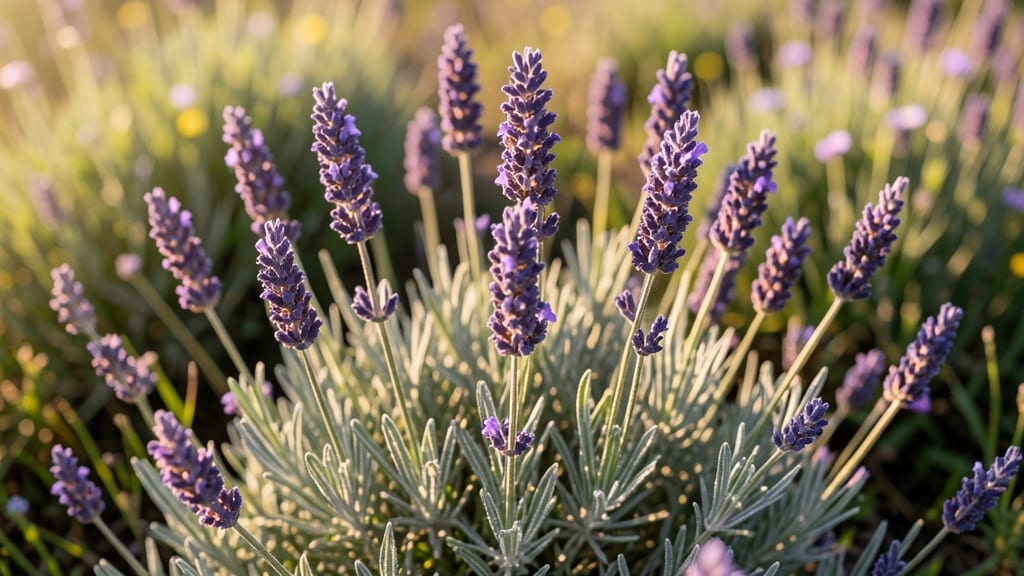
Looking for a plant that thrives on neglect, repels pests and deer, and adds a soothing fragrance to your garden? Lavender with purple flower spikes is your answer—it’s the ultimate low-maintenance, multi-purpose perennial.
This drought-resistant powerhouse survives on minimal water once established, requires almost no pesticides (thanks to its natural disease resistance), and even deters deer with its strong scent. Plant it in full sun for 6-8 hours daily, and watch it flourish in well-draining soil—whether in borders, pollinator gardens, or even containers. Prune lightly after blooming to encourage bushier growth.
Perfect for gardeners who want beauty without the fuss, lavender also attracts bees and butterflies while keeping unwanted critters away. Add it to your garden for a fragrant, stress-free addition that lasts for years. 🌻
Green Bean with Pole Varieties
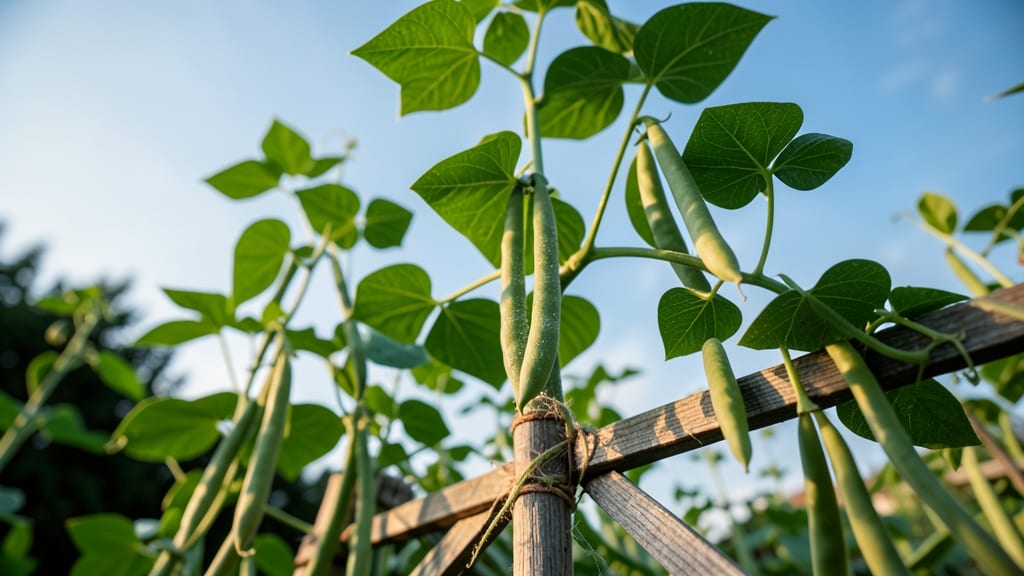
If you’ve ever struggled with blighted bean plants or wasted space in your garden, pole beans are the solution you’ve been searching for. These vigorous climbers resist rust and mosaic virus—two of the most common bean diseases—while producing 2-3 times more yield than bush varieties in the same space.
Plant seeds 1 inch deep after the last frost, then provide a sturdy trellis or fence for support. Varieties like Kentucky Wonder or Rattlesnake thrive in full sun (6-8 hours daily) and well-draining soil, with consistent moisture (but no soggy roots). Harvest pods every 2-3 days to encourage continuous production from midsummer until frost.
This makes them perfect for small-space gardeners, balcony growers, or anyone tired of fighting fungal diseases. Plus, their vertical growth habit keeps them off the ground, reducing slug damage. 🌱
Thyme with Low-Growing Ground Cover
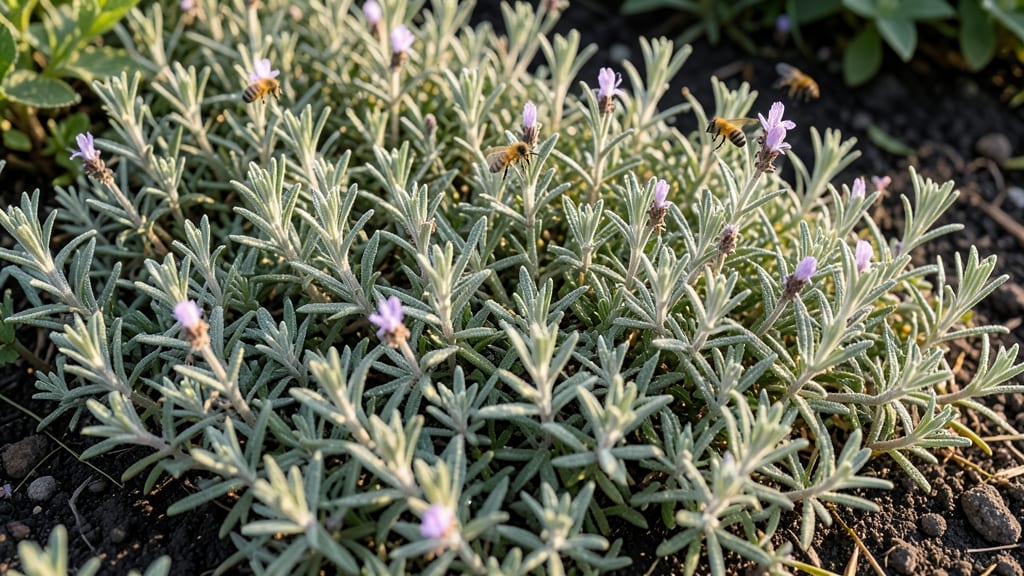
Tired of battling weeds and watering constantly? Thyme is your secret weapon—this hardy ground cover thrives in dry conditions, repels pests, and even improves your dishes. Its dense, low-growing foliage smothers weeds naturally while attracting bees and other beneficial insects to your garden.
Plant thyme varieties like lemon thyme or common thyme in full sun to partial shade, spacing them just 12 inches apart for a lush carpet. It’s drought-proof once established, needing water only when the soil feels bone-dry. Snip leaves as needed for cooking, and watch it bounce back—this plant is practically indestructible.
Perfect for rock gardens, pathways, or container edges, thyme adds beauty and function. Busy gardeners will love its low-maintenance charm and dual role as both a living mulch and a flavorful herb. 💚
Tomato with Cherry Varieties
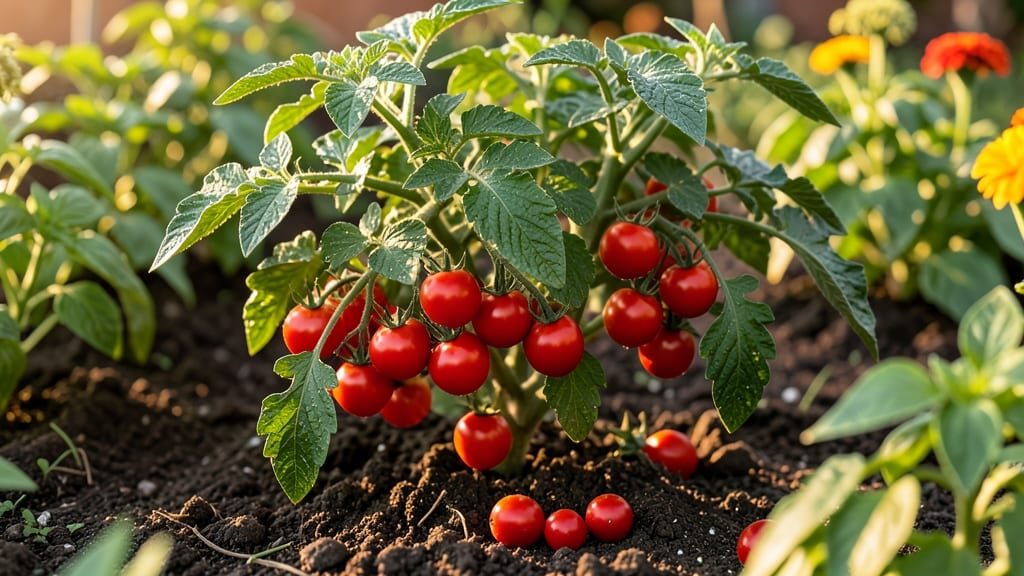
If you've ever struggled with blight or wilted tomato plants, disease-resistant cherry tomato hybrids like 'Solar Fire' could be your game-changer. These compact varieties produce sweet, bite-sized fruit while fighting off common tomato diseases like early blight and fusarium wilt—no fancy greenhouse required.
Perfect for containers or small spaces, these plants thrive in 5-gallon pots with 6-8 hours of sun and consistent moisture. Prune suckers regularly to boost airflow and fruit production, and watch for red and yellow cherry tomatoes ready to pick in just 60 days. The 'Solar Fire' variety even tolerates heat better than traditional tomatoes, making it ideal for warm climates.
Small-space gardeners and balcony growers will love how these low-maintenance plants deliver a steady harvest without sprawling vines. 🌟
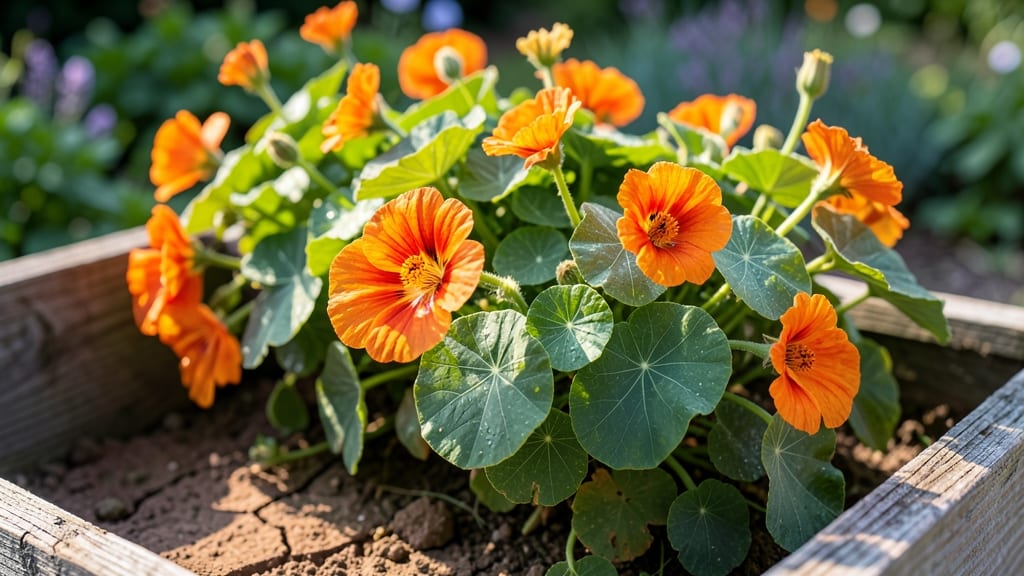
Nasturtium with Edible Orange Flowers

Looking for a plant that’s as useful as it is beautiful? Nasturtiums pack a triple punch: their bright orange flowers trap aphids naturally, their leaves and blooms add a peppery flavor to salads, and they thrive in even the poorest soil—making them a must-have for any garden.
These hardy annuals grow quickly from seed and love full sun to partial shade, perfect for borders or containers. Simply snip off flowers to encourage more blooms and harvest leaves as needed. Their vibrant colors also attract pollinators while keeping pests at bay.
Gardeners who love companion planting will adore nasturtiums—place them near roses, cucumbers, or tomatoes to protect these plants without chemicals. 🌻