
Pests
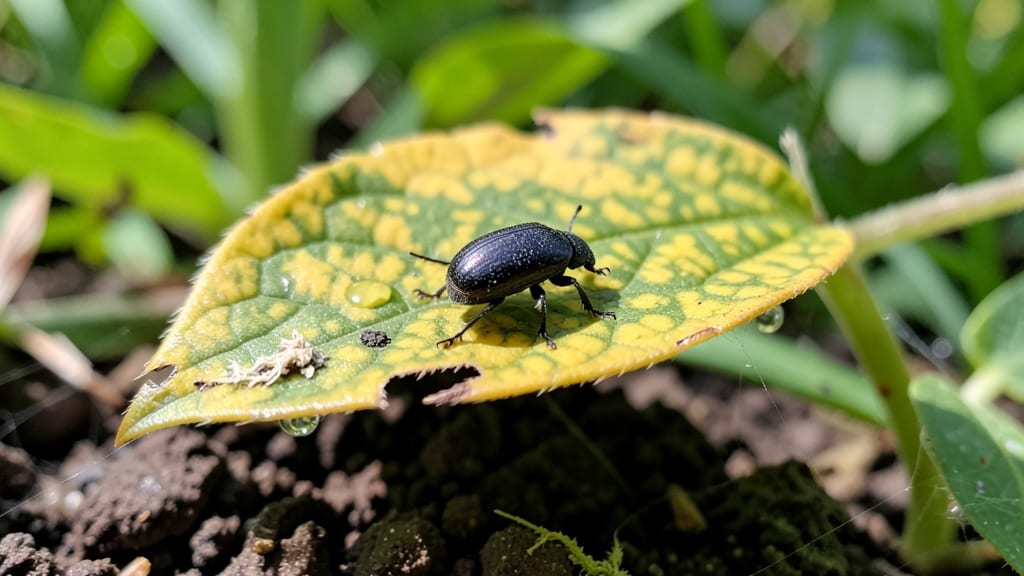
Getting rid of slugs in your garden starts with understanding their sneaky habits—those slimy invaders turn your tender lettuce into lace overnight. 🌿 I’ve lost count of the nights spent hunting them with a flashlight, only to find my hostas looking like Swiss cheese by dawn.
The good news? You don’t need harsh chemicals to win this battle. Natural barriers, a few strategic traps, and some old-fashioned vigilance can turn your garden back into a slug-free zone.
Slugs thrive in damp, shaded spots where they feast on young seedlings, melons, and hostas—basically anything soft and juicy. The key is cutting off their access without harming your plants or the beneficial bugs that keep your garden balanced.
Copper tape, crushed eggshells, and even diatomaceous earth create physical barriers they can’t cross, while beer traps lure them in for a one-way trip. These methods work best when combined, so slugs have no easy path to your prized plants.
By morning, you’ll see fewer slime trails and more intact leaves. The copper tape stays effective for months, the beer trap catches dozens in a night, and the crushed eggshells add a bonus layer of sharp defense around vulnerable stems.
Best of all, these solutions keep your garden safe for kids and pets while still protecting your hard work. Let’s make your plants the only ones feasting this season.
This approach works for any garden size, from container setups to sprawling vegetable beds. The secret is consistency—check your traps weekly, refresh barriers after rain, and keep an eye out for new slimy visitors.
With these tricks, you’ll reclaim your garden without relying on store-bought poisons. Ready to say goodbye to slugs for good?
What Draws Slugs to Your Garden
Slugs may seem like harmless garden visitors, but they can quickly turn into destructive pests—especially when they’re drawn to your yard in large numbers. Understanding why they’re attracted to your garden is the first step in keeping them at bay.
Let’s break down the key factors that turn your green space into a slug buffet.
Slugs thrive in damp environments because they’re mucus-dependent—their slime helps them breathe and move. If your garden retains too much moisture, you’re essentially rolling out the welcome mat for these slimy invaders.
- Overwatering or poor drainage creates ideal slug habitats.
They hide in damp mulch, under rocks, or in thick layers of organic matter during the day and emerge at night to feed. - Shady, humid spots (like under dense foliage or near water sources) are prime real estate for slugs, as they prefer cooler, moist conditions. - Thick mulch layers (over 2–3 inches) trap moisture and provide shelter.
While mulch is great for soil health, too much can become a slug hotel.
Pro Tip: 💡 If your garden stays soggy after rain, consider amending the soil with sand or perlite to improve drainage. Slugs will avoid areas where they’d dry out too quickly.
Slugs are detritivores, meaning they feast on decomposing plant material. If your garden has piles of leaves, rotting wood, or compost heaps, you’re providing them with a 24/7 all-you-can-eat buffet.
- Leaf litter and fallen fruits are slug magnets. A single apple core or overripe tomato can attract dozens of slugs in a night. - Compost piles (especially those that are too wet) become slug breeding grounds.
While composting is eco-friendly, it can also be a slug paradise if not managed properly. - Weeds with broad leaves (like lamb’s quarters or plantain) offer both food and shelter for slugs.
Pro Tip: ✨ Tidy up regularly—remove fallen leaves, fruits, and weeds from garden beds. If composting, use a closed bin with a lid and turn the pile frequently to reduce slug activity.
Slugs have a soft spot for young, succulent plants. They prefer plants with thin, delicate leaves because they’re easier to chew through than woody stems.
- Seedlings and cuttings are especially vulnerable.
Slugs can devour entire young plants overnight, leaving only stems behind. - Hostas, lettuce, and strawberries are top targets because their leaves are soft and nutrient-rich. - Plants with thick, waxy leaves (like rosemary or lavender) are less appealing, as slugs struggle to penetrate their defenses.
Pro Tip: 🎯 Hardening off seedlings (gradually acclimating them to outdoor conditions) can make them slightly more resilient, but physical barriers (like copper tape or diatomaceous earth) are still your best defense.
Slugs are nocturnal feeders, meaning they come out after dark when the air is cooler and humidity is higher. If your garden lacks natural predators, they’ll move in unchecked.
- Birds, frogs, and ground beetles are slug’s worst enemies, but many gardens lack these predators due to pesticide use or habitat loss.
- Artificial lighting at night can also attract slugs, as they’re drawn to moisture-rich areas (like under lights where condensation collects).
- Monoculture gardens (planting only one type of crop) provide easy access to food with little competition, making them slug hotspots.
Pro Tip: 🌡️ Encourage natural predators by adding a small pond or birdbath and planting native flowers that attract beneficial insects. Even a few ducks or chickens can make a huge difference!
Slug populations explode after rain because the sudden moisture triggers their breeding cycles. Warm, damp springs and falls are peak slug seasons.
- Heavy rainfall softens the soil, making it easier for slugs to move and lay eggs.
A single rainstorm can hatch hundreds of slugs in a matter of days. - Mild winters (without hard freezes) allow slugs to survive underground, emerging stronger in spring. - Foggy or dew-heavy mornings create ideal feeding conditions, as slugs stay active longer.
Pro Tip: ⏰ Monitor slug activity after rain—this is when they’re most active. Set out beer traps or handpick them during damp evenings to reduce numbers before they reproduce.
Sometimes, well-meaning gardening practices accidentally invite slugs. For example:
- Overhead watering (like sprinklers) keeps soil consistently damp, signaling slugs that the conditions are perfect.
- Using slug baits incorrectly can kill off predators (like beetles) while leaving slugs unharmed.
- Ignoring garden edges—slugs often enter from lawns, sidewalks, or neighboring properties where they’re less disturbed.
Pro Tip: 🔥 Water at the base of plants in the morning (not at night) to reduce humidity. Avoid mulching too heavily in slug-prone areas—opt for gravel or wood chips instead.
Natural Ways to Stop Slugs Fast
Slugs may seem like tiny, slimy invaders, but with the right strategies, you can reclaim your garden—without harsh chemicals. Below are targeted solutions based on the most common causes of slug overpopulation, along with prevention tips to keep them away for good.
These methods are easy, effective, and eco-friendly for both your plants and the planet.
Slugs thrive in damp, sheltered spots with plenty of food. If your garden is a slug buffet, disrupt their access with these physical deterrents:
🔥 Build a Copper Moat
Slugs hate the electric shock from copper—it disrupts their slimy trails. Wrap a copper tape or wire around pots, raised beds, or vulnerable plants.
A low-voltage current (from a DIY copper band connected to a 9V battery) can even work for stubborn slugs. Pro Tip: 💡 Bend the copper inward slightly to create a natural barrier they’ll avoid.
🍳 Crushed Eggshells or Diatomaceous Earth
Sprinkle sharp, jagged materials like crushed eggshells or food-grade diatomaceous earth (DE) around plants. These create microscopic cuts on slugs’ soft bodies, dehydrating them. Warning: ⚠️ Reapply after rain—both lose effectiveness when wet.
👨🍳 Beer Traps (The Classic Bait)
Slugs are drawn to fermented liquids—and they drown in them. Bury a shallow dish filled with beer (or yeast water) near slug hotspots.
Check and refresh every 2–3 days for maximum effectiveness. Bonus: 🍺 Use non-alcoholic beer if you’re avoiding waste (or pets).
Slugs need humidity to survive. If your garden stays soggy, reduce their comfort zone with these tricks:
⏰ Water in the Morning Only
Slugs come out at night when it’s damp. Watering early in the day (before dusk) gives soil time to dry, making it less inviting. Pro Tip: 🌡️ Use drip irrigation instead of overhead sprinklers to keep foliage dry.
🔪 Remove Hiding Spots
Slugs love dark, damp nooks under mulch, boards, or dense plants. Flip over pots, clear debris, and space plants to allow airflow. A well-aerated garden is a slug’s worst nightmare.
☀️ Add Gravel or Sand Pathways
Slugs avoid rough, dry surfaces. Create gravel borders around garden beds or sandy mulch (like coarse sand) to block their movement. Design Hack: ✨ Use decorative stones—they’ll look great and keep slugs out!
If your garden is a slug smorgasbord, limit their options with these smart moves:
🥗 Protect Young Plants with Collars
Slugs can’t climb smooth surfaces. Wrap cardboard tubes, plastic bottles (cut in half), or copper collars around seedlings and tender stems. DIY Trick: 🔥 Use toilet paper rolls for small plants—cheap and effective!
🍎 Choose Slug-Resistant Plants
Some plants naturally repel slugs due to hairy leaves, strong scents, or tough textures. Opt for:
- Rosemary, thyme, lavender (aromatic herbs)
- Geraniums, ferns, or hostas with fuzzy leaves
- Alliums (garlic, onions, chives) – slugs hate the smell!
🚫 Remove Overripe Fruit & Decaying Leaves
Slugs feast on rotting organic matter. Pick up fallen fruit, clear dead leaves, and compost far from garden beds to starve them out.
The best defense? A slug-proof garden ecosystem. Combine these low-maintenance habits for lasting results:
| Problem | Solution | How to Do It |
|---|---|---|
| Shady, damp areas | Increase sunlight | Prune overgrown plants, add reflective surfaces (like white gravel) |
| Thick mulch layers | Use straw or pine needles instead | Keeps moisture low while still suppressing weeds |
| Weak, damaged plants | Strengthen with neem oil spray | Spray foliage weekly to deter slugs naturally |
| Nighttime slug raids | Install solar-powered slug lights | Motion-activated lights startle them away |
Final Pro Tip: 🌟 Encourage natural predators—birds, frogs, and ground beetles love eating slugs. Add a small pond or log piles to attract them!
By combining barriers, drying out their habitat, and limiting food, you’ll send slugs packing—without chemicals. Try one or two methods this week and watch your garden thrive! 🌿💚
Frequently asked questions
Why do slugs suddenly appear after rain?
Slugs love moisture—their bodies need it to stay active. After rain, soil stays damp longer, creating perfect conditions for them to emerge and feed. They also reproduce faster in wet environments, so a single storm can hatch hundreds of new slugs in days. Check your garden after downpours and set out beer traps or copper barriers to catch them before they multiply.
Will coffee grounds really keep slugs away?
Yes, but only as a temporary barrier! Fresh coffee grounds create a sharp, gritty surface that slugs avoid. Sprinkle them around plants, but reapply after rain since they break down quickly. For long-term protection, combine them with copper tape or diatomaceous earth for better results. Just avoid overdoing it—too much can acidify the soil.
Are there plants that naturally repel slugs?
Slugs hate strong scents and tough textures. Plant rosemary, lavender, thyme, or garlic near vulnerable crops—their aromas confuse slugs. Fuzzy-leaved plants like geraniums or lamb’s ear also deter them because the hairs irritate their slimy bodies. For extra defense, interplant these with your favorite veggies or flowers.
How do I know if slugs are eating my plants?
Look for irregular holes with smooth edges on leaves or stems—slugs leave behind clean, slime-free bites. Check for silver trails (their mucus) on plants or soil at night. If you find chewed seedlings with only stems left, slugs are likely the culprits. Inspect after dark with a flashlight for the best evidence.
Can I use salt to kill slugs?
While salt does dehydrate slugs, it’s not recommended for gardens. It can harm soil microbes and nearby plants over time. Instead, use crushed eggshells or diatomaceous earth—they work just as well without the risk. For a quick fix, sprinkle salt on individual slugs you find, but limit use to problem spots only.