
How To
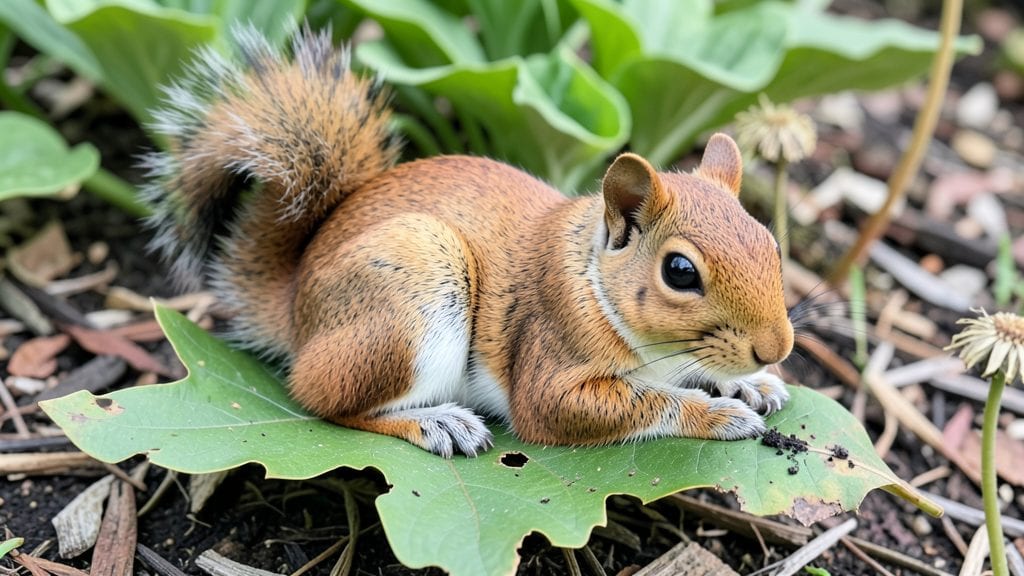
Ridding your garden of squirrels starts with understanding their habits—and I’ve learned the hard way which tricks actually work. 🌿 These clever critters aren’t just stealing sunflower seeds; they’re digging up bulbs, gnawing stems, and turning your compost pile into their all-you-can-eat buffet.
The good news? You don’t need traps or harsh chemicals to win this battle.
Most squirrel problems stem from three things: easy food access, lack of natural predators nearby, and the cozy hiding spots they find in gardens. Securing trash cans with bungee cords, covering compost piles with wire mesh, and removing fallen nuts from the yard cuts off their food supply fast.
I’ve also found that pruning branches that hang over fences keeps them from turning your roof into a squirrel highway.
Once you block their food and shelter, natural deterrents like peppermint oil-soaked cotton balls (placed near entry points) or motion-activated sprinklers send them packing without harm. Squirrels hate the smell of castor oil too—spraying it on young trees or vulnerable plants confuses their scent trails.
Within a week, you’ll notice fewer dig sites and more of your plants left untouched.
The key is consistency—squirrels are smart, and they’ll test weak defenses. Combine physical barriers (hardware cloth around raised beds) with habitat tweaks (removing brush piles), and you’ll reclaim your garden without cruelty. Here’s how to put it all together step by step.
Why Squirrels Invade Gardens
Squirrels may seem like harmless, cute critters, but when they take up residence in your garden, they can wreak havoc on plants, dig up bulbs, and even chew through wiring or wood. Understanding why they’re drawn to your outdoor space is the first step in creating an effective deterrent strategy.
Below, we break down the key reasons—backed by science—and what they mean for your garden’s defense.
Squirrels are omnivorous opportunists, and your garden is essentially a 24/7 salad bar if they perceive it as one.
Studies show that 90% of squirrel activity in urban and suburban areas is food-related, with a preference for: - Seeds and nuts (especially acorns, sunflower seeds, and peanuts) - Young shoots and tender plants (like beans, lettuce, and marigolds) - Fruits and vegetables (tomatoes, berries, and corn are prime targets)
Why it happens: Squirrels have excellent memory (thanks to their hippocampus, which is larger relative to brain size than most mammals) and can recall thousands of food sources. If they find even one successful forage in your garden, they’ll return—often bringing reinforcements. Additionally, mature trees (like oaks or walnuts) on your property or nearby provide a steady food supply, making your garden an easy snack stop.
Actionable insight: If your garden has easily accessible food, squirrels will see it as a high-reward, low-risk zone. Remove temptation by:
- Harvesting crops promptly (don’t leave fallen fruit or uneaten veggies).
- Storing nuts/seeds in squirrel-proof containers (metal or thick plastic).
- Choosing squirrel-resistant plants (e.g., lavender, snapdragons, or herbs like rosemary).
Squirrels are den builders by nature, and your garden may offer ideal nesting conditions. They prefer:
- Hollow trees or dense shrubs (for overhead cover).
- Attics, sheds, or under decks (for protection from predators).
- Thick mulch or leaf piles (for ground nests).
Why it happens: Urbanization has reduced natural habitats, forcing squirrels to adapt. A **2018 study in Urban Wildlife Journal found that suburban gardens provide 3x more nesting sites than wild forests because they lack predators (like owls or foxes) and offer human-provided shelter. If your garden has:
- Untended brush piles (a squirrel’s dream for nesting).
- Loose roofing or gaps in fences (easy entry points).
- Overgrown areas (hidden from predators).
Squirrels will stake their claim—often marking territory with urine to warn others away.
Actionable insight: Eliminate hiding spots by:
- Trimming dense shrubs (keep them at least 3 feet from structures).
- Securing trash cans and compost bins (squirrels raid for food and nesting material).
- Sealing gaps in fences, decks, or attics (use hardware cloth, not chicken wire—squirrels can chew through it).
In the wild, squirrels face threats from hawks, snakes, and coyotes. But in most suburban gardens, these predators are absent, making your yard a low-risk zone.
This is why squirrels: - Forage boldly during the day (no need to hide). - Cache food aggressively (they know it’s safe). - Reproduce rapidly (fewer threats = more babies).
Why it happens: A **2020 study in Ecological Applications found that urban squirrel populations grow 2-3x faster than rural ones due to reduced predation. If your garden lacks:
- Tall trees (where hawks hunt).
- Open grassy areas (where snakes or owls patrol).
- Dogs or outdoor cats (even if they’re not squirrel hunters, their presence can deter them).
Squirrels will treat your garden like a squirrel paradise.
Actionable insight: Encourage natural deterrents by:
- Planting tall, dense trees (like pines or oaks) to attract hawks and owls.
- Keeping a well-maintained lawn (fewer hiding spots = easier for predators to spot squirrels).
- Using decoy predators (like owl statues or fake snakes)—though these work best when moved occasionally to avoid squirrels getting wise.
Squirrels aren’t just year-round pests—their behavior shifts with the seasons, and your garden may become a hotspot at the wrong time:
- Spring: They dig up bulbs (like tulips and daffodils) to eat the nutrient-rich bases.
- Summer: They strip fruit (especially peaches, apples, and berries) to cache for winter.
- Fall: Acorn and nut collection goes into overdrive—they’ll bury thousands in your lawn or garden beds.
- Winter: If food is scarce, they’ll chew bark, raid bird feeders, or dig up frozen roots.
Why it happens: Squirrels hoard food to survive winter, and your garden may be the closest easy access. A 2019 study in Journal of Mammalogy found that urban squirrels cache 50% more food than wild ones because they can’t rely on natural winter food sources.
Actionable insight: Time your deterrents based on squirrel behavior:
- Spring: Cover bulbs with wire mesh before planting.
- Summer: Harvest fruit immediately and use netting on trees.
- Fall: Rake up fallen nuts and secure trash cans (squirrels will raid for scraps).
- Winter: Provide alternative food sources (like bird feeders away from your garden) to distract them.
Squirrels are highly intelligent (some studies rank them as smart as dogs in problem-solving).
Once they discover a food source or shelter in your garden, they: - Develop a mental map of your property. - Teach other squirrels (through scent marking and vocalizations). - Return daily, often at the same times.
Why it happens: A 2021 study in Animal Cognition found that squirrels use spatial memory to navigate territories, meaning if they find one successful spot, they’ll exploit it repeatedly. If your garden has:
- Easy access points (low fences, open gates).
- Consistent food rewards (even small amounts).
- No deterrents, they’ll treat it like their personal pantry.
Actionable insight: Break the habit loop by:
- Removing all food incentives (even pet food left outside).
- Using motion-activated sprinklers or ultrasonic repellents to create negative associations.
- Changing up deterrents (squirrels get used to static solutions like fake owls).
Squirrels don’t act alone—they recruit others through scent, sound, and shared experiences. If one squirrel finds success in your garden, others will follow. The key to long-term deterrence is addressing multiple causes simultaneously: food, shelter, predators, and habit.
By understanding why squirrels target your garden, you can strategically remove the appeal—making your outdoor space less inviting and more of a no-go zone for these bushy-tailed bandits. 🚫🐿️
Quick Fixes for Squirrel Problems
Squirrels may seem like harmless garden visitors, but their digging, chewing, and nesting habits can quickly turn your green space into a battleground. The good news? With the right strategies, you can outsmart these furry intruders without resorting to harsh chemicals or traps.
Below, we’ve mapped common squirrel behaviors to targeted, humane solutions—plus prevention tips to keep them away for good.
Squirrels tunnel for buried nuts, grubs, or even just to play—but their digging can uproot plants, create unsightly holes, and damage lawns. Here’s how to put an end to it:
🌱 Cover Their Favorite Digging Spots
Squirrels love loose, soft soil where they can bury their stash. Make their digging harder with these tricks: - Lay down hardware cloth (¼-inch mesh) over garden beds or mulch piles.
Bury it 6 inches deep to prevent tunneling underneath. - Use landscape fabric temporarily while replanting—squirrels can’t dig through it, but it’s not permanent. - Spread gravel or pebbles in high-traffic digging zones (like near trees or flower beds). The rough texture discourages digging.
🌿 Plant Squirrel-Resistant Ground Covers
If you’re tired of seeing your garden turned into a squirrel playground, swap vulnerable plants for these tough alternatives:
- Creeping thyme (drought-resistant, smells great, and squirrels avoid it).
- Clover or moss (soft but hard for squirrels to dig through).
- Ornamental grasses (like fountain grass or sedge)—their dense roots deter tunneling.
💡 Pro Tip:
If you must plant something squirrels love (like bulbs), plant them deeper than 8 inches—squirrels rarely dig that deep!
Squirrels are fruit and veggie thieves, especially in late summer and fall. They’ll strip tomatoes, apples, and even corn right off the stalk. Outsmart them with these barriers:
🛡️ Use Physical Barriers
- Netting: Drape fine mesh netting (like bird netting) over fruit trees, berry bushes, and veggie patches.
Secure it tightly—squirrels can chew through weak spots! - Tree guards: Wrap plastic tree guards (or even cardboard tubes) around young fruit trees to block access. - Cauliflower cages (yes, really!): For veggies like peppers or tomatoes, use small wire cages or even old wire hangers to keep squirrels out.
🍅 Harvest Strategically
- Pick fruits/veggies as soon as they ripen—don’t leave them on the vine!
- Harvest early in the morning when squirrels are less active.
- Use a drop cloth under trees to collect fallen fruit before squirrels can snatch it.
🌡️ Confuse Them with Fake Treats Squirrels are easy to distract.
Try these tricks: - Hang fake food (like plastic corn cobs or fake acorns) in your garden—squirrels will investigate and waste time. - Plant squirrel bait crops (like sunflower seeds) far from your veggie garden to lure them away.
Squirrels build nests in sheds, under decks, in dense shrubs, or even inside hanging baskets. If you find one, remove it humanely and block future nesting spots:
🚫 Remove Nests Without Harming Squirrels
- Wait until they’ve moved out (spring or fall, when they’re less likely to have young).
- Wear gloves and carefully disassemble the nest (use a broom to sweep out debris).
- Relocate materials far from your garden (squirrels will rebuild if left nearby).
🏡 Seal Entry Points
- Check for gaps in sheds, fences, or under decks—squirrels can squeeze through a hole the size of a golf ball!
- Use steel wool or hardware cloth to block holes (squirrels can’t chew through it).
- Install a chimney cap on sheds or garages if squirrels are entering through vents.
🌿 Trim Their Hiding Spots
Squirrels love dense, thorny shrubs for nesting. Thin out overgrown areas and remove brush piles to eliminate hiding spots.
The best defense is a combination of deterrents that make your garden unappealing, inaccessible, and unpredictable to squirrels.
| Problem | Solution | Prevention Tip |
|---|---|---|
| Attracted to birdseed | Remove feeders or use squirrel-proof ones | Switch to squirrel-resistant seed mixes (like safflower). |
| Digging for bulbs | Plant bulbs in wire baskets buried underground | Try daffodils or alliums—squirrels hate their taste! |
| Chewing on bark | Wrap tree trunks with tree guards | Apply pet-safe pepper spray (see below). |
| Raid compost piles | Use locked bins or compost in wire cages | Add citrus peels or coffee grounds (squirrels dislike the smell). |
💡 Bonus
Natural Repellents That Work Squirrels hate strong smells—use these non-toxic sprays to deter them: - Pepper spray mix: Combine 1 tsp cayenne pepper + 1 quart water + a drop of dish soap.
Spray on plants, tree trunks, and digging areas. Reapply after rain. - Predator urine (available at garden stores)—the scent of fox or coyote tricks squirrels into thinking danger is near. - Essential oils: Soak cotton balls in peppermint or eucalyptus oil and place them near entry points.
- ❌ Don’t use poison—it’s inhumane and can harm pets, wildlife, and children.
- ❌ Avoid glue traps or snares—they cause unnecessary suffering.
- ❌ Don’t rely on one method—squirrels are smart and will adapt. Combine deterrents for best results.
By targeting their specific behaviors—digging, nesting, or stealing—you can effectively evict squirrels from your garden while keeping your plants safe. Start with one or two methods, observe what works, and layer in prevention to keep them away for good! 🐿️🚫🌱
Frequently asked questions
What’s the fastest way to stop squirrels from digging up my garden?
Spread hardware cloth (¼-inch mesh) over digging areas and bury it 6 inches deep. Squirrels can’t dig through it, and it’s undetectable once covered with mulch. For immediate results, try gravel or pebbles—the rough texture discourages digging within 24 hours.
Will peppermint oil really keep squirrels away?
Yes! Squirrels hate the strong scent. Soak cotton balls in peppermint oil and place them near entry points, compost piles, or problem plants. Reapply every 3-5 days or after rain. For larger areas, mix 10 drops of oil per gallon of water and spray around the garden perimeter.
Are motion-activated sprinklers effective against squirrels?
Absolutely—they’re one of the most reliable deterrents! Squirrels avoid areas where they sense danger. Place sprinklers near favorite digging spots, compost bins, or fruit trees. Most models activate with movement and deliver a gentle spray (not harmful). Move them occasionally to prevent squirrels from learning the pattern.
Can I use fake owls or snakes to scare squirrels?
Fake predators work short-term, but squirrels get wise fast. For best results, place them near entry points and move them every few days. Combine with other deterrents like hardware cloth or peppermint oil for long-term success. Real owls or hawks (encouraged by tall trees) are far more effective—squirrels see them as real threats.
What plants should I avoid if squirrels are a problem?
Skip sunflower seeds, peanuts, corn, tomatoes, apples, berries, and most nuts—they’re squirrel magnets. Instead, plant lavender, rosemary, snapdragons, or daffodils (squirrels dislike their scent). Even bulbs like tulips are at risk—plant them in wire baskets buried 8+ inches deep to deter digging.