
Tools
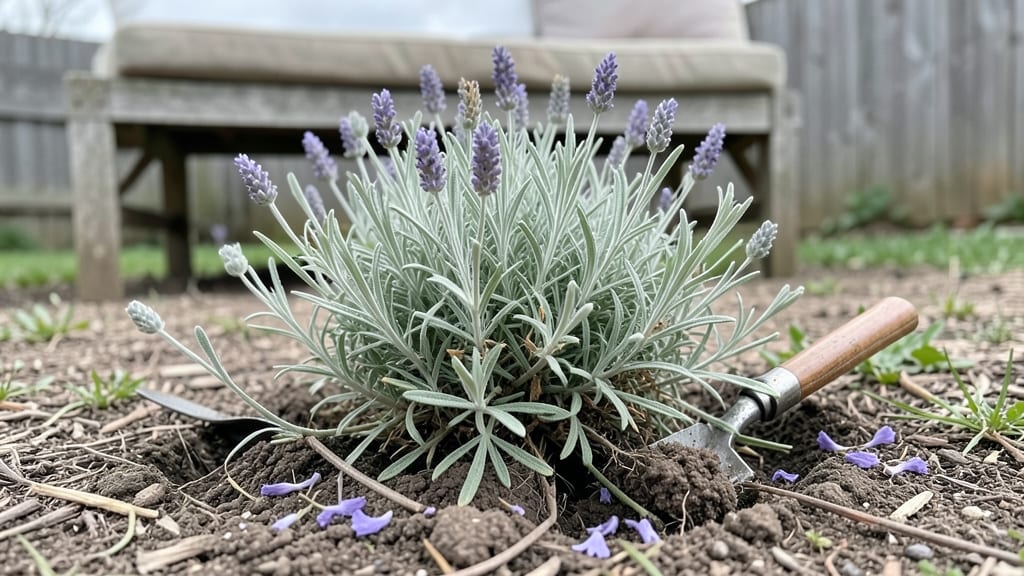
This gardening as therapy worked miracles for me after a particularly chaotic year—digging in the soil literally rewired my brain. 🌱 The science backs it up: studies show gardening lowers cortisol while boosting serotonin. It’s not just about growing plants; it’s about creating a space where your mind can reset.
You don’t need a sprawling estate to make it work. Start with a small corner for fragrant herbs like lavender or mint, add a simple wooden bench, and layer in plants with textures that invite touch—soft lamb’s ear, velvety hostas.
The key is designing for all your senses, not just aesthetics. Even a balcony with a few pots can become a mini retreat if you focus on what calms you.
Within weeks, you’ll notice the shift: less mental chatter, deeper breathing, and that quiet satisfaction of watching something grow from nothing. The best part? Your garden evolves with you—add a meditation spot under a tree, a stone path for gentle walks, or a container garden if mobility is a concern.
It’s therapy that grows back every season.
No fancy degrees required—just curiosity and an open mind. The tools are simple: good soil, a few plants, and the willingness to let nature guide your pace. Here’s how to start small and build a space that nurtures both your plants and your peace of mind.
📚 In This Guide
- What you need
- Instructions
- Tips and common mistakes
- Wrapping up and next steps
What you need
- ● Soil: 5+ gallons of high-quality potting mix or garden soil (sterilized to avoid pests). For raised beds, opt for well-draining compost.
- ● Containers: 3–5 pots (6–12" diameter) or a raised bed (4'x8' minimum). Ensure drainage holes!
- ● Seeds/Plants: Start with low-maintenance options like herbs (basil, mint), succulents, or sunflowers (3–5 plants).
- ● Basic Tools: 1 trowel (for planting)
- ● 1 hand pruners (for trimming)
- ● 1 watering can (1–2 gallons) or hose with gentle nozzle
- ○ 1 pair of gardening gloves (optional but highly recommended for blister-free digging!)
- ● Mulch (straw or shredded bark) to retain moisture and reduce weeds.
- ● Fertilizer (organic, slow-release granules or liquid feed).
- ● Decorative stones or pebbles for a zen garden vibe.
- ● Portable stool or kneeling pad for comfort during long sessions.
- ● Journal + pen to track plant growth and mood-boosting moments!
Step-by-Step instructions for creating a therapeutic gardening space
Here's how to design a tranquil garden that nourishes both body and mind—no fancy tools required.
🌱 Step 1: Choose a Peaceful Location
Find a spot where you can sit comfortably for at least 15 minutes without distractions. I always test a location by sitting there with my eyes closed and noticing how my breathing responds—if it feels easier, that’s your zone. Avoid areas with strong winds or harsh sunlight that might make you feel overheated or exposed.
Consider nearby sounds: the rustle of leaves, distant birds, or even the quiet hum of insects can create a natural soundtrack for relaxation. If your space is noisy, try adding a small water feature like a tabletop fountain or even a bowl of water with smooth stones to create gentle rippling sounds.
🪴 Step 2: Select Calming Plants
Start with plants that engage your senses in soothing ways. Lavender, for example, releases a fragrance that naturally reduces anxiety, while soft-textured plants like lamb’s ear or ferns invite gentle touch. I like to include a mix of heights—tall grasses for movement, mid-level shrubs for structure, and low-growing ground covers for a lush carpet effect.
Choose plants that require minimal maintenance so you don’t add stress to your routine. Succulents and herbs like mint or thyme are perfect—they thrive with occasional watering and remind you of nature’s resilience. Avoid anything that needs frequent pruning or chemical treatments, which can feel like extra chores.
☀️ Step 3: Create a Meditative Layout
Design paths or seating areas that encourage slow movement. A winding stone path or a simple bench invites you to pause and observe details like the way sunlight filters through leaves or how dew collects on petals. I like to place a small table near my seating area for a cup of herbal tea or a journal—just within arm’s reach so you’re not tempted to leave.
Add elements that spark joy, like a favorite wind chime, a smooth river rock, or a piece of driftwood. These personal touches make the space uniquely yours and give you something to focus on when your mind wanders. Keep the layout uncluttered—leave room for spontaneous moments, like watching a butterfly land on a flower.
💧 Step 4: Establish a Simple Routine
Begin with just 5 minutes a day to tend to your garden. Water your plants in the morning when the air is cool, and take a moment to notice how the soil feels between your fingers. This tactile connection grounds you in the present moment. I like to pair this with deep breathing—inhale for 4 counts, exhale for 6 counts—as I water each plant.
Set a gentle reminder on your phone or keep a small notebook nearby to jot down observations. Notice how the garden changes over time—the first bloom of the season, the way leaves rustle differently in the wind. These small moments build a sense of connection and purpose, turning gardening into a mindful practice.
⏰ Step 5: End with Reflection
Before you finish, take a few minutes to sit quietly and reflect on how the garden makes you feel. Close your eyes and listen to the sounds around you. Did you notice any thoughts drifting away? Gardening therapy isn’t about perfection—it’s about presence. I always end my time in the garden by writing down one thing I’m grateful for, like the warmth of the sun or the scent of the soil.
Leave your space slightly better than you found it. Straighten a cushion, water one last plant, or simply take a deep breath before stepping away. This small act of care reinforces the idea that your garden—and your mind—deserve attention and respect. Over time, this routine will become a sanctuary for your soul.
Tips & tricks for perfect therapeutic gardening
These simple strategies will help you create a garden that truly nourishes your mind and spirit—without the overwhelm.
The Location Test: In Step 1, when choosing your spot, I learned the hard way that even a few minutes of discomfort can ruin the experience. Sit in your potential location with your eyes closed for the full 15 minutes before committing. Notice if your breathing becomes easier or if you feel any tension in your shoulders. This simple test reveals whether the space will truly serve as your sanctuary. If you feel restless, try moving just a few feet—sometimes a small shift makes all the difference.
Plant Selection Strategy: For Step 2, focus on plants that engage multiple senses—not just sight. I recommend including at least one fragrant plant like lavender (which studies show can lower cortisol levels) alongside tactile plants like lamb's ear. The key is variety: include something to smell, something to touch, and something to watch move in the breeze. This sensory diversity keeps your mind engaged in a healthy way during your gardening time.
Routine Reinforcement: The 5-minute daily routine in Step 4 might seem short, but consistency is what makes this therapeutic. I've found that pairing this time with your morning coffee or evening wind-down creates a natural habit. Set a phone reminder labeled "Garden Time" rather than "Work" to shift your mindset. Even on busy days, those five minutes of focused attention to your plants can reset your nervous system better than any other activity.
Reflection Enhancement: In Step 5, when you're writing down one thing you're grateful for, try making it specific to your senses. Instead of "the sun," note "the way sunlight filters through the new leaves on the fern." This practice deepens your connection to the present moment. Keep a small notebook by your garden seat so you're never tempted to skip this meaningful step. The more specific your observations, the more your brain will associate your garden with true mindfulness.
Pro Tips for Gardening As Therapy
- These simple strategies will help you create a garden that truly nourishes your mind and spirit—without the overwhelm.
- The Location Test: In Step 1, when choosing your spot, I learned the hard way that even a few minutes of discomfort can ruin the experience.
- Plant Selection Strategy: For Step 2, focus on plants that engage multiple senses—not just sight.
Frequently asked questions
Got questions about gardening as therapy?
Here are answers to the most common ones—whether you're a beginner or looking to deepen your green-thumb mindfulness.
Can gardening really reduce stress, or is it just a myth?
Not a myth! Studies show gardening lowers cortisol (the stress hormone) by up to 47%—thanks to sunlight, fresh air, and the meditative act of nurturing life. Even 20 minutes of tending plants can shift your mood from frazzled to focused.
How much time do I need to commit to see benefits?
Start small! Even 10–15 minutes daily (weeding, watering, or potting) can ease anxiety. For deeper relaxation, aim for 30+ minutes on sunny days. Consistency matters more than duration—think of it like a micro-break for your mind.
Do I need a backyard or balcony to garden therapeutically?
Absolutely not! Container gardening (herbs, succulents, or microgreens) works on any surface—windowsills, patios, or even indoors. Community gardens or "guerrilla gardening" (planting in public spaces) are also great alternatives. The goal is connection, not space!
What if I don’t have a green thumb or my plants keep dying?
No pressure—therapy gardening isn’t about perfection! Start with low-maintenance plants like snake plants, lavender, or mint. Even "failed" plants teach resilience. Focus on the process, not the outcome. Pro tip: Keep a "plant journal" to track progress and celebrate small wins!
What’s the easiest way to begin if I’m a total beginner?
Grab a small pot, potting soil, and a resilient seed (try sunflowers or cherry tomatoes). Follow these steps:
- Pick a sunny spot (6+ hours of light daily).
- Water gently—overwatering kills plants faster than drought!
- Check soil moisture with your finger (top inch dry? Water time!).
- Observe and adjust—gardening is a dialogue, not a chore.
Wrapping up and next steps
Gardening isn’t just about growing plants—it’s a powerful way to nurture your mind, body, and soul. Whether you’re tending to a windowsill herb garden or a sprawling backyard, the act of connecting with nature reduces stress, boosts mood, and fosters mindfulness—all while creating something beautiful. 🌱
Ready to dig in? Start small: plant one seed today and let the therapeutic benefits grow with it. Your future self—and your garden—will thank you!