
Pests
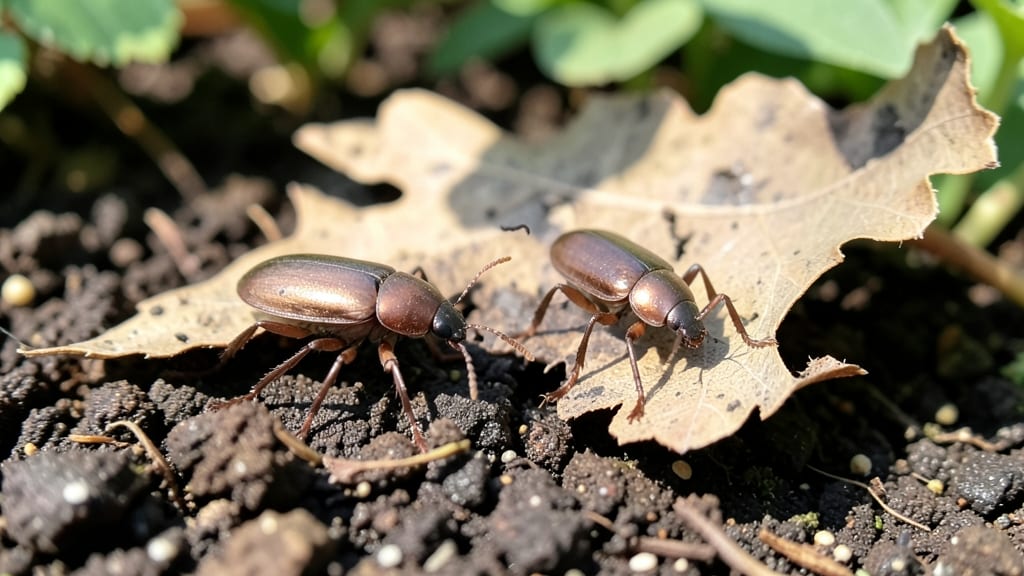
Garden bugs in soil aren’t just an annoyance—they’re silent plant assassins, and I’ve lost entire rows of tomatoes to grubs before I learned how to outsmart them. The good news?
You don’t need harsh chemicals to win this battle. My first victory came when I swapped store-bought sprays for a simple nematode solution that worked within weeks.
Most soil pests—like Japanese beetle grubs or fungus gnats—thrive when soil stays too wet or lacks diversity. The fix starts with simple soil tests (a $10 kit from your local garden center) to check moisture and nutrient levels.
Once you know the problem, you can pick the right natural predator: beneficial nematodes for grubs, neem oil sprays for beetles, or diatomaceous earth for ants. I’ve seen grubs disappear in under a month with the right approach.
What you’ll end up with is a soil ecosystem that actually helps your plants. No more wilting seedlings or mysterious holes in leaves—just stronger roots and healthier growth.
The key is consistency: treat the soil before pests show up, and you’ll break the cycle for good. Here’s how to build that defense system step by step.
Works for vegetable gardens, flower beds, and even houseplants—no matter your yard size. The methods here cut chemical use while keeping your soil alive and productive. Let’s get those bugs under control the right way.
Root Causes of Soil Bug Invasions
Soil isn’t just dirt—it’s a bustling ecosystem where bugs thrive due to specific conditions. Understanding why these pests show up in your garden is the first step to keeping them in check. Let’s break down the science behind their unwelcome visits.
Bugs like slugs, pill bugs, and fungus gnats love damp environments because they rely on moisture for survival. If your soil stays soggy for too long—whether from overwatering, poor drainage, or heavy rainfall—you’re essentially rolling out a welcome mat.
- Why it happens: Excess water creates the perfect breeding ground for microbial activity, which attracts decomposers like earthworms (good!) and pests like sciarid flies (not so good).
- Science alert: Anaerobic conditions (low oxygen) in waterlogged soil force bugs to seek drier spots—often your plants’ roots.
- Actionable fix: Test your soil’s drainage by digging a 6-inch hole, filling it with water, and timing how long it takes to drain. If it’s slower than 4 hours, amend with compost or sand.
Leaves, grass clippings, and rotting wood aren’t just eyesores—they’re all-you-can-eat buffets for soil-dwelling bugs. Piles of organic debris create shelter and food sources, drawing in creatures like earwigs, sow bugs, and even rodents.
- Why it happens: Decomposing material releases volatile organic compounds (VOCs), signaling pests that a feast is nearby. Fungal growth in decaying matter also attracts fungus-loving insects.
- Science alert: Some bugs, like millipedes, are detritivores—they need decaying plant matter to survive. Too much = too many.
- Actionable fix: Clear debris from garden beds and compost piles regularly. Use a mulch layer no thicker than 2–3 inches to deter pests without suffocating plants.
Healthy soil isn’t just about aesthetics—it’s about balance. When soil lacks essential nutrients or becomes compacted, beneficial microbes decline, and pests move in to fill the gaps. Think of it like a crowded subway: bugs take over when the "good guys" (like nematodes and bacteria) are outnumbered.
- Why it happens:
- Low microbial diversity: Chemical fertilizers can strip soil of beneficial microbes, leaving pests like root maggots to dominate.
- Compacted soil: Heavy foot traffic or machinery reduces oxygen, making soil a less hospitable place for earthworms (which aerate soil) and more appealing to moisture-loving pests.
- Excess nitrogen: Over-fertilizing creates soft, tender plant roots—an all-you-can-eat snack for grubs and cutworms.
- Actionable fix:
- Test your soil’s pH and nutrient levels (ideal range: 6.0–7.0 for most gardens).
- Add compost or worm castings to boost microbial life naturally.
- Avoid tilling—it disrupts soil structure. Instead, use a broadfork to loosen compacted areas.
Sometimes, the problem isn’t the soil—it’s us. Unintentional actions like mulching too heavily, storing firewood near garden beds, or even leaving pet food outside can turn your yard into a bug magnet.
- Why it happens:
- Thick mulch layers: More than 3 inches traps moisture and blocks sunlight, creating a humid microclimate that slugs and pill bugs adore.
- Firewood or debris piles: These act as hiding spots for insects and even small mammals, which then spread to your garden.
- Pet waste or food scraps: These attract scavengers like ants and roaches, which then migrate to soil in search of more food.
- Actionable fix:
- Store firewood at least 20 feet away from your garden and elevate it off the ground.
- Keep mulch 2–3 inches thick and avoid piling it against plant stems.
- Clean up pet waste immediately and compost food scraps in a sealed bin.
Bugs are opportunists, and changing weather patterns—like warmer winters or unpredictable rains—can disrupt their natural life cycles, leading to population booms in your garden.
- Why it happens:
- Milder winters: Pests like Japanese beetles and grubs survive longer, leading to larger spring/summer populations.
- Heavy spring rains: Flooding can drown beneficial predators (like ground beetles), leaving pests unchecked.
- Drought followed by rain: Dry spells weaken plants, making them easier targets for bugs when moisture returns.
- Actionable fix:
- Monitor local weather forecasts and adjust watering to avoid soil saturation.
- Plant native, drought-tolerant species to reduce stress on your garden during dry spells.
- Encourage natural predators by leaving some leaf litter in undisturbed corners of your garden.
Most soil bug problems stem from imbalances—whether in moisture, nutrients, or habitat. The good news? Small tweaks to your garden’s ecosystem can make it far less inviting for pests. Next up: Proven ways to deter bugs without chemicals.
Simple Fixes for Soil Bug Problems
Now that you know what’s causing those unwelcome critters in your soil, let’s tackle them with practical, chemical-free solutions. Each problem has a targeted fix—plus prevention tips to keep your garden thriving long-term. No complicated steps, just effective action!
Earthworms are usually beneficial, but an overabundance can lead to loose, uneven soil or even surface tunnels that disrupt plant roots. Here’s how to balance their population:
✅ Fix It:
- 🌱 Reduce Organic Matter Overload – If you’re amending soil heavily with compost or manure, cut back slightly. Earthworms thrive on decaying material, so moderation helps control their numbers.
- 🕳️ Encourage Natural Predators – Birds, toads, and shrews love earthworms! Create a welcoming habitat with shallow water dishes or mulch piles to attract these helpers.
- 🔄 Relocate Excess Worms – If your garden is too wormy, gently scoop them up (they’re sensitive to light) and transplant them to a compost bin or another part of the yard.
💡 Prevention Tip: Avoid tilling excessively—it stirs up worms and encourages them to surface. Instead, use no-dig gardening techniques to maintain a stable soil ecosystem.
Ants are persistent soil invaders, and their mounds can smother plants. But before you reach for pesticides, try these gentle but effective methods:
✅ Fix It:
- 🔥 Boiling Water or Vinegar Blast – For small mounds, pour boiling water or a 1:1 vinegar-water mix directly into the nest entrance. This disrupts their tunnels without harming the soil.
- 🌿 Diatomaceous Earth Barrier – Sprinkle food-grade DE around the base of plants or along garden edges. It’s non-toxic but deadly to ants by dehydrating them.
- 🍎 Citrus or Cinnamon Spray – Mix water + lemon peels or cinnamon in a spray bottle and apply to ant trails. The strong scent confuses and repels them.
💡 Prevention Tip: Keep your garden clean and dry—ants seek moisture and food scraps. Use mulch sparingly near plant bases to deny them easy access.
Grubs (larvae of beetles like Japanese beetles) can devastate lawns and garden beds overnight. Here’s how to evict them fast:
✅ Fix It:
- 🍳 Beneficial Nematodes – These microscopic worms (Heterorhabditis bacteriophora) hunt grubs naturally. Apply them in early evening (they need darkness) by mixing with water and watering the soil.
- 🔪 Hand-Picking (Best for Small Infestations) – After watering, grubs come to the surface. Wear gloves, flip over sod or mulch, and scoop them into soapy water.
- 🌡️ Solarization (For Severe Cases) – In hot climates, cover infested soil with clear plastic for 4–6 weeks in peak sun. The heat kills grubs and eggs without chemicals.
💡 Prevention Tip: Plant grub-resistant grasses (like tall fescue) and marigolds—their scent deters beetles from laying eggs. Avoid overwatering, which attracts beetles.
While spiders and centipedes help control pests, an explosion of their populations can mean something’s off in your soil balance. Reset the ecosystem with:
✅ Fix It:
- 🌿 Improve Soil Drainage – These bugs love compacted, moist soil. Aerate your garden and add coarse sand or perlite to improve airflow.
- 🍂 Reduce Leaf Litter – Piles of leaves or mulch create hiding spots. Keep mulch 2–3 inches thick and well-aerated.
- 🕸️ Introduce Ground Beetles – These predators love spiders and centipedes. Plant clover or dill to attract them naturally.
💡 Prevention Tip: Avoid over-fertilizing—excess nitrogen boosts pest populations that spiders/centipedes prey on. Instead, use compost tea for balanced nutrition.
Want a one-size-fits-most solution? Try this preemptive shield:
- 🛡️ Copper Tape Border – Wrap copper tape around garden beds. The slight electric charge repels crawling insects.
- 🌿 Plant Sacrificial Traps – Grow nasturtiums, borage, or basil near vulnerable plants.
These act as bug magnets, luring pests away. 3. 🌱 Healthy Soil = Fewer Pests – Test your soil’s pH and nutrients. A balanced, microbial-rich soil naturally deters many pests.
Final Thought: Most soil bugs are harmless—or even helpful—if kept in check. The key is observation + quick action. Try one method at a time, monitor results, and adjust as needed. Your garden will stay bug-balanced without a single chemical! 🌱✨
Frequently asked questions
Are all soil bugs harmful to my garden?
Not at all! Many soil-dwelling creatures are actually beneficial. Earthworms aerate soil, beetles help break down organic matter, and predatory nematodes control pests. The key is identifying the good guys (like ground beetles) versus the troublemakers (like grubs or fungus gnats). Focus on balancing your ecosystem rather than eradicating everything.
How do I tell if my soil bug problem is severe?
Check for these red flags: wilting plants, chewed leaves, visible tunnels in soil, or sudden plant death. For grubs, lift a small patch of sod—if you see more than 5-10 larvae per square foot, it's time to act. Fungal growth or excessive leaf litter also signals an imbalance that needs addressing.
Can I use coffee grounds to repel soil bugs?
Yes, but with caution! Coffee grounds can deter some pests (like ants and slugs) due to their acidity, but they may also attract others (like fungus gnats) if overused. Use sparingly—mix 1 part coffee grounds with 3 parts compost and apply as a thin layer. Test in a small area first to monitor effects.
What’s the fastest way to get rid of ants in garden soil?
For immediate results, try a boiling water treatment—pour it directly into ant mounds to collapse their tunnels. For long-term control, create a barrier with diatomaceous earth or plant ant-repelling herbs like mint or thyme around your garden edges. The key is consistency; ants will return if the source isn’t addressed.
Will beneficial nematodes harm my plants?
No, when used correctly! Beneficial nematodes (Steinernema or Heterorhabditis species) target only specific pests like grubs and caterpillars. They’re harmless to plants, pets, and humans. Apply them in the evening with water—just follow the package instructions for best results. Always store them refrigerated until use.