
Tools
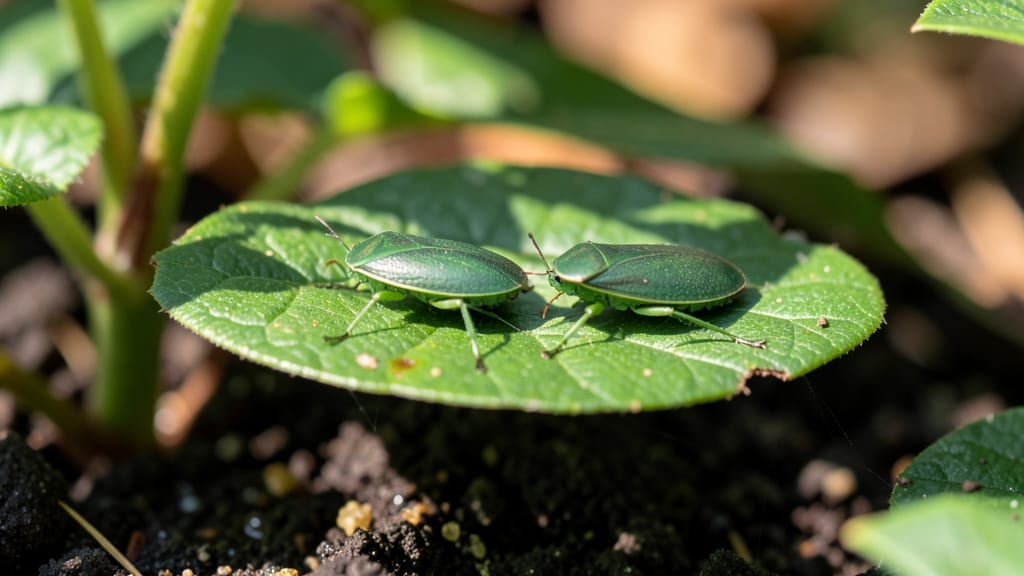
Green garden bugs like aphids and leafhoppers can turn vibrant leaves into sticky wrecks faster than you can say "pest problem." 🌿 I’ve battled these tiny invaders for years, and the key isn’t chemicals—it’s smart, humane traps that keep your plants thriving without collateral damage.
The right setup catches pests alive while protecting pollinators and beneficial insects.
Most store-bought traps rely on sticky goo or harsh sprays, but my go-to methods use simple household items: soapy water sprays, beer traps for slugs, or even yellow sticky cards for flying pests.
These solutions work in 24-48 hours and cost pennies compared to chemical alternatives. The best part? You’ll see fewer bugs and healthier plants within a week.
By the end of this, you’ll spot early signs of infestations, set up traps that actually work, and keep your garden lush without harming the ecosystem. No more wilted leaves or chewed foliage—just a balanced, bug-free haven. Let’s get those pests under control the right way.
Works for vegetable gardens, flower beds, and even houseplants. The techniques adapt to any season, so you’re always ahead of the next outbreak. Ready to reclaim your garden?
Behind The Green Invaders
Green garden bugs—whether they’re leaf-eating caterpillars, sap-sucking aphids, or voracious beetles—don’t just appear out of nowhere. Their presence is usually a response to specific conditions in your garden.
Understanding these triggers is the first step to managing them without resorting to harsh chemicals. Let’s break down the real reasons these critters show up.
Healthy plants are resilient, but when they’re struggling, they become buffet tables for hungry pests. Overcrowding, poor soil nutrition, or drought stress weaken plants, making them more vulnerable to attacks. For example:
- Cabbage loopers (green caterpillars) target stressed brassicas like kale and broccoli.
- Japanese beetles prefer lush, nitrogen-rich foliage—common in over-fertilized lawns.
- Aphids swarm plants with soft, new growth, often a sign of excess water or fertilizer.
Why it happens: Weakened plants can’t produce enough defensive compounds (like tannins or alkaloids), leaving them defenseless. Pests also detect stressed plants through volatile organic compounds (VOCs)—chemical signals that scream, “Easy meal here!”
Leaves, mulch, and plant residues aren’t just “garden clutter”—they’re hiding spots and breeding grounds for pests. Many green bugs, like slugs, earwigs, and cutworms, thrive in moist, shaded areas where debris accumulates. Even “harmless” piles of grass clippings can shelter pest eggs over winter.
Why it happens:
- Moisture retention in debris creates ideal conditions for slug eggs to hatch.
- Decaying organic matter attracts fungus gnats and their larvae, which then invite predators like green lacewings (but also more pests if unchecked).
- Weeds (especially dandelions and plantains) host aphids and other sap-suckers, which then spread to your prized plants.
Pro tip: 🔥 Mulch properly! Use straw or wood chips (not thick layers) to allow airflow and deter moisture-loving pests.
Green garden pests often time their attacks with weather patterns. For instance:
- Cool, wet springs boost slug populations and fungal diseases that attract predatory beetles.
- Hot, dry summers stress plants, making them more attractive to spider mites (which aren’t green but often team up with green pests like whiteflies).
- Late summer brings Japanese beetles and corn earworms as temperatures rise.
Why it happens: Pests are cold-blooded—their activity spikes when plants are actively growing (thanks to warmth and water). Some, like harlequin bugs, even migrate in response to barometric pressure changes before rain.
In a balanced ecosystem, green bugs are food for birds, ladybugs, lacewings, and parasitic wasps. But if these predators are missing—due to pesticide use, habitat loss, or monoculture gardening—pest populations explode. For example:
- Ladybugs devour aphids, but if you’ve sprayed neonicotinoids, they’ll avoid your garden.
- Ground beetles control cutworms, but compacted soil or synthetic fertilizers drive them away.
- Parasitic wasps lay eggs in caterpillars, but if there’s no diversity in your garden, they have nowhere to nest.
Why it happens: Modern gardening often disrupts food chains. A single spray can wipe out a season’s worth of beneficial insects, leaving your plants exposed to unchecked green raiders.
Actionable insight: 🌡️ Monitor your garden’s “pest-to-predator ratio.” If you see more chewed leaves than ladybugs, it’s a sign your ecosystem is out of balance. The fix? Plant companion flowers (like marigolds or dill) to attract predators naturally.
Quick Fixes for Garden Pests
Unwanted green visitors can turn your garden into a battleground, but with the right strategies, you can reclaim your space—without harming the bugs or the environment. Below, we’ve mapped common causes to practical, humane solutions, plus prevention tips to keep your garden thriving long-term.
When pests flock to stressed plants, they’re often drawn by weak defenses. Here’s how to restore balance:
🔥 Step 1: Prune and Revitalize
- Trim affected leaves (especially yellowing or chewed ones) to remove hiding spots and reduce pest attraction.
- Thin out overcrowded plants—aim for 6–12 inches of space between stems for better airflow and sunlight.
- Water at the base (not overhead) to avoid dampening foliage, which can invite fungal issues and pests.
🍳 Step 2: Boost Plant Health
- Fertilize lightly with compost or a balanced organic fertilizer (like fish emulsion) to strengthen roots.
- Mulch with straw or wood chips to retain moisture and deter soil-dwelling pests.
- Rotate crops annually if growing vegetables to disrupt pest life cycles.
💡 Prevention Tip:
🌡️ Monitor soil pH—most pests thrive in acidic or alkaline extremes. Aim for a neutral pH (6.0–7.0) for veggies and herbs.
When green invaders strike fast, act swiftly with these non-toxic traps and deterrents:
👨🍳 DIY Traps and Barriers
| Pest | Trap Method | Barrier Hack |
|---|---|---|
| Aphids | Soapy water spray (1 tsp dish soap + 1 quart water) | Sticky traps (yellow cards coated with petroleum jelly) |
| Caterpillars | Beer traps (bury a shallow dish filled with beer) | Row covers (fine mesh over young plants) |
| Slugs/Snails | Copper tape (creates a mild electric barrier) | Coffee grounds (sprinkle around plants as a natural repellent) |
🥘 Natural Predators to Encourage
- Ladybugs (devour aphids) – Buy them online or attract them with dill or fennel.
- Praying mantises (eat caterpillars) – Leave tall grasses or brush piles nearby.
- Birds (control slugs and beetles) – Add a birdbath or solar-powered fountain.
⏰ Timing Matters:
🎯 Act at dawn or dusk—many pests are most active during these hours, making traps more effective.
The best defense? A garden that pests don’t want to visit in the first place. Try these proactive steps:
🔪 Plant Smart Combinations
- Marigolds repel nematodes and aphids.
- Basil deters flies and mosquitoes while boosting tomato growth.
- Nasturtiums act as a "trap crop" for aphids (plant them away from veggies).
🌡️ Maintain Garden Hygiene
- Remove debris (leaves, old mulch) where pests hide.
- Clean tools after use to prevent spreading diseases or eggs.
- Interplant flowers and herbs to confuse pests with varied scents.
✨ Pro Tip:
💡 Use neem oil (a natural pesticide) preventatively—spray on leaves every 2 weeks during growing season to deter pests without harming beneficial insects.
Remember: Patience and consistency are key. A healthy garden is the best pest deterrent—so nurture your plants, and they’ll fight back naturally! 🌿
Frequently asked questions
Are all green bugs harmful to my garden?
Not at all! Many green garden bugs are actually beneficial. Ladybugs, lacewings, and green praying mantises help control pests like aphids and caterpillars. Only remove the ones causing visible damage—like chewing leaves or sticky residue (a sign of sap-suckers).
How do I tell if green spots on my plants are bugs or beneficial insects?
Check for damage first: beneficial insects like lacewings have delicate wings and lace-like patterns, while pests often leave holes or sticky honeydew. Look under leaves—aphids cluster in groups, while ladybug larvae resemble tiny alligators and hunt pests.
Why do green bugs appear suddenly after rain?
Rain triggers two main factors: moisture activates eggs in soil, and soft plants become easier targets. Slugs, cutworms, and fungus gnats thrive in damp conditions. The solution? Water at the base in the morning and clear debris where pests hide.
Can I use beer traps for all green garden bugs?
No—beer traps only work for slugs, snails, and some beetles. For flying pests like aphids or leafhoppers, try yellow sticky traps or soapy water sprays. Always test traps in small areas first to avoid harming beneficial insects.
What's the fastest way to stop a green caterpillar outbreak?
Handpick them at dawn (they're sluggish then) and drop in soapy water. For large infestations, use BT (Bacillus thuringiensis) spray—it targets caterpillars only and breaks down quickly. Apply in the evening when bees are less active.