
Tools
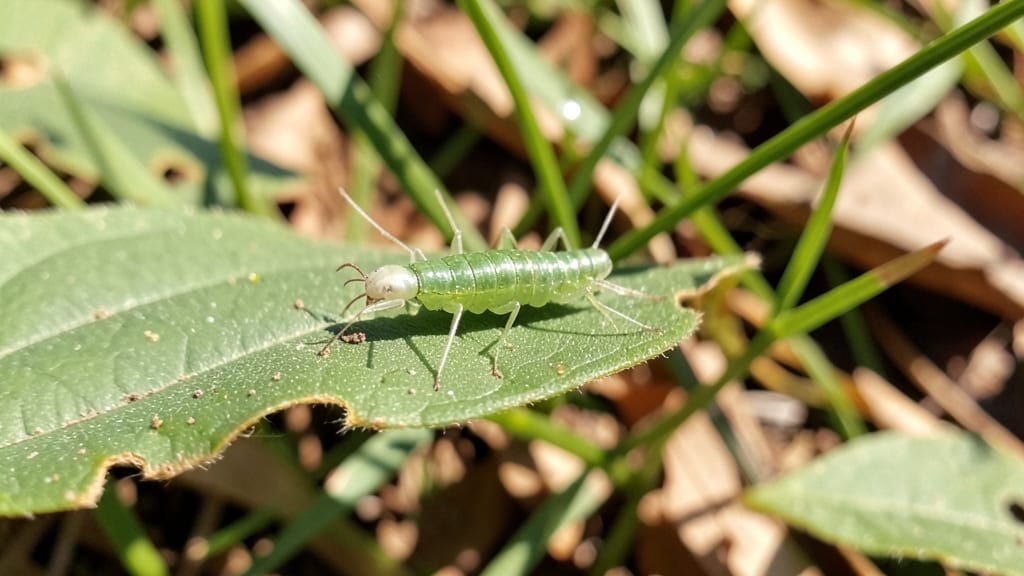
Flip through these garden bugs images to spot the good guys from the pests—then save your plants (and your patience) before the real battle begins. 🌿 I’ve spent years squinting at tiny critters, only to realize I was fighting the wrong battle (or missing the heroes in my yard).
This guide cuts through the confusion with crystal-clear images of the most common pests and their helpful counterparts, so you can tell friend from foe in seconds.
The key is recognizing patterns: soft-bodied aphids clustered on stems, the slime trails of slugs, or the striped backs of ladybug larvae munching on aphids. Most gardeners waste time on pests that don’t matter—like those harmless lacewings—while missing the bugs that actually protect your tomatoes.
We’ll cover the top 12 you’ll see this season, plus what to do when they show up.
You’ll walk away knowing exactly which bugs to welcome (like predatory wasps) and which to manage (like Japanese beetles), without guessing or spraying blindly. The images are labeled for quick reference, and the tips are simple enough to use mid-season when you spot something unfamiliar.
No more second-guessing what’s harming your garden—or helping it.
Perfect for beginners who’ve ever sprayed everything in sight, or veterans who want to refine their approach. Whether you’re dealing with a sudden infestation or just curious about the tiny ecosystem in your soil, this guide keeps it visual and actionable. Let’s get identifying!
Root Causes Of Garden Visitors
Garden bugs—whether they’re pests or helpful allies—don’t just appear randomly. Their presence is usually tied to specific environmental, ecological, or human-related factors. Understanding these causes can help you predict, prevent, or even encourage their arrival. Here’s why your garden might be attracting (or overrun with) these tiny critters.
Bugs thrive in gardens that provide the three essentials: food, shelter, and water. If your garden checks these boxes, expect visitors—some welcome, some not.
- 🌿 Overgrown or Unmaintained Areas
- Tall grass, dense weeds, and leaf litter create perfect hiding spots for pests like Japanese beetles, slugs, and earwigs. These insects seek shade and moisture, which overgrown plants provide in abundance.
- Actionable fix: Regularly trim grass, remove debris, and mulch bare soil to reduce hiding spots.
- 💧 Standing Water or High Humidity
- Mosquitoes, fungus gnats, and even some beetles breed in stagnant water. Even a shallow puddle or clogged gutter can become a breeding ground.
- Actionable fix: Empty water sources weekly, use saucers with sand for potted plants, and ensure proper drainage.
- 🍃 Over-Fertilized or Weak Plants
- Soft, nutrient-rich plants (especially those over-fertilized with nitrogen) attract aphids, whiteflies, and spider mites. These pests feed on sap, and lush, tender growth is an all-you-can-eat buffet.
- Actionable fix: Use balanced, slow-release fertilizers and avoid excessive nitrogen. Strengthen plants with compost to boost natural defenses.
Garden ecosystems are delicate. When one species thrives unchecked, it can disrupt the natural balance, leading to pest outbreaks. Beneficial insects like ladybugs and lacewings often lose ground to aggressive pests when their habitats degrade.
- 🛑 Lack of Natural Predators
- Without birds, frogs, or predatory insects (like ground beetles), pests multiply rapidly. For example, aphids can decimate a plant in days if there are no ladybugs to keep their numbers in check.
- Actionable fix: Install birdhouses, create a small pond for frogs, or introduce beneficial nematodes to control soil-dwelling pests.
- 🌍 Monoculture Planting
- Gardens with single-species plants (like a massive tomato patch) attract pests that specialize in that one crop. Diversity confuses insects and dilutes their food sources.
- Actionable fix: Practice companion planting—pair tomatoes with basil or marigolds to repel pests naturally.
- 🌪️ Climate Shifts
- Warmer winters and longer growing seasons allow pests like stink bugs and colorado potato beetles to survive where they once froze out. Milder temperatures also extend the breeding season.
- Actionable fix: Monitor local pest trends and adjust planting times or use row covers early in the season.
Sometimes, we inadvertently create bug magnets. Poor gardening practices, chemical overuse, or even how we store tools can invite unwanted guests.
- 🧴 Chemical Overuse
- Pesticides kill both pests and their natural predators, leading to secondary infestations. For instance, spraying for aphids might wipe out ladybugs, causing the aphid population to explode later.
- Actionable fix: Opt for targeted treatments (like neem oil for soft-bodied insects) and prioritize prevention over eradication.
- 🍅 Poor Harvesting Practices
- Leaving fallen fruit, overripe veggies, or unharvested crops on the ground attracts fruit flies, beetles, and rodents. These critters are drawn to decaying organic matter.
- Actionable fix: Harvest regularly, compost properly, and remove plant debris promptly.
- 🏠 Unsecured Storage
- Storing firewood, mulch, or garden tools near the house can introduce pests like carpenter ants or boxelder bugs, which seek shelter indoors during cold weather.
- Actionable fix: Keep firewood elevated and away from the house, and store tools in sealed containers.
By addressing these root causes, you can shift your garden from a pest paradise to a balanced ecosystem—where beneficial bugs outnumber the nuisances. 🐞✨ The key is observation: notice why bugs are there before reaching for the spray bottle.
Quick Fixes for Garden Bug Woes
Unwanted critters in your garden? Don’t panic—most pest problems have simple, effective solutions! Below, we’ve mapped common garden bug issues to practical fixes, organized by cause.
Whether you’re dealing with munching caterpillars, slug trails, or aphid infestations, these steps will help you reclaim your green space—without harsh chemicals. We’ve also included prevention tips to keep future pests at bay.
Cause: Hungry larvae (like tomato hornworms or cabbage loopers) devour leaves overnight. Fix It:
- 🔥 Handpick & Dispose – Wear gloves and pluck caterpillars off plants, dropping them into soapy water.
- 🍳 Bacillus Thuringiensis (Bt) – A natural bacteria spray that targets caterpillars but harms no other insects. Reapply after rain.
- 👨🍳 Row Covers – Lightweight fabric barriers (like Agribon) smother eggs and block adult moths from laying more.
Prevention:
- 💡 Plant resistant varieties (e.g., ‘Defiant’ phlox for Japanese beetles).
- 🌡️ Interplant with herbs – Basil, dill, and mint repel many chewing pests.
Cause: Slimy trails and ragged leaf holes mean these nocturnal munchers are feasting after dark. Fix It:
- 🥘 Beer Traps – Bury a shallow dish filled with beer near plants; slugs crawl in and drown. Refresh every 2–3 days.
- 🔪 Copper Barriers – Slugs hate copper! Bend strips around raised beds or containers—they’ll get a mild shock and avoid the area.
- 🏷️ Diatomaceous Earth (DE) – Sprinkle food-grade DE around plants. It’s non-toxic but deadly to slugs’ soft bodies (reapply after rain).
Prevention:
- ✨ Remove hiding spots – Clear debris, mulch, and dense ground covers where slugs lurk.
- 🎯 Water in the morning – Slugs are less active in dry conditions; avoid evening watering.
Cause: Clusters of tiny, sap-sucking insects (aphids, whiteflies, or mealybugs) weaken plants and spread viruses. Fix It:
- 💦 Blast Them Off – Use a strong stream of water from a hose to knock them loose. Repeat every few days.
- 🍳 Neem Oil Spray – Mix 1 tbsp neem oil + 1 tsp mild soap in 1 quart water. Spray undersides of leaves where pests hide.
- 🐝 Ladybugs & Lacewings – Introduce beneficial insects! Buy them online or attract them with dill, fennel, or marigolds.
Prevention:
- 🌿 Inspect new plants – Quarantine purchases for 2 weeks to catch hitchhiking pests early.
- 🔥 Prune for airflow – Crowded plants invite infestations; thin foliage to reduce hiding spots.
Cause: Trailing ants aren’t usually pests, but they farm aphids for honeydew—creating a sticky mess and attracting other bugs. Fix It:
- 🔪 Bait Stations – Use borax or cornmeal-based ant baits (non-toxic to pets/kids if used correctly). Place near trails.
- 🌡️ Vinegar Barrier – Spray a 50/50 vinegar-water mix along entry points to disrupt scent trails.
- 🏷️ Diatomaceous Earth – Sprinkle lightly where ants enter (avoid windy days).
Prevention:
- 💡 Seal entry points – Check for cracks in mulch, wood, or stone borders.
- 🎯 Remove aphid hotspots – Ants won’t stick around if their “cows” (aphids) are gone.
Cause: Skeletons of leaves?
These metallic-green beetles chew through roses, grapes, and beans in days. Fix It: - 🍳 Handpick & Drop – Shake beetles into soapy water (they’re slow fliers but aggressive). - 🔪 Milky Spore or Beneficial Nematodes – Soil treatments like milky spore (takes 2–3 years to work) or nematodes kill grubs before they emerge. - 🏷️ Floating Row Covers – Cover plants early in the season to block adults.
Prevention:
- 🌿 Plant traps – Sacrifice a patch of marigolds or cosmos to lure beetles away from prized plants.
- 🎯 Avoid peak attractants – Japanese beetles love roses, grapes, and linden trees; opt for resistant varieties like ‘Knock Out’ roses.
Cause: While most spiders are beneficial, webs in high numbers can be unsightly or spooky. Fix It:
- 🔥 Reduce hiding spots – Clear clutter, trim tall grass, and store firewood away from the house.
- 🍳 Peppermint spray – Mix 1 cup water + 10 drops peppermint oil; spray webs and entry points (spiders hate the scent).
- 🐝 Encourage predators – Birds, lizards, and ground beetles eat spiders—leave some leaf litter for them.
Prevention:
- ✨ Seal gaps – Check for cracks in screens, doors, and foundations where spiders enter.
- 🎯 Limit outdoor lights – Use yellow bug lights or motion-sensor lights to deter night-flying spiders.
Want to stop bugs before they start? Follow this 5-step routine: 1. 🌿 Rotate crops – Plant the same family (e.g., tomatoes, peppers) in different spots each year to disrupt pest cycles.
- 💡 Mulch strategically – Use straw or wood chips (not leaves) to deter slugs and retain moisture.
- 🎯 Monitor weekly – Check undersides of leaves and new growth for early signs of pests.
- 🌡️ Water wisely – Deep watering in the morning reduces humidity (which pests love) and fungal issues.
- 🏷️ Invite beneficials – Plant alyssum, yarrow, or dill to attract ladybugs, lacewings, and parasitic wasps.
Pro Tip: 🔥 When in doubt, identify first! Snap a photo of the bug (use our field guide for help) before treating—some “pests” are actually garden heroes!
Frequently asked questions
How do I tell if a garden bug is harmful or helpful?
Look for key features: harmful pests often leave visible damage (chewed leaves, holes, or sticky residue), while beneficial insects like ladybugs or lacewings actively hunt other bugs. Check our labeled images for visual cues—like the striped larvae of ladybugs (which eat aphids) versus the soft-bodied, clustered aphids themselves.
Can I use these images to identify bugs in my region?
Yes! The images cover the most common garden critters nationwide, but regional variations exist. For rare or local species, cross-reference with your state’s agricultural extension service or bug-tracking apps like iNaturalist. Always snap a photo and compare it to our guide first—many "pests" are actually garden allies!
What’s the best way to save these images for quick reference?
Right-click any image and select "Save Image As" to download it. For mobile users, tap and hold the image, then choose "Save to Photos." Pro tip: Create a dedicated folder labeled "Garden Bug ID" to organize your saved images—this makes mid-season identification a breeze when you spot something unfamiliar.
Are there any bugs I should never kill in my garden?
Prioritize these beneficials: ladybugs, lacewings, praying mantises, ground beetles, and parasitic wasps. Even "scary" spiders and centipedes help control pests. If you’re unsure, use our images to verify before spraying—many gardeners accidentally harm their best allies by targeting everything!
How do I handle a bug I can’t identify from the images?
Start by taking a clear photo (include a coin for scale) and uploading it to apps like PictureThis or Google Lens. For urgent cases, contact your local cooperative extension office—they often have entomologists on staff who can provide expert ID and tailored advice. Never assume a bug is harmful without confirmation!