
Tools
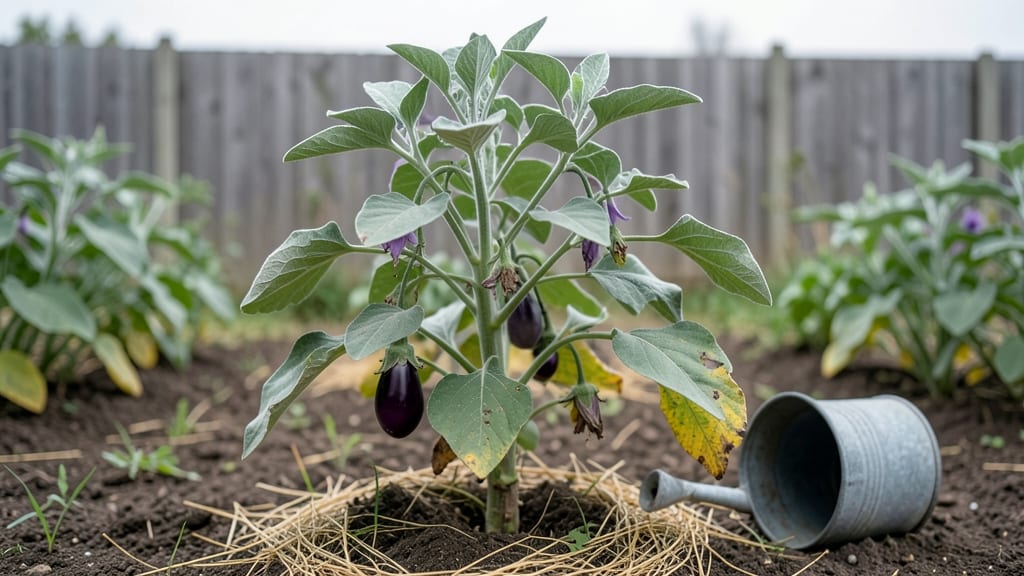
Here are eggplant garden tips that’ll turn your patch into a purple paradise—start with soil so rich and warm, it feels like summer all year. 🌱 until frost.
The key is mimicking their tropical roots while working with your climate, whether you’re in a hot summer zone or extending the season with containers.
You’ll need a spot with at least 6-8 hours of direct sun, a soil mix amended with compost (they’re heavy feeders), and a way to keep roots moist without drowning them.
Most gardeners overwater eggplants, which leads to blossom end rot—so aim for 1-1.5 inches of water per week, letting the top inch of soil dry between waterings. A mulch layer helps retain moisture and keeps roots cool, especially in peak summer heat.
By midseason, you’ll see those first egg-shaped fruits forming, and with proper pruning (removing suckers and lower leaves), you’ll maximize airflow and sun exposure. The real payoff?
Eggplants keep producing until frost—sometimes even longer if you bring them indoors briefly. My plants have given me harvests into October with just a little extra care.
This works for backyard gardens, raised beds, or even large containers—just adjust spacing (18-24 inches apart) to match your setup. The biggest mistake? Skipping the soil prep or waiting too late to transplant. Let’s get those plants thriving from seed to table.
📚 In This Guide
- What you need
- Instructions
- Tips and common mistakes
- Wrapping up and next steps
What you need
- ● Eggplant seeds or seedlings: Choose disease-resistant varieties like ‘Black Beauty’ or ‘Ichiban.’ Start seeds indoors 8–10 weeks before the last frost or buy healthy seedlings.
- ● Well-draining soil: A mix of 60% topsoil, 30% compost, and 10% perlite (for aeration). Eggplants love slightly acidic to neutral soil (pH 5.8–6.5).
- ○ Containers (optional but ideal): 5-gallon pots or larger (12" deep) for dwarf varieties; ensure drainage holes are present.
- ● Fertilizer: A balanced 10-10-10 or organic option like composted manure. Avoid high-nitrogen fertilizers—they promote leafy growth over fruit.
- ● Mulch: Straw or black plastic to retain moisture and suppress weeds.
- ● Garden trowel or transplanting spade
- ● Pruning shears (for shaping plants and removing suckers)
- ● Watering can or hose with a gentle spray nozzle
- ● Gloves (to protect from thorns on some varieties)
- ○ Stakes or cages (optional, for support if plants grow tall)
- ● Sunlight: Full sun (6–8+ hours daily). Eggplants are heat-lovers—ideal temps: 70–90°F.
- ● Water: Consistent moisture (1–2 inches per week). Drought stress leads to bitter fruit!
- ● Space: 18–24 inches apart in rows (36" between rows) for airflow.
Step-by-step eggplant cultivation for a bountiful harvest
Here’s how to grow robust eggplants that thrive from planting to harvest—no matter your climate.
🌱 Step 1: Start Seeds Indoors for a Head Start
Plant your eggplant seeds 6-8 weeks before your last frost date in 2-3 inch deep biodegradable pots filled with sterile seed-starting mix. Eggplants love warmth, so place them on a seedling heat mat set to 75-85°F—this speeds up germination to 5-10 days. I like to cover the pots with clear plastic wrap to trap moisture until sprouts appear.
Once seedlings emerge, remove the plastic and place them under grow lights (or a south-facing window) for 14-16 hours of light daily. Without enough light, seedlings stretch leggy and weak. You’ll know they’re getting enough when leaves stay dark green and compact instead of pale and spaced far apart.
☀️ Step 2: Transplant After Warm Soil Threatens Frost
Wait until soil temperatures reach 60°F and all frost risk has passed—eggplants cannot tolerate cold. Harden off seedlings by placing them outside in partial shade for 1-2 hours daily, gradually increasing time over 7-10 days. This toughens them up so they don’t shock when moved permanently.
Dig holes twice as wide as the root ball but no deeper—planting too deep encourages rot. Space plants 18-24 inches apart in rows 2-3 feet apart for airflow. Mix 1 cup of compost into the planting hole to give roots a nutrient boost right away.
💧 Step 3: Water Deeply and Mulch for Consistent Growth
Eggplants need 1-2 inches of water weekly, but deep watering (soaking the soil until it’s moist 12 inches down) prevents shallow roots. Water at the base in the morning to reduce disease risk—wet foliage in evening heat invites fungal issues. You’ll know moisture is right when the top inch of soil feels dry to the touch but deeper soil stays damp.
Apply a 2-3 inch layer of mulch (like straw or shredded leaves) around plants to retain moisture and keep soil cool. Mulch also blocks weeds, which compete for nutrients. I add a balanced fertilizer (like 10-10-10) every 3-4 weeks once flowers appear—this encourages both fruit production and strong vines.
✂️ Step 4: Prune and Support for Maximum Yield
Pinch off the first few flowers that appear—this redirects energy to stronger root and vine growth. Once plants are 2 feet tall, prune side shoots to focus energy on main stems and fruit. Use sturdy cages or stakes to support heavy eggplants, especially as they near harvest size.
Watch for yellowing leaves—this often signals overwatering or nutrient deficiency. If leaves curl or droop, check for aphids or spider mites on the undersides. A neem oil spray (mixed weekly) keeps pests away without harming pollinators. Harvest when eggplants are glossy, firm, and deep purple—they’ll ripen further off the vine.
🌿 Step 5: Extend the Season with Simple Tricks
For year-round growth, start a second batch of seeds 8 weeks after your first harvest and use row covers to protect tender plants in cooler months. In hot climates, shade cloth prevents sunscald on fruit. I also save seeds from my best plants—let eggplants fully ripen on the vine, scoop out seeds, rinse them, and dry them in the sun for next year’s crop.
Don’t toss old plants at season’s end! Cut back woody stems and compost them. The roots and remaining soil are packed with nutrients—just add fresh compost and a new batch of seeds in spring. With these tips, you’ll enjoy homegrown eggplants for months, not just a single summer harvest.
Tips & tricks for perfect eggplant cultivation
These simple tricks will help you avoid common pitfalls and maximize your eggplant harvest every season.
The Heat Factor: That 75-85°F heat mat temperature is non-negotiable for germination. I learned this the hard way after waiting two weeks for seeds that never sprouted—turns out my basement was only 68°F! Place your heat mat on a thermostat-controlled pad and verify the actual temperature with a small thermometer. For even faster results, try a seedling heat mat with a built-in thermostat that maintains exactly 80°F.
Timing Secret: The 14-16 hours of light is crucial for preventing leggy seedlings. I use a simple timer on my grow lights to automate this—no need to remember to turn them on/off. If you're using a south-facing window, rotate your pots daily so all sides get equal light exposure. You'll notice the difference when your seedlings stay compact and dark green rather than stretching toward one light source.
Transplanting Wisdom: When checking soil temperature at 60°F, use a good soil thermometer buried 4 inches deep—not just surface temperature. I've transplanted too early when surface soil was warm but deeper soil still held cold, which shocked my plants. Also, mark your transplant date on your calendar 7-10 days before the actual move—this gives you time to adjust your hardening schedule if weather changes.
Pest Prevention: That weekly neem oil spray is your best defense against aphids and spider mites, but timing matters. Apply it in the early morning when temperatures are cooler—this reduces stress on the plants. I mix my neem oil with a few drops of dish soap (not detergent) and a little water in a spray bottle. The soap helps the oil adhere to the leaves better, making it more effective. Start spraying at the first sign of pests, not when they're already established.
Pro Tips for Eggplant Garden Tips
- These simple tricks will help you avoid common pitfalls and maximize your eggplant harvest every season.
- The Heat Factor: That 75-85°F heat mat temperature is non-negotiable for germination.
- Timing Secret: The 14-16 hours of light is crucial for preventing leggy seedlings.
Frequently asked questions
Got questions about growing eggplants? You’re not alone! Here are answers to the most common ones—so you can grow like a pro.
When is the best time to plant eggplants?
Eggplants thrive in warm soil (at least 60°F). Start seeds indoors 8–10 weeks before the last frost, then transplant seedlings after all danger of frost has passed. In warmer climates, direct-sow seeds in early spring. For fall harvests, plant seeds 60–90 days before the first frost.
How do I keep my eggplants from turning bitter?
Bitter flavors often come from overripe or stressed plants. Harvest when firm and glossy (before seeds darken). Avoid overwatering—soil should stay consistently moist but not soggy. Too much nitrogen can also cause bitterness, so balance fertilizer with phosphorus and potassium.
What pests should I watch for, and how do I stop them?
Common pests include aphids, flea beetles, and spider mites. Use neem oil or insecticidal soap for mild infestations. Row covers deter flea beetles early on. For severe damage, handpick pests or introduce beneficial insects like ladybugs. Rotate crops yearly to break pest cycles.
How long does it take for eggplants to grow?
From seed to harvest, eggplants take 70–90 days, depending on the variety. Smaller varieties (like Fairy Tale) mature faster (60–70 days), while larger ones (like Black Beauty) may take up to 90 days. Check seed packets for exact timelines!
Can I grow eggplants in containers?
Choose a 5-gallon container or larger with drainage holes. Use a well-draining potting mix and place in full sun. Dwarf varieties (like Patio Baby) are ideal. Water consistently and fertilize every 2–3 weeks with a balanced fertilizer.
Pro Tip:
Struggling with slow growth? Eggplants are heavy feeders—side-dress with compost mid-season for a boost!
Wrapping up and next steps
Growing eggplants is a rewarding journey that blends patience, care, and a touch of creativity! With the right soil prep, sunlight, and pest management, you’ll enjoy a bountiful harvest all year long.
Whether you’re a beginner or a seasoned gardener, these tips will help you cultivate thriving plants that bring flavor—and pride—to your table.
Ready to take the next step? Start small—plant a few seeds or seedlings today—and watch your eggplant garden flourish! 🌱 Happy gardening!