
Advice
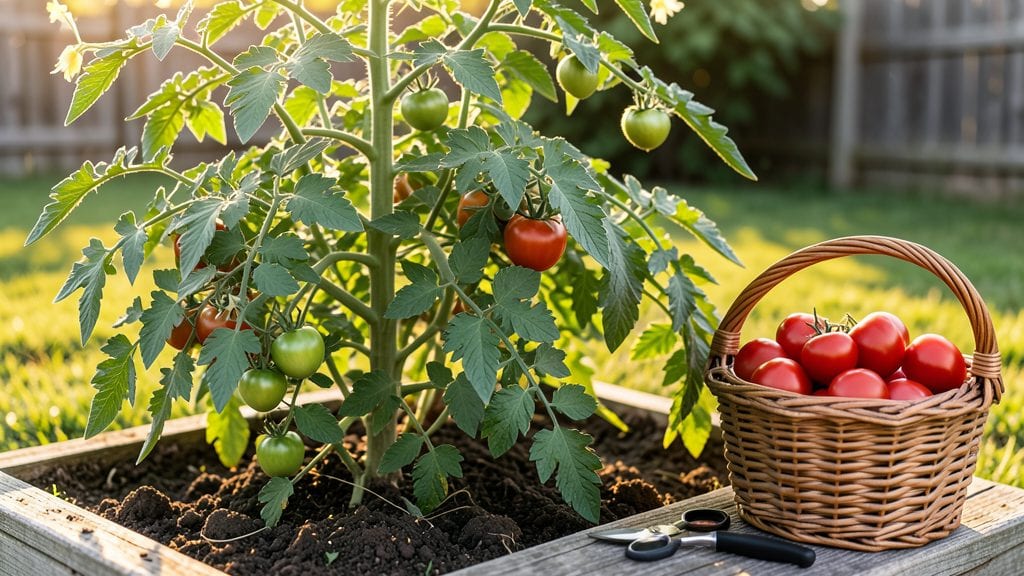
Grandpa’s gardening tips still grow the best tomatoes on the block. 🌱 Back in the '50s, he’d say, "Good soil is the secret—don’t skimp on the compost," and he was right. His method turned scraps into black gold, and his plants thrived without fancy fertilizers.
He’d start seeds in egg cartons, swear by rainwater for watering, and fix tools with duct tape and patience. These tricks aren’t just nostalgic—they’re practical, low-cost, and work for any green thumb. Let’s dig into the wisdom that’s kept gardens alive for generations.
📚 In This Guide
- What you need
- Instructions
- Tips and common mistakes
- Wrapping up and next steps
What you need
- ● Garden Soil: 10-20 bags of high-quality topsoil or potting mix (depending on plant type—vegetables need well-draining soil, while flowers may prefer richer blends).
- ● Seeds or Seedlings: Choose heirloom or disease-resistant varieties (e.g., tomatoes, beans, marigolds). Start with 5–10 seed packets or 6–12 seedlings for beginners.
- ● Watering Can or Hose: A 3–5 gallon watering can with a rose attachment (for gentle watering) or a soaker hose to save time.
- ● Hand Trowel: A sturdy, 6–8 inch stainless steel trowel for digging, planting, and weeding.
- ● Pruning Shears: Sharp, bypass pruners (for clean cuts) or felco pruners (for heavy-duty tasks).
- ● Garden Gloves: A pair of durable, breathable gloves (cotton or leather) to protect your hands from thorns and blisters.
- ● Mulch: Straw, wood chips, or shredded leaves (1–2 bags) to retain moisture and suppress weeds.
- ● Fertilizer: Organic compost (5–10 lbs) or a balanced 10-10-10 NPK fertilizer (follow package instructions).
- ● A wheelbarrow for hauling soil or compost.
- ● A garden fork for loosening soil or turning compost.
- ● Plant markers (sticks or labels) to track what’s growing where.
- ● A spray bottle for seedling care or organic pesticides (neem oil, etc.).
- ● Knee pads—because gardening is tough on the joints!
Grandpa’s Step-by-Step guide to plant care
Here’s how I’ve grown strong, healthy plants for decades—simple wisdom that works every season.
🌱 Step 1: Start With the Right Soil and Space
Good plants begin with good soil. I always mix equal parts garden soil and compost to give roots room to breathe and feed. If your soil is heavy clay or sandy, add a handful of peat moss or coconut coir to improve drainage. Spread a 2-inch layer of compost over the bed before planting—this feeds roots slowly over time.
Space matters just as much. Crowded plants fight for water and nutrients, leading to weak growth. I dig holes twice as wide as the root ball and just as deep. Loosen the sides of the hole with a fork so roots can spread easily. If you’re planting in rows, leave 18-24 inches between plants for most vegetables and herbs.
☀️ Step 2: Watch the Sun and Water Smart
Most plants tell you what they need—if they’re leaning toward the sun, they’re not getting enough. I always plant morning sun lovers (like lettuce) on the east side and full-sun plants (tomatoes, peppers) on the south or west side. If your garden gets afternoon shade, focus on shade-tolerant plants like spinach or Swiss chard.
Watering’s an art, not a science. I check soil moisture by sticking my finger 1 inch down—if it’s dry, it’s time to water. Deep watering once a week (early morning) beats daily shallow sprinkles. Mulch with 2-3 inches of straw or wood chips to keep moisture in and weeds out. You’ll know you’re doing it right when the soil stays evenly damp but never soggy.
✂️ Step 3: Prune and Feed Regularly
Deadheading spent blooms keeps flowers coming all season. Pinch off faded flowers with your fingers or clean shears—no need for fancy tools. For vegetables, I trim side shoots on tomatoes and suckers on peppers to focus energy on fruit production. Always cut just above a leaf node where new growth can sprout.
Feed plants mid-season with balanced fertilizer (10-10-10) or compost tea. I scatter granules around the base and water them in, but never let fertilizer touch leaves—it burns them like salt. Watch for yellowing leaves, which often mean it’s time for another feeding. Over-fertilizing is just as bad as neglecting—plants grow lush but weak.
🌿 Step 4: Protect Plants Without Chemicals
Bugs and disease are part of gardening, but prevention beats cure. I start by removing affected leaves immediately—don’t compost them, or you’ll spread the problem. For pests, I spray a mix of 1 tablespoon dish soap and 1 quart water on the undersides of leaves where bugs hide. Repeat every 3-5 days until pests vanish.
For tougher issues, I make a garlic spray by blending 2 chopped garlic cloves with 1 quart water, straining, and adding a drop of liquid soap. Spray at dusk to avoid harming bees. Healthy soil and plants are your best defense—if roots are strong, most pests won’t bother them.
⏰ Step 5: Know When to Harvest and Rest
Harvest when produce is firm and fully colored. Tomatoes should slip off the vine with a gentle tug, and peppers should be deep in hue. Cut stems with scissors to avoid damaging the plant. I pick early in the morning when flavors are peak and moisture is high—this keeps produce fresher longer.
Don’t let plants linger past their prime. When summer crops like beans or peas finish, pull them up and compost them. In fall, I mulch perennials with 4-6 inches of straw to protect roots through winter. The garden never truly sleeps—even in cold months, soil life stays active, ready for spring.
Tips & tricks for thriving plants with Grandpa's wisdom
These tried-and-true tricks will help you avoid common gardening pitfalls and grow plants that thrive all season long.
Soil Science Matters: When mixing equal parts garden soil and compost in Step 1, don't skimp on the compost. I've seen gardens fail when people use just 1 inch instead of the full 2-inch layer—this slow-release feeding is what builds strong roots over time. For containers, use a mix of 60% soil and 40% compost to prevent compaction.
Root Room Secret: The "twice as wide" hole rule in Step 1 might seem excessive, but it's worth it. Loosening the sides with a fork creates a root-friendly environment that encourages plants to spread naturally. For root vegetables like carrots, this means fewer forks needed at harvest time!
Watering Wisdom: That 1-inch soil moisture check in Step 2 is your best friend. I've learned the hard way that watering on a schedule—rather than by feel—leads to overwatering or underwatering. Early morning watering (before 10 AM) also prevents fungal diseases by letting foliage dry quickly. Consider investing in a moisture meter for $10—it's the most reliable way to track soil moisture.
Fertilizer Timing: The mid-season feeding in Step 3 is crucial, but timing matters. I apply my 10-10-10 fertilizer when plants show new growth after their initial flush. Too early, and you'll get lush leaves with no flowers or fruit. Too late, and you'll miss the growing season. A simple leaf test—pinch a leaf and check for vibrant green color—tells me when it's time to feed again.
Pro Tips for Grandpa'S Gardening Tips
- These tried-and-true tricks will help you avoid common gardening pitfalls and grow plants that thrive all season long.
- Soil Science Matters: When mixing equal parts garden soil and compost in Step 1, don't skimp on the compost.
- Root Room Secret: The "twice as wide" hole rule in Step 1 might seem excessive, but it's worth it.
Frequently asked questions
Got questions about putting Grandpa’s wisdom to work in your garden?
Here are answers to the most common ones—straight from the soil to your hands!
What’s the best time to start a garden based on Grandpa’s advice?
Grandpa always said, “Start small, start smart.” For most veggies, plant after the last frost (check your local frost date!). Leafy greens like lettuce can handle cooler temps, while tomatoes and peppers love warmth. If you’re unsure, test the soil—it should feel warm enough to hold a shovel blade upright without resistance. Pro tip: Use cloche tunnels or row covers to extend the season!
How often should I water my plants according to Grandpa’s rules?
Grandpa’s golden rule: “Water deeply but infrequently.” Most plants prefer 1 inch of water per week (rain or irrigation). Check soil moisture by sticking your finger 1–2 inches deep—if it’s dry, it’s time to water. Morning watering is best to reduce evaporation and fungal risks. Overwatering is worse than underwatering! Let the soil dry slightly between sessions for root health.
What’s Grandpa’s secret for keeping pests away naturally?
Grandpa swore by prevention over poison. Try these tricks:
- Companion planting: Pair tomatoes with basil or marigolds to repel bugs.
- Neem oil spray: Mix 1 tbsp neem oil + 1 tsp dish soap in 1 quart water. Spray foliage weekly.
- Handpick pests: Early morning is the best time to spot and remove squash bugs or cabbage worms.
- Diatomaceous earth: Sprinkle lightly around plants (reapply after rain).
Can I use Grandpa’s tips for container gardening?
Grandpa’s advice translates perfectly to pots. Key adjustments:
- Container size: Aim for at least 5 gallons per plant (bigger is better for roots).
- Drainage: Drill holes in the bottom and use well-draining soil (mix potting soil with perlite).
- Fertilizer: Feed every 2–3 weeks with a balanced liquid fertilizer (Grandpa’s trick: “Fish emulsion works wonders”).
- Sunlight: Place containers where they get 6+ hours of sun daily (rotate pots weekly for even growth).
What should I do if my plants look wilted or unhealthy?
Grandpa’s troubleshooting steps:
- Check the roots: Gently lift the plant. Dry, crumbly soil? Water deeply. Mushy roots? You’ve overwatered—let the soil dry out.
- Inspect leaves: Yellowing? Could be overwatering or nutrient deficiency. Brown edges? Underwatering or salt buildup (flush soil with water).
- Look for pests: Tiny holes, sticky residue, or chewed leaves? Act fast with neem oil or soapy water.
- Adjust sunlight: Too much sun causes scorching; too little leads to leggy growth. Move plants to a shadier spot if needed.
Wrapping up and next steps
From Grandpa’s timeless wisdom to practical techniques, these gardening tips prove that patience and passion grow the best harvests—literally! 🌱 Whether you’re a beginner or a seasoned green thumb, remember: soil health, seasonal timing, and a little love are the secrets to thriving plants.
Start small, stay consistent, and watch your garden (and confidence!) bloom.
Ready to dig in? Pick one tip from this guide and try it this week—your future plants (and Grandpa) will thank you! 🌿