
How To
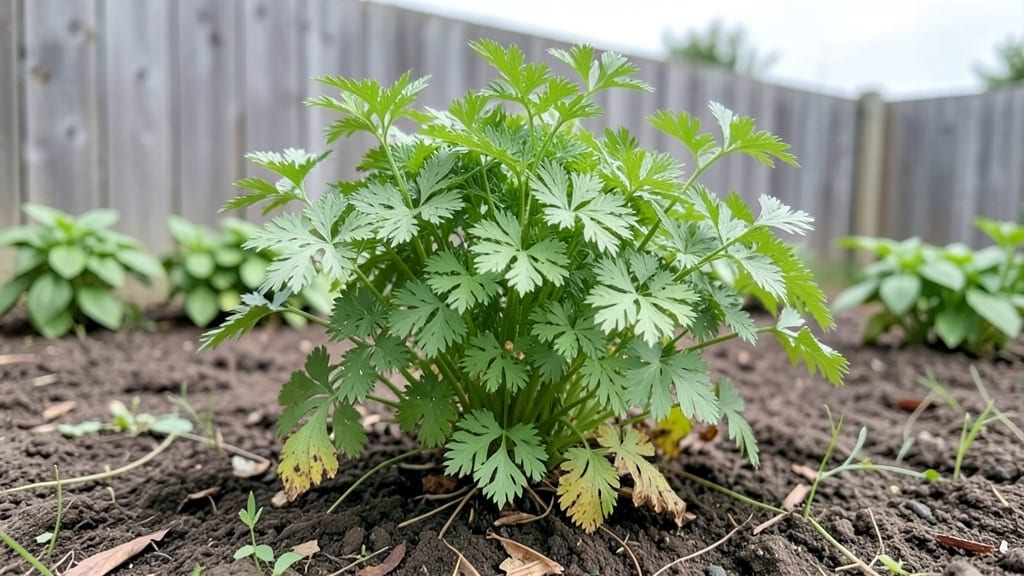
Master these cilantro gardening tips—growing this herb from seed to harvest without bolting feels like outsmarting Mother Nature, because it is. 🌱 I’ve battled its tendency to bolt for years, and the right soil, watering, and timing tricks finally gave me six months of fresh cilantro instead of two.
The secret isn’t complicated, but it does require paying attention to what cilantro actually needs, not what your neighbor swears by.
Start with well-draining soil rich in organic matter—cilantro hates soggy roots—and plant seeds ¼ inch deep, spaced 6 inches apart. Keep the soil consistently moist but never waterlogged, and give it partial shade in hot climates to prevent bolting.
Most gardeners overlook the fact that cilantro thrives in cooler weather, so if you’re in a warm zone, treat it like a spring/fall crop. Harvest leaves regularly to encourage bushier growth, and you’ll avoid the bitter, seed-heavy stalks that signal bolting.
📚 In This Guide
- What you need
- Instructions
- Tips and common mistakes
- Wrapping up and next steps
What you need
- ● Cilantro seeds: Choose organic, heirloom, or bolt-resistant varieties like 'Slow Bolt' or 'Calypso' (1 packet, ~500 seeds).
- ● Containers or garden bed: Containers: 6–12" deep pots with drainage holes (2–4 pots, depending on harvest size).
- ● Garden bed: Well-draining soil in a sunny spot (partial shade helps prevent bolting).
- ● Potting mix or soil: Lightweight, organic-rich mix (5–10 lbs). Avoid heavy clay soil.
- ● Watering can or hose with a gentle spray nozzle: Cilantro hates soggy roots!
- ○ Fertilizer (optional but helpful): Balanced liquid fertilizer (e.g., 10-10-10, diluted to half-strength).
- ● Compost or worm castings (1 cup per pot or sprinkle into soil).
- ● Hand trowel or small garden fork: For planting and soil prep.
- ○ Spray bottle (optional): Keeps seeds moist during germination.
- ● Pruning shears or scissors: For harvesting leaves without damaging the plant.
- ○ Shade cloth (optional): 30–50% coverage to protect from intense midday sun (especially in hot climates).
- ○ Grow lights (optional for indoors): LED or fluorescent bulbs (12–16 hours of light/day).
- ● Access to sunlight: 4–6 hours of partial sun (morning sun + afternoon shade works best).
- ● Consistent watering schedule: Keep soil evenly moist (not waterlogged).
- ● Patience for slow germination: Seeds may take 7–14 days to sprout!
- ● Cool-weather timing: Ideal temps: 50–75°F. Avoid planting when temps exceed 80°F.
Step-by-Step instructions for thriving cilantro without bolting
Here's the foolproof method I use to grow cilantro that stays lush and flavorful for months.
🌱 Step 1: Start Seeds Indoors for Early Control
Cilantro seeds germinate best at 65-75°F in 7-14 days. I sow seeds 4-6 weeks before the last frost date in 2-3 inch deep biodegradable pots using the seed-starting mix. Press seeds just below the surface—no need to bury them deep. Keep the soil consistently moist but never soggy; a spray bottle works best to avoid disturbing seeds.
Cover the pots with a clear plastic dome or wrap to retain humidity, which speeds germination. Place them in a warm, bright spot—under grow lights if natural light is insufficient. Once seedlings reach 2 inches tall with their first true leaves, thin to the strongest plant per pot. This early start gives you a head start on the heat that triggers bolting.
☀️ Step 2: Transition to Outdoor Conditions Gradually
When nighttime temperatures stay above 50°F, it's time to move cilantro outside. I begin by placing pots in a sheltered spot for 2-3 hours the first day, gradually increasing exposure over 7-10 days. This process, called hardening off, prepares plants for temperature swings and prevents shock.
Watch for signs of stress—wilting or yellowing leaves mean the transition is too fast. Once cilantro tolerates a full day outside without issues, transplant to the garden or larger containers. Space plants 6-8 inches apart in partial shade to full morning sun. Afternoon heat is the enemy of cilantro; it triggers bolting faster than anything else.
💧 Step 3: Master Watering and Soil Conditions
Cilantro thrives in consistently moist but well-drained soil. I water deeply every 2-3 days, checking the top inch of soil for dryness. Overwatering causes root rot, while underwatering leads to bitter leaves and early bolting. Use a drip irrigation system or water at the base of plants to keep foliage dry, which reduces disease risk.
Amend the soil with compost before planting to ensure nutrients are available. Cilantro is a heavy feeder, so I side-dress with a balanced fertilizer every 4-6 weeks during the growing season. Avoid high-nitrogen fertilizers, which promote leafy growth at the expense of flavor and encourage bolting.
✂️ Step 4: Harvest Strategically to Prolong Growth
Harvest cilantro by snipping individual leaves or stems with scissors rather than pulling entire plants. This encourages bushier growth and prevents the plant from sensing it's time to bolt. I harvest in the morning after dew has dried, when essential oils are at their peak concentration for flavor.
To extend the harvest season, I plant new seeds every 2-3 weeks throughout spring and fall. When summer heat arrives, I switch to growing cilantro in containers and move them to a shady spot or indoors near a bright window. This way, I always have fresh cilantro on hand, even when outdoor temperatures rise.
🌿 Step 5: Prevent Bolting with Smart Techniques
Bolting is cilantro's way of going to seed, and it's triggered by heat, drought, or long daylight hours. To delay bolting, I shade plants during the hottest part of the day using shade cloth. I also avoid letting the soil dry out completely between waterings. If you notice flower stalks forming, snip them immediately—they sap energy from leaf production.
Another trick? Plant cilantro near slower-growing companions like lettuce or bush beans. These plants provide shade and help maintain even soil moisture. If all else fails, save seeds from bolting plants for next season. Cilantro seeds are easy to collect and store, ensuring you'll always have fresh plants ready to grow.
Tips & tricks for perfect cilantro growth without bolting
These are the hard-won secrets that keep my cilantro thriving when others give up—no more bitter, bolted plants ruining your salsa!
Temperature Control: The 65-75°F range for germination is non-negotiable—cilantro seeds need this warmth to break dormancy. I use a seedling heat mat under my trays when my apartment runs cooler. If your home stays below 65°F, consider a small greenhouse or sunny windowsill with supplemental grow lights. Remember, those 7-14 days of germination can stretch to 3 weeks if conditions are too cool.
Hardening Off Strategy: That gradual 7-10 day transition in Step 2 is where most gardeners fail. Start with just 2-3 hours of sunlight on day one, then increase by 1 hour each day. I've seen cilantro shock and bolt when moved too quickly—it's worth the patience. Watch for wilting as your first warning sign that you're moving too fast. Pro tip: Place your hardening-off plants in dappled shade rather than full sun during this transition.
Watering Wisdom: The "every 2-3 days" rule is a guideline, not a strict schedule. Check the top inch of soil daily—if it's dry, water. If it's still moist, wait. I use a moisture meter for critical decisions, especially during summer when evaporation speeds up. The key is consistent moisture without waterlogging. For container growers, smaller pots dry out faster, so you might need daily checks. Overwatering is just as deadly as underwatering for cilantro.
Bolting Prevention: That shade cloth in Step 5 isn't just decorative—it's your cilantro's lifeline during summer. I use 30-50% shade cloth depending on how intense your afternoon sun is. Another trick I've found effective is to harvest cilantro in the late afternoon rather than morning. The cooler evening temperatures help delay bolting signals. And yes, those flower stalks? Snip them immediately—they're energy vampires for your leaves.
Pro Tips for Cilantro Gardening Tips
- These are the hard-won secrets that keep my cilantro thriving when others give up—no more bitter, bolted plants ruining your salsa!
- Temperature Control: The 65-75°F range for germination is non-negotiable—cilantro seeds need this warmth to break dormancy.
- Hardening Off Strategy: That gradual 7-10 day transition in Step 2 is where most gardeners fail.
Frequently asked questions
Got questions about growing cilantro like a pro? Here are some of the most common ones—and their easy solutions!
How do I prevent cilantro from bolting (going to seed) early?
Cilantro bolts due to heat or long daylight. To delay it, plant in partial shade (especially in summer) and choose heat-tolerant varieties like 'Santo' or 'Calypso'. Succession plant every 2–3 weeks for a continuous harvest. Pro tip: Keep soil consistently moist—dry spells trigger bolting!
When is the best time to harvest cilantro?
Harvest cilantro when plants are 6–8 inches tall, typically 3–4 weeks after sowing. Snip leaves with clean scissors, leaving the lower stems intact for regrowth. For maximum flavor, avoid cutting more than ⅓ of the plant at once. Bonus: Harvest in the morning for the freshest taste!
Can I grow cilantro indoors or in containers?
Use a 6-inch-deep container with well-draining soil and place it near a sunny window (south-facing is ideal). A grow light (12–14 hours/day) works wonders if natural light is limited. Just ensure pots have drainage holes to prevent root rot. Container hack: Mix in compost for nutrient-rich soil!
Common pests include aphids, spider mites, and cabbage worms. Treat mild infestations with neem oil or insecticidal soap. For diseases, avoid overwatering to prevent fungal issues like downy mildew. Rotate crops yearly to minimize soil-borne problems. Prevention tip: Mulch around plants to deter pests naturally! If your cilantro turns bitter or bolts, try these swaps:
For a cilantro-like flavor, blend 1 part parsley + 1 part basil with a pinch of lime zest. What pests or diseases should I watch for in cilantro?
What can I substitute if my cilantro bolts or dies?
Wrapping up and next steps
Growing cilantro year-round is totally doable with the right cilantro gardening tips—whether you’re avoiding bolting, extending harvests, or experimenting with container setups! 🌱 From choosing the perfect spot to mastering succession planting, these strategies ensure fresh, flavorful cilantro whenever you need it.
Remember, patience and consistency are key, but the rewards—like homegrown garnishes for your favorite dishes—are worth every effort.
Ready to take the next step? Start small—plant a few pots or a dedicated patch—and watch your confidence (and harvests!) grow. Happy gardening! 🌿