
Tools
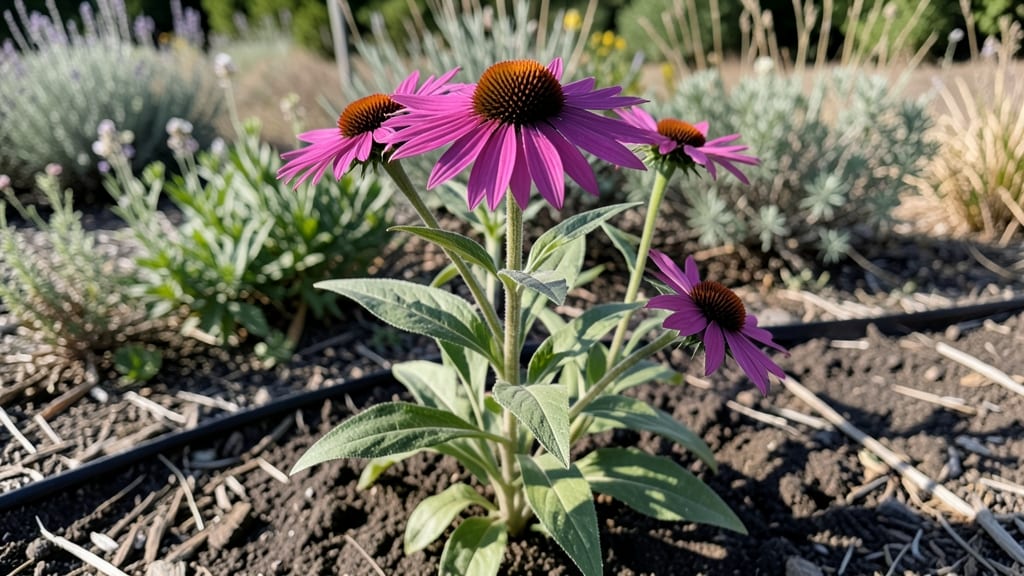
Echinacea thrives in gardens where it returns every year with bold, daisy-like blooms that butterflies can't resist. 🌸 I planted mine in a sunny border three years ago, and now it spreads reliably without any fuss—just cut back the old stems and watch it come back stronger.
The key is well-draining soil and full sun, but even my lazy watering habits haven't stopped it from flowering from early summer until frost.
You'll need a spot with at least 6 hours of sunlight daily and soil that drains well—echinacea hates soggy roots. Most garden centers sell young plants, but you can also grow them from seed, though they take longer to establish.
Once planted, they're practically maintenance-free, making them perfect for busy gardeners who still want color and pollinators.
The payoff comes in late summer when your garden turns into a butterfly magnet. The blooms stay vibrant for weeks, and the plants grow taller each year, creating a stunning vertical display. Even better, they're deer-resistant and drought-tolerant once established, so you won't need to babysit them.
Works beautifully in borders, cottage gardens, or even containers—just make sure they have room to spread. Here's how to get started without overcomplicating it.
📚 In This Guide
- What you need
- Instructions
- Tips and common mistakes
- Wrapping up and next steps
What you need
- ● Echinacea plants: 3–5 Echinacea purpurea (purple coneflower) plants (or other varieties like E. paradoxa or E. atrorubens) for a full, natural look.
- ● Seeds (if starting from scratch): 1–2 packets (each packet typically contains 50–100 seeds).
- ● Soil: Well-draining, slightly acidic to neutral soil (pH 6.0–7.0). Amend heavy clay with compost (1–2 inches mixed into the top 6–12 inches of soil).
- ● Sunlight: A full-sun spot (6+ hours of direct sunlight daily). Partial shade (4–6 hours) works for cooler climates.
- ● Watering tools: Garden hose with a soaker hose or drip irrigation (to keep roots moist without overwatering).
- ● Watering can (for seedlings or small pots).
- ○ Fertilizer: Balanced, slow-release fertilizer (10-10-10 or 5-10-10 NPK ratio) or compost tea (optional but helpful for nutrient boost).
- ● Mulch: 2–3 inches of organic mulch (straw, shredded leaves, or wood chips) to retain moisture and suppress weeds.
- ● Stakes or cages: For tall varieties (like E. paradoxa), lightweight bamboo stakes or flower cages (4–6 feet tall) to support blooms.
- ● Pruners: Bypass pruners (for deadheading spent blooms or shaping plants in early spring).
- ● Garden gloves: To protect hands while handling soil or thorny stems.
- ● Plant markers: Labels or stakes to track varieties (especially useful if testing multiple echinacea types!).
Step-by-Step guide to planting echinacea for long-lasting color
Here's how to establish this tough, cheerful perennial that thrives in almost any garden spot.
🌱 Step 1: Choose the Perfect Planting Spot
Echinacea loves full sun—at least 6 hours daily—but tolerates morning sun with afternoon shade in hot climates. I always pick a spot with good air circulation to prevent fungal diseases. The soil should drain well, but echinacea handles poor soil better than most perennials.
Test your spot by digging a 6-inch hole. If water pools instead of draining within 15 minutes, amend with 2 inches of compost or plant in a raised bed. Echinacea roots run deep, so avoid areas where water collects after rain.
🪴 Step 2: Prepare the Soil and Plant
Loosen the soil in your chosen area to a depth of 12 inches using a garden fork. Mix in 2-3 inches of compost to improve fertility without making the soil too rich—echinacea blooms best in leaner conditions. Avoid fresh manure, which can burn roots.
Dig a hole twice as wide as the root ball but only as deep as the container height. Gently remove the plant from its pot and tease apart any circling roots. Place it in the hole so the top of the root ball sits just below soil level. Backfill with native soil, pressing lightly to eliminate air pockets.
💧 Step 3: Water Deeply and Mulch
Water immediately after planting to settle the soil around roots. Give 1 gallon per plant—enough to soak the root zone 12 inches deep. You'll see water pooling at the surface until the soil absorbs it completely.
Spread 2-3 inches of mulch around each plant, keeping it 3 inches away from stems to prevent rot. I use shredded bark or straw because it breaks down slowly and improves soil structure over time. This mulch layer keeps roots cool in summer and insulated in winter.
☀️ Step 4: Maintain for First-Year Growth
Water 1-2 times per week during the first growing season, giving 1 gallon per plant each time. You'll know it's enough when water drains through to 6 inches deep. After the first year, echinacea establishes deep roots and needs little supplemental water.
Fertilize lightly in spring with a 10-10-10 balanced fertilizer at half strength. Too much nitrogen produces lush foliage but fewer blooms. Deadhead spent flowers by pinching off the entire blooming stem 2 inches below the flower head to encourage more blooms.
⏰ Step 5: Winter Care for Next Year's Blooms
Echinacea is cold-hardy but benefits from a 3-inch mulch layer in winter. Apply it after the first hard frost to protect roots. In spring, remove mulch when new growth appears—usually by late March or early April in most climates.
Watch for powdery mildew on leaves in humid summers. Improve airflow by spacing plants 18-24 inches apart and watering in the morning. If mildew appears, spray with a 1:1 water-vinegar solution or neem oil. Healthy plants develop strong stems that support those iconic daisy-like blooms all season.
Tips & tricks for perfect echinacea planting
These simple strategies will help your echinacea thrive and deliver those stunning blooms year after year.
The Sunlight Secret: While echinacea loves full sun, I've found that in hot climates, morning sun with afternoon shade prevents leaf scorch while still ensuring vibrant blooms. If you're unsure about your spot, test it for a week first—if leaves wilt by midday, it's too harsh. The 6 hours of sun minimum is non-negotiable for those iconic purple cones!
Soil Test Tip: That 15-minute drainage test in Step 1 is crucial—if water pools longer, you're risking root rot. I've seen echinacea plants fail spectacularly in heavy clay because of this. For tough spots, consider raised beds or containers with drainage holes. Remember, these plants handle poor soil better than most, but they still need to dry out between waterings.
Planting Depth Trick: When placing your echinacea, the top of the root ball should sit just below soil level—this prevents stem rot while allowing roots to establish properly. I always use my finger to press soil around the roots, eliminating air pockets that could cause wilting. Don't bury too deep, though—this can suffocate the plant.
Mulch Magic: The 2-3 inch mulch layer in Step 3 does more than just suppress weeds. It creates a microclimate that keeps roots cool in summer and insulated in winter. I've noticed my plants bloom 2-3 weeks earlier in spring when I use straw mulch because it breaks down slowly and retains moisture. Just remember to keep it 3 inches away from stems to prevent rot.
Pro Tips for Echinacea In Garden
- These simple strategies will help your echinacea thrive and deliver those stunning blooms year after year.
- The Sunlight Secret: While echinacea loves full sun, I've found that in hot climates, morning sun with afternoon shade prevents leaf scorch while still ensuring vibrant blooms.
- Soil Test Tip: That 15-minute drainage test in Step 1 is crucial—if water pools longer, you're risking root rot.
Frequently asked questions
Got questions about growing Echinacea in your garden? You’re not alone!
Here are answers to the most common queries to help you cultivate this stunning perennial with confidence.
When is the best time to plant echinacea?
Plant echinacea in early spring or early fall for optimal root establishment. Avoid extreme heat—spring planting lets roots grow before summer stress, while fall planting gives them time to settle before winter. If transplanting, water thoroughly after planting to reduce shock.
Is echinacea really cold-hardy? How do I protect it in winter?
Yes! Most echinacea varieties thrive in USDA Zones 3–9 and tolerate winter well. For extra protection in harsh climates, mulch the base with 2–3 inches of organic matter (like straw or shredded leaves) after the ground freezes. Avoid heavy mulching too early—it can trap moisture and cause rot.
Why isn’t my echinacea blooming?
Common culprits include overcrowding (divide clumps every 3–4 years), poor soil (amend with compost for drainage), or excessive fertilizer (too much nitrogen = fewer flowers). Deadhead spent blooms to encourage reblooming, and ensure they get full sun (6+ hours/day) for vibrant flowers.
What pests or diseases should I watch for?
Echinacea is generally low-maintenance, but keep an eye out for aphids (spray with water or neem oil) and powdery mildew (improve airflow, avoid overhead watering). Japanese beetles may munch on petals—handpick them or use floating row covers. Healthy plants rarely need treatment!
Can I grow echinacea in containers? What’s the best setup?
Choose a container at least 12–18 inches wide/deep with drainage holes. Use a well-draining potting mix (add perlite or sand) and place in full sun. Water regularly—containers dry out faster than garden beds. Dwarf varieties like ‘White Lustre’ work best for pots.
Wrapping up and next steps
Adding echinacea to your garden is a fantastic way to enjoy vibrant blooms, support pollinators, and boost your landscape’s resilience—all while keeping maintenance simple! This cold-hardy perennial thrives with minimal fuss, making it a must-have for both beginners and seasoned gardeners.
Whether you’re drawn to its striking purple cones or its medicinal benefits, echinacea brings beauty and practicality to any outdoor space.
Ready to transform your garden? Start by selecting the right variety for your climate, then plant with confidence—your future blooms will thank you! 🌸 For extra inspiration, explore companion plants or creative container ideas to elevate your echinacea display even further.