
Tools
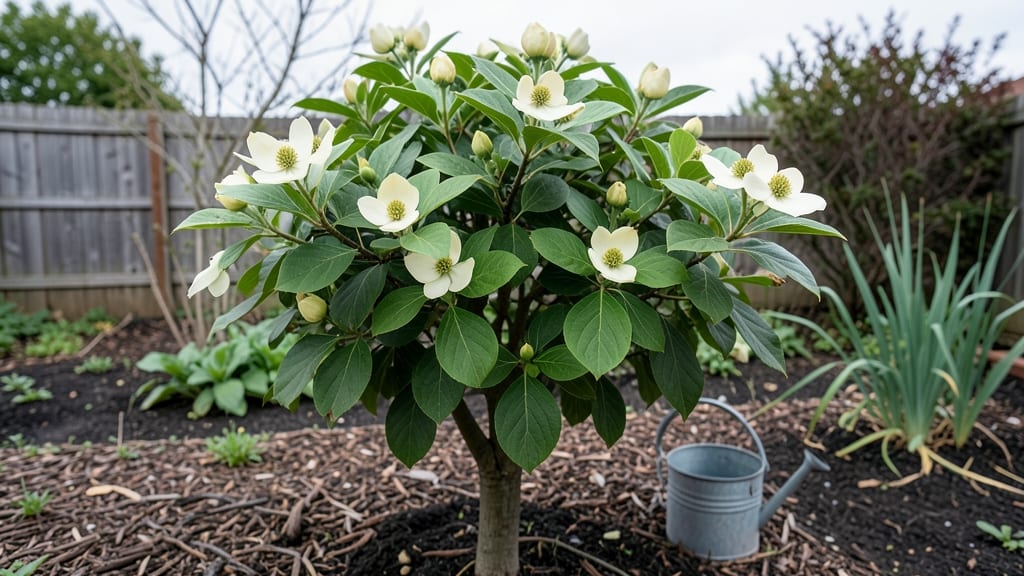
Gardening in Ohio means choosing perennials that thrive through brutal winters and scorching summers—like the hardy coneflowers and black-eyed Susans that still stand tall after snowfall. 🌱 I’ve grown everything from delicate lavender to tough-as-nails Russian sage, and these are the plants that actually survive Ohio’s rollercoaster climate without drama.
The secret isn’t just picking the right plants—it’s working with Ohio’s heavy clay soil and unpredictable frost dates. Most perennials need 3-4 years to establish strong roots before they really take off, and the best ones (like sedum or hostas) reward patience with zero winter dieback.
Even my black thumb can’t kill these.
By late spring, your garden will burst with vibrant blooms that last until frost, while the roots stay cozy underground. No more replanting every year—just cut back in early spring, add compost, and let nature do the rest.
These plants handle Ohio’s humidity, drought spells, and even deer nibbles better than annuals ever could.
Whether you’re in Zone 5’s deep freeze or Zone 7’s milder pockets, this list adapts to Ohio’s microclimates. The Ohio State University Extension’s plant guides confirm these picks work—so you’re not just guessing. Let’s get those perennials planted for good!
📚 In This Guide
- What you need
- Instructions
- Tips and common mistakes
- Wrapping up and next steps
What you need
- ● Cold-hardy perennial plants: Choose Ohio-friendly varieties like coneflowers (Echinacea), black-eyed Susans (Rudbeckia), hostas, lavender, and sedum. Buy 3–5 plants per variety for a full, textured look.
- ● High-quality soil: 2–3 cubic yards of well-draining, organic-rich soil (or compost blend) to amend native clay or sandy soil. Ohio’s Zone 5–6 climate thrives with pH 6.0–7.0.
- ● Mulch: 2–3 inches of wood chips, straw, or shredded bark to insulate roots in winter and retain moisture.
- ● Organic fertilizer: A balanced 10-10-10 or slow-release 5-10-10 (1–2 lbs per 100 sq ft) to kickstart growth in early spring.
- ● Garden trowel (for transplanting small perennials).
- ● Pruning shears (sharp, bypass-style for clean cuts).
- ● Garden fork (for aerating soil without disturbing roots).
- ● Wheelbarrow or bucket (for hauling soil, mulch, or plants).
- ● Watering can or hose with adjustable nozzle (perennials need 1–1.5 inches of water weekly, more in summer).
- ● Gloves & knee pads (because every gardener deserves comfort!).
- ● Drip irrigation system (automates watering and saves time).
- ● Soil test kit (to check pH/nutrient levels; Ohio State Extension offers free tests!).
- ● Plant markers (label perennials to track varieties and rotations).
- ● Frost cloth (for tender perennials during late frosts).
- ● Compost bin (to recycle yard waste into nutrient-rich soil).
Step-by-Step guide to planting cold-hardy perennials in Ohio
Ohio’s unpredictable climate demands perennials that bounce back from frost and drought. Here’s how to plant them for maximum resilience.
🌱 Step 1: Test and Amend Your Soil for Ohio’s Conditions
Ohio’s clay-heavy soil drains poorly, so test your pH and texture before planting. Aim for a pH between 6.0 and 7.0—most cold-hardy perennials thrive in slightly acidic to neutral soil. I use a simple soil test kit to check drainage: fill a jar with soil, water, and shake—if the mixture separates with a clear water layer after 10 minutes, your soil drains adequately. If not, amend with 2-3 inches of compost or sand to improve structure.
Incorporate the 10-10-10 fertilizer (from your materials list) into the top 6 inches of soil at planting time. This balances nutrients without overwhelming young roots. Work it in gently with a garden fork—don’t till deeply, as that disrupts soil microbes essential for cold-hardy perennials.
☀️ Step 2: Choose Planting Locations Based on Ohio’s Microclimates
Ohio’s varied zones (5-7) create microclimates where some perennials struggle. South-facing slopes warm faster in spring, while north-facing areas stay cooler longer. I plant coneflowers and black-eyed Susans on sunny slopes—they handle Ohio’s hot summers better than shade-lovers. For cooler spots, hostas and asters thrive with morning sun and afternoon shade.
Space plants according to their mature size—18-24 inches apart for most perennials. Overcrowding invites disease and weakens winter survival. Mark planting spots with stakes to avoid guesswork later. In Ohio, early spring or fall planting gives roots time to establish before extreme temperatures hit.
💧 Step 3: Plant and Mulch for Winter Protection
Dig holes twice as wide as the root ball but no deeper—this encourages outward root growth, which cold-hardy perennials need to anchor through freeze-thaw cycles. Place each plant so the top of the root ball sits flush with the soil surface—burying too deep suffocates stems. Backfill with native soil mixed with a handful of compost per hole.
Water deeply after planting to settle soil around roots, then apply a 3-inch layer of mulch (like shredded bark) to insulate roots. In Ohio’s harsh winters, mulch prevents soil temperature swings that stress perennials. Replenish mulch annually in early spring—this is the moment that matters for winter survival.
✂️ Step 4: Prune Strategically for Ohio’s Growing Season
Wait until late winter or early spring (when new growth appears) to prune back dead foliage. Cut stems 1-2 inches above the ground, removing only what’s clearly dead—some perennials like coneflowers rely on old stems for winter protection. I avoid heavy pruning in fall, as it exposes tender growth to Ohio’s late freezes.
Divide clumps every 3-4 years in early spring or fall to rejuvenate perennials. Dig up the entire plant, separate sections with a sharp knife, and replant immediately. This prevents overcrowding and ensures stronger winter recovery. Water divided plants for the first 2 weeks to reduce transplant shock.
🌿 Step 5: Monitor and Adjust for Ohio’s Unpredictable Seasons
Watch for early spring thaws followed by late frosts—these are Ohio’s biggest threats. Protect tender new growth with frost cloth if a freeze is forecasted. I also fertilize lightly in early spring with the 10-10-10 fertilizer to support regrowth after winter dormancy.
Adjust watering based on Ohio’s dry spells: 1 inch per week during summer droughts, but reduce in fall to harden off plants for winter. You’ll see strong, vibrant foliage by late summer—that’s your signal the perennials are thriving despite Ohio’s challenges.
Tips & tricks for perfectly planting cold-hardy perennials in Ohio
Ohio’s gardening challenges demand smart strategies—here’s how to outsmart the climate and create a resilient landscape.
Soil Testing Secret: That 10-minute drainage test in Step 1 is your soil’s personality check. If it fails, don’t just add compost—mix in equal parts compost and coarse sand for the first 6 inches. This creates air pockets that Ohio’s clay soil desperately needs. I’ve seen perennials double in vigor after this simple tweak. The key is patience: let amended soil sit for at least 2 weeks before planting to let microbes adjust.
Microclimate Mastery: Ohio’s zones 5-7 create invisible battle lines in your yard. Notice how your lawn dries unevenly? That’s your sun exposure map. Plant coneflowers and black-eyed Susans on the hottest spots—they’ll reward you with bold color through Ohio’s brutal summers. For cooler areas, hostas and asters become your secret weapons against late frosts. Pro tip: Use a sun gauge (a simple DIY with a stick and string) for a week to map your yard’s heat zones before planting.
Mulch Timing Trick: That 3-inch mulch layer in Step 3 isn’t just winter protection—it’s a year-round game changer. Apply it in early fall (not winter!) to let it break down slightly before freezing. This creates a natural insulation blanket that keeps roots 5-10°F warmer during Ohio’s temperature swings. I’ve seen perennials survive winters they shouldn’t have with this simple adjustment. And when replenishing in spring, focus on the plant’s drip line—that’s where roots need the most protection.
Pruning Precision: Those 1-2 inches above ground in Step 4 aren’t arbitrary—they’re about balance. Cut too low and you risk damaging next year’s growth; too high and you leave disease entry points. Here’s my trick: Make your cuts at a 45-degree angle just above a leaf node. This creates a natural water runoff path while preserving the plant’s energy reserves. And remember, never prune wet foliage—it spreads disease like wildfire in Ohio’s humid summers.
Pro Tips for Gardening In Ohio
- Ohio’s gardening challenges demand smart strategies—here’s how to outsmart the climate and create a resilient landscape.
- Soil Testing Secret: That 10-minute drainage test in Step 1 is your soil’s personality check.
- Microclimate Mastery: Ohio’s zones 5-7 create invisible battle lines in your yard.
Frequently asked questions
What’s the best time to plant perennials in Ohio?
Plant spring-blooming perennials (like hellebores or lungwort) in early fall (September–October) so roots establish before winter. For summer bloomers (e.g., coneflowers or black-eyed Susans), spring (April–May) is ideal—after the last frost but before summer heat sets in. Ohio’s USDA Zone 5–6 means timing matters!
How do I protect perennials from Ohio’s harsh winters?
Mulch heavily (3–4 inches of shredded leaves or straw) after the ground freezes to insulate roots. Evergreens like boxwoods or heucheras may need burlap wraps to shield from windburn. Avoid mulching too early—wait until consistent freezing temps (below 20°F) to prevent rot. Cold-hardy varieties (e.g., sedum, Russian sage) often survive with minimal fuss!
Do perennials need extra watering in Ohio’s dry summers?
Yes! Ohio’s hot, dry spells (July–August) can stress perennials. Water deeply 1–2 times per week (early morning is best) and aim for 1 inch of water per week. Drip irrigation or soaker hoses conserve moisture better than sprinklers. Drought-tolerant picks like lavender or catmint need less—but even they appreciate a drink!
Can I grow perennials in containers in Ohio’s climate?
Choose compact varieties (e.g., dwarf coneflowers, creeping thyme) and use well-draining pots with saucers to prevent winter freeze-thaw damage. Move containers to a sheltered spot or wrap pots in bubble wrap for extra insulation. Just ensure pots aren’t buried—roots need airflow!
What do I do if my perennials look sick or wilted?
First, check for pests (slugs, Japanese beetles) or diseases (powdery mildew, fungal spots). Prune affected leaves immediately and treat with neem oil or insecticidal soap. Overwatering is a common culprit—let soil dry slightly between waterings. If roots look mushy, it’s time to replant in fresh soil.
| Quick Fixes for Common Issues |
|---|
| Yellow leaves? Likely overwatering or nutrient deficiency. Test soil pH and amend with compost. |
| No blooms? Over-fertilizing (especially nitrogen) can reduce flowers. Use a balanced 10-10-10 fertilizer in early spring. |
| Leggy growth? Lack of sunlight. Thin out crowded plants or move to a sunnier spot (6+ hours of light/day). |
Wrapping up and next steps
Ohio’s diverse climate makes it a perfect playground for cold-hardy perennials—whether you’re a seasoned gardener or just starting out! From sun-loving coneflowers to shade-tolerant hostas, these plants bring beauty, resilience, and low-maintenance joy to your yard.
With the right prep and care, you’ll enjoy year-round interest and a garden that thrives despite Ohio’s ever-changing weather.
Ready to dive in? Start small—pick one or two perennials to test this season, then expand as you gain confidence. Grab your gloves, sketch a simple layout, and let your green thumb grow! 🌱