
Advice
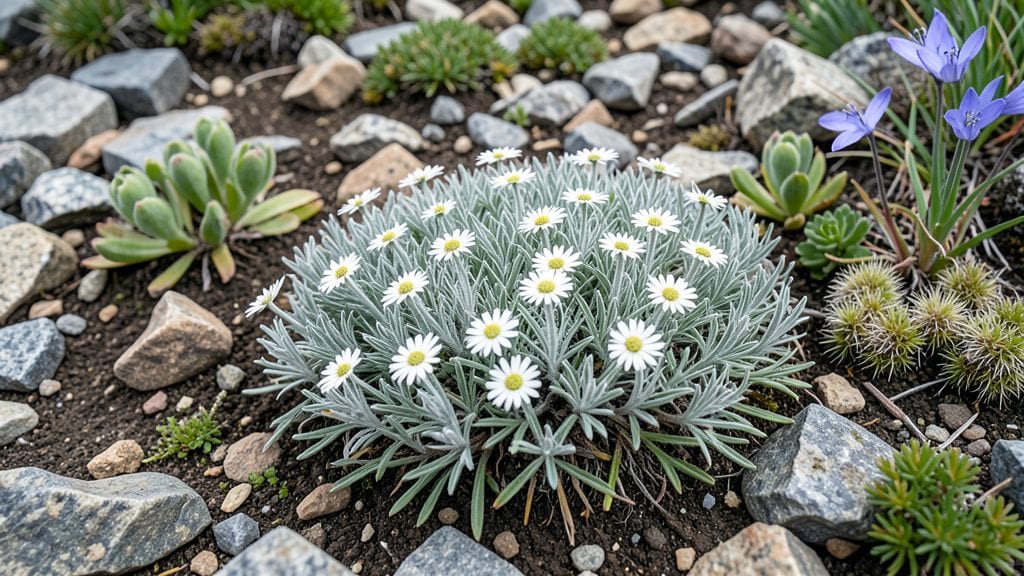
High-altitude gardening above 5,000 feet isn’t just possible—it’s a game-changer for mountain gardeners. ✨ The right cold-hardy crops actually thrive where lowland plants struggle, and I've learned which ones produce best when nights dip below freezing.
My first attempt with regular tomatoes ended in frost damage, but hardy varieties like Cherokee Purple and Colorado State 147 now give me full-sized fruit even in June.
Altitude gardening demands a different approach: heavier mulch to insulate roots, windbreaks to protect tender shoots, and a focus on crops that mature quickly before the first frost.
I swear by 3-4 inches of straw mulch in early spring, which keeps soil temperatures stable and cuts down on watering by half. The key is treating your garden like a microclimate—some spots stay warmer longer, while others get hit with late frosts.
A simple minimum thermometer placed near plants will reveal the real conditions your garden faces.
You'll end up with harvests that outperform anything from the grocery store—think crisp, sweet potatoes, robust kale that survives winter, and flowers like alpine columbines that bloom twice as long. The secret isn't fighting the altitude; it's working with it by choosing plants bred for these conditions.
My 20-foot raised bed** now produces more in a 90-day season than my lowland neighbors do in six months.
Works for backyard plots, high-desert farms, or even balcony gardens in mountain towns. The same principles apply whether you're at 5,000 feet or 10,000—just adjust the timing and varieties to match your exact elevation. Here's how to make it work without the guesswork."
📚 In This Guide
- What you need
- Instructions
- Tips and common mistakes
- Wrapping up and next steps
What you need
- ● Cold-hardy seeds: Choose varieties like kale, potatoes, carrots, radishes, spinach, and hardy herbs (e.g., thyme, oregano). Opt for heirloom or cold-resistant hybrids (e.g., Potato ‘Yukon Gold’, Carrot ‘Nantes’). Quantity: 2–3x more than low-altitude gardens (thinner germination!).
- ● Soil amendments: Compost (2–3 cubic yards per 100 sq ft) – Boosts fertility and water retention.
- ● Peat moss or coconut coir (1–2 bags per 100 sq ft) – Improves drainage in rocky soil.
- ● Lime (5–10 lbs per 100 sq ft) – Adjusts pH if soil is acidic (common in high altitudes).
- ● Mulch: Straw, wood chips, or black plastic mulch (3–4 inches thick). Why? Insulates roots, retains moisture, and suppresses weeds.
- ● Cold frames or row covers: Frost blankets, hoop tunnels, or mini greenhouses (cover at least 50% of beds).
- ● Drip irrigation or soaker hoses: Must-have! High-altitude soil drains fast. Pressure regulator (if using city water) to prevent hose damage.
- ● Garden gloves, trowel, pruners, and a broadfork (for aerating dense soil).
- ● Soil thermometer – Monitor when to plant (soil should be 40–50°F for cool crops).
- ● Seedling heat mat – Jumpstart germination in chilly springs.
- ● Windbreaks – Burlap screens, straw bales, or evergreen hedges to shield tender seedlings.
- ● pH test kit – High-altitude soil can be finicky; aim for 6.0–7.0.
- ● Organic fertilizer (e.g., fish emulsion, compost tea) – High altitudes deplete nutrients faster.
Step-by-Step guide to selecting and cultivating cold-hardy crops above 5,000 feet
High-altitude gardening demands a strategic approach—here’s how to choose and grow resilient plants that flourish where others fail.
🌱 Step 1: Choose the Right Cold-Hardy Varieties for Your Elevation
Above 5,000 feet, traditional garden crops often struggle with shorter growing seasons and cooler temperatures. Opt for cold-tolerant varieties like hardy kale, Swiss chard, or cold-resistant lettuce—these thrive in temperatures as low as 25°F without bolting. Check seed packets for USDA Hardiness Zone 3-4 labels, as these are bred to withstand frost and shorter daylight hours.
For root vegetables, beets, carrots, and parsnips are excellent choices—they mature slowly and tolerate light frosts. Avoid heat-loving crops like tomatoes or peppers unless you extend the season with row covers. I always cross-reference my local Cooperative Extension Service for altitude-specific recommendations, as microclimates vary even within the same elevation.
☀️ Step 2: Extend the Growing Season with Strategic Planting
High-altitude gardens benefit from early spring and late fall planting to maximize the short growing window. Start cool-season crops like spinach and peas in late summer so they mature before winter sets in. Use black plastic mulch (if available) to warm the soil 5-10°F faster in spring, giving seeds a head start.
For warm-season crops, plant after the last frost date—but don’t wait too long. I’ve found that direct-sowing beans and squash in mid-May (instead of starting indoors) often yields better results, as seedlings avoid transplant shock in cool, thin mountain air. Always monitor soil temperature with a soil thermometer—50°F is the minimum for most warm-season crops to germinate.
💧 Step 3: Adjust Watering for Thinner Mountain Air
High-altitude soil drains faster due to lower air pressure, so water deeply but less frequently. I aim for 1-1.5 inches of water per week, delivered in the early morning to reduce evaporation. Use drip irrigation or soaker hoses to keep moisture at the roots—overhead watering wastes precious water in dry mountain climates.
Mulch heavily with straw or wood chips to retain moisture and regulate soil temperature. A 3-inch layer suppresses weeds, reduces water loss, and protects shallow roots from temperature swings. Watch for wilting in the late afternoon—a sign the soil is drier than it appears, as the thinner air accelerates evaporation.
✂️ Step 4: Protect Plants from Late Frosts and Wind
Mountain gardens face unpredictable late frosts, even in summer. Use floating row covers or cloches to shield tender crops like broccoli and cabbage until temperatures stabilize above 40°F at night. I’ve saved entire plantings by covering them just before sunset—the extra insulation makes all the difference.
Wind is another challenge above 5,000 feet, so stake or cage tall plants like peas and pole beans to prevent breakage. For loose-leaf crops, plant in low mounds to create windbreaks. If strong gusts are forecast, tie plants to stakes or use windbreaks made from burlap or plastic mesh on the garden’s exposed side.
🌿 Step 5: Fertilize for Nutrient-Dense Soil in Thin Air
High-altitude soils often lack organic matter, so amend with compost or well-rotted manure before planting. I mix 2-3 inches of compost into the top 6 inches of soil in early spring to boost fertility. For a quick nutrient boost, use a balanced organic fertilizer (5-5-5) at planting time, then side-dress with fish emulsion when flowers appear—this encourages strong root development in nutrient-poor conditions.
Avoid over-fertilizing, as excess nitrogen can lead to weak stems that snap in wind. Instead, focus on slow-release organics like alfalfa meal for nitrogen and kelp meal for micronutrients. Test soil pH annually—most high-altitude gardens benefit from a slightly acidic to neutral range (6.0-7.0) for optimal nutrient uptake.
Tips & tricks for thriving high-altitude gardens
Mastering gardening above 5,000 feet isn't just about planting—it's about working with altitude's unique challenges. Here's how to turn those thin-air obstacles into your garden's greatest strengths.
Cold-Tolerance Strategy: When selecting seeds in Step 1, prioritize varieties labeled for USDA Zones 3-4—they're specifically bred to handle your region's 25°F minimum temperatures. I've found that 'Winterbor' kale and 'Bright Lights' Swiss chard consistently outperform commercial varieties, even when other greens bolt. For root crops, look for 'Detroit Dark Red' beets—they develop sweetness even in cooler soils, making them perfect for your elevation.
Soil Temperature Secrets: The 50°F soil temperature threshold in Step 2 is non-negotiable for warm-season crops, but don't panic if your thermometer shows lower temps. Black plastic mulch can raise soil temperatures by 5-10°F—lay it down 2-3 weeks before planting to create a warm microclimate. I've seen this technique extend the growing season by 3-4 weeks in my mountain garden, allowing me to plant beans and squash earlier than the official last frost date.
Wind Protection Hacks: For Step 4's wind challenges, consider creating a "living windbreak" using fast-growing crops like sunflowers or corn planted on the garden's exposed side. Their height and density provide natural protection without blocking sunlight. I've also had success with DIY windbreaks made from straw bales—stack them in a staggered pattern to create a porous barrier that reduces wind speed while allowing airflow.
Fertility Fine-Tuning: In Step 5, that 2-3 inches of compost recommendation is your foundation, but don't stop there. For nutrient-dense soil, I layer 1 inch of compost every season, working it into the top 6 inches annually. This gradual approach prevents nutrient spikes that can lead to weak stems in windy conditions. For micronutrients, a sprinkle of granite meal (available at garden centers) can provide essential minerals that thin mountain soils often lack.
Pro Tips for High Altitude Gardening
- Mastering gardening above 5,000 feet isn't just about planting—it's about working with altitude's unique challenges.
- Cold-Tolerance Strategy: When selecting seeds in Step 1, prioritize varieties labeled for USDA Zones 3-4—they're specifically bred to handle your region's 25°F minimum temperatures.
- Soil Temperature Secrets: The 50°F soil temperature threshold in Step 2 is non-negotiable for warm-season crops, but don't panic if your thermometer shows lower temps.
Frequently asked questions
Got questions about high-altitude gardening? You’re not alone!
Here are answers to the most common concerns—plus a few surprises—so you can grow confidently above 5,000 feet.
How do I adjust planting times for high-altitude growing seasons?
Plant after the last frost (usually late May or June), but start seeds indoors 6–8 weeks earlier. Cold-hardy crops like potatoes and kale can go in the ground sooner—even in early spring. Use a frost calculator for your exact elevation to fine-tune timing.
What are the best soil amendments for thin, high-altitude soil?
Boost organic matter with compost, aged manure, or peat moss to improve water retention. Add perlite or vermiculite for drainage, and consider mycorrhizal fungi to help roots absorb nutrients in rocky soil. Test your soil’s pH (aim for 6.0–7.0) and adjust with lime or sulfur if needed.
How do I protect plants from late-season frosts?
Use row covers, cold frames, or cloches to shield tender crops. Mulch heavily with straw or leaves to insulate roots. Choose late-blooming varieties (like ‘Colorado’ potatoes) or opt for biennial crops (e.g., carrots) that mature slowly. Monitor forecasts and be ready to act fast!
Can I grow vegetables above 8,000 feet? What changes?
Yes! Focus on extreme-altitude crops like quinoa, hardy greens (spinach, arugula), and dwarf varieties of peas. Expect shorter growing seasons—prioritize fast-maturing varieties and extend the season with greenhouses or hoop tunnels. Soil nutrients may be scarcer, so fertilize regularly.
What if my high-altitude garden fails? Troubleshooting tips?
Stunted growth?
Check for poor drainage, nutrient deficiencies (add compost/fertilizer), or pests (like cutworms).
Blossoms but no fruit?
Thin plants for airflow or hand-pollinate (e.g., squash).
Wilting leaves?
Overwatering is common—high-altitude soil drains fast. Water deeply but less frequently.
No germination?
Test seed viability or try soaking seeds overnight before planting.
Keep a garden journal to track patterns and adjust next year!
Wrapping up and next steps
High-altitude gardening is a rewarding challenge that turns your chilly, thin-air landscape into a thriving oasis—and you’ve got all the tools to succeed! 🌱 From selecting cold-hardy crops to mastering soil prep and microclimates, every step brings you closer to a bountiful harvest.
Start small, experiment with varieties, and let your passion grow alongside your plants.
Ready to take the next step? Pick one cold-resistant crop from this guide, sketch a simple garden layout, and get your hands dirty this season! Your future harvest—and your neighbors’ green envy—are waiting. 🌟