
Pests
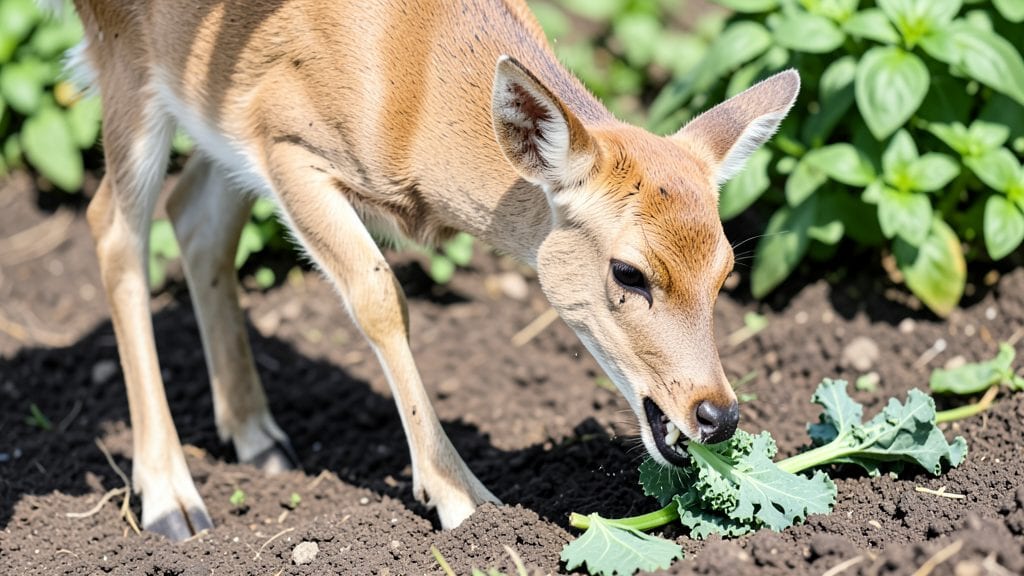
When deer eating your garden feels like a losing battle, the right barriers can turn the tide without harming wildlife. 🌿 I’ve lost entire plantings to these graceful but hungry visitors—until I discovered methods that actually work, from tall fencing to clever plant pairings that deer avoid.
The key is combining physical barriers with natural deterrents. Eight-foot fencing is the gold standard, but even lower barriers can work if paired with repellents or companion plants like daffodils and lavender. Deer learn to skip areas where they’ve been disappointed before.
You’ll see results fast—within a week, deer will start avoiding treated areas. The best part? These methods protect your garden without trapping or harming animals. Plus, you’ll reclaim space for the plants you actually want to grow.
Works in suburban backyards, rural acreages, and even urban gardens. Let’s stop the browsing for good—without the guilt.
What Draws Deer To Gardens
Deer aren’t just wandering into your garden by accident—they’re following a mix of natural instincts, environmental cues, and even your own landscaping choices. Understanding these triggers is the first step to keeping your plants safe. Here’s why deer turn your garden into their all-you-can-eat buffet:
Deer are selective browsers, not mindless munchers. They target plants that are:
- Nutrient-rich: Young, tender shoots (like hostas, daylilies, and lettuce) are packed with proteins and sugars, making them irresistible. Pro tip: Deer avoid woody stems—so mature plants with thick bark are less appealing.
- High in moisture: Succulents like kale, cabbage, and clover retain water, signaling to deer that they’re fresh and hydrating. 📊 See a chart of deer’s top 10 garden favorites.
- Fragrant or aromatic: Herbs like mint, basil, and parsley release volatile compounds that deer associate with food. Fun fact: Deer have a Jacobson’s organ (a "smell-vision" sensor) that detects scents even humans can’t.
Actionable fix: Replace high-value plants with deer-resistant alternatives like lamium, heuchera, or Russian sage, which contain compounds (like tannins or alkaloids) that deer dislike.
In suburban and rural areas, deer face far fewer threats than in the wild.
Without wolves, bears, or mountain lions to keep them cautious, they wander freely—especially at dawn, dusk, and night when they’re most active. Did you know? Deer rely on peripheral vision to spot predators, so they often ignore stationary objects (like fences) until it’s too late.
Actionable fix:
- Use motion-activated sprinklers (like ScareCrow) to mimic predator movement.
- Install reflective tape or old CDs on fences to create flashes of light that disrupt their vision.
When humans clear forests, build neighborhoods, and plant monoculture gardens, deer lose their natural food sources—and your yard becomes the next best option. Here’s how development changes their behavior:
| Human Activity | Deer’s Response |
|---|---|
| Deforestation | Deer seek out edge habitats (where forests meet open fields)—your garden’s edge is prime real estate. |
| Lawns and turf grass | Deer evolved to eat grasses and forbs; a well-manicured lawn is like a fast-food drive-thru to them. |
| Artificial lighting | Streetlights and porch lights reduce their nighttime caution, making them bolder during feeding. |
Actionable fix: Restore natural barriers by planting dense shrubs (like barberry or hazelnut) around garden edges. Deer avoid thorny or prickly plants because they’re hard to eat quickly.
Deer don’t raid gardens out of spite—they’re following their biological clock. Their eating habits shift with:
- Spring: After winter, they’re protein-starved and target young shoots (like tulips or ferns).
- Fall: They bulk up for winter by gorging on fruits, berries, and acorns—your apple tree is a deer’s all-you-can-eat salad bar.
- Winter: Snow covers natural food, forcing them to dig through mulch or bark for hidden roots and bulbs.
Actionable fix:
- In spring, cover vulnerable plants with floating row covers.
- In fall, remove fallen fruit from trees and rake up leaf litter to deny them easy snacks.
- In winter, apply deer-repellent granules (like Liquid Fence) to snow-covered areas.
Once deer discover a low-risk garden, they return again and again. If they find:
- No physical barriers (like fences or hedges).
- No deterrents (like motion-activated alarms or predator smells).
- Plenty of untouched food (because you haven’t noticed the damage yet).
They’ll treat your yard like a 24/7 buffet. Science note: Deer have excellent spatial memory—they remember safe feeding spots for years.
Actionable fix: Combine multiple deterrents (e.g., fencing + repellents + plant selection) to create an "unwelcome" zone. Deer are more likely to leave if every visit feels like a hassle.
Stop Deer Damage Naturally
Deer may love your garden as much as you do—but their appetites can turn your hard work into a buffet. The good news? You don’t need harsh chemicals or expensive fences to keep them away.
With the right mix of humane deterrents, smart landscaping, and proactive prevention, you can protect your plants while keeping the deer safe and sound. Below, we’ve matched common causes of deer garden raids to effective, easy-to-implement solutions—plus tips to keep them from returning.
Cause: Deer target young shoots, seedlings, and soft-stemmed plants like hostas, daylilies, and lettuce—especially in early spring when fresh growth is abundant.
Fix:
- 🔥 Plant Deer-Resistant Alternatives – Swap vulnerable plants for tougher varieties like lavender, Russian sage, peonies, or marigolds. Deer usually avoid strong scents and fuzzy or prickly foliage.
- 🍳 Use Repellent Sprays – Mix rotten eggs, garlic, or hot pepper spray (1 tbsp cayenne + 1 quart water + a drop of dish soap). Reapply after rain.
- 👨🍳 Create a "Deer Distraction Zone" – Plant a sacrificial garden (like clover or corn) a few feet from your main garden to lure them away.
💡 Pro Tip: Deer have sensitive noses—reapply sprays every 3–5 days or after heavy rain for best results.
Cause: Mature deer (especially bucks) may not eat everything but will trample beds, strip bark, or gnaw on tree saplings for salt or minerals.
Fix:
- 🥘 Install Flexible Tree Guards – Wrap young trees in wire mesh or plastic tree tubes to protect bark. Secure with cable ties to prevent rubbing.
- 🔪 Use Motion-Activated Deterrents – Solar-powered sprinklers (like ScareCrow) spray water when deer approach—startling them without harm.
- 🌡️ Add Mineral Blocks – Place deer mineral licks (salt blocks) in a separate area to give them an alternative food source.
✨ Bonus: Hang old CDs or aluminum pie pans from strings—they reflect sunlight and create unpredictable movement, scaring deer away.
Cause: Nocturnal browsing is common, especially in suburban areas where deer feel safe after dark.
Fix:
- 🎯 Light Up the Garden – Motion-sensor lights (like those for security) can startle deer. Even a bright porch light may deter them.
- 🔪 Build a Low, Temporary Fence – A 5–6 ft tall fence (even chicken wire) works, but for nighttime raids, a removable electric tape fence (low voltage, humane) can be effective.
- 🌡️ Use Strong Scents – Predator urine (coyote or wolf) or human hair (from a wig or hair clippings) placed in mesh bags around the garden mimics danger signals.
💡 Pro Tip: Deer are less likely to return if they associate your garden with discomfort—combine light, scent, and sound for maximum effect.
To keep deer from making your garden their personal salad bar, layer multiple strategies:
- 🌿 Plant in Clusters – Deer are less likely to nibble if they see dense, mature plants first.
- 🌡️ Rotate Repellents – Deer get used to scents, so switch between sprays, sounds, and physical barriers seasonally.
- 🔪 Keep the Area Tidy – Remove fallen fruit, overripe veggies, and standing water (which attracts deer).
- 🎯 Involve the Neighborhood – If deer are a community issue, coordinate with neighbors to plant repellent borders along property lines.
Final Thought: The key is consistency and variety—deer are smart, so mixing up your defenses keeps them guessing. With these humane, practical solutions**, you can enjoy your garden without turning it into a deer café! 🌱🦌🚫
Frequently asked questions
What are the most effective natural repellents to keep deer away?
Try garlic, hot pepper, or rotten egg sprays—mix 1 tablespoon cayenne pepper with 1 quart water and a drop of dish soap. Reapply every 3-5 days or after rain. Deer also dislike predator urine (coyote or wolf) or even human hair placed in mesh bags around your garden.
Will a short fence actually work against deer?
No—deer can easily jump 6-8 feet! For best results, use an 8-foot tall fence with outward-facing spikes at the top. If fencing isn’t an option, try electric tape fences (low voltage) or chicken wire wrapped around vulnerable plants. A 5-foot fence works only if buried 12 inches deep to prevent digging.
Can I plant anything deer will ignore completely?
Yes! Deer usually avoid lavender, Russian sage, peonies, marigolds, and daffodils—their strong scents and fuzzy textures make them unappealing. For veggies, try onions, garlic, and chives, which deer dislike. Even thorny plants like barberry or roses act as natural barriers.
Why do deer suddenly stop eating my garden after a few weeks?
Deer learn quickly! If they encounter unpleasant tastes, sounds, or scents repeatedly, they’ll associate your garden with discomfort. Rotate methods—switch between repellent sprays, motion-activated sprinklers, and predator scents—to keep them guessing. Once they find a better buffet elsewhere, they’ll move on.
Are there any DIY tricks that actually work?
Hang old CDs or aluminum pie pans from strings—they create unpredictable movement that startles deer. You can also plant clover or corn in a sacrificial patch to lure them away from prized plants. Even wind chimes or solar-powered lights can deter nighttime browsing.