
Fertilization
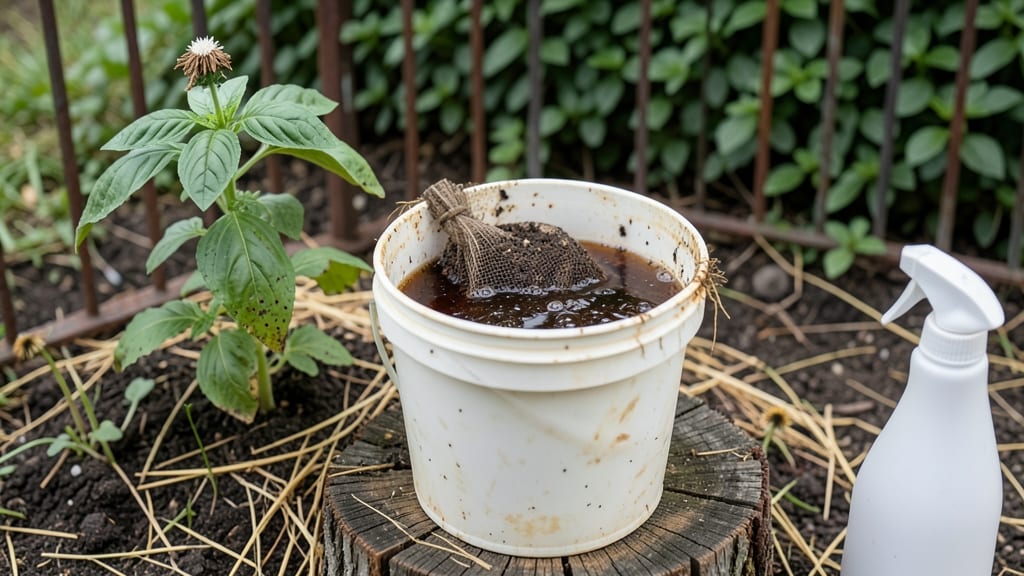
Compost tea for garden boosts plant health by providing concentrated beneficial microbes, nutrients, and enzymes when brewed correctly. Use aerobic methods for safety, apply as a foliar spray or soil drench, and avoid overuse to prevent imbalance.
This nutrient-rich liquid fertilizer works like a microbial powerhouse, delivering trillions of helpful bacteria and fungi directly to your plants' roots or leaves. 🌱 The key lies in proper brewing—anaerobic methods can produce harmful pathogens, while aerobic brewing creates a safe, balanced solution.
Think of it as a probiotic shot for your garden, but with the right balance to avoid overstimulating your plants.
For best results, I recommend using it as a foliar spray in the early morning or a soil drench after watering. A 1:10 dilution ratio works well for most plants, but always test a small area first. Too much can actually stress your plants, so consistency matters more than quantity.
💡 In This Article
- Aerobic vs Anaerobic Compost Tea Brewing Science
- Best Ways to Apply Garden Compost Tea
Aerobic vs anaerobic compost tea brewing science
Here's what's actually happening at the microbial level: aerobic compost tea brewing relies on constant oxygen circulation to cultivate beneficial bacteria and fungi. Without oxygen, anaerobic brewing creates an environment where harmful pathogens like E. coli and Salmonella can thrive, while beneficial microbes struggle to multiply.
The key factor is oxygen availability—good aeration maintains a balanced microbial community, similar to how humans need oxygen to function optimally. 🔥
In aerobic systems, beneficial microbes like Pseudomonas fluorescens and Bacillus subtilis dominate, reaching populations of 100 million to 1 billion colony-forming units per milliliter. These bacteria produce enzymes that break down organic matter into plant-available nutrients.
The pH typically stays between 6.5 and 7.5, creating an ideal environment for beneficial microbes. Anaerobic brewing, however, often results in pH drops below 5.0, favoring harmful microbes that can damage plant roots.
What most people don't realize is that temperature also plays a critical role in microbial growth. Aerobic systems maintain temperatures between 60-75°F, while anaerobic brewing can reach 90°F or higher, creating conditions that favor pathogen growth.
The science behind this involves microbial competition—beneficial microbes need oxygen to outcompete pathogens, similar to how aerobic exercise helps humans maintain health. 💫
Practical implications for gardeners are significant: aerobic tea provides immediate benefits like improved nutrient uptake and disease resistance, while anaerobic tea may introduce harmful microbes that weaken plants. The difference is like comparing a probiotic supplement to a spoiled food source—one nurtures health, while the other creates imbalance.
Always use an air pump and diffuser for aerobic brewing to ensure proper oxygenation.
Consider these key factors when choosing your brewing method:
- Safety: Aerobic tea is 90% safer for plants due to reduced pathogen levels
- Effectiveness: Aerobic tea provides 3-5x more beneficial microbes than anaerobic
- Stability: Aerobic tea maintains balanced pH for up to 7 days when stored properly
- Cost: Aerobic systems require initial investment in pumps but save money long-term
The microbial diversity in aerobic tea is staggering—think of it as a thriving ecosystem in a bucket. Proper aeration supports 100+ beneficial microbial species, each playing a role in nutrient cycling and plant protection.
This diversity is what gives aerobic compost tea its superior performance compared to anaerobic methods, which often produce a microbial monoculture dominated by harmful species. ✨
Remember this rule of thumb: if your brewing solution smells foul or has visible mold, it's anaerobic and should be discarded. Always monitor your tea's appearance—good aerobic tea should look like diluted milk, while anaerobic tea often appears cloudy or discolored.
The right brewing method transforms your compost into a powerful plant health booster. 🌱