
Tools
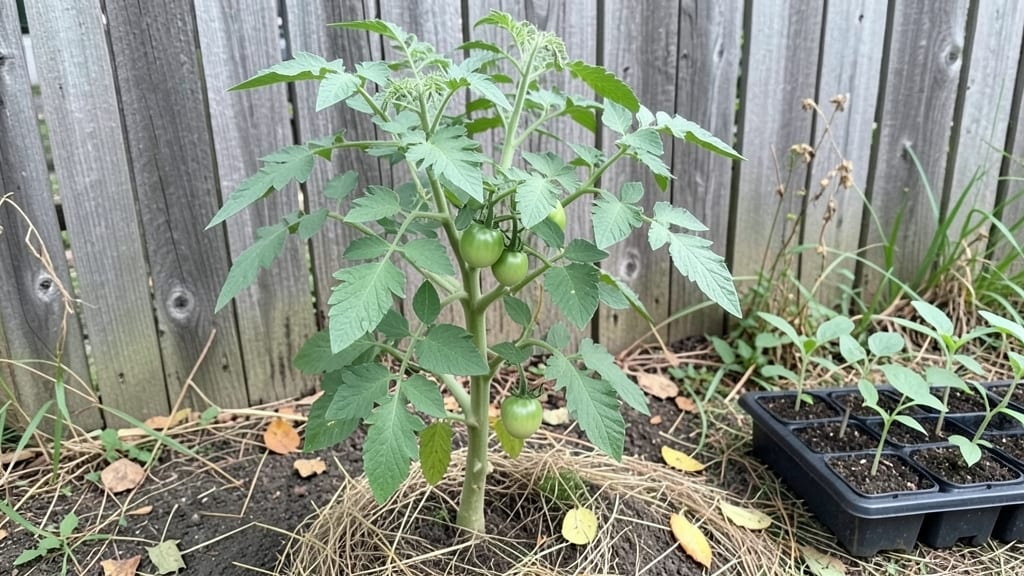
The best time to garden isn't just one season—it's a rhythm between sunlight, soil warmth, and what you're actually planting.
I used to think spring was the only time to dig in, but after years of trial and error, I’ve learned that each season has its own prime window for different tasks.
The key is matching the job to the conditions, whether that’s cool mornings for seed starting or long summer days for harvesting.
Spring gets all the glory, but fall is where I’ve seen the most dramatic results for soil prep and planting cool-season crops. When temperatures dip to 50-60°F at night, lettuce, spinach, and carrots thrive while weeds stay dormant.
Meanwhile, summer’s heat is perfect for mulching and pruning—just avoid heavy work when the sun beats down like a 100°F oven. Even winter has its moments, like harvesting evergreens or planning next year’s layout.
You’ll end up with a garden that feels like it’s always in sync with nature—less stress, more productivity. The soil stays loose, plants grow stronger, and you’ll actually enjoy being outside instead of fighting the elements. Think of it as gardening by the calendar, not the clock.
Works for every climate zone, from mild coastal areas to harsh winters. The secret is paying attention to your local microclimate and adjusting the timing just a little each year. Here’s how to dial it in for your specific growing conditions.
📚 In This Guide
- What you need
- Instructions
- Tips and common mistakes
- Wrapping up and next steps
What you need
- ● Gardening Gloves (1-2 pairs): Choose breathable, durable gloves (e.g., leather or synthetic blend) to protect your hands from thorns, dirt, and blisters.
- ● Hand Trowel (1): A sturdy, ergonomic trowel (5-7 inches long) for digging, planting, and transplanting small plants.
- ● Pruners (1 pair): Sharp, bypass pruners (for clean cuts) or anvil pruners (for thicker branches) to trim plants and shape shrubs.
- ● Watering Can or Hose (1): A 1-2 gallon watering can with a rose attachment or a lightweight hose with adjustable spray settings.
- ● Soil or Potting Mix (5-10 bags, depending on garden size): High-quality, well-draining soil (e.g., Miracle-Gro or FoxFarm) or compost for nutrient-rich planting.
- ● Seeds or Seedlings (quantity varies): Choose disease-resistant varieties suited to your climate and sunlight conditions.
- ● Mulch (1-2 bags): Organic mulch (e.g., shredded bark or straw) to retain moisture and suppress weeds.
- ○ Fertilizer (optional but recommended): Slow-release granular fertilizer or organic options like compost tea or worm castings.
- ● Knee Pads or Stool: For comfort during long gardening sessions.
- ● Garden Fork (1): For aerating soil or turning compost.
- ● Wheelbarrow (1): For hauling soil, mulch, or tools.
- ● Soil pH Tester (1): To check and adjust soil acidity (ideal range: 6.0-7.0 for most plants).
- ● Plant Labels (50+): Biodegradable labels to track seedlings and plants.
- ● Sunscreen & Hat: Protect yourself from prolonged sun exposure while working outdoors.
Instructions for maximizing your garden's potential year-round
Timing is everything in gardening—here’s how to align your work with nature’s rhythm.
Plan Around Your Local Frost Dates
Start by marking your last spring frost date and first fall frost date on the calendar. These dates determine when to plant cool-season crops like lettuce or peas—4-6 weeks before last frost—and when to harvest warm-season crops like tomatoes before the first chill. I always check my local extension service for precise dates, as they vary by 5-10 days even between nearby regions.
For container gardens, you can extend the season by 2-4 weeks in both directions using row covers or cold frames. Watch for morning frost warnings—if frost is forecast, cover tender plants before sunset the night before. This small adjustment can mean the difference between a thriving garden and a wiped-out one.
Work with the Soil’s Natural Cycle
Soil warms up gradually, and planting too early in cold ground stunts root growth. Stick your finger 2 inches deep into the soil—if it feels cool to the touch, wait. Ideal planting temperatures vary by crop: warm-season plants like beans need soil at 60°F or warmer, while cool-season crops like spinach thrive in 40-50°F soil.
I test soil temperature with a simple soil thermometer—it’s a game-changer. If you’re planting in spring, aim for 55°F or above for most vegetables. In fall, focus on crops that tolerate cooler soil, like kale or carrots, which can handle 45°F. Waiting for the right temperature ensures strong, healthy roots from day one.
Align Planting with Moisture Patterns
Rainfall patterns dictate when to prep beds and when to water. If your area gets heavy spring rains, wait until the ground dries out before planting—muddy soil smothers roots. I dig a small hole, fill it with water, and wait 30 minutes—if it drains quickly, the soil’s ready. If water pools, hold off for another week.
In drought-prone areas, plant deep-rooted crops like dill or parsley during the cooler months when moisture lingers longer. For summer planting, choose drought-tolerant varieties like zucchini or okra, which thrive with 1-2 inches of water per week. Always water early in the morning to reduce evaporation and fungal risks.
Time Tasks by Plant Growth Phases
Prune spring-flowering shrubs like lilacs right after they bloom—this encourages next year’s flowers. For summer-blooming plants like roses, prune in early spring before new growth starts. I mark my calendar with three key phases: dormant season (pruning, soil prep), active growth (fertilizing, weeding), and harvest season (picking, dividing plants).
If you’re growing annuals, start seeds 6-8 weeks before last frost indoors for warm-season crops. For cool-season crops, sow directly outside 2-3 weeks before last frost. Watch for first true leaves—this is your cue to thin seedlings if they’re crowded. Timing tasks this way keeps your garden productive without overwhelming you.
Adjust for Seasonal Light Changes
Daylight length shifts dramatically—14+ hours of sun in summer vs. 10 hours or less in winter. Use this to your advantage: long-day plants like lettuce bolt in heat, so grow them in spring or fall. Short-day plants like chrysanthemums need 12 hours or less of light to flower, so plant them in late summer. I use a sunlight tracker to monitor hours and adjust plant placement accordingly.
In winter, focus on low-light crops like spinach or radishes, which tolerate shorter days. For container gardens, move pots closer to south-facing windows or supplement with grow lights if needed. The key is matching plant needs to the natural light available—this prevents frustration and wasted effort.
Tips & tricks for perfect year-round gardening timing
Mastering the best time to garden transforms a guesswork hobby into a thriving, predictable harvest. These insider tricks will help you avoid common pitfalls and maximize your garden's potential every season.
Frost Date Flexibility: While the instructions recommend planting cool-season crops 4-6 weeks before last frost, don't be rigid about this window. In regions with unpredictable weather, consider planting hardy varieties like kale or Swiss chard 3 weeks before—they'll survive light frosts and give you an early harvest. For container gardens, those extra 2-4 weeks from row covers become even more valuable, potentially adding 6-8 weeks to your growing season when used both spring and fall.
Soil Temperature Secrets: That 55°F soil temperature target isn't just a number—it's the sweet spot where most vegetable seeds germinate reliably. I've learned the hard way that planting warm-season crops like beans too early in 50°F soil leads to weak, leggy seedlings. For a quick test, place a thermometer in the soil for 30 minutes—this accounts for daily temperature fluctuations better than a quick poke test. If you're in doubt, opt for cool-season crops that tolerate 45°F soil like carrots or radishes.
Moisture Test Mastery: The 30-minute drainage test mentioned in Step 3 is one of my most-used gardening tools. Here's the pro version: After filling your test hole with water, mark the water level with a stick. If the water disappears completely within 30 minutes, your soil drains well. If it's still visible after an hour, you've got clay soil that needs amending with compost. For container gardens, this test becomes even more critical—poor drainage can kill plants faster than any other factor.
Light Adjustment Hacks: When dealing with 14+ hours of summer sun versus 10 hours or less in winter, think beyond just daylight length. In summer, use shade cloth (30-50% coverage) to protect heat-sensitive crops like lettuce from bolting. In winter, group containers close together to create a microclimate that traps warmth. I've extended my winter growing season by 4-6 weeks using clear plastic domes over containers—just make sure to vent them during the day to prevent condensation buildup.
Pro Tips for Best Time To Garden
- Mastering the best time to garden transforms a guesswork hobby into a thriving, predictable harvest.
- Frost Date Flexibility: While the instructions recommend planting cool-season crops 4-6 weeks before last frost, don't be rigid about this window.
- Soil Temperature Secrets: That 55°F soil temperature target isn't just a number—it's the sweet spot where most vegetable seeds germinate reliably.
Frequently asked questions
Got questions about timing your garden for success? Here are some of the most common ones—and their answers—to help you plan like a pro!
What’s the absolute best month to start gardening?
The best time depends on your climate! In most regions, early spring (after the last frost) or late summer (for fall crops) works best. Check your local frost dates—cool-season veggies like lettuce thrive when soil temps hit 40–50°F, while warm-season plants (tomatoes, peppers) need 60°F+ soil.
Can I garden year-round, or are some months a no-go?
Year-round gardening is possible in mild climates (like Zone 9–11), but most gardeners take a break in winter. Use season extenders (row covers, cold frames) to protect plants, or grow hardy crops like kale, spinach, or garlic. In freezing zones, focus on indoor herb gardens or planning next year’s layout!
How do I know if my garden is getting enough sunlight?
Most veggies need 6–8 hours of direct sun daily. Test your spot with a sunlight tracker: Mark a grid in your garden and observe sunlight patterns for a week. Shady spots? Opt for partial-shade plants like Swiss chard or bush beans. Pro tip: South-facing areas get the most sun in the Northern Hemisphere!
What if my soil is too cold or too hot to plant?
Cold soil? Wait until temps rise—use a soil thermometer (ideal: 60°F+ for warm crops). Too hot? Plant in late afternoon to avoid stress. For extreme heat, mulch heavily to retain moisture and cool roots. Slow-release fertilizer can also help plants establish faster in tough conditions.
Is it okay to garden in the heat of summer?
Yes, but with adjustments! Water deeply in the early morning to prevent evaporation, and choose heat-tolerant varieties (like okra or sweet potatoes). Avoid heavy work during peak sun (10 AM–4 PM)—opt for container gardening or dappled-shade spots. Mulch is your best friend to keep roots cool!
Wrapping up and next steps
The best time to garden isn’t just about seasons—it’s about syncing with nature’s rhythm. Whether you’re planting in spring’s warmth, summer’s abundance, or fall’s cooler days, timing ensures healthier growth and happier harvests.
Now that you’re armed with seasonal secrets, there’s no better moment than now to roll up your sleeves and start!
🌱 Next step: Pick your first project—whether it’s a sunflower patch, a veggie bed, or a cozy herb garden. Grab your tools, and let your green thumb shine! 🌿