
Vegetables
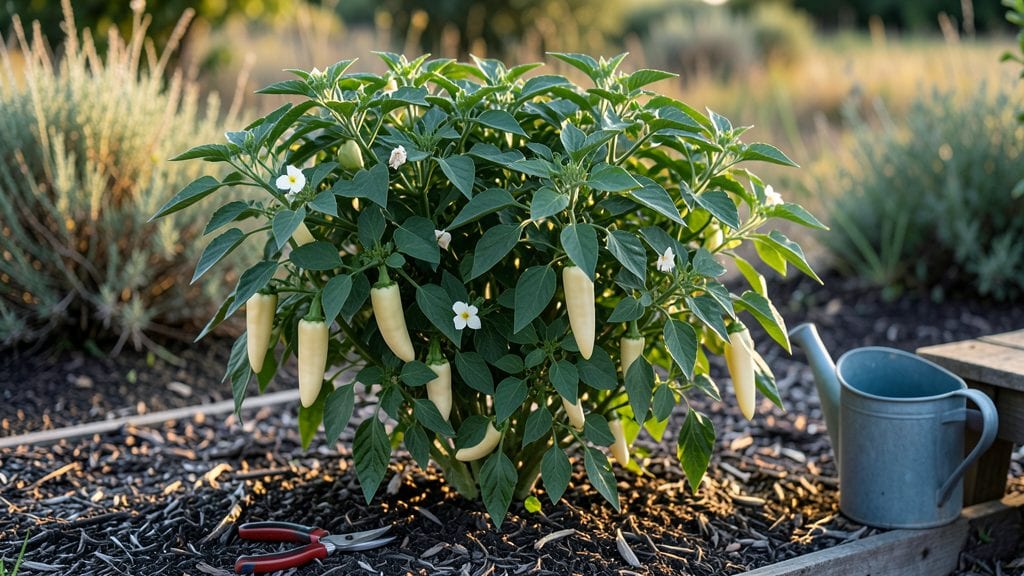
Growing banana peppers in your garden delivers a harvest that keeps coming back year after year—even after you pick them. 🌱 I’ve grown these sunny little peppers for three seasons now, and the secret to their resilience lies in how you prep the soil, space the plants, and handle watering once they’re established.
Start with well-draining soil mixed with compost, and plant them in full sun where they’ll get at least 6-8 hours of light daily. You can sow seeds indoors 8-10 weeks before your last frost or buy transplants in spring—just be sure to harden them off before moving them outside.
The key to their rebound growth is consistent moisture without soggy soil, so aim for 1 inch of water per week, adjusting for rain.
By midsummer, you’ll be snipping clusters of bright yellow peppers that turn to red when ripe—perfect for pickling, stuffing, or fresh snacking. These plants are surprisingly tough; even after heavy harvesting, they’ll send out new shoots if you keep them healthy.
The real magic happens when you let a few peppers mature fully on the vine, which triggers even more fruiting.
Works in containers too if your summers are hot, and they handle partial shade better than most peppers. Here’s how to keep them thriving all season long—no green thumb required.
📚 In This Guide
- What you need
- Instructions
- Tips and common mistakes
- Wrapping up and next steps
What you need
- ● Banana pepper seeds or seedlings: Choose disease-resistant varieties like ‘Early Jolt’ or ‘Carolina Cayenne’. Start with 3–5 plants for a small harvest.
- ● Well-draining potting mix: 5–10 gallons (for containers) or enrich your garden soil with compost (1–2 inches mixed into the top 6–12 inches of soil).
- ○ Containers (optional): 5–7 gallon pots with drainage holes if gardening in pots.
- ● Fertilizer: A balanced 10-10-10 or 5-10-10 fertilizer (follow package rates) or organic options like fish emulsion or worm castings.
- ● Mulch: Straw or shredded leaves (2–3 inches) to retain moisture and suppress weeds.
- ● Garden trowel or transplanting spade for planting.
- ● Watering can or hose with a gentle spray nozzle (avoid soaking the soil).
- ○ Pruning shears for trimming (optional but helpful for shaping plants).
- ● Gloves (to protect from thorns and soil).
- ○ pH test kit (optional)—banana peppers thrive in soil pH 6.0–7.0.
- ● Full sun: 6–8+ hours of direct sunlight daily (partial shade in hot climates can help).
- ● Warm soil: Wait until after the last frost (soil temps should be 60°F+).
- ● Spacious roots: Space plants 18–24 inches apart in garden beds or 12–18 inches apart in containers.
Step-by-Step instructions for planting a banana pepper garden
Here's how to grow these sweet, prolific peppers that keep producing all season long.
🌱 Step 1: Choose the Perfect Planting Spot
Banana peppers need full sun—at least 6-8 hours daily—to thrive and produce their signature sweet heat. I always pick the sunniest, most sheltered corner of my garden because these plants grow 3-4 feet tall and can get top-heavy. Test your spot by watching where sunlight hits between 10 AM and 4 PM—that's prime pepper-growing time.
If your garden gets afternoon shade, don't worry—just plant them where they'll get morning sun and a few hours of afternoon light. The key is consistent warmth. Banana peppers also dislike cold winds, so avoid open areas where chilly breezes might stunt their growth. A spot near a fence or building works perfectly.
🪴 Step 2: Prepare the Soil for Maximum Growth
Work 2-3 inches of compost into the top 6-8 inches of soil to create loose, fertile ground. Banana peppers prefer well-draining soil with a slightly acidic to neutral pH (6.0-7.0). If your soil feels heavy or clay-like, mix in 1 part perlite or coarse sand to every 3 parts soil to improve drainage.
I like to dig a hole just slightly larger than the root ball of my pepper plants—about 12-14 inches wide and deep. Gently loosen the roots if they're circling in the container before placing the plant in the hole. This encourages them to spread out and establish stronger roots in their new home. Fill the hole with soil and press lightly around the base to remove air pockets.
☀️ Step 3: Plant and Water for Strong Establishment
Place your banana pepper plant in the hole, ensuring the top of the root ball sits about 1 inch below soil level. This helps prevent the stem from rotting while still keeping it stable. Once positioned, backfill with soil and create a small 2-inch high berm around the base to help direct water to the roots.
Water deeply right after planting—1-2 gallons per plant—to settle the soil and eliminate air pockets. You'll know it's enough when water runs out the drainage holes if you're using containers, or when the top 2 inches of soil feel evenly moist. Avoid wetting the leaves, as this can encourage fungal diseases. Water at the base instead.
✂️ Step 4: Maintain Through the Growing Season
Keep the soil consistently moist but never soggy—banana peppers dislike wet feet. Water 1-2 times per week, depending on your climate, until the plants are established. You'll know they're ready for less frequent watering when they start producing flowers and peppers. At that point, water deeply every 5-7 days to encourage strong root growth and fruit development.
Fertilize every 4-6 weeks with a balanced, 10-10-10 fertilizer to keep your plants thriving. I always hold off on fertilizing until the plants have at least 6-8 inches of new growth—this prevents burning young roots. Prune any dead or yellow leaves regularly to keep air circulating and reduce disease risk. You'll see new growth within a few weeks of proper care.
🌿 Step 5: Harvest and Encourage Rebound Growth
Harvest banana peppers when they're 3-4 inches long and bright yellow for the best flavor. Use clean, sharp scissors or pruners to snip the peppers just above a leaf node. This encourages the plant to produce more peppers in their place. I always harvest in the morning when the peppers are firm and crisp—this ensures the best quality.
The beauty of banana peppers is their ability to rebound after harvest. Once you've picked a pepper, new ones will often form within 2-3 weeks if the plant is healthy. To keep production strong, remove any peppers that turn red—they're past their prime and will divert energy from new growth. With proper care, a single banana pepper plant can produce 50-100 peppers per season.
Tips & tricks for perfect banana pepper gardens
Here's what nobody tells you about growing these sweet, prolific peppers that keep coming back for more.
Sunlight Strategy: The 6-8 hours of daily sun in Step 1 is non-negotiable, but here's the secret: I always test my spot for at least 3 days before planting. Use a simple solar tracker (or even a white plate) to see where shadows fall between 10 AM and 4 PM. If your spot gets less than 6 hours of direct sun, consider using a raised bed with reflective mulch—it can add valuable extra sunlight hours.
Soil Science: When amending your soil in Step 2, don't just add compost—mix in a handful of crushed eggshells too. The calcium helps prevent blossom-end rot, which can ruin your harvest. I also recommend testing your soil pH before planting. Most garden centers sell inexpensive test kits, and banana peppers are particularly sensitive to pH levels outside 6.0-7.0. If your soil is too alkaline, add sulfur to lower the pH gradually.
Watering Wisdom: The 1-2 gallons of water in Step 3 is just the beginning. After your plants establish, I've found that watering deeply every 5-7 days (as mentioned in Step 4) works best, but there's a trick: water in the early morning so the leaves have all day to dry. Wet foliage at night invites fungal diseases, especially in humid climates. For container-grown plants, I add a layer of mulch around the base to help retain moisture between waterings.
Harvest Hack: In Step 5, when harvesting those 3-4 inch peppers, here's my pro move: I harvest every other pepper first, leaving some to mature. This keeps the plant producing continuously. Also, never pull peppers from the vine—always use clean scissors or pruners. The clean cut encourages faster healing and more vigorous regrowth. I've seen plants produce new peppers within just 2-3 weeks after a proper harvest!
Pro Tips for Banana Peppers Garden
- Here's what nobody tells you about growing these sweet, prolific peppers that keep coming back for more.
- Sunlight Strategy: The 6-8 hours of daily sun in Step 1 is non-negotiable, but here's the secret: I always test my spot for at least 3 days before planting.
- Soil Science: When amending your soil in Step 2, don't just add compost—mix in a handful of crushed eggshells too.
Frequently asked questions
Got questions about growing banana peppers in your garden?
You’re not alone! Here are answers to the most common queries—from planting to harvest—so you can grow these sunny, crunchy peppers with confidence.
How long does it take for banana peppers to grow from seed?
Banana peppers typically take 70–90 days to mature from seed, depending on your climate and growing conditions. If you start seeds indoors 8–10 weeks before your last frost date, you’ll have a head start. For faster results, transplant seedlings from a nursery—just ensure they’re hardened off before moving them outside!
When is the best time to harvest banana peppers?
Harvest when peppers are 3–4 inches long and bright yellow (or green if you prefer milder flavor). Use clean pruners or scissors to snip stems—this encourages more production! For extra heat, leave them on the vine longer until they turn red. Pro tip: Harvest consistently to keep plants productive all season.
Can banana peppers regrow after harvest?
Yes! Banana peppers are perennial in warm climates (zones 8–11) and will regrow from the roots if you leave a 4–6 inch stem after harvest. In colder areas, treat them as annuals—though you can overwinter potted plants indoors. Bonus: Prune back plants in late fall to encourage bushier growth next year.
What pests or diseases should I watch for with banana peppers?
Common issues include aphids, spider mites, and whiteflies (spray with neem oil if infested). Fungal diseases like powdery mildew thrive in humidity—ensure 6–8 hours of sunlight and space plants for airflow. Preventative tip: Rotate crops yearly and remove diseased leaves promptly.
Can I grow banana peppers in containers?
Choose a 5-gallon pot or larger with drainage holes and use well-draining soil. Place containers in full sun (6+ hours/day) and fertilize every 4–6 weeks with a balanced vegetable feed. Dwarf varieties like ‘Golden’ work well in pots—just ensure they’re staked or caged as they grow.
Wrapping up and next steps
Growing banana peppers in your garden is a rewarding journey—these sunny, versatile perennials thrive with minimal fuss and keep coming back year after year! Whether you’re spicing up salsas, pickling jars, or fresh salads, their mild heat and vibrant color make them a must-have.
Now that you’re armed with the right materials and answers to common questions, it’s time to roll up your sleeves and plant those seeds.
Start small—try a few plants in a pot or patch—and watch your confidence (and harvest!) grow. Happy gardening! 🌱✨