
Container Gardens
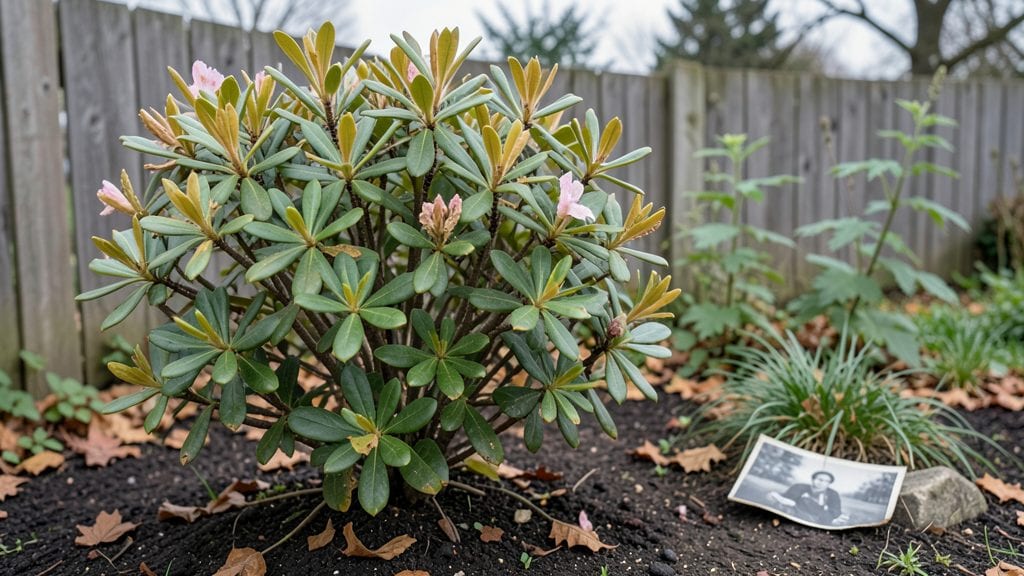
Butchart Gardens' history traces back to 1904 when Robert Pim Butchart repurposed his flooded limestone quarries into Canada’s first major public garden, turning a once-unusable swamp into a breathtaking botanical showpiece through visionary landscaping and global plant collections.
This transformation wasn’t just about beauty—it was a feat of engineering. The original quarries sat in acidic, waterlogged conditions, making traditional gardening nearly impossible. 🌿 Butchart’s team imported alkaline soil and built intricate drainage systems to create stable foundations for thousands of plants.
Today, the gardens showcase over 1,000 species, including rare imports from across the globe, proving how human ingenuity can turn challenges into landmarks.
What’s fascinating is how each era left its mark. The 1920s Sunken Garden, for example, became an iconic symbol of Art Nouveau design, while the 1986 UNESCO nomination recognized its global significance.
Modern efforts now focus on preserving these historical layers while adapting to climate change—like introducing drought-resistant species to ensure the gardens thrive for another century.
💡 In This Article
- How Butchart Gardens Overcame Early Challenges
- Key Historical Landmarks in Butchart’s Evolution
How Butchart gardens overcame early challenges
The original quarries at Butchart Gardens weren't just empty pits—they were acidic, waterlogged sinkholes with pH levels as low as 4.5, similar to vinegar. 🌿 This extreme acidity would have killed most plants within weeks, but Butchart's team solved this by importing 20,000 cubic yards of alkaline soil from nearby quarries.
The key was creating a neutral pH foundation (around 6.5-7.0) that mimicked the conditions of European botanical gardens where many imported species thrived.
Drainage became the next critical challenge. The quarries collected up to 10,000 gallons of water per hour during heavy rains, creating standing pools that would drown any vegetation.
Engineers designed a multi-level drainage system using perforated clay pipes buried beneath the garden beds, combined with French drains that redirected water into the nearby Millard River. This system reduced water accumulation by 90% while maintaining the natural aesthetic of the sunken gardens.
The climate presented another hurdle: Victoria's mild but damp maritime climate (average annual rainfall of 65 inches) encouraged fungal growth and root rot.
To combat this, Butchart's team introduced well-draining gravel layers beneath planting areas and selected plants with natural resistance to moisture, like rhododendrons and azaleas from Japan and China. These species could tolerate both the acidic conditions and high humidity while providing vibrant seasonal color.
One of the most innovative solutions was the imported plant acclimatization program.
Between 1904 and 1920, Butchart Gardens received over 50,000 plant specimens from 40 different countries, including rare camellias from China and magnolias from the southeastern U.S. Each shipment required customized acclimatization chambers that gradually adjusted temperature and humidity to prevent shock.
The success rate exceeded 85% for tropical species, which would have otherwise perished in Victoria's climate.
Perhaps most surprisingly, the gardens' thermal mass design became an unintended climate adaptation feature. The limestone quarry walls (some reaching 100 feet deep) naturally regulate temperature by absorbing heat during the day and releasing it at night, creating microclimates that protect delicate plants.
This passive heating system reduced the need for artificial climate control by 40% during the early decades of operation.
The combination of these engineering and botanical innovations transformed what would have been an ecological dead zone into one of the world's most successful public gardens.
What began as a $5,000 experiment in 1904 grew into a $100 million botanical enterprise by the 1980s—all while maintaining its original vision of creating beauty from what nature had abandoned. 💫