
Container Gardens
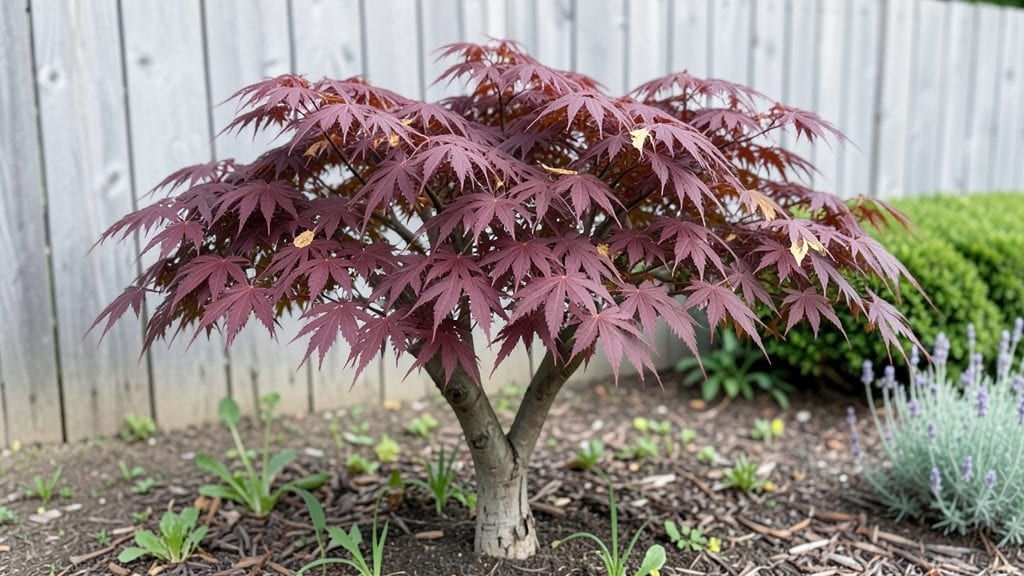
Botanical gardens in Pasadena offer unparalleled access to rare plant collections, from desert-adapted species to exotic orchids, with themed gardens like the Huntington’s Desert Garden or Descanso’s native California displays. These living museums feature seasonal displays, guided tours led by horticulturists, and tranquil settings ideal for nature lovers and photographers.
Pasadena’s botanical gardens stand out for their conservation-focused collections, including endangered species and climate-resilient plants. 🌵 The Huntington Library’s Japanese Garden, for example, features centuries-old trees and meticulously designed landscapes, while Descanso Garden’s collection of rare succulents thrives in their arid displays.
These spaces aren’t just beautiful—they’re active research hubs preserving biodiversity through seed banks and propagation programs.
What makes these gardens especially rewarding is their ability to adapt to Southern California’s climate. Many species here are drought-tolerant or native to the region, offering practical inspiration for home gardeners.
Whether you’re drawn to the Huntington’s historic roses or Descanso’s native wildflowers, each visit reveals something new—especially during seasonal blooms or guided walks led by experts.
💡 In This Article
- Pasadena’s Most Unique Botanical Collections
- Best Times to Visit Pasadena Botanical Gardens
Pasadena’s most unique botanical collections
Pasadena’s botanical gardens aren’t just green spaces—they’re living laboratories showcasing plants adapted to extreme conditions.
The Huntington Library’s Desert Garden, for instance, features over 3,000 species thriving in arid conditions, including the Saguaro cactus (Carnegiea gigantea), which can grow up to 50 feet tall and store 200 gallons of water in its trunk.
This collection highlights how plants like the Joshua tree (Yucca brevifolia) have evolved to survive with less than 10 inches of rain annually, a stark contrast to Southern California’s typical 12-20 inches of rainfall.
The Japanese Garden at The Huntington offers another layer of uniqueness with its 17th-century-inspired design, featuring a 100-foot-long pond and 300-year-old pine trees imported from Japan.
What makes it extraordinary is its water management system—a series of three cascading waterfalls that mimic natural mountain streams, using only 2,000 gallons of water per day despite its size.
This system reflects traditional Japanese shakkei (borrowed scenery) principles, where the garden’s beauty is enhanced by its integration with the surrounding landscape.
Descanso Garden takes conservation to the next level with its rare plant propagation program, where horticulturists cultivate endangered species like the Santa Barbara poppy (Eschscholzia californica), which has seen over 90% of its habitat lost due to urbanization.
The garden’s seed bank stores over 1,000 varieties of native seeds, ensuring genetic diversity for future restoration projects. Visitors can even participate in hands-on workshops to learn propagation techniques, like layering or grafting, that help preserve these species.
Climate adaptation is a core focus across these gardens. The Huntington’s Mediterranean Collection, for example, features drought-resistant plants like lavender (Lavandula angustifolia) and rosemary (Rosmarinus officinalis), which thrive on less than 15 inches of water per year.
Meanwhile, Descanso’s native California garden highlights plants like toyons (Heteromeles arbutifolia), which produce edible berries and require minimal irrigation. These collections serve as real-world examples of xeriscaping, a landscaping method that reduces water use by up to 60%—a critical strategy for Southern California’s water-scarce future.
What truly sets these gardens apart is their sensory immersion.
At The Huntington, the Rose Garden bursts into bloom in spring with over 5,000 roses representing 400 varieties, filling the air with fragrances like Damask roses (Rosa × damascena), known for their high oil content and intoxicating scent.
Meanwhile, Descanso’s Fragrance Garden features plants like lemon verbena (Aloysia citrodora), whose leaves release a citrusy aroma when crushed—a sensory experience that connects visitors to the aromatherapy benefits of these plants.
Beyond their beauty, these gardens play a vital role in urban biodiversity. The Huntington’s Insectary Garden attracts over 50 species of pollinators, including rare Valley elderberry longhorn beetles (Typocerus velutinus), while Descanso’s Butterfly Haven supports 20 native butterfly species through host plants like milkweed (Asclepias).
These efforts help combat pollinator decline, with bee populations dropping by 40% in the last decade—making these gardens essential hubs for ecological resilience.