
Lawn
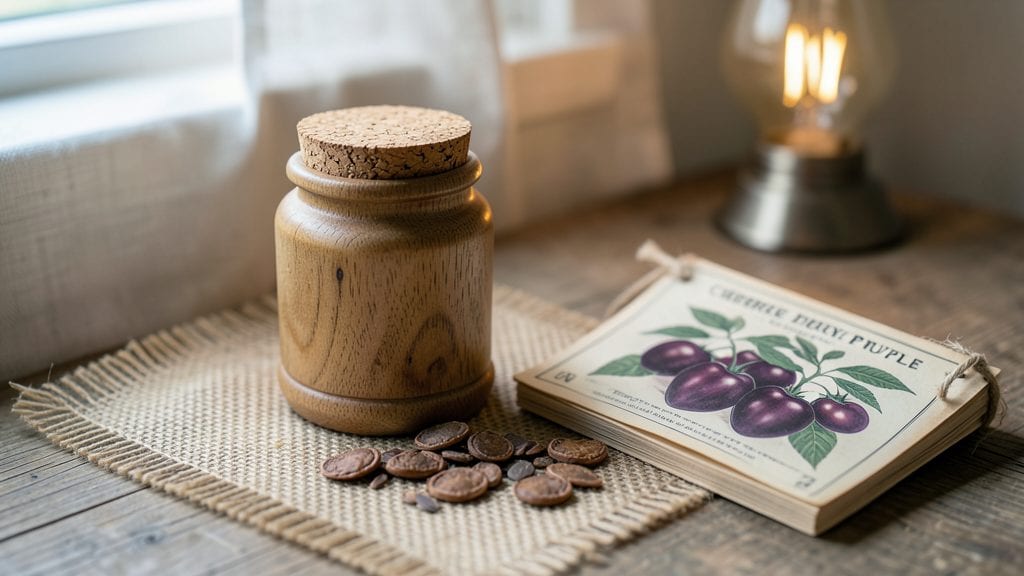
Preserving heirloom seeds through generations is how garden seed banks keep our food traditions alive. ✨ I learned the hard way that store-bought seeds can’t replace the flavor or resilience of varieties passed down through families—so I started my own seed bank to safeguard them.
The process is simpler than it sounds, and it connects you directly to the plants that shaped our agricultural history.
You’ll need just a few supplies: airtight containers, silica gel packets, and a cool, dark place to store them. The key is drying seeds completely before storage—moisture is the enemy of long-term viability.
Most heirloom seeds stay good for 5-10 years this way, though some last decades if conditions are perfect. This isn’t just about saving seeds; it’s about preserving the stories and flavors tied to them.
Once set up, you’ll have a living library of plants that thrive in your climate and taste better than anything mass-produced. Imagine plucking tomatoes from vines grown from seeds your great-grandparents saved.
The best part? You can share extras with neighbors, swap varieties at local markets, or even contribute to larger seed banks. Every seed saved is a step toward food security and biodiversity.
Whether you’re starting small with a few favorite varieties or dreaming of a full-scale seed archive, this method works for any gardener. The first step is simply choosing which plants to preserve—let’s get those seeds dried and stored for the future.
📚 In This Guide
- What you need
- Instructions
- Tips and common mistakes
- Wrapping up and next steps
What you need
- ● Air-tight containers: Glass jars (like mason jars), metal tins, or vacuum-sealed bags (5–10 containers, depending on seed volume).
- ● Desiccant packets: Silica gel or moisture absorbers (2–4 packets per container).
- ● Seed envelopes or paper bags: Acid-free, archival-quality (100+ envelopes or 5–10 bags).
- ● Permanent markers or labels: For writing seed names, varieties, and harvest dates.
- ○ Fine-mesh sieve or colander: To clean seeds before storage (optional but helpful).
- ● Drying rack or paper towels: For air-drying seeds completely (24–48 hours).
- ● Small funnel: For easy seed transfer into containers.
- ○ Digital scale (optional): To measure seed moisture content (0–5% ideal).
- ● Freezer or refrigerator: For short-term storage (below 32°F/0°C).
- ● Cool, dark storage space: Like a basement or pantry (50–70°F/10–21°C).
- ● 💡 Label everything— Include seed type, harvest year, and germination notes.
- ● 🌡️ Store seeds in a vacuum-sealed bag to extend viability beyond 10+ years.
- ● ✨ Test germination annually: Plant a few seeds to check viability.
Step-by-step instructions for creating a reliable home seed bank
Here's how to preserve heirloom seeds for years without losing viability or flavor.
🌱 Step 1: Harvest Seeds at Peak Maturity
Collect seeds only when plants reach full maturity—this ensures maximum germination rates. For vegetables like tomatoes, wait until the fruit is fully ripe and slightly soft. For flowers, harvest when seed pods turn brown and begin cracking open naturally. I like to pick seeds on a dry afternoon when humidity is low.
Use clean, dry scissors to snip seed heads or pods. Lay them on a paper towel to dry completely for 24-48 hours before processing. This prevents mold from forming in your storage containers. If seeds are still attached to plant debris, gently rub them between your fingers or a fine mesh screen to separate.
💧 Step 2: Clean and Dry Seeds Thoroughly
Spread seeds on a clean, dry surface like a baking sheet or mesh screen. Let them air-dry in a warm, dry place (around 70-75°F) for 1-2 weeks, stirring occasionally. Proper drying is critical—seeds with any moisture left will spoil quickly in storage.
Test for dryness by gently crushing a seed between your fingers. If it feels papery and crumbles easily, it's ready. If it still feels damp or sticky, return it to the drying surface for another day. Never use a microwave or oven to speed up drying—heat can damage the seed's viability.
🪴 Step 3: Store Seeds in Airtight, Moisture-Proof Containers
Choose small, airtight containers like glass jars with tight-sealing lids or Mylar bags with oxygen absorbers. Label each container with the seed type, variety name, and harvest date—this prevents mix-ups and helps track seed age. I use small glass vials for rare heirlooms and larger jars for bulk seeds.
Store containers in a cool, dark place (around 32-41°F is ideal). A refrigerator works well for short-term storage, but for long-term viability, a basement or root cellar is better. Avoid storing seeds in the freezer unless you're using a vacuum-sealed system—temperature fluctuations can cause condensation inside containers.
⏰ Step 4: Test Seed Viability Annually
Every year, test a small sample of seeds to ensure they're still viable. Place 10 seeds on a damp paper towel in a sealed plastic bag. Keep them in a warm spot (around 70°F) for 7-10 days. If 80% or more sprout, your seeds are still good. If fewer than half sprout, consider using those seeds first or harvesting fresh ones.
This simple test saves you from wasting seeds that may have lost viability over time. I like to test seeds in early spring so I can plan my planting schedule accordingly. If seeds fail the test, don’t toss them—some varieties may still germinate if planted immediately, even if they’re past their prime.
Tips & tricks for perfect garden seed preservation
Preserving heirloom seeds properly makes all the difference between seeds that last for years and ones that lose viability within months.
The Harvest Factor: Timing matters more than you might think. For tomatoes, wait until the fruit is completely soft and shows signs of cracking—this is when seeds are fully mature. For flowers like basil or snapdragons, harvest when the seed pods turn completely brown and begin cracking open naturally. I learned this the hard way after trying to harvest tomato seeds too early, which resulted in poor germination rates.
Drying Done Right: The 24-48 hour drying period on paper towels is crucial, but don't rush it. If you see any signs of moisture remaining, extend the drying time rather than risking mold. For the 1-2 week air-drying period at 70-75°F, I recommend placing a small fan nearby to gently circulate air without creating drafts. This helps maintain consistent drying conditions while preventing seeds from becoming too brittle.
Storage Secrets: When storing seeds in your cool, dark place around 32-41°F, consider adding small packets of silica gel to your containers. These absorb any residual moisture that might develop over time. I also recommend using containers with childproof lids—this prevents accidental spills and keeps curious pets out of your seed stash.
Labeling System: Don't just write the seed type—include the variety name and harvest date. I use a small label maker for my glass jars, but even a permanent marker works. This simple step prevents mix-ups that could lead to planting the wrong variety. I've had to replant entire sections of my garden because I couldn't remember which seeds were which!
Pro Tips for Garden Seed Banks
- Preserving heirloom seeds properly makes all the difference between seeds that last for years and ones that lose viability within months.
- The Harvest Factor: Timing matters more than you might think.
- Drying Done Right: The 24-48 hour drying period on paper towels is crucial, but don't rush it.
Frequently asked questions
Got questions about preserving your garden treasures?
Here are some of the most common concerns—and answers—to help you master seed banking like a pro.
What’s the best way to store seeds long-term without special equipment?
For most heirloom seeds, a cool (32–41°F), dry (5–15% humidity) environment works best. Use airtight containers like glass jars with silica gel packets or vacuum-sealed bags. Label everything with the seed type and harvest date—no fancy tools needed!
How long can seeds stay viable in a home seed bank?
Viability varies by seed type, but many last 5–10 years under ideal conditions. Beans, peas, and tomatoes often keep 3–5 years, while onions, leeks, and parsnips may last 1–2 years. Test germination every few years by planting a small batch—if they sprout, they’re still good!
Can I reuse seed packets from last year’s garden?
If stored properly (cool, dry, sealed), yes! But check for moisture, pests, or mold first. For extra safety, test germination by planting a few seeds before committing to your whole garden. Pro tip: Write the harvest year on the packet to track freshness.
What’s the deal with freezing seeds—does it work better than room temp?
Freezing (0°F or below) slows aging dramatically, extending viability to decades for some seeds (like lettuce or spinach). However, it’s overkill for most home gardeners—cool, dark storage works for 90% of heirlooms. Freeze only if you’re saving rare or ultra-delicate varieties.
My seeds sprouted mold—what went wrong?
Mold = too much moisture or poor sealing. Fix it by drying seeds completely (spread on a paper towel for 1–2 days), then storing in a desiccant-lined container. If mold is widespread, discard the batch—it can contaminate healthy seeds. Always check humidity levels (aim for <15%).
Are there alternatives to seed banks for preserving heirloom varieties?
Try on-site growing (let plants self-seed in your garden), seed swaps with local gardeners, or digital backups (upload seed photos to Seed Savers Exchange). For ultra-rare seeds, donate to a public seed bank—they’ll handle long-term care for you!
Wrapping up and next steps
Garden seed banks are your secret weapon for preserving heirloom treasures and ensuring a thriving garden for years to come! 🌱 By mastering the right storage techniques—whether through moisture control, temperature stability, or airtight containers—you’re not just saving seeds; you’re safeguarding biodiversity and self-sufficiency.
Start small, experiment with a few varieties, and watch your garden flourish with generations of heirloom beauty.
Ready to take the next step? Begin by selecting a few heirloom seeds from your favorite plants, follow the storage guidelines, and label everything clearly. Soon, you’ll be the guardian of a living legacy—one seed at a time! 🌟