
Companion Plants
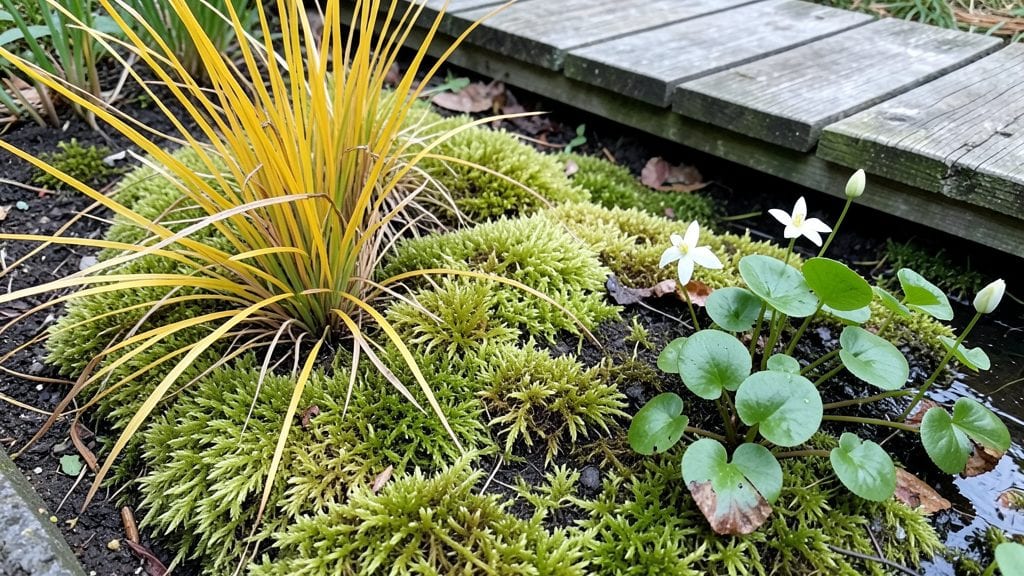
Turn your soggy patches into a thriving wetland oasis—boggy garden plants don’t just survive, they prosper where others drown. 🌿 I’ve watched my once-muddy backyard transform into a lush, fragrant haven by planting the right species, and the secret isn’t complicated: it’s about matching plants to their natural habitat.
The key is selecting natives and wetland-lovers that crave moisture, like cardinal flowers, sweet flag, or even edible options like watercress and blueberries.
Most people assume boggy soil means failure, but the truth is these plants need the moisture—think of them as the underwater athletes of the garden.
You’ll need a few basic tools: a shovel for amending soil with organic matter, some gravel for drainage layers if needed, and a list of plants that thrive in 6+ inches of standing water.
The right combo turns a problem spot into a magnet for pollinators and a showstopper for your yard.
By summer’s end, you’ll have a garden that’s not just surviving but thriving—with vibrant foliage, striking blooms, and maybe even a harvest of edible greens. The air will smell fresher, the soil will stay rich, and you’ll wonder why you ever struggled with soggy ground.
Let’s get those plants in the soil where they belong.
Works for rain gardens, pond edges, or even low spots in your yard—just adjust plant choices based on your climate. Whether you’re in the Pacific Northwest or the Southeast, there’s a wetland-friendly plant waiting for its spot in your garden.
📚 In This Guide
- What you need
- Instructions
- Tips and common mistakes
- Wrapping up and next steps
What you need
- ● Boggy garden plants: 5–10 plants (e.g., Calla lilies, Marsh marigolds, Pickerelweed, or Water mint—check local climate suitability).
- ● Soil amendments: 1 bag (40 lb) of peat moss or coco coir (for moisture retention).
- ● 1 bag (25 lb) of sand (to improve drainage in very waterlogged soil).
- ● 1 lb of compost or well-rotted manure (for nutrients).
- ● Water management tools: 1–2 French drains (4-inch perforated pipes, 5–10 ft lengths, depending on area).
- ● Landscape fabric (5 ft x 10 ft roll) to prevent clogging.
- ● Gravel (10–20 lb bag, ½-inch size) for drainage layers.
- ● Planting supplies: Garden trowel or spade (for digging).
- ● Gloves (water-resistant preferred).
- ● Mulch (straw or wood chips, 1–2 bags) to retain moisture.
- ● Rain garden kit (pre-mixed soil blend for bog plants).
- ● Solar-powered water pump (if adding a small pond feature).
- ● Plant markers (to label moisture-loving varieties).
- ● Water-testing kit (to monitor pH and moisture levels).
Step-by-Step guide to selecting and planting boggy garden plants
Here’s how to transform soggy soil into a thriving wetland oasis—naturally.
🌿 Step 1: Identify Your Wet Soil Type
First, determine if your soil stays damp year-round or just after heavy rain. Boggy soil stays saturated for weeks, while wet soil dries out faster. Dig a 6-inch hole—if water fills it within an hour, you’ve got true bog conditions. For temporary wet spots, opt for moisture-loving plants like astilbe or ligularia, which tolerate dampness but won’t drown.
If water pools for months, focus on plants that thrive in 6+ inches of standing water, like cattails or soft rush. These natives handle oxygen-poor soil better than most. I always test soil pH too—bog plants prefer acidic to neutral (5.0–7.0). A simple $10 test kit from the garden center saves guesswork.
🌱 Step 2: Choose the Right Plants for Your Climate Zone
Pick plants suited to your USDA hardiness zone. For zones 3–5, try cranberries (yes, they’re edible!) or swamp milkweed, which handle frost and soggy roots. Zones 6–8? Go for pickerelweed or blue flag iris—both bloom dramatically in wet conditions.
Pro tip: Group plants by water needs. Place deep-water lovers (like yellow flag iris) at the lowest spots, and moderate-wet plants (like sweet flag) on slightly higher ground. This mimics natural wetland layers. I sketch a rough map first—it’s easier to visualize spacing this way.
💧 Step 3: Amend Soil for Better Drainage (Without Drying It Out)
Avoid heavy clay? Mix in 2–3 inches of peat moss or composted leaf mold to improve aeration without draining water away. For pure bogs, skip amendments—these plants evolved to thrive in muck. Instead, focus on mulching with 2–3 inches of shredded bark to prevent soil compaction.
If your area floods seasonally, create a raised bog bed with layers of sphagnum moss and compost. Fill with water to 2 inches deep—this mimics natural wetlands and keeps roots oxygenated. I line edges with landscape fabric to contain the mix and prevent erosion.
☀️ Step 4: Plant with Proper Spacing and Light Needs
Bog plants need partial to full sun (4–6 hours daily), but avoid scorching roots. Space cattails 18–24 inches apart—they spread aggressively. For marsh marigolds, keep 12 inches between plants to prevent overcrowding. Dig holes twice as wide as the root ball but only as deep as the container.
Gently tease apart roots if pot-bound, then backfill with saturated soil. Press lightly to remove air pockets. Water deeply right after planting—this settles the soil and signals roots to start growing. I add a 1-inch layer of water to the surface for the first week to mimic their natural habitat.
✂️ Step 5: Maintain with Minimal Effort
Fertilizer? Skip it—bog plants thrive in nutrient-poor soil. Instead, top-dress with 1 inch of compost annually in early spring. Divide clumps every 3–4 years to keep them vigorous. For cattails, cut back dead stalks in late winter to encourage new growth.
Watch for yellowing leaves—this usually means too much sun or poor drainage. Move plants to shadier spots if needed, or add a 1-inch layer of mulch to retain moisture. In drought years, keep soil consistently moist by watering 2–3 times weekly until rains return.
Tips & tricks for perfect boggy garden planting
A few clever strategies will help you create a thriving wetland garden that looks stunning year after year.
Soil Test First: That $10 soil pH test kit is worth every penny—bog plants are particular about their environment. Aim for the 5.0–7.0 range, but don't stress if you're slightly outside this. Many native wetland plants can handle 4.5–7.5, though they'll grow best in their preferred range. I've seen beautiful bog gardens with pH as low as 4.0 using acid-loving plants like blueberries or pitcher plants.
Layer Your Plants Like a Pro: When arranging your wetland layers in Step 2, think vertically as well as horizontally. Place taller plants like cattails (3–6 feet) at the back, medium-height plants such as blue flag iris (2–3 feet) in the middle, and low-growing plants like marsh marigolds (1–2 feet) at the front. This creates visual interest and prevents smaller plants from getting lost in the mix. I sketch a simple diagram first to visualize the layout.
Water Management Matters: For the first 2 weeks after planting, maintain that 1-inch water layer consistently. Use a shallow dish or saucer to hold the water in place. This mimics their natural habitat and helps roots establish quickly. In drought conditions, I've found that watering every other day in the morning keeps roots happy without encouraging fungal growth.
Mulch Smart: That 2–3 inches of shredded bark mulch serves two purposes: it prevents soil compaction and helps regulate moisture. For pure bog areas, I sometimes add a thin layer of sphagnum moss on top of the bark mulch—it holds moisture exceptionally well and adds that authentic wetland look. Just be sure to keep it 1–2 inches thick so it doesn't smother your plants.
Pro Tips for Boggy Garden Plants
- A few clever strategies will help you create a thriving wetland garden that looks stunning year after year.
- Soil Test First: That $10 soil pH test kit is worth every penny—bog plants are particular about their environment.
- Layer Your Plants Like a Pro: When arranging your wetland layers in Step 2, think vertically as well as horizontally.
Frequently asked questions
Got questions about keeping your boggy garden lush and thriving? You’re not alone! Here are answers to the most common concerns about wet-soil companions—so you can garden with confidence.
What are the easiest boggy garden plants for beginners?
Start with hardy, low-maintenance picks like Caltha palustris (marsh marigold), Iris pseudacorus (yellow flag iris), or Carex sedges. These tolerate soggy soil, spread slowly, and handle occasional drought once established. Avoid fussy tropicals—stick to native or wetland-adapted species!
How long does it take for boggy garden plants to establish?
Most wet-soil plants take 1–2 years to fully root and spread, depending on moisture levels. Container-grown plants (like Gunnera) may show faster progress. Pro tip: Mulch with peat or bark to retain moisture and speed up growth. Patience pays off—healthy roots mean fewer pests and better blooms!
Can I grow vegetables in boggy soil?
Yes! Try kale, lettuce, or rhubarb—they thrive in moist but well-drained spots. For root crops like carrots, raise beds with compost to prevent rot. Avoid heavy feeders (e.g., corn) unless you amend soil with organic matter. Warning: Overwatering can invite fungal diseases, so balance is key!
My boggy garden is too wet—what can I do?
Improve drainage by adding organic compost or sand (for clay soil) and creating shallow mounds for plants. Install French drains or plant water-loving grasses (like Molinia) to absorb excess moisture. If flooding persists, opt for floating plants (e.g., water hyacinth) in containers.
Are there non-flowering boggy garden plants for texture?
Try ferns (e.g., Matteuccia struthiopteris), hostas (shade-tolerant varieties), or Carex sedges for year-round interest. Gunnera and Darmera peltata add bold foliage without flowers. Mix textures with moss for a lush, low-maintenance look.
Wrapping up and next steps
Transforming your soggy garden into a lush, vibrant space is easier than you think! 🌿 By choosing the right boggy garden plants, you’re not just embracing wet soil—you’re creating a thriving ecosystem that’s both beautiful and low-maintenance.
From hardy ferns to striking water lilies, these plants are nature’s way of turning challenges into opportunities.
Ready to take the next step? Start small—pick one or two plants from our list, test your soil, and watch your garden flourish. Happy planting! 🌱