Planting
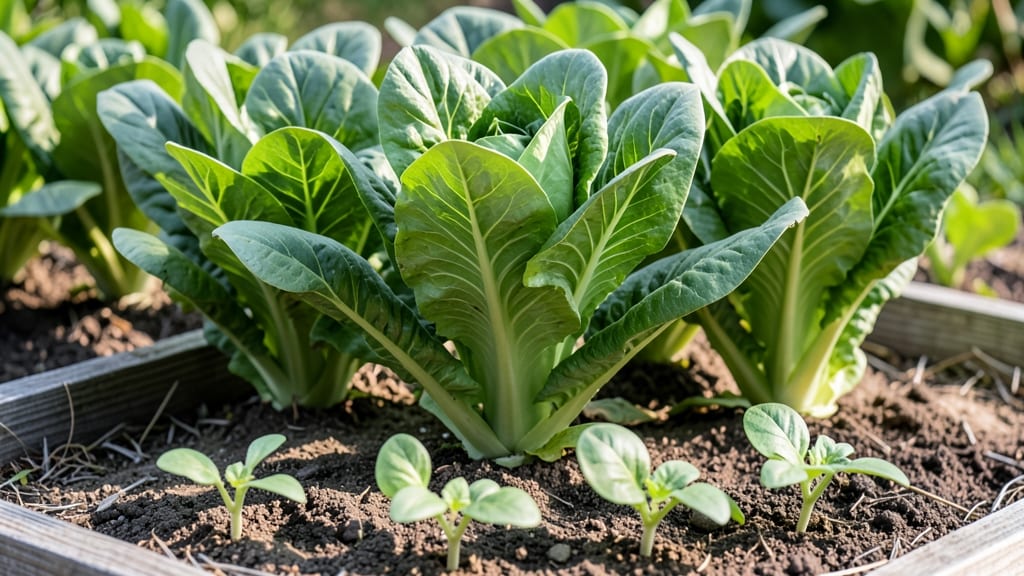
Proper garden row spacing is essential for healthy plant development, as it reduces competition for nutrients and maximizes sunlight exposure—most leafy greens thrive with 12–18 inches between rows, while tall crops like corn or sunflowers need 24–36 inches for full growth potential.
Getting the spacing right isn't just about preventing plants from touching—it's about creating an ecosystem where each plant gets the resources it needs to flourish. 🌱 For instance, herbs like basil or thyme can happily grow just 6–12 inches apart, while root vegetables such as carrots or beets need at least 12 inches to avoid stunted growth.
The key is balancing space with your garden's layout; tighter spacing works in raised beds, but wider rows are better for ground-level planting where airflow matters most.
What I’ve learned from years of gardening is that spacing affects more than just size—it directly impacts yield and disease resistance. Crowded plants struggle to photosynthesize efficiently, leading to weaker stems and higher susceptibility to fungal infections.
For example, tomatoes left too close will produce fewer fruits and may develop blight faster than properly spaced plants. Adjusting rows based on your climate and soil type can make all the difference in a successful harvest.
💡 In This Article
- How Plant Mature Size Affects Row Spacing Needs
- Plant-Specific Row Spacing Charts for Vegetables, Herbs, and Flowers
How plant mature size affects row spacing needs
Here's what's actually happening at the root level: when plants grow too close, their roots compete aggressively for water and nutrients in the soil.
For example, a mature tomato plant can spread its roots up to 3 feet wide and grow 6 feet tall, while a basil plant stays compact with roots under 1 foot wide.
This competition triggers a physiological stress response where plants allocate energy to root expansion instead of fruit or leaf production, reducing yields by up to 30% in crowded conditions. 🌿
The science of sunlight interception plays a huge role too. Tall plants like sunflowers or corn need 24-36 inches between rows to capture maximum light at their canopy level, while low-growing herbs like thyme or oregano thrive with just 6-12 inches because their leaves absorb light efficiently at ground level.
What most people don't realize is that improper spacing creates "shade zones" where lower plants receive only 20-30% of the sunlight their counterparts get at the top of the row.
Airflow requirements create another critical dimension. Plants need space for air to circulate between leaves to prevent fungal diseases like powdery mildew. In tightly packed rows, humidity builds up and spores spread 3-5 times faster than in well-spaced gardens.
For instance, cucumber plants left too close develop powdery mildew 2-3 weeks earlier than properly spaced ones, cutting harvest times nearly in half. The key factor is creating a "breathing room" that allows air to move at 1-2 mph between plant canopies.
Water efficiency becomes a major consideration with spacing too. Plants in crowded rows create microclimates where water evaporates more slowly, leading to 20-40% higher moisture retention in the soil. While this might seem beneficial, it actually promotes root rot in many vegetables.
Carrots, for example, need 12 inches between rows to prevent their taproots from growing in a twisted, deformed shape caused by competing root systems. The ideal spacing creates a balance where water penetrates evenly without creating anaerobic zones where roots suffocate.
Let's look at two extreme examples to illustrate this: dwarf varieties like 'Tiny Tim' tomatoes can be planted 12 inches apart, while standard varieties need 18-24 inches. The difference comes from their mature height (2 feet vs 4-5 feet) and leaf spread.
Similarly, sunflowers need 24-36 inches between rows because their leaves can reach 3 feet wide at maturity, while marigolds—used as companion plants—can thrive with just 12 inches between rows. The rule of thumb is to space plants based on their mature canopy size, not their seedling dimensions.
What I've observed in my own garden is that proper spacing actually increases overall yield per square foot. While it might seem counterintuitive to leave empty space, well-spaced plants produce 15-25% more harvestable product because each plant can reach its full genetic potential.
The trade-off is more upfront planning, but the long-term benefits in disease resistance, water efficiency, and harvest quality make it worth the effort. For container gardening, this means choosing compact varieties that won't outgrow their pots within a season.