
Fertilization
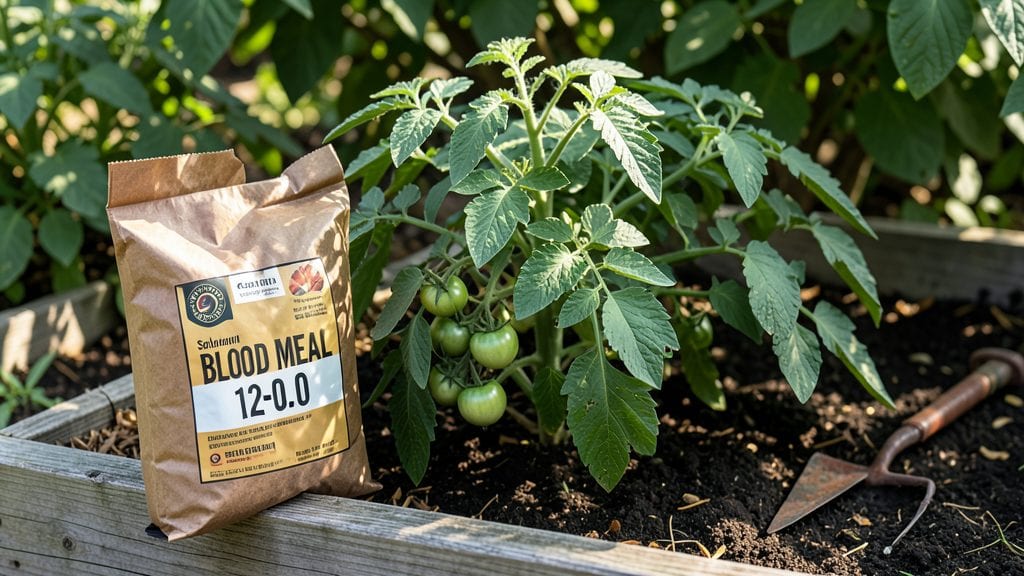
Blood meal garden fertilizer boosts nitrogen levels rapidly, promoting lush green grass and suppressing weeds by starving them of nutrients. Apply sparingly—¼ to ½ cup per 100 sq ft—and water thoroughly to avoid burning plants.
Blood meal is one of the fastest ways to give your lawn a nitrogen kick, but its power comes from its unique source: dried animal blood. 🔥 This organic fertilizer breaks down quickly, feeding grassroots and crowding out weeds by disrupting their nutrient supply.
Think of it as a natural weed suppressant—it doesn’t kill weeds outright but makes your lawn so competitive that weeds struggle to take hold. I’ve seen dramatic results in just a few weeks, especially in spring when grass is actively growing.
For best results, apply it in early spring or fall when soil is moist but not soggy. Mix it lightly into the top inch of soil or sprinkle it over your lawn before mowing.
Always wear gloves, as it can irritate skin, and water it in immediately to prevent any potential burning. Pairing it with bone meal (for phosphorus) creates a balanced fertilizer combo for long-term lawn health.
💡 In This Article
- How Blood Meal Works as a Fast-Acting Fertilizer
- Best Practices for Applying Blood Meal in Lawns
How blood meal works as a fast-acting fertilizer
Blood meal fertilizer gets its power from being nearly 12-13% nitrogen by weight, derived from dried animal blood. This ultra-high nitrogen content comes from hemoglobin, the protein in blood that carries oxygen—when processed into fertilizer, it breaks down into ammonia and nitrates, which plants absorb rapidly.
The key here is its fast-release nitrogen, unlike slow-release organic options like composted manure, which take weeks to become available. This makes blood meal ideal for jumpstarting growth in lawns and gardens where quick results are needed.
The breakdown process begins immediately when blood meal contacts moisture. Microbes in the soil convert the nitrogen into forms plants can use within 2-4 weeks, with peak availability occurring in 10-14 days. This rapid conversion is why you'll see visible greening within just a few weeks of application.
The nitrogen supports chlorophyll production, which is why treated areas turn vibrant green almost overnight. For comparison, synthetic fertilizers like urea (46% nitrogen) release nitrogen more slowly, while blood meal's organic form feeds plants continuously as it decomposes.
What makes blood meal especially effective against weeds is its disruptive effect on soil microbes that support weed growth. Weeds often rely on different microbial communities than desirable plants, and blood meal's high nitrogen content creates an environment where these beneficial microbes for weeds struggle to thrive.
It's not a herbicide, but by starving weeds of the microbial support they need, your lawn's grass outcompetes them naturally. This is particularly noticeable in dense lawns where weeds like crabgrass have previously taken over.
However, this fast-acting nature comes with a caveat: blood meal can burn plants if applied too heavily. The high nitrogen concentration means it must be used in precise amounts—¼ to ½ cup per 100 square feet—and always watered in immediately.
The burning risk occurs because concentrated nitrogen draws moisture out of plant cells, causing them to wilt. This is why it's crucial to apply it when your lawn is actively growing and well-hydrated, typically in spring or early fall when soil temperatures are moderate.
For visual comparison, imagine sprinkling 1 tablespoon of blood meal over a 20-square-foot area. That's enough to provide a significant nitrogen boost without overwhelming the soil. The granules have a dark reddish-brown color and a faint metallic aroma when fresh, which fades as they decompose.
When properly applied, you'll notice the first signs of greening within 7-10 days, with full effects visible in 3-4 weeks. The texture is fine and powdery, making it easy to spread evenly with a broadcast spreader.
The science behind blood meal's weed suppression goes deeper than just nitrogen. Studies show that high nitrogen levels alter soil pH slightly, creating conditions where beneficial microbes that support grass outcompete those that help weeds.
This microbial shift is subtle but effective, particularly in established lawns where grass roots are already dense. The result is a lawn that's not just green, but resilient against weed invasion for months after application.