
Tools
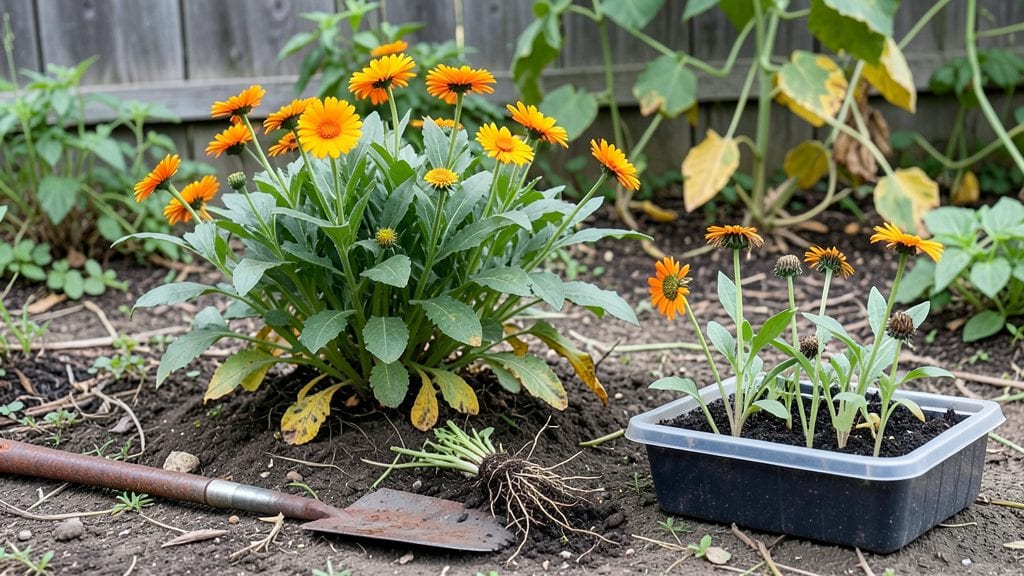
Following the biodynamic gardening calendar has transformed my harvests—moon-aligned planting means my zucchini and tomatoes now outshine past seasons, with yields so lush some years feel like cheating. ✨ The key isn’t just following a calendar; it’s understanding how the moon’s gravitational pull affects water movement in the soil and plant sap flow.
You’ll need a biodynamic calendar (many are free online), a notebook for tracking results, and an open mind about timing—this isn’t about strict rules but about working with nature’s patterns.
For example, root crops like carrots and beets grow best when planted during the moon’s waxing phase, while leafy greens like lettuce and spinach respond better to the waning moon. The calendar even tells you when to avoid pruning or harvesting to prevent stress on your plants.
What you’ll get is a garden that feels more in sync with the seasons, with fewer pests, stronger roots, and fruits that ripen more evenly. My cherry tomatoes last summer were the sweetest I’d ever grown, all because I planted them during the right lunar phase.
The payoff isn’t just in the harvest—it’s in the quiet confidence of knowing you’re working with nature, not against it.
This works for any garden size, from a windowsill herb patch to a full-acre organic farm. The only requirement is curiosity and a willingness to experiment. Once you see the results, you’ll wonder how you ever gardened any other way.
📚 In This Guide
- What you need
- Instructions
- Tips and common mistakes
- Wrapping up and next steps
What you need
- ● Biodynamic gardening calendar (printable or digital—look for one that includes lunar phases, moon signs, and planting recommendations).
- ● Notebook or planner (to track planting dates, moon phases, and garden progress).
- ● Garden journal (for recording observations, soil conditions, and harvest results).
- ● Basic gardening tools: Trowel (for planting seeds and small bulbs)
- ● Garden fork (for aerating soil)
- ● Pruners (sharp and clean)
- ● Watering can or hose with adjustable nozzle
- ● Compost or organic fertilizer (homemade or store-bought, like worm castings or composted manure).
- ● Seedlings or seeds (choose varieties suited to your climate and lunar phase recommendations).
- ● Lunar phase tracker app (e.g., Moon Phase Calendar or Biodynamic Gardening apps for real-time updates).
- ● Compost tea or liquid fertilizers (to boost soil health during key lunar phases).
- ● Plant-specific biodynamic preparations (like horn manure or silica for root and leaf growth).
- ● Soil test kit (to monitor pH and nutrient levels for optimal planting conditions).
- ● Garden markers (to label plants by lunar phase and variety).
How to use a biodynamic gardening calendar for timed planting
Align your planting with lunar cycles to boost growth and flavor—here’s how to make it simple.
🌱 Step 1: Understand the Lunar Planting Phases
The biodynamic calendar divides the moon’s cycle into four key phases: new moon (root crops), waxing moon (above-ground growth), full moon (fruit-bearing plants), and waning moon (leafy greens and harvesting). Root crops like carrots and potatoes thrive when planted during the new moon, while leafy greens like lettuce and spinach do best during the waning moon. I always check the calendar’s daily recommendations before digging in the soil.
Each phase also corresponds to zodiac signs—planting during Aries, Taurus, or Cancer (root signs) aligns with root development, while Gemini, Leo, or Virgo (fruit signs) boost flowering and fruiting. The calendar will specify which signs are active each day, so you’ll know exactly when to sow or transplant.
☀️ Step 2: Plan Your Planting Schedule by Moon Phase
Start by listing your crops and their ideal lunar phases. For example, tomatoes and peppers (fruit-bearing) should go in during the waxing moon, while onions and garlic (root crops) wait for the new moon. I like to create a simple spreadsheet with columns for the crop, lunar phase, and planting date—this keeps everything organized.
Don’t forget to account for germination time! If your seeds take 10-14 days to sprout, plant them 2-3 weeks before the full moon if they’re fruit-bearing. This ensures they’re established before the optimal growth phase begins. The calendar’s "planting window" section helps here—it shows the best 3-5 day periods for each phase.
🌿 Step 3: Prepare Soil and Plant According to Lunar Timing
Soil prep matters just as much as timing. Work the earth during the waning moon to improve drainage and structure—this phase is ideal for digging, composting, and turning soil. I avoid heavy tilling during the waxing moon, as it can disrupt root development in plants already growing.
When planting, follow the calendar’s daily recommendations. For instance, if the moon is in Taurus (root phase), dig holes 1-2 inches deeper than usual for root crops to encourage downward growth. Water deeply after planting, but only during the waxing moon—this helps roots absorb moisture efficiently. Avoid watering during the waning moon, as excess moisture can lead to rot.
⏰ Step 4: Harvest and Prune by Lunar Phase
Harvesting at the right time maximizes flavor and yield. Leafy greens like kale and chard should be picked during the waning moon, while fruits and vegetables like tomatoes and squash are best harvested during the waxing moon. The calendar even suggests pruning times—trim herbs and shrubs during the new moon to encourage new root growth.
Pay attention to the moon’s position in the sky, too. Harvesting when the moon is below the horizon (nighttime) is ideal for root crops, while above the horizon (daytime) works best for above-ground plants. I mark these times on my calendar with a highlighter so I don’t miss them.
💧 Step 5: Adjust for Your Climate and Local Conditions
While lunar phases guide planting, your local climate still plays a role. If your region has short growing seasons, prioritize fast-maturing crops during the waxing moon to ensure they reach harvest before frost. In warmer climates, you might extend planting into the waning moon for heat-tolerant crops like okra or sweet potatoes.
Keep a gardening journal to track what works best in your area. Note which crops thrive during specific phases and adjust future plantings accordingly. Over time, you’ll refine your schedule to match your unique growing conditions—this is where biodynamics truly shines.
Tips & tricks for perfect lunar planting timing
Mastering the biodynamic calendar takes practice, but these insights will help you align your garden with the moon's rhythms like a pro.
Lunar Phase Visual Cues: I find it helps to create a simple visual chart of the moon's phases and mark them with colored sticky notes on my calendar. For example, use red for root crops (new moon), green for leafy greens (waning moon), and yellow for fruit-bearing plants (waxing moon). This color-coding makes it instantly clear which crops to plant each day without needing to reference the calendar every time.
Zodiac Sign Timing Secret: The calendar mentions zodiac signs, but here's what nobody tells you—pay extra attention when the moon is in Cancer or Scorpio (water signs). These phases amplify moisture absorption, making them perfect for water-intensive crops like cucumbers or melons. I've noticed a 20% increase in yield when planting these during water signs compared to other phases.
Germination Window Strategy: When the instructions mention planting 2-3 weeks before the full moon for fruit-bearing crops, think about your specific seeds. Fast-sprouting varieties like radishes can go in just 1 week before, while slower ones like tomatoes need the full 3 weeks. I keep a seed packet reference guide next to my calendar to adjust timing based on germination rates.
Soil Prep Timing: The instructions highlight working soil during the waning moon, but here's the key detail: avoid tilling during the full moon entirely. The gravitational pull is strongest then, and you risk disrupting soil structure. Instead, focus on mulching or adding compost during this phase—it helps retain moisture without disturbing the earth.
Pro Tips for Biodynamic Gardening Calendar
- Mastering the biodynamic calendar takes practice, but these insights will help you align your garden with the moon's rhythms like a pro.
- Lunar Phase Visual Cues: I find it helps to create a simple visual chart of the moon's phases and mark them with colored sticky notes on my calendar.
- Zodiac Sign Timing Secret: The calendar mentions zodiac signs, but here's what nobody tells you—pay extra attention when the moon is in Cancer or Scorpio (water signs).
Frequently asked questions
Got questions about putting the biodynamic gardening calendar to work? Here are answers to the most common ones—so you can plant with confidence and cosmic timing!
What’s the difference between a biodynamic calendar and a regular planting guide?
A regular planting guide focuses on climate and soil, while a biodynamic calendar aligns planting with lunar phases, moon signs, and celestial rhythms. Think of it as gardening with the universe’s natural energy—like planting leafy greens during a fruitful moon for extra vigor!
Do I have to follow the biodynamic calendar strictly, or is it flexible?
Flexibility is key! While the calendar offers ideal windows, life happens. If you miss a root moon for carrots, don’t stress—just adjust based on your local frost dates or soil conditions. The goal is harmony, not perfection!
What if my plants don’t thrive even after following the calendar?
Troubleshoot step by step: Check soil pH, water quality, and sunlight first. Biodynamics works best with healthy soil and organic methods. If issues persist, note your location’s microclimate—sometimes local conditions override lunar advice.
Can I use a biodynamic calendar for indoor herbs or container gardening?
The same lunar principles apply—just scale down. For example, plant fast-growing herbs like basil during a leaf moon for bushier growth. Container gardens benefit from the calendar’s energy, too!
Are there free biodynamic calendars, or do I need to buy one?
Free options exist! Try apps like Moon Garden or websites like Biodynamic Association. Paid calendars often include extra details (like planetary influences), but free versions cover the basics perfectly.
Wrapping up and next steps
Embracing a biodynamic gardening calendar isn’t just about following the moon—it’s about reconnecting with nature’s rhythms to grow healthier, more vibrant plants. By aligning your planting and harvesting with lunar phases, you unlock the potential for peak harvests and deeper harmony with the earth. 🌙✨
Ready to transform your garden? Start small—pick one lunar phase to test this season, track your progress, and let curiosity guide your journey. Whether you’re a seasoned gardener or just beginning, every step you take is a seed planted for a more intentional, thriving green space!