
Advice
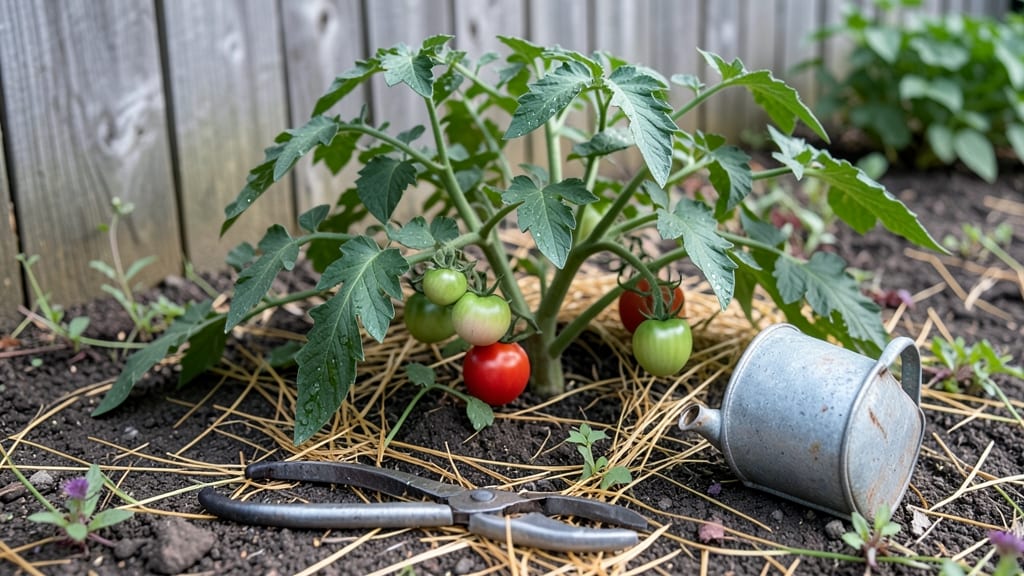
July gardening tasks aren’t just about surviving summer—they’re about thriving while the garden works hardest. ✨ I’ve learned the hard way that skipping pruning now means fewer blooms in August, and ignoring pests this month turns into a full-blown battle later.
The key is staying ahead of heat stress, water needs, and those sneaky critters before they take over.
Start with deadheading spent blooms to keep flowers producing and vegetables like tomatoes and peppers from getting leggy. A sharp pair of pruners and 15 minutes a week makes all the difference—trust me, I’ve let mine get away from me.
July is also prime time to direct-sow heat-loving crops like okra, southern peas, and Swiss chard in warmer zones, while cooler areas can still tuck in fast-growing greens for fall harvests.
What you’ll end up with is a garden that’s not just surviving but flourishing—vibrant blooms, heavy vegetable sets, and lush lawns that handle the heat. The secret? Consistent watering (deep and early in the morning), mulch to lock in moisture, and a quick scout for pests before they become problems.
Think of it as summer maintenance with big payoffs.
Works for backyard gardens, containers, or even small urban plots—just adjust timing based on your zone. Let’s get those July tasks checked off before the heat peaks!
📚 In This Guide
- What you need
- Instructions
- Tips and common mistakes
- Wrapping up and next steps
What you need
- ● Pruning shears – Sharp, bypass-style shears (1 pair) for clean cuts on shrubs and perennials.
- ● Hand pruners – Compact, ergonomic pruners (1 pair) for smaller branches and deadheading.
- ● Loppers – Heavy-duty loppers (1 pair) for thicker branches (up to 2 inches in diameter).
- ● Gloves – Durable, long-sleeved gardening gloves (1-2 pairs) to protect against thorns and pests.
- ● Trowel – Stainless steel trowel (1) for transplanting seedlings and dividing perennials.
- ● Garden fork – Heavy-duty fork (1) for aerating soil and loosening roots.
- ● Watering can or hose with nozzle – A 1-2 gallon watering can or hose with adjustable settings for deep watering.
- ● Mulch – Organic mulch (straw, wood chips, or shredded bark) to retain moisture and suppress weeds (2-3 bags, depending on garden size).
- ● Compost or fertilizer – Slow-release granular fertilizer (e.g., 10-10-10) or compost (5-10 lbs) to feed hungry plants.
- ● Pest control tools: Neem oil spray bottle (1) for organic pest deterrence.
- ● Insecticidal soap (1 bottle) for soft-bodied pests like aphids.
- ● Row covers or netting (1-2 pieces) to protect vulnerable plants.
- ● Soil tester kit – To check pH and nutrient levels before amending soil.
- ● Plant supports – Stakes, cages, or trellises for climbing plants (e.g., tomatoes, cucumbers).
- ● Drip irrigation system – For efficient watering, especially in hot climates.
- ● Solar-powered garden lights – To deter pests and illuminate pathways at night.
- ● Journal or app – To track planting dates, pruning schedules, and pest outbreaks.
Step-by-Step instructions for July gardening tasks
Here’s how to keep your garden thriving this month—no guesswork, just actionable steps.
✂️ Step 1: Prune Overgrown Perennials and Shrubs
July is the perfect time to trim back perennials that have finished blooming, like peonies or daylilies. Use sharp, clean pruners to cut back stems by about one-third—this encourages fresh growth and prevents disease. I always sterilize my tools with rubbing alcohol first to avoid spreading pathogens.
For flowering shrubs like hydrangeas, prune right after they bloom to shape them and promote next year’s flowers. Watch for yellowing leaves or mushy stems—these are signs of stress or disease. Remove only the affected parts immediately to keep the plant healthy.
🌱 Step 2: Plant Heat-Tolerant Vegetables and Herbs
July’s heat means it’s time to sow quick-growing crops like bush beans, carrots, and radishes. Use the remaining seed packets from earlier in the season—just make sure to plant them in well-drained soil with 1-2 inches of compost mixed in. I like to water the soil thoroughly before planting to help roots establish faster.
Herbs like basil, cilantro, and dill thrive in summer heat if they get at least 6 hours of sunlight daily. Plant them in containers or along garden edges where they won’t compete with larger plants. Mulch around the base with 2-3 inches of straw to retain moisture and keep roots cool.
💧 Step 3: Deep-Water and Mulch to Beat the Heat
Water deeply once or twice a week, depending on your climate, to encourage deep root growth. I use a soaker hose to deliver water slowly at the base of plants—this prevents evaporation and keeps leaves dry, which reduces fungal diseases. Early morning is the best time to water, as it gives plants time to dry before evening humidity sets in.
Spread 2-3 inches of mulch around plants to lock in moisture and regulate soil temperature. Organic mulches like shredded leaves or straw also improve soil as they break down. Keep mulch 2 inches away from stems to avoid rot—this small space makes all the difference in preventing dampness-related issues.
🪴 Step 4: Monitor and Control Pests Naturally
Check plants daily for signs of pests like aphids, spider mites, or tomato hornworms. I like to use a strong spray of water from a hose to knock off soft-bodied insects—it’s free and effective. For more stubborn pests, apply neem oil or insecticidal soap in the evening when bees and butterflies are less active.
Encourage beneficial insects like ladybugs and lacewings by planting companion flowers like marigolds or alyssum nearby. These predators feast on garden pests naturally. If you spot chewed leaves or silky webs, act fast—early intervention keeps small problems from becoming major ones.
⏰ Step 5: Harvest Regularly and Deadhead Spent Blooms
Pick vegetables and herbs as soon as they’re ripe to encourage more production. Tomatoes, peppers, and cucumbers all respond well to frequent harvesting. I always use clean pruners or my fingers to avoid damaging the plant—gentle handling keeps everything in top shape.
Deadhead faded flowers on annuals and perennials to redirect energy into new growth. Snip stems just above a set of leaves or a bud, and you’ll see fresh blooms in no time. This simple step extends the flowering season and keeps your garden looking its best all summer long.
Tips & tricks for peak summer gardening success
Here's what I've learned over years of July gardening that makes all the difference between a struggling garden and one that thrives in the heat.
Pruning Precision: When you're cutting back perennials in Step 1, look for the first set of healthy leaves below the faded blooms. Cutting just above this point gives your plant the best chance to regrow. I've ruined too many plants by cutting too low—always leave that growth node! The one-third reduction isn't about exact measurements; it's about maintaining that balance between air circulation and plant energy.
Soil Prep Secret: Before planting those heat-tolerant veggies in Step 2, mix in a handful of egg shells (crushed) with that 1-2 inches of compost. The calcium helps prevent blossom end rot in tomatoes and strengthens cell walls. I learned this the hard way after losing half my tomato crop to that ugly end rot. The egg shells break down slowly and won't alter your soil pH—just add them right into the planting hole.
Watering Wisdom: That once or twice weekly watering in Step 3 works best when you water deeply—aim for about 1 inch of water per week. I use a simple rain gauge or even an old tuna can buried in the soil to measure. Watering in the early morning (before 8am) gives plants time to dry out completely before evening humidity sets in, which dramatically reduces fungal diseases. The key is consistency—better to water thoroughly less often than give plants just a sip.
Pest Prevention: For those stubborn pests in Step 4, I've found that a mixture of 1 part neem oil to 10 parts water with a drop of dish soap works wonders. The soap helps the oil stick to plant surfaces. Apply it in the evening when bees are less active, and reapply after rain. I also plant a border of marigolds around my veggie patch—they're like natural pest repellents and add beautiful color too!
Pro Tips for July Gardening Tasks
- Here's what I've learned over years of July gardening that makes all the difference between a struggling garden and one that thrives in the heat.
- Pruning Precision: When you're cutting back perennials in Step 1, look for the first set of healthy leaves below the faded blooms.
- Soil Prep Secret: Before planting those heat-tolerant veggies in Step 2, mix in a handful of egg shells (crushed) with that 1-2 inches of compost.
Frequently asked questions
about July gardening—because even the greenest thumbs have questions! Here are answers to the most common ones to keep your garden thriving this month.What should I prioritize if I’m overwhelmed with July gardening tasks?
Focus on watering deeply and consistently (especially in heatwaves), pruning dead or diseased foliage to prevent pests, and mulching to retain moisture. If time is tight, tackle these first—everything else can wait until later in the month.
How do I prevent pests like aphids or squash bugs without harsh chemicals?
Start with physical barriers like row covers or neem oil sprays. Introduce beneficial insects (like ladybugs or lacewings) or homemade sprays (soapy water or garlic-chili mix). For severe infestations, isolate affected plants and handpick pests early in the morning.
Is it too late to plant vegetables in July?
Not at all! Opt for heat-tolerant crops like okra, sweet potatoes, or Swiss chard. For cooler-loving veggies (e.g., lettuce), use shade cloth or plant in partial shade. Succession planting (small batches every 2 weeks) extends harvests—just keep soil moist!
How often should I water my garden in July’s extreme heat?
Water deeply 2–3 times per week (early morning or evening) rather than daily shallow watering. Aim for 1–1.5 inches of water per week, and check soil moisture—if the top inch is dry, it’s time to water. Drip irrigation or soaker hoses reduce evaporation and save water.
Can I prune my flowering plants in July, or will it stop them from blooming?
Prune dead or overgrown branches to encourage airflow, but avoid heavy cuts on blooming plants (like roses or hydrangeas) unless they’re leggy. For annuals or perennials, a light trim after flowering promotes fall regrowth. Always use sterilized shears to prevent disease.
Wrapping up and next steps
July is your garden’s prime time—with the right tasks, you’ll enjoy lush blooms, thriving veggies, and a pest-free paradise! From pruning to planting and proactive pest control, these steps set the stage for a stunning summer harvest. 🌿✨
Ready to roll up your sleeves? Start by tackling one task at a time—whether it’s deadheading flowers, mulching beds, or inspecting plants for early signs of trouble. Your garden’s success is just a few weeks of care away! Grab your tools, enjoy the process, and watch your hard work flourish.