
Container Gardens
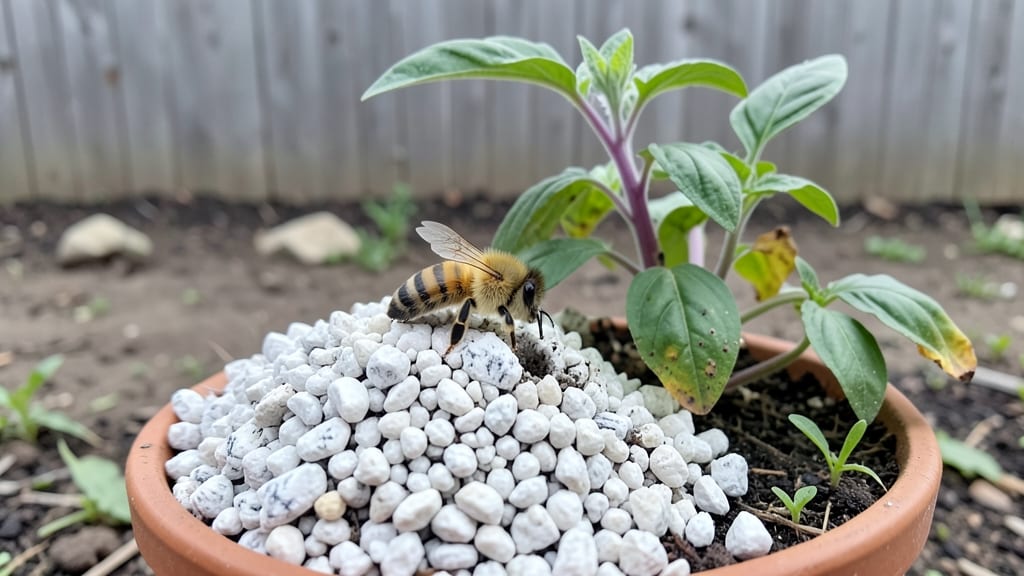
A bee drinking garden ball transforms your yard into a lifeline for pollinators—especially when flowers run dry in late summer. 🌿 I’ve watched bees cluster around mine on 90-degree days, their wings buzzing as they sip from the shallow water.
This isn’t just a decorative piece; it’s a survival tool that keeps your garden thriving by keeping bees alive.
The setup couldn’t be simpler: a hollow ball with tiny holes drilled near the bottom, filled with water and pebbles to prevent drowning. Place it near bee-friendly plants like lavender or coneflowers, where thirsty visitors will find both water and nectar.
The best part? It works year-round, even when rain is scarce, and costs less than $20 to make yourself.
Your garden will hum with activity as bees, butterflies, and even hummingbirds return daily. The pebbles stay clean longer, and the shallow design prevents mosquitoes from breeding. Pair it with a mud puddle (yes, really) for extra pollinator appeal—bees need variety, just like we do.
Works in urban balconies, cottage gardens, or wildflower meadows. The only rule? Keep the water fresh, and watch your ecosystem bloom.
The Hidden Lures Behind Bee Visits
Ever spotted bees sipping from a garden ball and wondered why they’re drawn to it? These tiny pollinators aren’t just random visitors—they’re following a mix of natural instincts, environmental cues, and even clever design tricks. Let’s break down the science behind their fascination.
Bees are wired to seek out sugary rewards, and garden balls often mimic the scent and taste of flowers. Many commercial versions contain sugar-based solutions (like honey or corn syrup) that bees can’t resist. Here’s why:
- Scent Mimicry: Some garden balls are infused with vanilla, citrus, or floral extracts that trigger a bee’s foraging instincts—just like real blooms.
- Color Contrast: Bright colors (red, yellow, or blue) resemble flowers, making the ball stand out to bees’ UV-sensitive vision.
- Sugar as a Reward: Bees associate sweetness with food, so they’ll return repeatedly if the ball offers a reliable source.
Pro Tip: 💡 If you’re making your own, use organic cane sugar or agave syrup—bees prefer these over artificial sweeteners!
Bees don’t just drink nectar—they also need water for survival. Garden balls often double as water sources, especially in dry climates. Here’s how it works:
- Moisture Retention: The porous material of some balls holds water, creating a self-refilling station for bees.
- Mineral Licks: Bees collect salts and minerals from damp surfaces, which they use to regulate their bodies.
- Shade & Safety: A hanging ball provides a protected spot to drink without predators lurking.
Pro Tip: 🌡️ In hot weather, place the ball in partial shade—bees avoid overheated water sources!
Bees are social creatures, and once one discovers a food or water source, they share the location with their hive. Here’s how garden balls become hotspots:
- Pheromone Signals: Worker bees release chemical signals to recruit others, turning a single ball into a hive-wide watering hole.
- Consistent Location: Bees memorize landmarks (like your garden’s layout), so a permanently placed ball becomes a trusted stop.
- Seasonal Reliability: Unlike wildflowers (which bloom sporadically), a garden ball offers year-round sustenance, making it a go-to spot.
Pro Tip: ✨ Hang balls in multiple locations—bees will patrol their favorite routes, increasing pollination!
Next up, we’ll explore how to optimize these bee magnets for maximum effectiveness—without harming our tiny visitors.
Simple fixes for pollinator problems
Transforming your garden into a buzzing haven for bees doesn’t have to be complicated—especially when dealing with unexpected issues like bees congregating around garden balls or other water sources. Below, we’ve mapped out practical solutions tailored to common causes, from quick fixes to long-term strategies.
Think of this as your go-to troubleshooting guide for keeping your garden both bee-friendly and hassle-free. 🐝💧
If you’ve noticed bees struggling to escape water-filled garden balls or shallow dishes, they may be getting trapped. Bees aren’t strong swimmers, and even a small amount of water can be dangerous.
How to Fix It:
- 🔥 Add Floating Caps or Lids: Place small caps (like bottle caps or corks) on the water’s surface. Bees can land on them to escape without drowning.
- 🍳 Use a Bee-Friendly Water Dispenser: Opt for a bee waterer—a shallow dish with pebbles or a ramp that allows bees to drink safely without falling in.
- 👨🍳 Create a Gentle Slope: Fill a shallow container with marbles or pebbles, then add water just enough to cover them. Bees can perch on the stones to sip without risk.
Prevention Tips:
- ✨ Avoid Deep Containers: Stick to shallow dishes (1–2 inches deep) for water sources.
- 🌡️ Refresh Water Daily: Stagnant water attracts mosquitoes, which can deter bees. Keep it fresh!
- 🎯 Place Near Flowers: Position water sources close to blooming plants so bees can hydrate without wandering too far.
If your garden balls are becoming a hotspot for bees, they might be drawn to the moisture, nectar, or even the material itself (some bees are attracted to resinous or sugary surfaces). Overcrowding can stress the colony and reduce their effectiveness as pollinators.
How to Fix It:
- 🔪 Trim Nearby Plants: If bees are clustering around a specific ball, check for nearby overgrown or nectar-rich plants (like mint or clover) that might be drawing them in. Trim back aggressive growers to redistribute their attention.
- 🥘 Rotate Water Sources: Move garden balls or water dishes every few days to prevent bees from treating one spot as their permanent watering hole.
- 🍎 Offer Alternative Nectar: Plant bee-friendly flowers (like lavender, sunflowers, or bee balm) nearby to give bees a variety of food sources, reducing reliance on your garden balls.
Prevention Tips:
- 💡 Space Out Water Sources: If you have multiple garden balls, space them at least 3–4 feet apart to avoid overcrowding.
- 🔥 Use Multiple Small Containers: Instead of one large garden ball, use several smaller dishes. Bees prefer variety!
- 🌿 Add a Drip System: Install a drip irrigation line near flowers to provide a natural water source that’s less appealing for overcrowding.
Sometimes, garden balls attract more than just bees—ants, wasps, or even spiders might move in, creating an unwelcome ecosystem. This can stress bees or even drive them away.
How to Fix It:
- 🔥 Introduce Natural Predator Deterrents: Place citrus peels or crushed garlic around the garden ball to repel ants and other pests (bees won’t mind these scents!).
- 🍳 Use a Thin Layer of Oil: Add a drop of vegetable or coconut oil to the water surface. This creates a barrier that deters ants and mosquitoes while still allowing bees to drink.
- 👨🍳 Relocate Aggressive Visitors: If wasps are dominating, move the garden ball to a shadier spot (wasps prefer sun) or cover it with a fine mesh during peak wasp hours (late afternoon).
Prevention Tips:
- ✨ Choose the Right Location: Place garden balls in part-shade to discourage wasps while keeping them accessible for bees.
- 🌡️ Keep It Clean: Remove any debris or fallen petals from the garden ball to prevent mold or pests from taking hold.
- 🎯 Monitor Regularly: Check your garden balls 2–3 times a week for signs of pests and address them early.
With these fixes, your garden balls will become a safe, thriving hub for bees—without the drama. The key is balance: provide what bees need while keeping their environment stress-free. Now, go forth and create a pollinator paradise! 🌼🐝
Frequently asked questions
What materials can I use to make a DIY bee drinking ball?
For a safe and effective DIY version, use a plastic or ceramic ball with small holes drilled near the bottom. Add pebbles or marbles to create a safe landing surface for bees. Avoid metal or treated wood, as bees may avoid these materials. A 1-2 inch diameter ball works best for most gardens.
How often should I refill the water in a garden ball?
Check and refill the water every 2-3 days, especially in hot weather. Stagnant water can breed mosquitoes or become unsafe for bees. In cooler months, you may only need to refresh it weekly. Always use clean, fresh water to keep your pollinators healthy.
Can garden balls attract pests like wasps or ants?
Yes, they can! To deter pests, add a thin layer of vegetable oil to the water surface (bees can still drink safely). Place citrus peels nearby to repel ants. For wasps, position the ball in partial shade—they prefer sunny spots. Regular cleaning also helps prevent unwanted visitors.
Where’s the best place to hang a bee drinking ball?
Place it near bee-friendly flowers like lavender or sunflowers, but avoid direct sunlight during peak heat (10 AM-2 PM). A height of 1-2 feet off the ground works well—low enough for bees to access but high enough to deter ground predators. Shade from nearby plants or a small umbrella helps keep water cool.
Will bees get trapped in the water?
Not if designed properly! Use a ball with pebbles or a floating escape ramp (like bottle caps). Bees can land safely and drink without drowning. Avoid deep containers—1-2 inches of water is ideal. Always supervise new setups until you confirm bees can access it safely.