
Vegetables
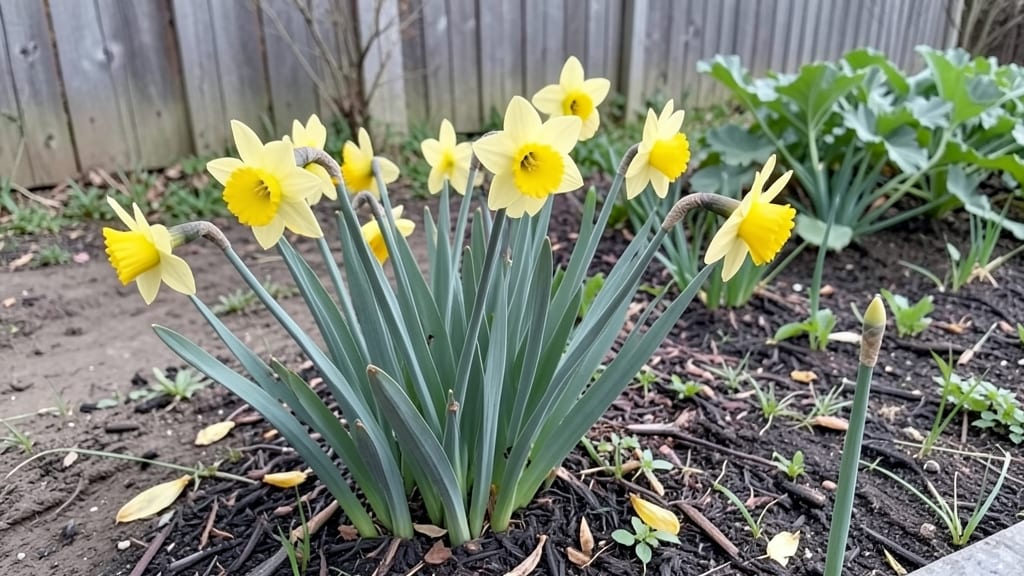
My gardens with daffodils started as an experiment in springtime cheer, but now they’re the backbone of my entire planting plan. 🌱 Those bright yellow trumpets don’t just announce spring—they create a pollinator magnet that keeps bees buzzing for weeks, even when other flowers are still asleep.
The secret isn’t just planting them; it’s layering them with perennials that take over as the season shifts.
Start with 10-15 bulbs per square foot for a natural look, then tuck in early-blooming crocuses and alliums for extra early color. By late spring, your daffodils will hand off to peonies, catmint, or even ornamental grasses—so you never have a bare spot.
The key is choosing varieties with staggered bloom times, like the early ‘Tête-à-Tête’ alongside the late ‘Ice Follies.’
What you’ll end up with is a garden that feels alive from February through fall. The scent of fresh daffodil petals on a crisp morning is unbeatable, and the way they bounce back year after year makes them the ultimate low-maintenance star.
Plus, deer and squirrels leave them alone—unlike most spring blooms.
Works in borders, containers, or even under trees where nothing else thrives. Here’s how to make them the star without overpowering the rest of your space—no green thumb required.
📚 In This Guide
- What you need
- Instructions
- Tips and common mistakes
- Wrapping up and next steps
What you need
- ● Daffodil bulbs: 10–20 bulbs per square foot (choose early-, mid-, or late-blooming varieties for year-round color).
- ● Well-draining soil: Mix in 2–3 inches of compost or organic matter to improve fertility and drainage.
- ● Mulch: 2–3 inches of shredded bark, straw, or pine needles to retain moisture and suppress weeds.
- ● Garden gloves: A pair to protect your hands while planting.
- ● Hand trowel or bulb planter: For easy digging and bulb placement.
- ● Watering can or hose with a gentle spray nozzle: For post-planting hydration.
- ● Pollinator-friendly plants: Pair daffodils with lavender, bee balm, or catmint for a buzzing garden.
- ● Garden stakes or labels: To mark bulb locations and track varieties.
- ● Slow-release fertilizer: A balanced, low-nitrogen option (like 5-10-10) to boost bulb health.
- ● Rocks or edging: For a polished look around daffodil beds.
Step-by-Step design for a daffodil-focused pollinator garden
Here's how to create a vibrant, low-maintenance garden that blooms early and keeps pollinators buzzing all season.
🌱 Step 1: Choose Your Daffodil Varieties for Seasonal Interest
Start with 4-6 different daffodil varieties to ensure continuous blooms from late winter through spring. I recommend mixing early bloomers like 'February Gold' with mid-season varieties such as 'Ice Follies' and late bloomers like 'Tête-à-Tête'. This creates a cascading effect where one variety fades just as another begins.
Select colors strategically—white and yellow daffodils attract the most pollinators, while orange and red varieties add visual contrast. Plant at least 3 bulbs per variety in clusters of 5-7 for natural drifts that look intentional. I always group them in odd-numbered clusters to create visual balance and prevent the garden from looking too formal.
🪴 Step 2: Prepare the Planting Site for Long-Term Success
Daffodils thrive in full sun to partial shade with 6+ hours of sunlight daily. Choose a spot with well-draining soil—daffodils rot quickly in soggy conditions. If your soil is heavy clay, amend it with 2-3 inches of compost mixed into the top 12 inches of soil.
Test your soil's pH—daffodils prefer slightly acidic to neutral soil (pH 6.0-7.0). If your soil is alkaline, add sulfur or peat moss to lower the pH gradually. Mark the planting area with stakes to visualize the layout before digging. I like to sketch a rough design first to ensure even spacing and visual impact.
☀️ Step 3: Plant Bulbs for Early Spring Color and Pollinator Appeal
Plant bulbs in fall, 6-8 weeks before the first frost when soil temperatures drop below 60°F. Dig holes 6-8 inches deep—about 3 times the bulb's height—and space them 4-6 inches apart in clusters. This depth ensures strong root development over winter.
Place bulbs with their pointed ends facing upward. I always add a handful of slow-release bulb fertilizer to each hole to provide nutrients during early growth. After planting, water deeply to settle the soil and encourage root growth. Mulch with 2-3 inches of shredded bark to protect bulbs from freezing temperatures and retain moisture.
🌿 Step 4: Layer With Pollinator-Friendly Perennials for Year-Round Interest
Combine daffodils with early blooming perennials like heather, lungwort, and crocus to extend the season. These plants fill gaps while daffodils are dormant and provide nectar for bees and butterflies. Add grasses like feather reed grass for texture and movement, which also attracts beneficial insects.
Include late-season bloomers like black-eyed Susans and coneflowers to keep pollinators visiting long after the daffodils fade. I plant these in the background to create depth and ensure continuous color. Space perennials 12-18 inches apart to allow airflow and prevent disease, which is especially important in humid climates.
✂️ Step 5: Maintain and Refresh for Continuous Blooms
After daffodils finish blooming, remove spent flower stems but leave the foliage until it yellows naturally. This ensures the bulb stores energy for next year's blooms. I fertilize in early fall with a balanced 10-10-10 fertilizer to support root growth and next season's flowers.
Divide and replant bulbs every 3-5 years when blooms become sparse. Dig up clumps in late summer, separate the bulbs, and replant the healthiest ones. This rejuvenates the garden and prevents overcrowding. Water deeply once a month during dry spells to keep the soil evenly moist but not soggy.
Tips & tricks for perfect daffodil pollinator gardens
Creating a thriving daffodil garden that attracts pollinators all season takes a few strategic moves—here's what I've learned the hard way.
Variety is Key: When selecting your 4-6 daffodil varieties, prioritize those with staggered bloom times. I once planted all early bloomers and was left with a bare garden by April—don't make my mistake! Include at least one variety that blooms in each of the three time periods (early, mid, late season) for continuous color. The color contrast between white/yellow and orange/red varieties also creates visual interest that pollinators love.
Soil Preparation Matters: The 2-3 inches of compost mixed into the top 12 inches of soil isn't just about nutrients—it's about drainage. Daffodils absolutely hate soggy feet! If your soil is heavy clay, consider adding perlite or coarse sand to improve drainage. I test my soil pH annually because even slightly alkaline soil (above 7.0) can stress daffodils over time.
Planting Depth and Spacing: Those 6-8 inch deep holes and 4-6 inch spacing between bulbs might seem tight, but they're perfect for creating natural-looking drifts. The depth ensures strong root development, while the spacing prevents overcrowding that leads to smaller blooms. I always plant bulbs with their pointed ends up—this might seem obvious, but I've seen many gardeners plant them sideways!
Layering for Pollinators: The early blooming perennials like heather and crocus you plant in Step 4 are crucial—they provide nectar when daffodils are still dormant. I like to add a few feather reed grass clumps for movement and texture, which attracts beneficial insects. These grasses also help prevent soil erosion in the spring when daffodil foliage is still growing.
Pro Tips for Gardens With Daffodils
- Creating a thriving daffodil garden that attracts pollinators all season takes a few strategic moves—here's what I've learned the hard way.
- Variety is Key: When selecting your 4-6 daffodil varieties, prioritize those with staggered bloom times.
- Soil Preparation Matters: The 2-3 inches of compost mixed into the top 12 inches of soil isn't just about nutrients—it's about drainage.
Frequently asked questions
Got questions about creating a stunning garden with daffodils? You’re not alone! Here are some of the most common queries—and their answers—to help you design a vibrant, pollinator-friendly space with ease.
When is the best time to plant daffodils for spring blooms?
Plant daffodil bulbs in fall, 6–8 weeks before the first hard frost (typically October–November in most U.S. zones). This gives roots time to establish before winter. For year-round color, stagger planting: early bloomers (like ‘Tête-à-Tête’) in fall, mid-season varieties in late fall, and late bloomers (like ‘Ice Follies’) in winter.
Why aren’t my daffodils blooming this year?
Daffodils need full sun (6+ hours/day) and well-draining soil to thrive. Overcrowded bulbs or poor nutrition (like low potassium) can also stunt blooms. Divide bulbs every 3–5 years and fertilize in early spring with a balanced bulb food (like 10-10-10) for a comeback. Patience helps—some varieties take 2–3 years to reach peak performance!
Are daffodils good for pollinators like bees?
Yes! While daffodils aren’t a bee favorite (their nectar is minimal), they’re deer-resistant and provide early-season pollen for bees when few other flowers are blooming. Pair them with bee-friendly plants like crocus, hellebores, or lavender for a pollinator powerhouse. Plus, their toxic sap deters pests like squirrels!
Can I mix daffodils with other spring bulbs?
Daffodils pair beautifully with tulips, hyacinths, and grape hyacinths for layered color. For height contrast, plant tall daffodils (like ‘Thalia’) behind shorter bulbs. Avoid planting daffodils near alliums or snowdrops—they can compete for nutrients. Pro tip: Use moss or mulch to separate bulbs if needed!
How do I keep daffodils looking fresh after blooming?
Leave foliage intact until it yellows (4–6 weeks post-bloom)—this fuels next year’s flowers! Deadhead spent blooms (but don’t cut stems), and fertilize lightly in early fall. For year-round interest, add ornamental grasses or ferns to fill gaps. Mulch with compost or shredded bark to retain moisture and suppress weeds.
| Quick Troubleshooting Guide |
|---|
|
Wrapping up and next steps
Transforming your garden into a vibrant haven with daffodils isn’t just about beauty—it’s about creating a thriving ecosystem that blooms year-round and supports pollinators. From choosing the right varieties to designing for seasonal interest, these cheerful flowers bring joy, color, and life to any space.
Whether you’re a seasoned gardener or just starting out, the key is to start small, plan intentionally, and let nature guide you.
Ready to dive in? Pick one section of your garden—a sunny border, a shady corner, or even a container—and plant a few daffodil bulbs this fall. Watch as they reward you with early spring blooms, and soon, your garden will be buzzing with color and life! 🌱✨