
Pests and Diseases
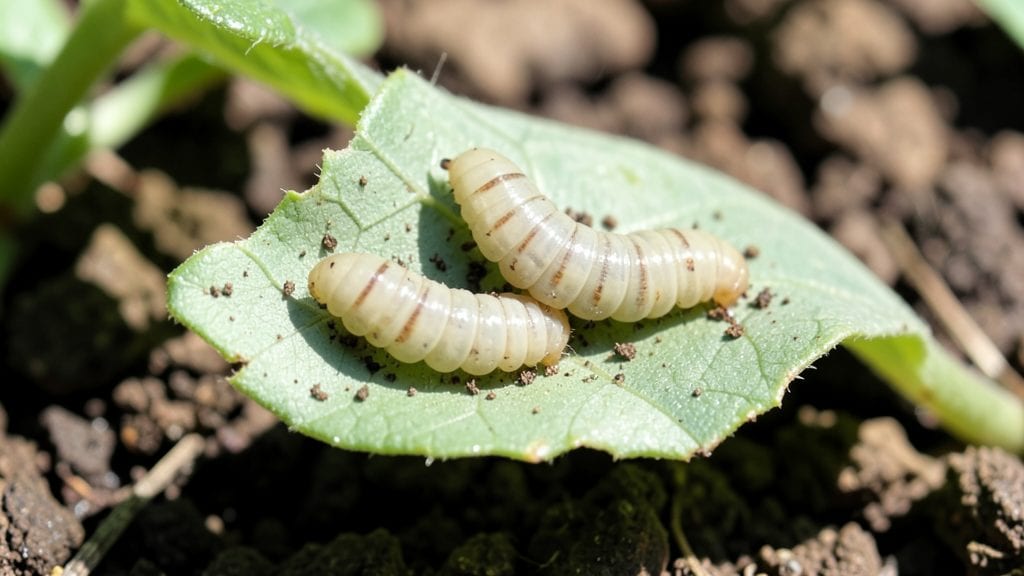
Dealing with those bad worms in garden soil—whether they’re cutworms feasting on seedlings or grubs tunneling through roots—is every gardener’s worst nightmare, especially when you want solutions that don’t poison the soil or nearby wildlife.
I’ve tested humane traps, baits, and soil fixes that actually work, and none of them involve chemicals that linger or harm earthworms or beneficial insects.
Most of these "bad" worms—like cutworms or Japanese beetle grubs—thrive in compacted, nutrient-poor soil. The fix isn’t just trapping them; it’s improving soil health so plants become less appealing.
I’ll show you how to combine drowning traps (for cutworms), beer baits (for grubs), and compost amendments (to starve them out) without harming a single earthworm in the process.
By the end, your garden will have fewer chewed stems and fewer tunnels in the roots—without the guilt of using pesticides. You’ll also learn how to spot early signs (silver dollar-sized holes in leaves, wilting seedlings at night) so you can act before the damage spreads.
The best part? These methods work in vegetable beds, flower gardens, and even potted plants.
No more losing plants to hidden pests, and no more wondering if your soil’s still safe for next season. Let’s get those worms out of your garden the right way—permanently.
Root Causes of Soil Worm Problems
Understanding why your garden soil attracts—or overpopulates with—unwanted worms is the first step to solving the issue naturally. These critters often thrive due to specific conditions in your garden ecosystem.
Let’s break down the key reasons your soil might be hosting an unwanted worm party, and what’s really fueling their growth.
Worms, including earthworms and their less desirable cousins (like cutworms or grubs), are drawn to soil that’s packed with decomposing plant material. While compost is great for soil health, too much rotting debris—especially in dense pockets—can create a worm buffet. Here’s why:
- Anaerobic zones: When organic matter decomposes too quickly in compacted or waterlogged soil, it creates low-oxygen pockets where harmful worms thrive.
These areas become their breeding grounds because they mimic their natural habitat in decaying wood or leaf litter. - Attracts predators: Some worms (like cutworms) are actually larvae of moths that lay eggs in moist, decaying organic matter.
If your soil has old mulch, uneaten fruit, or buried plant waste, you’re essentially inviting their life cycle to begin. - Nutrient imbalance: Excess nitrogen from over-fertilized or manure-heavy soil can stimulate worm populations beyond what’s healthy for your plants.
Worms break down organic matter, but an explosion in their numbers means they’re competing with your plants for nutrients.
Actionable fix:
- Turn and aerate compost piles or garden beds to speed up decomposition and reduce anaerobic zones.
- Remove old mulch and replace it with a thin layer of straw or shredded leaves to deter egg-laying pests.
- Balance fertilizers: Use slow-release or organic options (like compost tea or worm castings) to avoid nitrogen spikes.
Worms love moisture—but too much water turns your garden into a swampy paradise for the wrong kind.
Poor drainage creates conditions where: - Grubs and cutworms (larvae of black beetles and moths) survive longer because their pupal stage requires damp soil. - Earthworm cousins like enchytraeids (tiny, hair-like worms) overpopulate in soggy soil, outcompeting beneficial worms. - Fungal infections (like root rot) weaken plants, making them more vulnerable to worm damage as they bore into stressed roots.
Signs your soil is too wet:
- Puddles linger for days after rain.
- Plant leaves turn yellow or wilt despite regular watering.
- The soil smells musty or sour (not fresh, earthy).
Actionable fix:
- Test your soil’s drainage: Dig a 12-inch hole, fill it with water, and time how long it takes to drain. If it’s slower than 4 hours, amend with sand, perlite, or coconut coir.
- Raise beds or install French drains in problem areas.
- Avoid overwatering: Stick to deep, infrequent watering (1–1.5 inches per week) and water in the morning to reduce evaporation.
Healthy soil has a loose, crumbly texture that beneficial worms (like nightcrawlers) love because it’s easy to tunnel through.
But when soil is compacted or frequently disturbed, it creates a highway for pests: - Cutworms and grubs burrow into loosened topsoil after tilling or digging, using it as a shield from predators and birds. - Compaction reduces oxygen, forcing worms to surface at night (where they’re more visible and damaging to seedlings). - Freshly turned soil (from gardening or construction) exposes worm eggs and larvae to ideal hatching conditions.
Actionable fix:
- Minimize tilling: Use no-dig gardening or mulch top-dressing to preserve soil structure.
- Add organic matter: Mix in compost or leaf mold to improve aeration naturally.
- Use a broadfork (a garden tool) to loosen soil without inverting layers, which disrupts worm habitats less than a tiller.
In a balanced ecosystem, birds, toads, shrews, and ground beetles keep worm populations in check. But if these predators are missing, pests like cutworms or grubs can multiply unchecked.
Common reasons for predator shortages: - Overuse of pesticides: Chemicals like neonicotinoids kill beneficial insects that eat worm larvae. - Habitat loss: Removing leaf litter, rocks, or brush piles eliminates hiding spots for predators. - Monoculture gardening: Planting the same crops year after year reduces biodiversity, which worms exploit.
Actionable fix:
- Encourage predators:
- Install a birdhouse or bat box to attract natural worm hunters.
- Leave some leaf litter in corners of the garden as shelter.
- Avoid broad-spectrum pesticides: Opt for targeted solutions (like Bt spray for cutworms) that don’t harm wildlife.
- Plant diverse crops: Include marigolds, dill, or alyssum to attract predatory insects.
Worms are highly sensitive to temperature and moisture cycles.
Certain conditions supercharge their reproduction: - Warm, humid springs: Perfect for cutworm eggs to hatch en masse after winter. - Cool, wet summers: Ideal for grubs to survive longer in the soil. - Late-season moisture spikes: Can revive dormant worm eggs just as plants are vulnerable.
Actionable fix:
- Monitor weather patterns: Use a soil thermometer to track when temps hit 60–75°F (the sweet spot for worm activity).
- Adjust planting times: Avoid sowing seeds in early spring or late summer when worm pressure peaks.
- Use row covers over seedlings to block egg-laying moths during high-risk periods.
Sometimes, well-meaning gardening practices accidentally create worm hotspots:
- Over-mulching with straw or grass clippings: Creates a thick, moist layer where cutworms hide and feed.
- Planting near woodpiles or compost heaps: Attracts sowbugs and pill bugs, which bring along parasitic worms.
- Using untreated wood chips: Some (like cedar or black walnut) can repel beneficial worms while attracting pests that tolerate the chemicals.
Actionable fix:
- Space mulch and compost piles at least 3 feet away from garden beds.
- Choose mulch wisely: Stick to shredded hardwood, straw, or pine needles (avoid fresh grass clippings).
- Store firewood upright and off the ground to deter burrowing pests.
Quick Fixes for Healthy Soil
Unwanted worms in your garden soil can feel like a nightmare—but the good news is, you can restore balance without harming beneficial critters or the environment. Below, we’ve mapped practical, humane solutions to each common cause, so you can tackle the problem step by step.
Prevention tips are included to keep your soil thriving long-term!
Cause: These pests chew through young plants at night, leaving jagged holes. Solution: ✅ Handpick at dusk – Use a flashlight to spot cutworms hiding near soil. Drop them into a bucket of soapy water (humane and effective). ✅ Collar young plants – Wrap the base of seedlings with cardboard or foil (3–4 inches high) to block cutworms from climbing up. ✅ Encourage natural predators – Attract birds (like robins) with shallow dishes of water or plant marigolds to deter pests.
💡 Pro Tip: Avoid chemical pesticides—they kill beneficial insects like ladybugs and earthworms!
Cause: White grubs (larvae of beetles) or earthworms in excess can deplete nutrients and damage roots. Solution: ✅ Diatomaceous earth (DE) – Sprinkle food-grade DE around plants. It’s non-toxic to humans/pets but dehydrates soft-bodied pests (reapply after rain). ✅ Nematode treatment – Introduce beneficial nematodes (like Heterorhabditis bacteriophora) to target grubs naturally. Mix with water and apply to soil. ✅ Crop rotation – Avoid planting susceptible veggies (like corn or potatoes) in the same spot yearly.
⚠️ Warning: Never use chemical nematicides—they harm soil microbes and pollinators.
Cause: These slender, brown larvae burrow into roots, stunting plant growth. Solution: ✅ Milk spray barrier – Mix 1 part milk to 9 parts water, spray on soil. The lactic acid disrupts their feeding patterns (reapply weekly). ✅ Chop-and-drop mulch – Use straw or grass clippings to smother larvae while improving soil health. ✅ Trap cropping – Plant radishes or beans nearby—wireworms prefer these over your main crops.
🌡️ Heat Treatment (For Severe Cases):
- Water the soil, then cover with black plastic for 2–3 weeks in summer. The heat (100°F+) kills larvae without chemicals.
Cause: Poor soil health, overwatering, or lack of biodiversity attract pests. Solution: ✅ Improve drainage – Test soil pH (aim for 6.0–7.0) and amend with compost or perlite to reduce moisture buildup. ✅ Plant companion crops – Garlic, onions, and thyme repel many soil-dwelling pests naturally. ✅ Encourage biodiversity – Leave leaf litter in corners of the garden to attract ground beetles (natural predators).
🎯 Long-Term Hack:
- Rotate crops annually and avoid planting the same family (e.g., tomatoes, peppers) in the same bed for 3+ years.
| Problem | Best Time to Treat | Signs It’s Working |
|---|---|---|
| Cutworms | Evening (when active) | Fewer chewed stems after 1 week |
| Grubs | Early spring or fall | Healthier plant roots in 2 weeks |
| Wireworms | Late spring (after planting) | Stronger seedlings in 3–4 weeks |
Final Reminder: Most "bad worms" are just misunderstood guests. With the right approach, your soil can stay balanced, pest-free, and full of life—without harming the ecosystem. 🌱✨
Frequently asked questions
Are all garden worms harmful?
No! Earthworms and nightcrawlers are actually beneficial—they aerate soil and improve fertility. The "bad worms" like cutworms, grubs, or wireworms are pests that damage plants. Learn to spot the difference: beneficial worms leave behind castings (dark, crumbly droppings), while pests create jagged holes in leaves or tunnels in roots.
Why do I see more worms after rain?
Rain triggers worm activity because damp soil makes it easier for them to move and feed. Cutworms and grubs also hatch more quickly in moist conditions. To reduce damage, water plants at the base (not overhead) and use mulch to stabilize soil moisture—this discourages pests from surfacing.
Will beer traps work for grubs?
Yes! Bury a shallow container filled with beer near affected areas—grubs are attracted to the yeast and drown. Refresh the beer every 2–3 days for best results. For cutworms, try a "drowning trap" (a buried can with water) instead. Both methods are humane and chemical-free.
Can I still use my soil after treating worms?
Natural methods like diatomaceous earth or nematodes break down safely. Just avoid chemical pesticides, which linger and harm future plants. After treatment, add compost to restore beneficial microbes—your soil will be healthier than ever.
How do I know if my plants are dying from worms?
Look for these signs: chewed stems (cutworms), wilting seedlings at night (grubs), or stunted growth with no visible pests (wireworms). Dig gently—if roots are riddled with tunnels or larvae, worms are the culprit. Compare healthy plants nearby to confirm.