
Container Gardens
Small backyards don’t mean small harvests. These 10 space-saving raised garden designs maximize yield in tight spaces while adding beauty, functionality, and sustainability to your outdoor area—perfect for urban homesteaders and plant enthusiasts alike.
Vertical Stacked Planters for Herbs
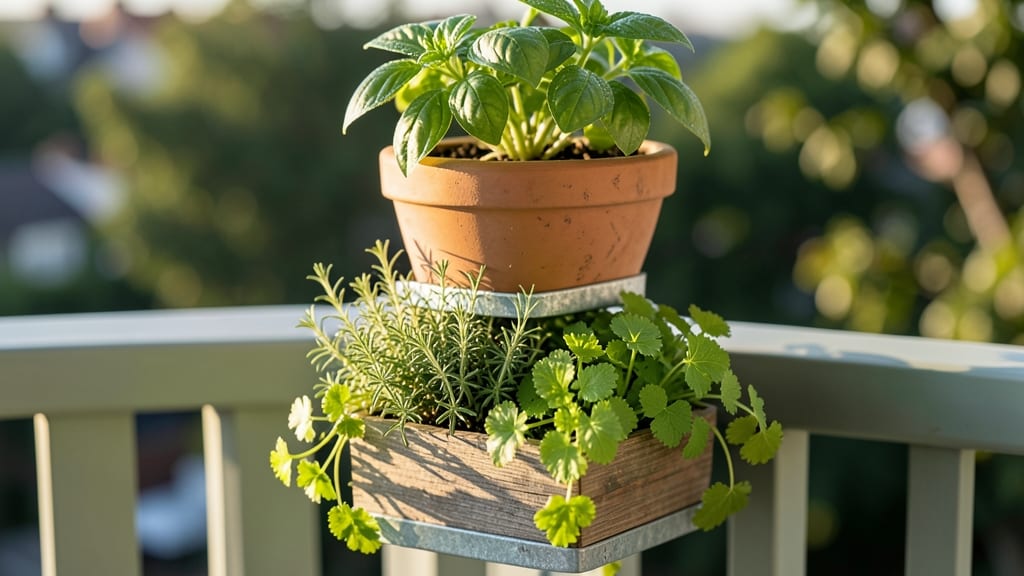
Turn your balcony or patio into a fragrant, space-saving herb haven with vertical stacked planters. These 3-tiered designs let you grow six or more herb varieties—like basil, thyme, parsley, and mint—without sacrificing floor space. The tiered structure ensures each plant gets the sunlight it craves, with taller herbs (like rosemary) on the bottom and leafy greens (like cilantro) on top.
Start with a wooden or fabric planter system that’s lightweight yet sturdy, and choose herbs with similar water needs to simplify care. Place the stack in a spot with at least 6 hours of sun daily, and use well-draining potting mix to prevent root rot. The top tier is perfect for fast-growing herbs like chives, while the middle and bottom tiers support deeper-rooted varieties.
This design is a game-changer for urban gardeners, renters, or anyone with limited space. It keeps your herbs within arm’s reach while adding a lush, aromatic focal point to any outdoor area. 🌱
Square Foot Grid Raised Bed
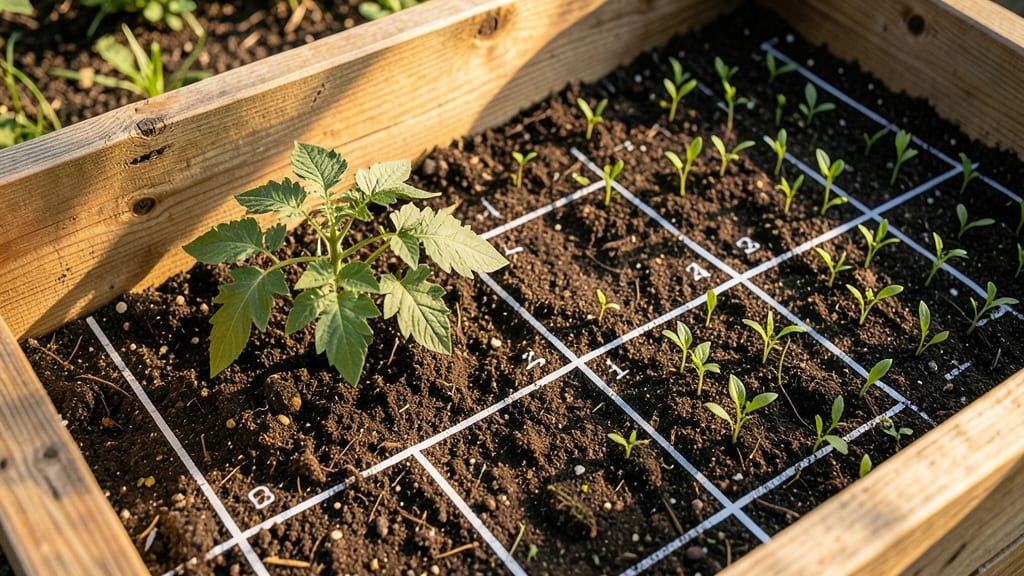
Tired of guessing how much space to leave between plants? The square foot grid raised bed turns gardening into a precise, stress-free puzzle. This 4’x4’ cedar frame divides your bed into 16 labeled squares, each perfectly sized for specific plants—like 1 tomato per square or 16 radishes. The grid eliminates overcrowding while maximizing every inch of space.
Start by filling the bed with high-quality raised bed mix (60% inorganic, 30% peat, 10% compost). Then, use a plant spacing chart to assign crops to squares—bush beans in 4-square blocks, lettuce in 9-square clusters. Rotate crops yearly to prevent soil depletion, and watch your yield soar in just 16 square feet of space.
This system is ideal for first-time gardeners who want structure without complexity, or urban growers with limited real estate. No more wasted space or failed experiments—just organized, high-yield harvests in record time. 💪
Spiral Herb Garden Planter
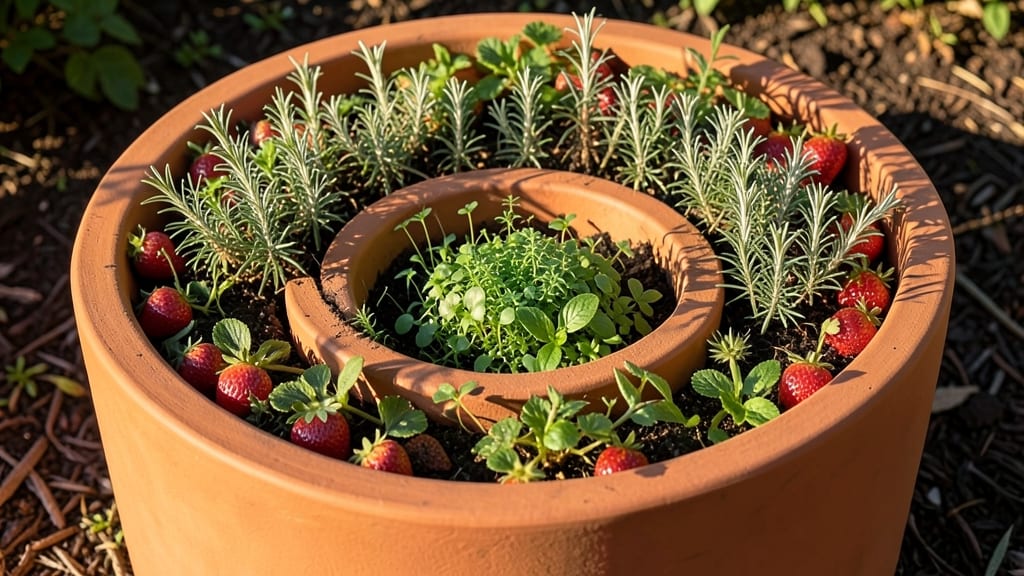
Turn your backyard into a living work of art with a spiral herb garden planter, where functionality meets whimsy. This circular design lets you grow herbs, strawberries, and microgreens in concentric rings, creating a stunning visual while catering to each plant’s unique needs—like sun-loving rosemary on the outer edge and shade-tolerant chives near the center.
Start with a terracotta or cedar planter (3–4 feet wide) and divide the spiral into sections: place drought-tolerant herbs like thyme and oregano on the outer curve for maximum sunlight, while moisture-loving microgreens thrive in the inner, slightly shaded rings. Add strawberries along the edges for trailing beauty and easy harvesting. Mulch with straw to retain moisture and suppress weeds, then water from the center outward to ensure even distribution.
This design is perfect for urban gardeners with limited space who want both beauty and bounty. The spiral’s natural flow makes it a conversation starter while keeping maintenance simple—ideal for small patios or as a centerpiece in your garden. 🌿
Window Box Raised Garden
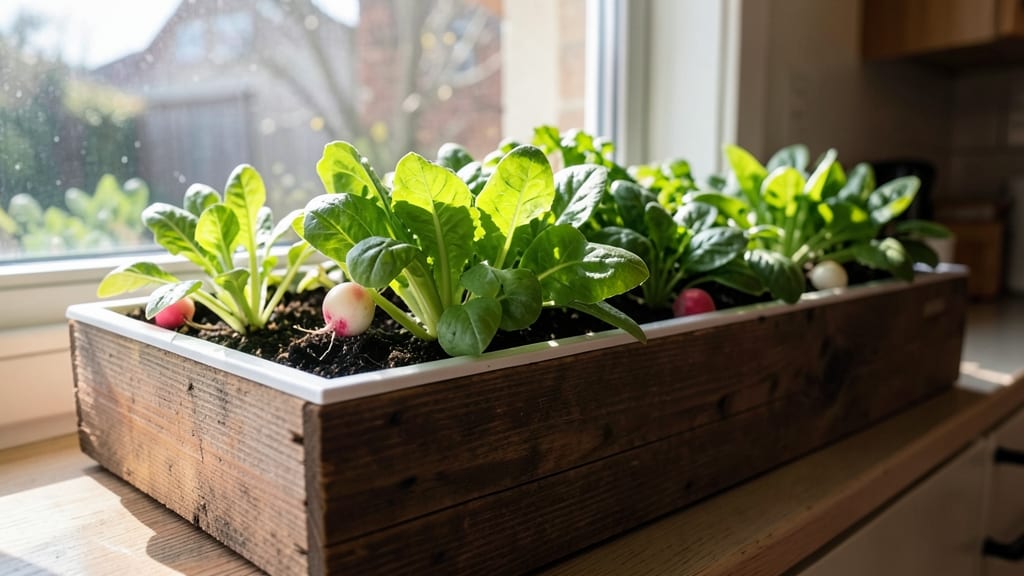
Turn your kitchen window into a fresh salad bar without stepping outside! A window box raised garden repurposes empty sills into a thriving micro-farm for lettuce, spinach, and radishes, with the added bonus of easy pest control—just shut the window when bugs appear.
Use deep, narrow planters (at least 12 inches deep) to accommodate root crops like radishes while keeping soil moist. Plant fast-growing greens like arugula and edible flowers (nasturtiums) to deter pests naturally. The morning sun from an east-facing window is ideal for leafy greens, while a south-facing box can handle heat-loving radishes.
This design is perfect for urban gardeners with limited space or anyone who wants fresh greens within arm’s reach. Plus, the aesthetic appeal turns your home’s exterior into a living, edible display. 🌿
Tiered Pallet Garden
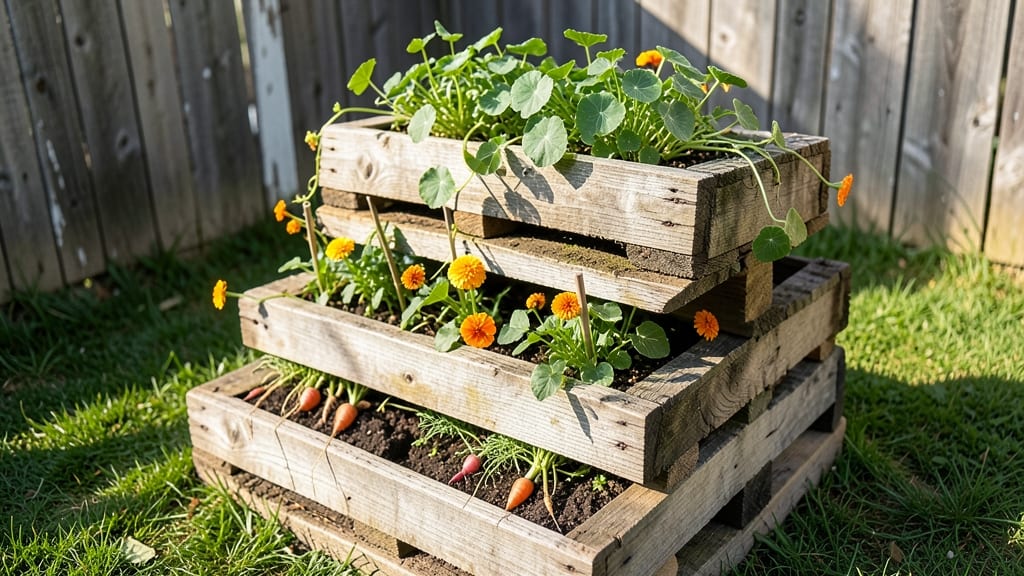
Transform old wooden pallets into a sustainable, multi-level garden that grows more in less space—no fancy tools required. This upcycled design turns discarded materials into a functional, rustic garden perfect for root vegetables, bush beans, and flowering plants like marigolds or nasturtiums.
Start by stacking heat-treated pallets (stamped "HT") with 12-inch gaps between tiers for airflow. Drill 1-inch drainage holes in the bottom of each compartment and line the pallets with landscape fabric to prevent soil loss. For water efficiency, run a drip irrigation tube along the top edge—water cascades down to each level, reducing waste. Plant carrots, radishes, and pole beans in the lower tiers where they can sprawl, while flowers brighten the top layers.
This design is a game-changer for budget-conscious gardeners or those with limited space—it’s free, customizable, and adds a rustic-chic touch to your backyard. Plus, the vertical structure keeps pests like slugs at bay. 🌻
Hanging Basket Vegetable Garden
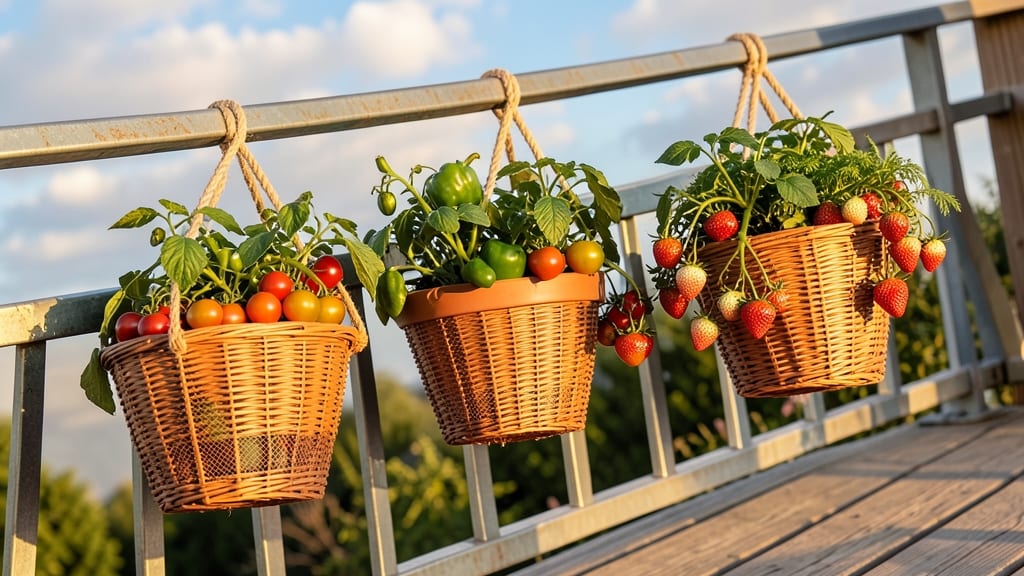
Turn your patio or deck into a fruitful harvest zone without sacrificing floor space. Hanging basket vegetable gardens let you grow cherry tomatoes, peppers, and strawberries in suspended planters, perfect for sunny balconies or decks where ground space is scarce.
Choose compact, bush varieties like 'Tiny Tim' tomatoes or 'Patio' peppers to thrive in 10-12 inch pots. Add a trailing strawberry variety like 'Alpine' for cascading beauty and sweet fruit. Hang baskets at eye level for easy access and use self-watering liners to retain moisture in hot afternoons.
This design is ideal for urban gardeners or anyone with limited ground space but plenty of sunlight. With minimal footprint, you’ll enjoy fresh produce at arm’s reach—no bending required! 🌻
Keyhole Garden Design
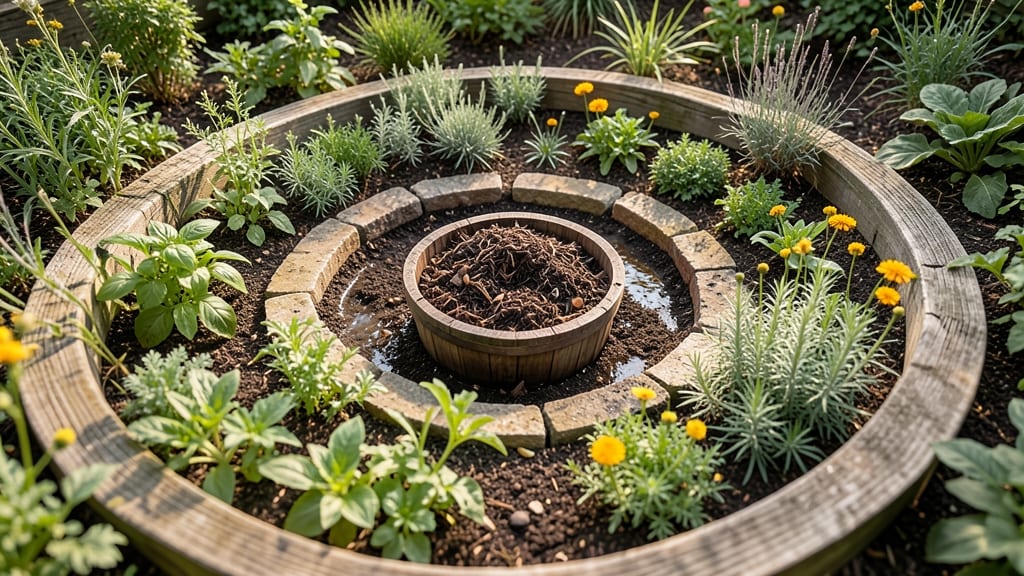
If you're struggling with water scarcity or limited space, the keyhole garden design might be your game-changer. This self-sustaining circular bed combines a compost basket at its center with concentric planting rings, creating a closed-loop system that retains moisture and nourishes plants naturally.
The central compost basket feeds nutrients directly to the roots of surrounding plants, reducing the need for fertilizers while cutting water use by up to 50%. Plant drought-resistant crops like sweet potatoes, kale, and onions in the outer rings, where they’ll thrive with minimal irrigation. The design also makes harvesting easier—just step into the center to reach all plants.
Perfect for urban gardeners or those in drought-prone climates, this low-maintenance design turns waste into fertility and maximizes every inch of space. 💚
Modular Plastic Crate Garden
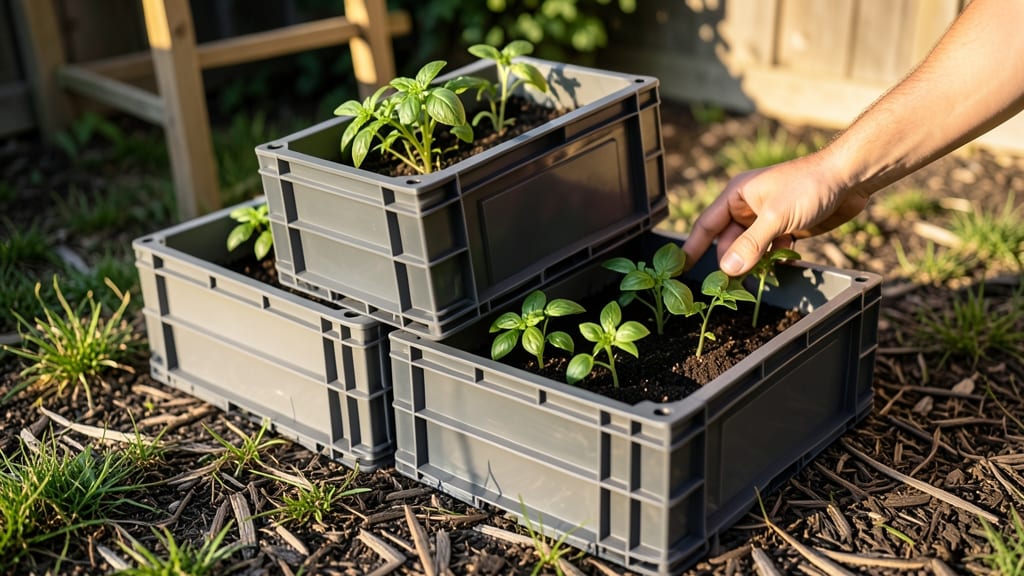
Tired of permanent raised beds that don’t adapt to your changing sunlight or space needs? Modular plastic crate gardens solve that problem with their portable, interlocking design—think of them as LEGO blocks for your veggies.
These affordable crates (often under $20 each) snap together to form custom-sized beds, perfect for salad greens, herbs like basil and cilantro, or peppers. The built-in handles let you relocate the whole garden in minutes to chase the sun or protect plants from afternoon heat. Just fill with well-draining potting mix and add a drip irrigation line for hassle-free watering.
Renters, urban gardeners, and anyone with limited space or shifting sunlight will love this flexibility. It’s the ultimate low-commitment way to grow fresh produce without permanent installations. 🌿
Pocket Garden with Drip Irrigation
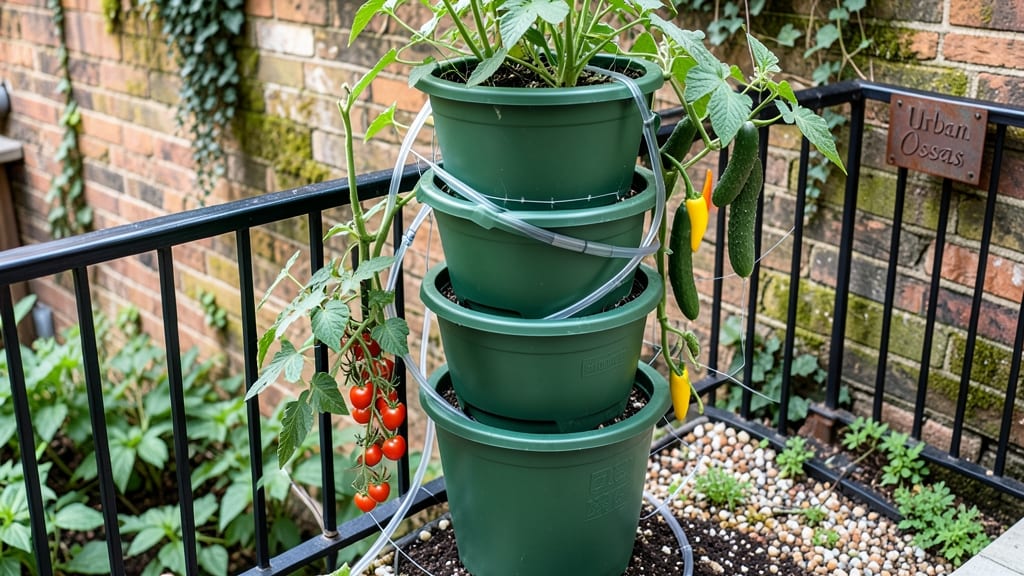
Turn your tiny patio or balcony into a high-yield vegetable powerhouse with a pocket garden that uses 5-gallon buckets and drip irrigation—no sprawling beds required. This system lets you grow tomatoes, peppers, and cucumbers vertically while cutting water use by 70%+ compared to traditional gardening.
Start by drilling holes in the bucket bottoms for drainage, then stack them with trellises between layers. Run a drip irrigation line along the top, threading emitters through the holes to deliver water directly to each plant’s roots. Use compact varieties like ‘Tiny Tim’ tomatoes or ‘Bush Early Girl’ cucumbers to maximize vertical space without sacrificing harvest size.
This setup is ideal for urban gardeners or anyone with limited space who wants low-maintenance, high-reward veggies. Plus, the modular design lets you expand or relocate your garden as needed. 💡
Raised Bed Greenhouse Attachment

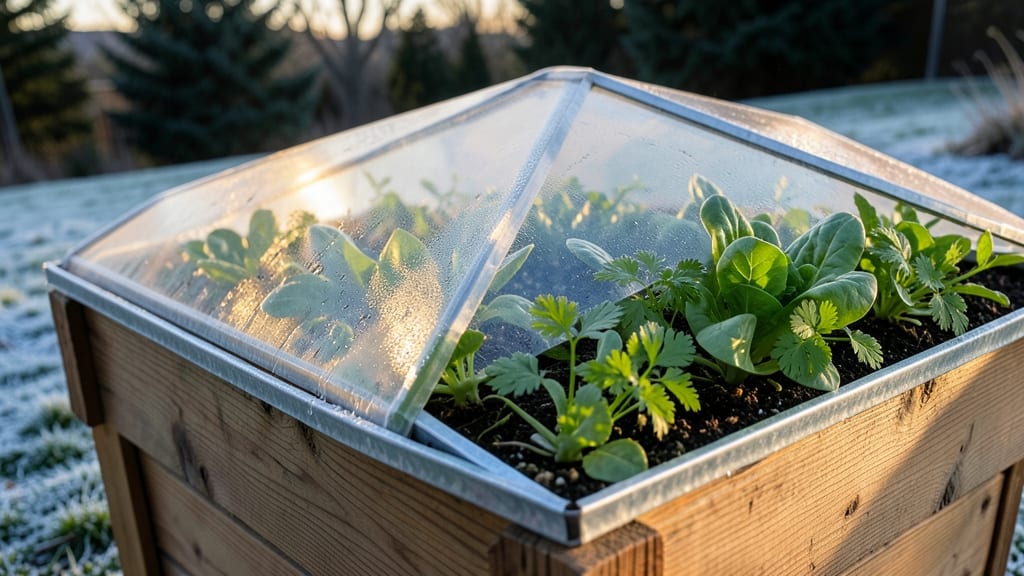
Cold snaps threatening your lettuce and herbs? A raised bed greenhouse attachment turns your existing bed into a mini climate-controlled haven—no major construction required. The clear polycarbonate lid traps heat while filtering sunlight, creating a microclimate that extends your growing season by 4-6 weeks without the cost of a full greenhouse.
Simply place the hinged lid over your raised bed (most kits attach to standard 4x8-foot frames) and plant cold-hardy crops like spinach, kale, or cilantro in early spring or late fall. The lid also shields delicate greens from pests like cabbage moths, while built-in vents prevent overheating on sunny days. For best results, add a 1-2 inch layer of straw mulch to insulate roots.
This budget-friendly solution is ideal for gardeners in USDA Zones 3-6 or anyone craving fresh greens year-round. It’s the perfect way to squeeze extra harvests from your backyard without breaking the bank. 🌱