
Container Gardens
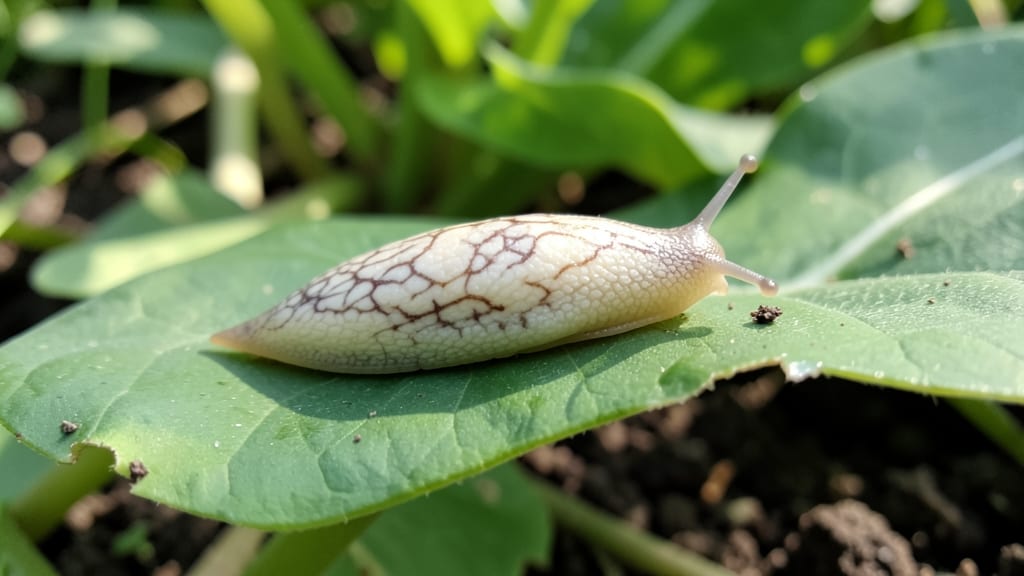
These slimy pests don't just nibble—they can completely defoliate young plants overnight, leaving jagged edges that signal their presence. 🔥 The real kicker? Their slime isn't just gross; it creates the perfect breeding ground for fungal infections that can kill your plants.
I've seen entire rows of hostas reduced to skeleton leaves in just a few nights, especially after heavy rain when slugs become even more active. The key to protecting your garden is understanding their life cycle and acting before they become a full-blown infestation.
What makes slugs particularly tricky is their ability to thrive in both urban and rural gardens, often going undetected until significant damage occurs. Their preferred menu includes not just vegetables but also ornamental plants, making them a universal threat.
The good news? With the right natural deterrents and proactive monitoring, you can dramatically reduce their impact without resorting to harsh chemicals.
💡 In This Article
- How Slugs Damage Garden Plants and Spread Disease
- Natural Slug Control Methods for Organic Gardens
How slugs damage garden plants and spread disease
Slugs attack plants using a specialized radula—a ribbed, file-like tongue that acts like sandpaper against plant tissues. This rasping mechanism allows them to create tiny holes in leaves and flowers, which may seem minor but disrupts photosynthesis and nutrient flow.
Their saliva contains enzymes that break down cell walls, turning healthy foliage into a mushy pulp that can't recover. 🔥 What's worse, they target the most tender growth points—new seedlings, flower petals, and soft stems—where damage is irreversible.
Their feeding patterns follow a predictable cycle tied to their lifecycle. Eggs hatch into tiny slugs (about 1/8-inch) that immediately begin feeding, while adults can consume up to 0.1 ounces of plant material per night.
Peak damage occurs during spring and fall, when temperatures are mild (50-75°F) and humidity is high—ideal conditions for slug activity. The slime trails they leave behind aren't just a mess; they create a moist environment that accelerates fungal growth, particularly Botrytis (gray mold) and Phytophthora (root rot).
Here's how their slime becomes a disease vector: The mucus contains bacteria and fungal spores that adhere to plant surfaces. When slugs feed, they transfer these pathogens directly to wounds, creating entry points for infections.
For example, Phytophthora can spread rapidly in damp soil, killing plants within days by rotting roots and stems. The visual damage—chewed leaves, wilting stems—is often just the beginning of a larger problem. 💫
Their lifecycle accelerates the destruction. A single adult can lay 40-50 eggs in moist soil, which hatch in 2-3 weeks under ideal conditions. These young slugs are just as destructive, often targeting the same plants their parents did.
The key to minimizing damage is understanding this timeline—intervening during egg-laying season (late spring) can break the cycle before populations explode.
What most gardeners don't realize is how selective slugs can be. While they'll eat almost anything, they have a preference for calcium-rich plants like cabbage and broccoli, as well as high-moisture varieties such as lettuce.
Their feeding patterns leave behind distinctive irregular holes with smooth edges—unlike insect damage, which often has jagged or serrated marks. This visual clue helps identify their presence before significant harm occurs. 🌟
To put it in perspective, a single slug can consume an area of foliage equal to its own body weight in just 24 hours. In a 10-square-foot garden bed, that means potential destruction of 1-2 square feet of leaves overnight.
The cumulative effect over weeks turns what should be a thriving garden into a slug buffet, with plants struggling to recover from repeated attacks. The solution? Act before they become a full-blown infestation by combining physical barriers with natural deterrents.