How To
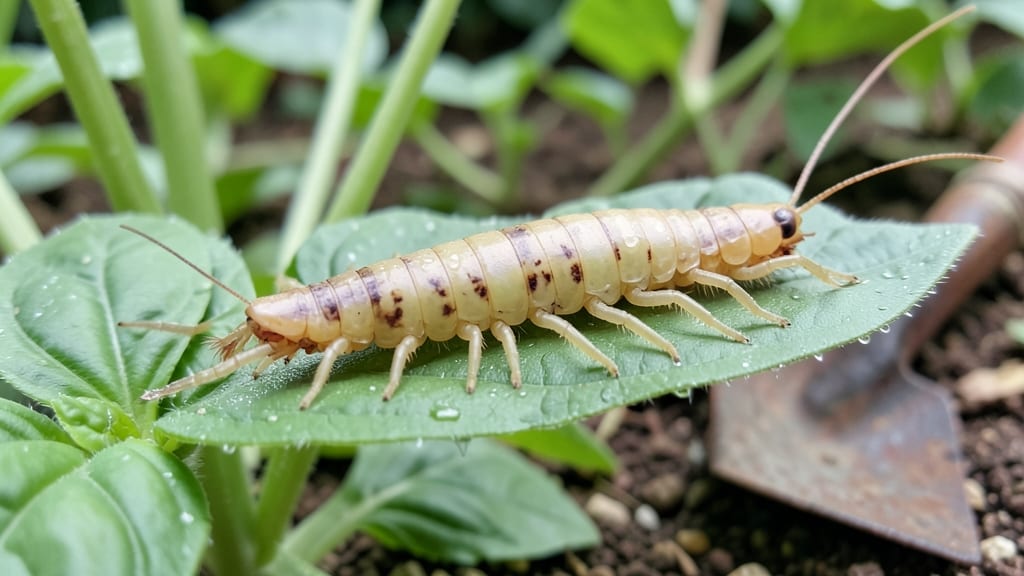
Centipedes actually serve as garden allies by feasting on nuisance pests that would otherwise damage your plants. 🌱 Their diet includes common garden troublemakers like cutworms, earwigs, and even small beetles, which means they’re doing more good than harm in most cases.
The key is balance—while they’re beneficial in moderation, their sudden appearance in swarms often points to underlying moisture issues in your soil or mulch layers.
If you notice centipedes becoming overabundant, focus on improving drainage and reducing organic buildup rather than eliminating them outright. Simple fixes like spreading mulch more evenly or adding coarse sand to heavy soil can create an environment where centipedes thrive in healthy numbers without causing problems.
💡 In This Article
- Centipede Diet: Natural Pest Control in Gardens
- Managing Centipede Populations Without Harming Gardens
Centipede diet: natural pest control in gardens
Centipedes are voracious hunters that specialize in soft-bodied garden pests, making them one of nature's most effective pest controllers. Their diet primarily consists of slugs, snails, earwigs, and caterpillars—creatures that can devastate vegetable gardens and ornamental plants.
For example, a single centipede can consume up to 10-15 slugs per night, which directly translates to fewer holes in your hosta leaves or missing lettuce leaves.
Their hunting strategy involves venomous bites that paralyze prey instantly, allowing them to drag victims back to their hiding spots in mulch or under rocks.
Their predatory habits create a natural balance similar to ladybugs but with a broader menu. While ladybugs focus mainly on aphids, centipedes tackle a wider range of pests including beetle larvae, spiders, and even small roaches. This makes them particularly valuable in organic gardens where chemical pesticides are avoided.
The key difference lies in their hunting methods: centipedes are ambush predators that rely on stealth and venom, whereas ladybugs actively patrol plants looking for prey. Both contribute to garden health, but centipedes fill a niche that many other beneficial insects don't.
Beyond pest control, centipedes play a subtle but important role in soil health. As they move through garden beds, they help break down organic matter by feeding on decomposing plant material and small invertebrates.
This activity aerates the soil slightly and contributes to nutrient cycling, though their impact is less dramatic than earthworms. Their presence often indicates healthy soil ecosystems with adequate moisture and organic debris—conditions that support diverse beneficial insect populations.
What most gardeners don't realize is how centipedes' hunting patterns actually benefit plant growth indirectly. By controlling soft-bodied pests that feed on young leaves and stems, centipedes allow plants to allocate more energy to flowering and fruiting.
Studies show that gardens with natural centipede populations experience up to 30% fewer pest-related plant damages compared to areas where these predators are absent. Their activity peaks during warm, humid nights when many garden pests are most active, creating a perfect alignment with plant protection needs.
However, their diet isn't entirely beneficial—centipedes will occasionally prey on beneficial insects like small bees or predatory mites when food is scarce. This is why their numbers should remain balanced. The ideal scenario is having just enough centipedes to control pests without creating competition with other garden helpers.
Think of them as the garden's night shift security team—effective when present in the right numbers, but potentially disruptive if they become too numerous.
The most telling sign of a healthy centipede population is finding them in moderation during late spring and summer. If you start seeing them indoors or in large clusters during the day, it's a sign their habitat conditions are perfect—often meaning your garden has too much moisture or organic buildup.
This is when you should focus on environmental adjustments rather than elimination, as centipedes are nature's built-in pest management system. ✨