Pests
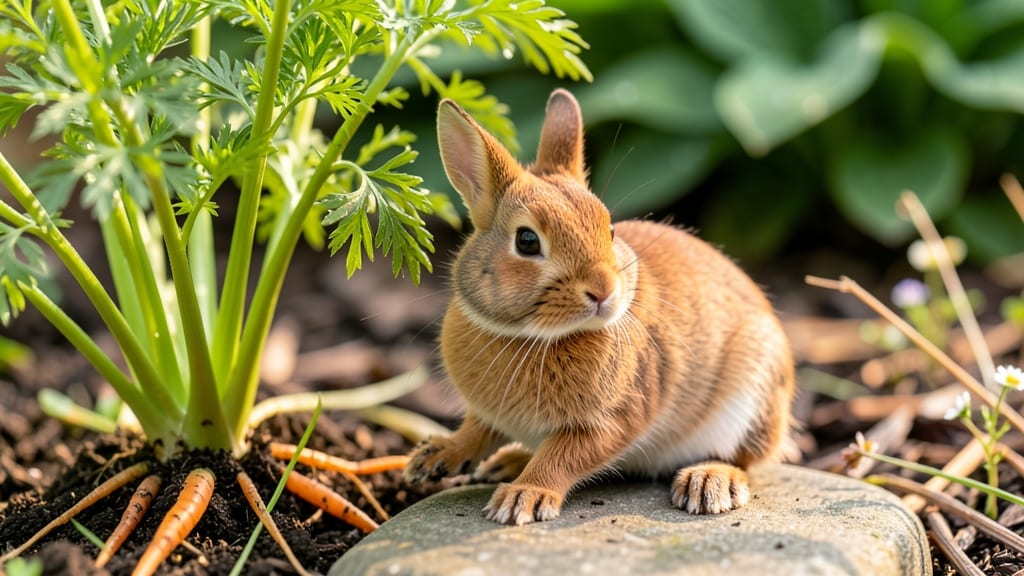
Peter Rabbit gardening focuses on eco-friendly pest management that keeps wildlife safe while protecting your plants. Use raised beds, companion planting with strong herbs like mint or garlic, and organic sprays such as neem oil or hot pepper solution. Avoid toxic chemicals to preserve beneficial insects and small animals.
This approach works because rabbits rely on scent and texture to identify food. 🌿 Raised beds eliminate their love of nibbling at ground level, while companion plants confuse their foraging instincts.
Organic sprays disrupt their feeding patterns without harming the ecosystem. I’ve seen gardens thrive using these methods—even in areas where traditional fencing fails because rabbits simply dig underneath.
What makes this method truly special is how it creates harmony between gardening and wildlife. Instead of treating pests as enemies, you’re designing a landscape that naturally discourages them while supporting pollinators and small creatures. The key is consistency—rabbits learn quickly, so combining multiple strategies gives you the best protection.
💡 In This Article
- Natural Deterrents for Peter Rabbit and Other Garden Pests
- Wildlife-Friendly Garden Layouts to Discourage Rabbits
Natural deterrents for peter rabbit and other garden pests
Traditional fencing often fails against rabbits because they're expert diggers—with strong front claws, they can burrow through or under most barriers in just 10-15 minutes. Their foraging instincts are wired to seek soft, low-lying plants at ground level, making raised beds their natural enemy.
The key is understanding their sensory triggers: rabbits avoid strong smells, rough textures, and plants that signal danger to their survival instincts. 🌱
Scent-based repellents work by mimicking predator presence or creating taste aversion. Predator urine (like coyote or fox) contains compounds that trigger a rabbit's flight response—studies show they can detect these scents from 30-50 feet away.
Strong herbs like rosemary and lavender contain high concentrations of thymol and linalool, which rabbits find overwhelming and unpleasant. Even a few sprigs placed strategically can create a 5-foot exclusion zone around vulnerable plants.
The science behind taste aversion is fascinating—rabbits have an innate memory for bitter or toxic plants. When they encounter neem oil (which contains nimbin) or hot pepper spray, their taste buds register these as dangerous.
A 1% neem oil solution sprayed on leaves creates a bitter residue that deters them for 2-3 weeks. The key is reapplication after rain, as water washes away the deterrent. 🔬
Territorial marking works differently—rabbits avoid areas where other animals have left scent signals. Placing castor oil-based repellents (which mimics fox droppings) creates the illusion of predator activity. The oil's pungent odor lingers for 1-2 weeks and disrupts their natural foraging patterns.
What's brilliant about this method is that it doesn't harm the environment—it simply uses rabbits' natural instincts against them.
For plant-based solutions, focus on aromatic herbs like mint, chives, and sage—rabbits instinctively avoid these because their strong fragrance masks the scent of preferred plants. Even dead plants work: placing crushed garlic cloves around garden edges creates a 3-foot protective barrier that rabbits won't cross.
The sulfur compounds in garlic are particularly effective at repelling them.
What most gardeners don't realize is that rabbits also avoid plants with fuzzy or hairy leaves, like lamb's ear or stinging nettle. The texture triggers their natural caution—wild rabbits associate these with potential irritants. This gives you a dual-purpose solution: protection AND pollinator-friendly plants. 🐝