
Landscaping
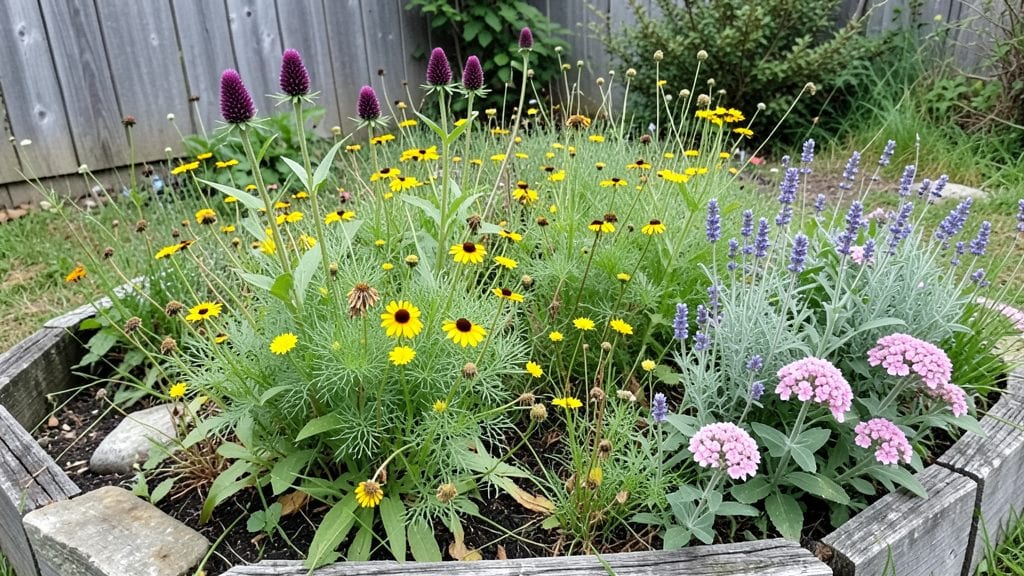
A wildflower garden design that buzzes with life from spring to frost is closer than you think. I transformed my dull backyard corner into a pollinator magnet by choosing the right mix of native blooms—no fancy landscaping skills required.
The key is letting nature do most of the work while you enjoy the show.
Start with native wildflowers adapted to your region—they thrive with minimal fuss and attract bees, butterflies, and hummingbirds. A simple soil prep of compost mixed into the top 6 inches gives them the perfect start.
For layout, try a sun-loving meadow area or a low-maintenance border that frames your yard. Containers work too for small spaces.
You'll end up with a garden that stays vibrant all season—purples, yellows, and whites blooming in waves as one variety fades and another takes over. The fragrance alone makes it worth it, plus you'll watch monarchs, bumblebees, and other pollinators you might not notice otherwise.
Maintenance is easy: just deadhead spent blooms occasionally and let the rest go wild.
This design works for any yard size, from city balconies to country acres. The best part? Your garden becomes a lifeline for struggling pollinators while giving you effortless beauty. Let's get those seeds in the ground!
📚 In This Guide
- What you need
- Instructions
- Tips and common mistakes
- Wrapping up and next steps
What you need
- ● Wildflower seeds: Native, pollinator-friendly varieties (e.g., coneflowers, black-eyed Susans, milkweed). Aim for 1–2 lbs per 100 sq ft for full coverage.
- ● Soil: Well-draining, native soil or a mix of topsoil and compost (2–3 inches depth). Test soil pH (ideal: 6.0–7.0).
- ● Watering tools: Hose with adjustable nozzle (or a watering can for small areas)
- ○ Drip irrigation kit (optional but highly recommended for efficiency)
- ● Mulch: Organic mulch (e.g., straw or wood chips, 1–2 inches thick) to retain moisture.
- ○ Fencing/edging: Low wire mesh or landscape fabric (optional but helpful to contain seeds in windy areas).
- ● Garden gloves (to protect hands from prickly stems)
- ● Hand trowel or rake (for soil prep and seed scattering)
- ○ Broadcast spreader (for even seed distribution, optional but handy)
- ● Pruners (for trimming spent blooms later in the season)
- ● Measuring tape (to map out garden sections)
- ● Sunlight assessment: Ensure your space gets at least 4–6 hours of sun daily (most wildflowers thrive in full sun).
- ● Water access: Plan for consistent watering until roots establish (2–3 weeks post-planting).
- ● Pollinator-friendly location: Avoid pesticides—wildflowers rely on bees, butterflies, and hummingbirds!
- ● Patience: Some wildflowers take 1–2 years to reach full bloom.
Step-by-Step instructions for designing a pollinator-friendly wildflower garden
Here’s how I create a thriving wildflower garden that blooms from spring to fall.
Choose the Right Location for Year-Round Interest
Select a sunny spot that receives at least 6 hours of direct sunlight daily—most wildflowers thrive in full sun. Avoid low-lying areas where water pools, as soggy soil can rot roots. I prefer slightly sloped ground to improve drainage, but even flat areas work if you amend the soil with compost.
Observe the site for at least a day to track sunlight patterns. If your garden has partial shade, focus on shade-tolerant species like black-eyed Susans or asters instead of sun-lovers like coneflowers or bee balm. The goal is to mimic natural meadow conditions where wildflowers grow naturally.
Prepare the Soil for Healthy Growth
Loosen the top 6 inches of soil with a garden fork or tiller to break up compacted layers. Remove any weeds or grass, especially their roots, to prevent competition. I mix in 2-3 inches of compost to enrich the soil naturally—this improves drainage and provides nutrients without chemicals.
Test the soil’s moisture by digging a small hole. If it feels dry after a few hours, your site drains well. If water pools, amend with 1-2 inches of coarse sand or perlite to improve aeration. Wildflowers hate soggy roots, so prioritize well-draining soil over fertility—most thrive in lean conditions.
Select a Diverse Mix of Native Wildflowers
Choose native species for your region—they require less water and support local pollinators best. I aim for a mix of early, mid, and late-season bloomers to ensure continuous color. Start with 50% perennials (like purple coneflower or butterfly weed) for long-term growth, 30% annuals (like cosmos or zinnia) for quick color, and 20% biennials (like foxglove or hollyhock) for variety.
Space plants 12-18 inches apart to allow room for growth. Avoid overcrowding—wildflowers spread naturally, and giving them space prevents disease. Group similar colors together for visual impact, but mix heights to create texture. For example, tall Joe Pye weed (4-5 feet) pairs well with mid-height black-eyed Susans (2-3 feet) and low lupine (1-2 feet).
Plant and Mulch for Low Maintenance
Scatter seeds thinly over the prepared soil—don’t bury them, as most wildflowers need light to germinate. Lightly press them into the soil with your hand or a board to ensure good contact. Water gently but thoroughly to settle the seeds, then cover the area with 1-2 inches of straw mulch to retain moisture and suppress weeds.
Keep the soil consistently moist (but not soggy) for the first 4-6 weeks until seedlings appear. Once established, wildflowers are drought-tolerant, but young plants need regular watering. Avoid fertilizers—wildflowers prefer nutrient-poor soil, which encourages deep root growth. Instead, top-dress with compost annually in early spring.
Maintain for Long-Term Blooms and Pollinator Support
Allow spent blooms to remain on stems until they turn brown—this provides seeds for next year and supports late-season pollinators like butterflies and bees. Cut back 1/3 of the foliage in early spring to encourage new growth, but leave some seed heads for wildlife. I deadhead only the most aggressive spreaders, like milkweed, to control their growth.
Monitor for pests like aphids or Japanese beetles—most wildflowers are resilient, but a strong spray of water can deter small insects. If weeds start to dominate, hand-pull them early in the season before they compete with wildflowers. With minimal care, your garden will flourish for years, offering season-long color and pollinator support.
Tips & tricks for perfect wildflower garden design
A few key strategies will help you create a thriving pollinator garden that attracts bees, butterflies, and hummingbirds all season long.
Location is Everything: In Step 1, when selecting your sunny spot, consider adding a small windbreak if your garden is exposed. A simple fence or hedge can prevent seed dispersal from strong winds while still allowing pollinators access. I've found that even a partial windbreak on the north side can make a noticeable difference in seedling establishment during those first critical 4-6 weeks of growth.
Soil Preparation Secret: For Step 2, if your soil tests extremely dense, consider adding 1 part perlite to 2 parts compost when amending. This creates tiny air pockets that improve drainage without sacrificing moisture retention. I've seen wildflowers establish twice as quickly in amended soil compared to unmodified clay or sand. The key is creating that perfect balance between aeration and moisture retention.
Plant Selection Strategy: When choosing your flower mix in Step 3, include at least one nectar-rich species like bee balm or butterfly weed for every three other flowers. These high-value plants provide the energy boost pollinators need, making your garden a true oasis. I've noticed monarch butterflies will often linger longer in gardens with these key species, giving you better viewing opportunities.
Maintenance Made Easy: For Step 5, create a simple maintenance schedule by setting reminders for three key times: early spring (cut back 1/3 of foliage), mid-summer (remove aggressive spreaders), and late fall (leave seed heads). This three-point system keeps your garden looking intentional while supporting pollinators throughout their life cycles. I've used this approach for five years with consistent results.
Pro Tips for Wildflower Garden Design
- A few key strategies will help you create a thriving pollinator garden that attracts bees, butterflies, and hummingbirds all season long.
- Location is Everything: In Step 1, when selecting your sunny spot, consider adding a small windbreak if your garden is exposed.
- Soil Preparation Secret: For Step 2, if your soil tests extremely dense, consider adding 1 part perlite to 2 parts compost when amending.
Frequently asked questions
Got questions about creating your own wildflower garden design? You’re not alone! Here are some of the most common queries—and their answers—to help you get started with confidence.
What’s the best time of year to plant wildflowers?
For most regions, early spring or fall are ideal—when soil is workable but not scorching. Spring planting lets seeds germinate with cooler temps, while fall gives them time to establish roots before winter. Avoid planting in peak summer heat unless you’re using pre-mixed wildflower seed blends designed for drought tolerance!
Do wildflowers need a lot of water once established?
Once rooted, wildflowers are drought-tolerant and thrive with minimal watering! However, newly planted seeds or seedlings need consistent moisture (about 1 inch per week) for the first 4–6 weeks. After that, Mother Nature usually handles the rest—just let the rain do the work.
How do I attract more pollinators to my wildflower garden?
Pollinators love diversity! Mix native wildflowers with varying bloom times (e.g., early spring violets, summer black-eyed Susans, and fall goldenrod) to provide year-round nectar. Add water sources like shallow dishes with pebbles, and avoid pesticides—even "natural" ones—to keep bees, butterflies, and hummingbirds visiting.
Can I grow wildflowers in containers or small spaces?
Container gardens
work great for wildflowers like lobelia, sweet alyssum, or dwarf coneflowers. Use lightweight potting soil, ensure drainage holes, and choose shallow-rooted species. For small spaces, opt for vertical gardens or window boxes—just mimic the sun and soil conditions of your outdoor garden.
What do I do if weeds take over my wildflower garden?
Weeds are a common challenge, but prevention is key! Start with high-quality wildflower seeds (free of fillers) and mulch lightly to suppress weeds. Hand-pull invasives early, and consider hoeing between rows before seeds sprout. Remember: A little weed competition is normal—wildflowers are tough and will bounce back!
Wrapping up and next steps
Creating a wildflower garden design is more than just adding beauty to your space—it’s a gift to pollinators and nature itself! 🌸 With the right mix of native plants, thoughtful layout, and seasonal planning, you’ll craft a thriving ecosystem that blooms from spring to frost.
Whether you’re a beginner or a seasoned gardener, every step you take brings you closer to a vibrant, low-maintenance paradise.
Ready to dive in? Start small—pick a sunny spot, gather your materials, and let your garden grow! Your pollinator paradise awaits! 🌿