
Tools
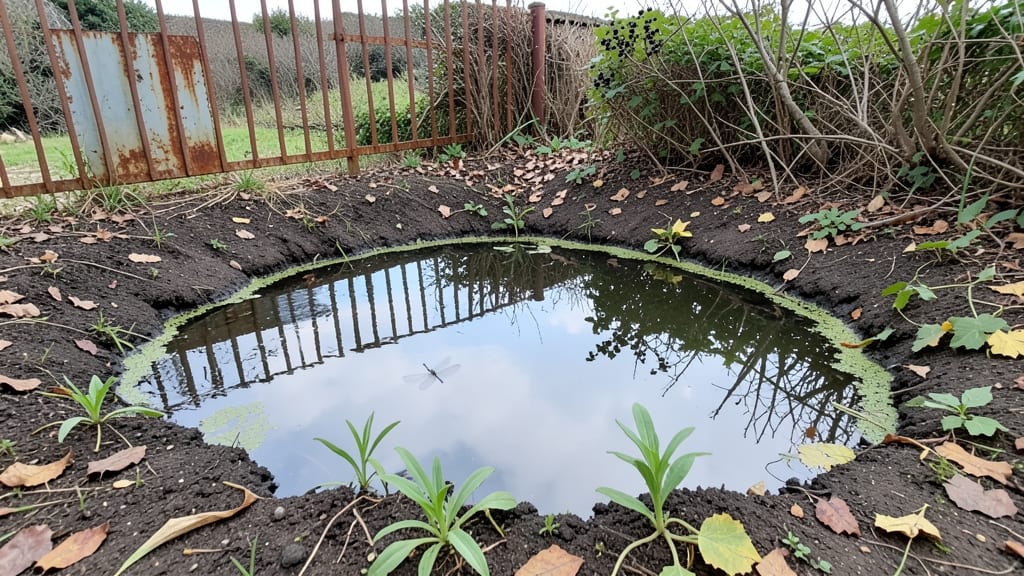
A wild garden pond transforms your backyard into a thriving mini-ecosystem where frogs croak, dragonflies dart, and native plants flourish. 🌿 The magic happens when you let nature take the lead—no sterile edges or plastic liners, just a self-sustaining water feature that attracts wildlife while requiring minimal upkeep.
My first attempt was a muddy mess, but after learning to balance depth, plants, and wildlife, it became the quietest corner of my yard where even squirrels pause to drink.
The key is simplicity: start with a 4-6 foot diameter basin in a partially shaded spot, line it with a natural barrier like clay or a pond liner, and fill it with 12-18 inches of water.
Add rocks for edges, marginal plants like cattails or iris at the waterline, and submerged oxygenators like hornwort to keep the water clear. You’ll spend about $150-$300 depending on materials, but the payoff is a habitat that thrives on its own—no chemicals, no constant cleaning.
Within a season, you’ll hear the first peep of frogs at dusk and watch dragonflies patrol the surface. The water stays fresh thanks to natural filtration, and the edges become lush with plants that spread effortlessly.
Even in dry spells, the pond holds moisture for wildlife, making it a year-round sanctuary. The best part? It looks intentional, not like a DIY experiment—just a quiet, living piece of the landscape.
Works in any yard size, from small urban patches to sprawling country plots. The only rule is letting nature guide the details—once you build the foundation, the ecosystem does the rest. Ready to turn that empty corner into a wildlife hotspot?
📚 In This Guide
- What you need
- Instructions
- Tips and common mistakes
- Wrapping up and next steps
What you need
- ● Pond Liner: EPDM rubber liner (15–30 mil thickness), sized to fit your pond’s dimensions + 2–3 ft overhang for securing. (Pro tip: 💡 Measure twice—liners are pricey!)
- ● Excavation Tools: Shovel (flat & round) – 2–3 units
- ● Spade – 1 sturdy unit
- ● Mattok or digging bar – 1 (for tough soil)
- ● Wheelbarrow – 1 (for hauling dirt/debris)
- ● Edging & Structure: Pond underlayment (geotextile fabric) – 1 roll
- ● Pond edging (plastic, stone, or timber) – Length matching pond perimeter
- ● Landscape fabric – 1 roll (to suppress weeds)
- ● Water & Filtration: Pump (submersible or external, 1,000–3,000 GPH for small/medium ponds)
- ○ Filter system (UV clarifier, biofilter, or sponge filter – optional but recommended)
- ● PVC pipes/fittings (½"–1" diameter, 10–20 ft length)
- ● Plants & Wildlife: Marginal plants (e.g., water lilies, cattails) – 3–5 plants
- ● Oxygenating plants (e.g., hornwort, anacharis) – 1–2 bundles
- ● Rocks/stones (varied sizes for shelter) – 50–100 lbs
- ○ Frog/toad habitat (optional: hollow logs or ceramic shelters)
- ● Solar-powered pump (eco-friendly, no wiring needed)
- ● Pond skimmer (keeps debris out of water)
- ● LED submersible lights (for ambiance)
- ● Pond vacuum (for maintenance)
- ● Wildlife pond kit (includes plants, rocks, and starter fish)
Step-by-step instructions for creating a wild garden pond
Here's how to craft a thriving, low-maintenance water feature that attracts wildlife and soothes the soul.
🪴 Step 1: Choose and Prepare the Pond Site
Pick a spot with 6+ hours of sunlight daily and partial shade for balance. Avoid low areas where water might pool after rain. I like to mark the outline with spray paint—this keeps the shape clean while allowing adjustments before digging. For a 4-foot diameter pond, dig to a depth of 18-24 inches in the center, sloping gently to 6 inches deep at the edges.
Line the hole with a thick layer of landscape fabric to prevent soil from mixing with water. This keeps the ecosystem stable and prevents murky water. Smooth the fabric into the edges, leaving a 6-inch overhang to secure later. Here's the thing—skipping this step leads to sediment buildup that smothers plants and fish.
💧 Step 2: Install the Pond Liner and Add Water
Lay your 12-foot x 12-foot pond liner (for a 4-foot diameter pond) over the fabric, ensuring it extends 12 inches up the sides. Smooth out wrinkles carefully—sharp edges can tear the liner. Fill the pond with 150 gallons of water slowly to avoid disturbing the liner. I use a garden hose with a gentle flow to prevent erosion around the edges.
Let the water settle for 24 hours before adding plants. This gives the liner time to conform to the shape. Watch for any air bubbles trapped under the liner—pop them with a stick to prevent them from lifting the liner later. A properly settled liner stays put for years without leaks.
☀️ Step 3: Add Plants and Rocks for Natural Balance
Start with 3 oxygenating plants like hornwort or waterweed—these keep water clean by absorbing excess nutrients. Place them in the 12-inch deep center area where they'll get plenty of light. Add 5 marginal plants like water lilies or pickerelweed around the edges, where roots can anchor in the shallower water.
Arrange 20 pounds of smooth river rocks along the edges to create a natural look and prevent erosion. Leave some rocks partially submerged to create hiding spots for wildlife. This step is where it gets fun—watch how the plants fill in over weeks, turning a bare pond into a lush ecosystem.
🌿 Step 4: Introduce Wildlife and Final Touches
Add 3-5 small fish like goldfish or koi after 4-6 weeks, once the pond has established a balanced ecosystem. Start with fewer fish than you think you’ll need—they multiply fast! Include 1 frog or newt to help control mosquitoes naturally. These creatures thrive once the water is clear and plants are established.
Add 1 solar-powered fountain if you want movement—it oxygenates the water and deters mosquitoes. Place it near the center where water is deepest. For a truly wild look, leave some areas of the pond untouched—wildlife will bring its own balance to those spots over time.
⏰ Step 5: Maintain for Long-Term Balance
Check water clarity weekly. If it looks murky, add 1 cup of barley straw—it releases natural compounds that prevent algae. Remove any dead leaves or debris immediately to keep the water clean. I schedule a quick 10-minute maintenance session every Sunday morning—it keeps the pond looking pristine with minimal effort.
Top up water lost to evaporation or splashing, but never exceed the original 150-gallon mark. In late fall, remove any dying plants and store them in a cool, dark place until spring. This prevents nutrient buildup that can disrupt the pond’s balance. With this routine, your wild garden pond will stay vibrant for years with almost no work.
Tips & tricks for creating a thriving wild garden pond
Your pond's success depends on these simple but crucial tricks that make all the difference between a murky mess and a thriving ecosystem.
The 24-Hour Settling Secret: That 24-hour wait before adding plants in Step 2 isn't just about the liner settling—it's when your pond's foundation forms. During this time, any trapped air bubbles rise to the surface naturally. If you see bubbles after 24 hours, gently poke them with a stick before adding plants. I've seen ponds fail when this step was skipped because bubbles lifted the liner later, creating leaks. Trust me on this—it's worth the wait.
Plant Placement Precision: In Step 3, those oxygenating plants need to be in the deepest water (12-inch mark) where they'll get plenty of light. I like to arrange them in a loose cluster rather than spreading them out—this creates a stronger oxygenating effect. The marginal plants should have their roots just touching the bottom in the shallower areas. Too much light in shallow water can cause algae blooms, so position them where they'll get morning sun but afternoon shade.
Rock Arrangement Strategy: Those 20 pounds of river rocks aren't just for looks—they're your pond's natural filtration system. Place the largest rocks along the edges where they'll catch debris and prevent erosion. Leave some gaps between rocks to create micro-habitats for insects and amphibians. I've found that arranging rocks in slightly overlapping layers creates more surface area for beneficial bacteria to grow, which helps keep the water cleaner naturally.
Wildlife Introduction Timing: The 4-6 week window before adding fish isn't arbitrary—it's when your pond's ecosystem becomes stable. If you add fish too soon, their waste can overwhelm the young plants that haven't established themselves yet. Start with just 3-5 fish even if your pond seems big enough for more. Fish multiply quickly, and you'll be amazed how they populate naturally once the ecosystem is balanced. Between us, I've seen ponds fail when people overstocked too early.
Pro Tips for Wild Garden Pond
- Your pond's success depends on these simple but crucial tricks that make all the difference between a murky mess and a thriving ecosystem.
- The 24-Hour Settling Secret: That 24-hour wait before adding plants in Step 2 isn't just about the liner settling—it's when your pond's foundation forms.
- Plant Placement Precision: In Step 3, those oxygenating plants need to be in the deepest water (12-inch mark) where they'll get plenty of light.
Frequently asked questions
Got questions about creating or maintaining your wild garden pond? Here are some of the most common concerns—plus straightforward answers to help you dive in with confidence!
What’s the best time of year to build a wild garden pond?
The ideal time is spring or early autumn when temperatures are mild. Avoid winter (frozen ground) or peak summer (drought risk). Planting aquatic species in spring ensures they establish roots before winter, while autumn allows time for recovery before colder months. Pro tip: If you must build in summer, keep the area shaded and watered to protect plants and wildlife.
Do I need a pump for a wild garden pond?
Not always! Small ponds (under 100 sq. ft.) can rely on natural filtration and oxygenation from plants and wildlife. However, larger ponds or those in hot climates may benefit from a low-energy pump to improve circulation and prevent stagnation. Consider adding a solar-powered pump for eco-friendly operation. Test the water quality annually—if algae blooms persist, a pump might be worth the investment.
Can I use a wild garden pond in a small backyard?
Even a 4’ x 6’ pond can support a thriving ecosystem. Opt for preformed pond liners or flexible EPDM rubber liners to save space. Incorporate marginal plants (like water forget-me-nots) and floating plants (such as water lilies) to maximize biodiversity. Vertical space matters too—add shelves or tiered planting zones to fit more greenery into tight areas.
How do I keep mosquitoes away from my wild garden pond?
Mosquitoes thrive in stagnant water, but a balanced pond minimizes breeding sites. Introduce mosquito-eating fish like gambusia or add a fountain or waterfall to increase oxygen flow. Floating plants (e.g., water hyacinth) also disrupt mosquito larvae habitats. Avoid overfeeding fish—decaying food creates stagnant zones. Regularly check for still water pockets and address them promptly.
What if my pond water turns green or cloudy?
Green or murky water usually signals an algae bloom or excess nutrients. Start by reducing fish food and removing decaying plant matter. Add barley straw (natural algae inhibitor) or increase shade with overhanging plants. If the issue persists, test the water for pH and nutrient levels—imbalances often require adjustments like adding beneficial bacteria or aerating the water. A small UV clarifier can also help in stubborn cases.
Are there low-maintenance alternatives to a traditional pond?
Yes! Consider a bog garden (wetland plants in a shallow tray) or a preformed pond kit with built-in filtration. For minimal upkeep, try a wildlife-friendly water feature like a rock pool with a small waterfall—it attracts birds and amphibians without needing deep excavation. Even a container pond (large tub or half barrel) can host aquatic life if lined properly and planted densely.
Wrapping up and next steps
A wild garden pond isn’t just a stunning water feature—it’s a thriving, self-sustaining ecosystem that brings tranquility and biodiversity to your outdoor space. By balancing plants, wildlife, and water flow, you create a haven for nature while enhancing your garden’s beauty.
Whether you’re a beginner or a seasoned gardener, the key is to start small, observe, and let nature do the rest!
Ready to dive in? Sketch your design, gather your supplies, and take the first step today! Your future pond—and the creatures that will call it home—will thank you. 🌿💧