
Picking
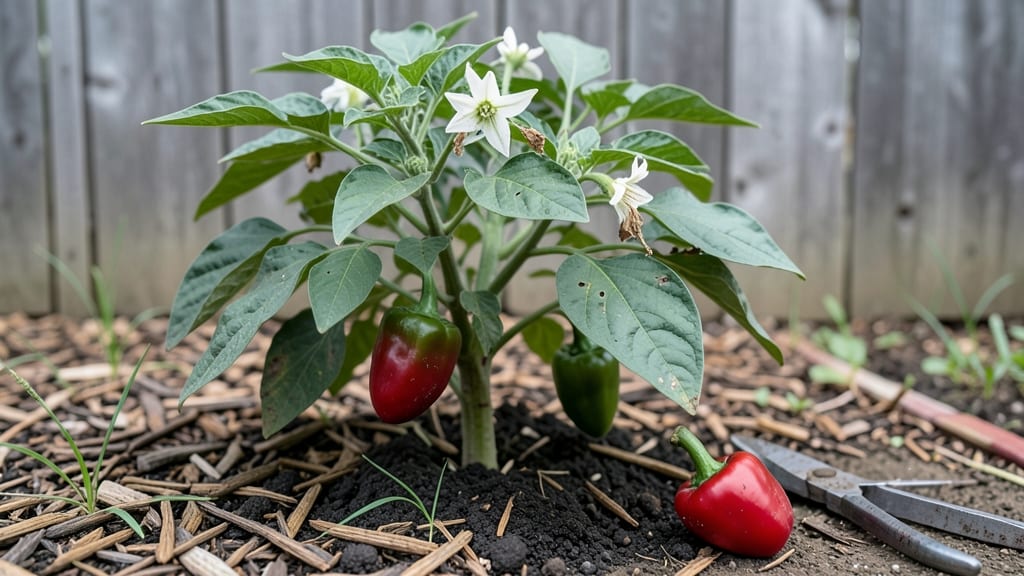
Picking bell peppers 🌶️ at the right moment transforms your garden harvest from good to extraordinary—because timing matters more than you think.
Knowing exactly when to harvest your bell peppers can mean the difference between sweet, juicy perfection and bland, overripe disappointment—but most gardeners miss the prime window. The secret lies in color-coded ripening stages, each offering distinct flavor profiles and textures.
Green peppers are crisp and mild, while red, orange, or yellow varieties pack deeper sweetness. Miss the window, and you risk wrinkled, mealy peppers that lose their snap. Here’s how to spot the perfect moment—and avoid the most common mistakes.
I’ll walk you through the visual cues (color, size, firmness) and seasonal timing so you never pick too early or too late. Ready to turn your garden into a flavor factory?


Bell pepper ripening stages by color: when to harvest for best flavor
Bell peppers don’t just ripen—they transform into flavor powerhouses as they change color. Green peppers are the unsung heroes of early harvests, but yellow, orange, and red varieties pack 30-50% more sweetness when fully mature.
The key? Watching for visual cues beyond color, like glossy skin and stem separation, to nail the perfect harvest window.
Most gardeners assume red = ripe, but purple and even yellow bell peppers reach peak flavor at different stages. Temperature and sunlight play huge roles—cool nights can stall ripening, while consistent 75°F+ days speed up color changes.
I’ve learned the hard way that leaving peppers too long on the vine turns sweetness into mealy disappointment, but harvesting too soon means missing out on complex flavors.
Here’s what you need to know about each ripening stage, from green to purple, including the ideal harvest window and how to test for readiness:
Green bell peppers are harvest-ready at 60-75 days, but they’re often picked too early. Wait until they’re 3-4 inches long and the skin resists gentle thumb pressure.
These peppers taste milder and less sweet than their colored counterparts, but they’re perfect for pickling or stir-fries where you want a crunchy texture.
Yellow and orange bell peppers peak at 75-100 days and offer a sweet, almost tropical flavor. The yellow varieties like ‘Lemon Drop’ develop a bright, citrusy note, while oranges like ‘Sunny’ have a caramel-like sweetness.
Look for deep, even coloration and a slightly thicker skin than green peppers—this means they’re ready for the kitchen.
Red bell peppers are the sweetest and most flavorful when fully ripe, but they take the longest—90-120 days. The color change from green to red happens fastest in warm weather (75°F+). If your peppers stay green late in the season, try covering them with a black plastic bag for 2-3 days to trap heat and speed up ripening. Overripe red peppers develop soft spots
5 Common mistakes that make you pick bell peppers too early or too late
Even experienced gardeners sometimes struggle with timing when it comes to harvesting bell peppers. Picking too early results in underdeveloped flavor and texture, while waiting too long can lead to overripe, wrinkled peppers.
The key is understanding the subtle cues your plants give—and avoiding these five common mistakes that throw off your harvest schedule.
One frequent error is harvesting based solely on color. While red bell peppers are often the goal, some varieties never turn red due to temperature fluctuations or short growing seasons.
Others may appear fully colored but still lack the sweetness and firmness of a truly ripe pepper. Learning to read beyond color—like skin texture and stem separation—makes all the difference.
⚠️
- Wrinkled skin (sign of dehydration)
- Soft spots (indicates rot or overmaturity)
- Green stem ends (pepper hasn’t fully matured)
- Dull color (instead of vibrant, glossy hues)
Another mistake is assuming all bell pepper varieties ripen on the same timeline. Some, like jalapeños or habaneros, mature faster than sweet bell peppers, which can take 75–100 days to reach peak ripeness.
If your growing season is short, focus on green pepper varieties that can be harvested earlier while still delivering sweet, crisp results.
Temperature plays a huge role in ripening delays. Cool nights below 60°F can stall color development, leaving peppers green even when fully sized.
If your bell peppers refuse to turn red by late summer, try these tricks: prune lower leaves to improve airflow, apply a balanced fertilizer (like 10-10-10), or move potted plants to a warmer microclimate like a greenhouse or sunny patio.
Leaving peppers on the vine too long also encourages pest infestations and disease. Overripe peppers attract aphids and fruit flies, while soft, rotting peppers spread bacterial spots to healthy fruit.
When in doubt, harvest firm, glossy peppers—even if they’re not your target color—and store them in a cool, dark place to ripen further indoors.
Finally, don’t forget that harvesting frequency affects future production. Pick peppers regularly to encourage more fruiting, but avoid overcrowding the plant. If your bell pepper plant looks stressed with too many peppers at once, prioritize harvesting the largest, firmest ones first to redirect energy to new growth.
With these tips, you’ll never miss the prime harvest window again!