
Picking
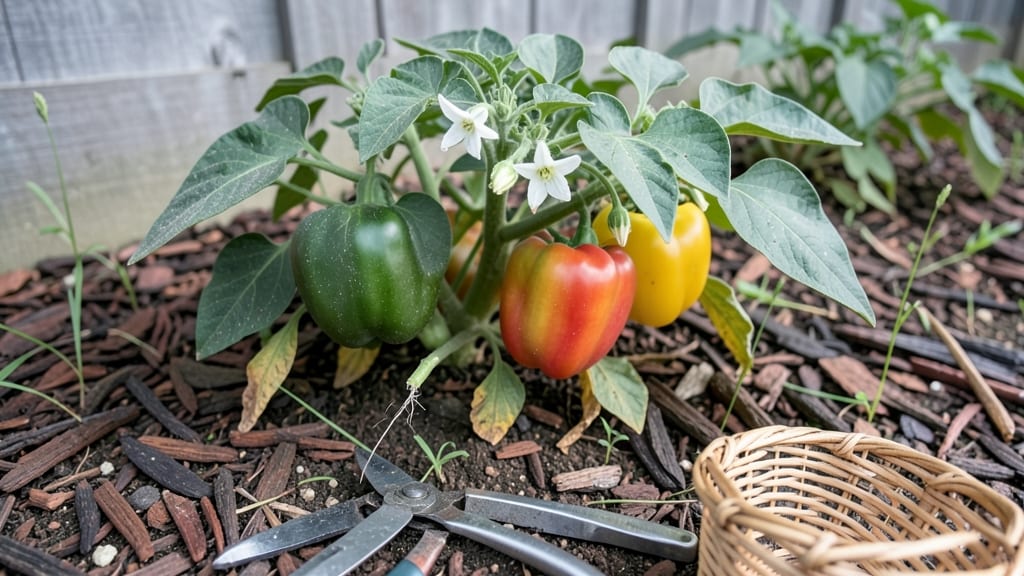
Picking peppers from your garden at the right time ensures the best flavor—whether you love sweet bell peppers 🌶️ or fiery jalapeños, timing is everything.
Knowing exactly when to harvest your garden peppers can mean the difference between sweet, vibrant flavors and bitter, overripe disappointment. One week too early, and you’ll miss peak sweetness; one week late, and the texture turns mealy.
The color isn’t always the only clue—firmness, size, and even the stem’s readiness play a role.
In this guide, I’ll break down the color-coded ripeness stages for different pepper varieties, how to test for doneness with just your thumb, and the best tools to use for a clean harvest.
You’ll also learn how temperature and daylight affect ripening, so you can adjust your timing for perfect results every season.
Whether you’re a first-time gardener or a seasoned grower, these tips will help you avoid common mistakes—like harvesting too soon or letting peppers linger past their prime—and keep your kitchen stocked with the freshest, most flavorful peppers all season long.


How to determine pepper ripeness by color: a step-by-step guide
Harvesting peppers at the right stage transforms your garden into a flavor factory. The color of your peppers isn’t just a visual cue—it’s a direct indicator of sweetness, heat level, and optimal harvest timing.
Unlike many vegetables, peppers continue ripening after being picked, but waiting too long can turn sweet varieties bitter or make heat levels unpredictable. Let’s break down the color spectrum and what it means for your jalapeños, bell peppers, and habaneros.
Most gardeners focus on the final color (like bright red or deep yellow), but the journey from green to maturity reveals critical flavor shifts. For example, a bell pepper harvested green will be milder and crunchier, while waiting for red delivers sweeter, jammy flavors.
Meanwhile, jalapeños and habaneros develop more heat as they ripen, but overripe peppers can become mushy or even seedy, ruining their intended use. Understanding these stages ensures you’re always picking at peak quality—whether for fresh eating, cooking, or preserving.
| Pepper Variety | Color Stage | Ripeness Level | Flavor Profile | Best For | Harvest Window |
|---|---|---|---|---|---|
| Bell Pepper | Green | Immature | Crisp, mild, slightly tangy | Pickling, stir-fries | 60–75 days |
| Bell Pepper | Yellow/Orange/Red | Mature | Sweet, jammy, complex | Raw salads, roasting | 75–90 days |
| Jalapeño | Green | Early | Mild, grassy, firm | Salsa verde, grilling | 60–70 days |
| Jalapeño | Red | Fully Ripe | Fruity, slightly sweeter, 2–5x hotter | Pickling, spicy dishes | 80–90 days |
| Habanero | Green | Immature | Mild, herbal, crisp | Fresh salsas, ceviche | 90–100 days |
| Habanero | Orange/Red | Fully Ripe | Extreme heat (100K–350K SHU), floral notes | Hot sauces, marinades | 110–120 days |
Green peppers are the default stage for most varieties, but don’t assume they’re unripe just because they’re green. Some peppers, like jalapeños and serranos, stay green even when fully ripe and ready to harvest. The key is to check for
Common mistakes that ruin pepper flavor (and how to avoid them)
Even the most attentive gardeners can unknowingly sabotage their pepper harvest by making a few critical mistakes. Overripe peppers or those picked too early lose their signature sweetness and develop bitter, leathery textures.
I’ve seen jalapeños turn seedy and bell peppers lose their crispness because of timing errors—don’t let that happen to your crop!
Environmental factors like extreme heat or high humidity can also accelerate ripening, making peppers spoil faster. If you’ve ever wondered why your habaneros taste dull or your bell peppers feel rubbery, it’s likely due to one of these common pitfalls.
Let’s fix that with actionable tips to keep your peppers at peak flavor.
Peppers left on the vine past their prime lose flavor and texture. Red bell peppers should be picked when fully colored, not when they start wrinkling. Green peppers harvested too late turn bitter. Check for these signs of overripeness:
- Wrinkled skin (loss of moisture)
- Soft stem (easy to detach)
- Uneven color (spotting or fading)
Premature harvesting is another flavor killer. Green peppers picked too early lack sweetness, while hot peppers like jalapeños may not reach their full heat potential. Always wait until peppers reach their mature size—for example, bell peppers should be 3-6 inches long before harvesting.
A simple firmness test works too: gently squeeze the pepper; if it feels firm and heavy, it’s ready!
Heat stress is a silent flavor thief. When temperatures exceed 90°F (32°C), peppers can develop a bitter aftertaste or even stop ripening. I’ve found that providing afternoon shade with a lightweight row cover helps maintain sweetness.
Mulching also keeps roots cool, which indirectly preserves flavor. If your garden gets scorching afternoons, consider harvesting earlier in the day to avoid heat damage.
Humidity plays a tricky role too. While peppers need consistent moisture, excessive humidity promotes fungal diseases like powdery mildew, which weakens flavor. Water at the base of the plant in the morning to let foliage dry quickly.
Avoid overhead watering, especially in humid climates. A well-ventilated garden with 3-4 feet of spacing between plants also reduces humidity-related risks.
Finally, storage mistakes can turn perfectly good peppers into mushy disappointments. Never store peppers in the fridge until fully ripe—the cold accelerates flavor loss. Instead, keep them at room temperature (60-70°F) until ready to use.
For long-term storage, freeze peppers at their peak ripeness or preserve them in vinegar or oil to lock in flavor. With these adjustments, your peppers will stay vibrant and delicious from vine to table!