
Fertilization
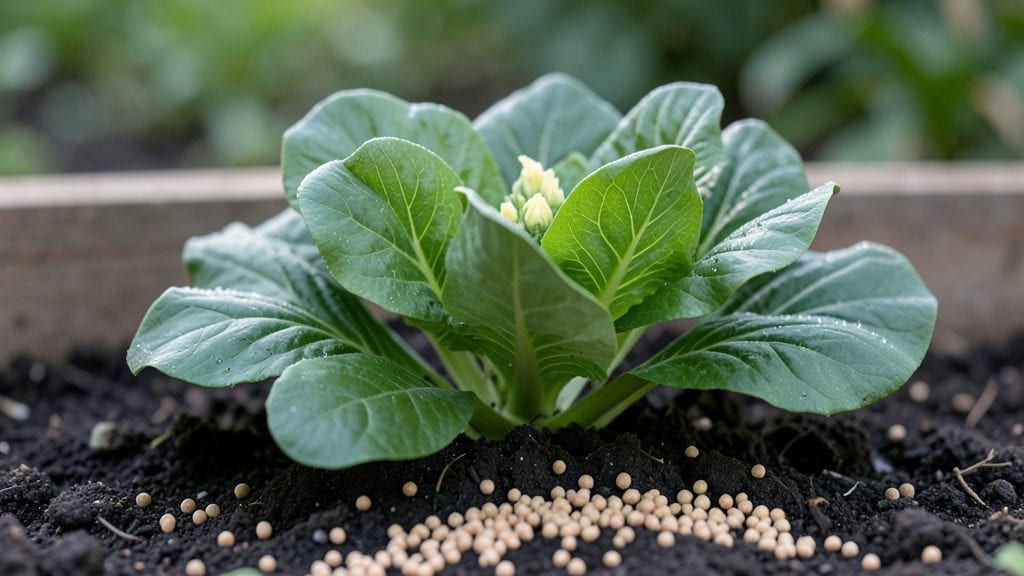
Fertilizing your garden at the right time boosts growth, blooms, and even flavor—so timing matters more than you might think 🌱.
Timing your garden fertilization wrong can mean wasted nutrients, stunted growth, or even plant stress—so knowing exactly when to feed your plants makes all the difference between a thriving garden and a struggling one.
In Zone 6a, the best windows are early spring (March–April) and late summer (August–September), when soil warms and plants are actively growing. But skip feeding in fall and winter—your General Garden won’t thank you for waking up dormant roots.
Below, I’ll break down the science behind seasonal feeding, how to read your soil’s hunger signals, and the one mistake that burns more nutrients than it feeds.
Best seasonal times to fertilize your garden for maximum growth
Fertilizing your garden at the right time is like giving your plants a perfectly timed meal—they absorb nutrients most efficiently when they’re actively growing. Spring is your prime window for most plants, but summer and fall have their own opportunities depending on your goals.
For example, vegetables need a nutrient boost when they’re establishing roots, while perennials benefit from late-summer feeding to prep for winter. Ignoring these seasonal cues can leave your garden hungry or even burned by excess nutrients.
Soil temperature plays a huge role in when to fertilize. Most plants won’t uptake nutrients effectively until the soil warms to at least 55°F (13°C). In cooler climates, wait until after your last frost date—usually mid-April to early May in USDA Zone 6a.
For warm-season crops like tomatoes or peppers, soil should be closer to 60-65°F (15-18°C) before fertilizing. Timing isn’t just about the calendar; it’s about matching your plants’ natural growth cycles.
Here’s a quick guide to the best seasonal windows for fertilizing your garden, broken down by plant type and growth stage:
| Season | Plant Type | Best Time to Fertilize | Soil Temp Trigger | Goal |
|---|---|---|---|---|
| Spring | Vegetables (e.g., lettuce, carrots) | At planting + 4-6 weeks later | 55-60°F (13-15°C) | Root establishment |
| Spring | Perennials (e.g., roses, lavender) | Early spring (March-April) | 50-55°F (10-13°C) | New growth |
| Summer | Flowering plants (e.g., petunias, marigolds) | Mid-summer (July-August) | 65°F+ (18°C+) | Bloom extension |
| Summer | Warm-season veggies (e.g., tomatoes, peppers) | Every 4-6 weeks after transplanting | 60-70°F (15-21°C) | Fruit production |
| Fall | Cool-season veggies (e.g., kale, spinach) | Early fall (August-September) | 55-65°F (13-18°C) | Harvest boost |
| Fall | Lawns (cool-season grasses) | Late summer (August) | 60°F+ (15°C+) | Root strengthening |
Spring fertilization is all about kickstarting growth. For cool-season crops like lettuce or peas, apply a balanced fertilizer (10-10-10) at planting and again when you see the first true leaves. Warm-season crops, however, should wait until the soil is consistently above 60°F (15°C).
A quick trick? Press your hand into the soil—if it feels warm to the touch, it’s time to feed. Over-fertilizing in spring can lead to leafy but fruitless plants, so follow the rule: "less is more" for early-season feeding.
Summer is when your garden is in its peak growth phase, but timing matters even more.
How to tell if your garden needs fertilizer before applying it
Before reaching for that fertilizer bag, ask yourself: Is my garden truly hungry? Many gardeners over-fertilize, thinking more nutrients = better growth, but this can actually burn roots or cause environmental runoff. Instead, watch for these clear signs your plants are crying out for nutrients.
Start by examining your plants' leaves and stems. Yellowing leaves (especially older ones) often signal nitrogen deficiency, while purple stems or slow growth may mean a lack of phosphorus or potassium. Poor flowering or fruiting can also indicate nutrient starvation.
⚠️ callout warning
- Dormant seasons: Skip fertilizer in winter (USDA Zones 5-9) or late fall—plants rest and don’t need nutrients.
- Newly planted trees/shrubs: Wait 4-6 weeks after transplanting to avoid root shock.
- Overwatered soil: If soil is waterlogged, nutrients leach away—fix drainage first.
- Heatwaves (>90°F/32°C): Fertilizing stresses plants during peak summer; wait until temps drop.
🌱 Pro Tip: Always water soil thoroughly before and after fertilizing to activate nutrients and prevent burn.
Don’t rely on guesswork—perform a simple soil test at home.
Grab a soil test kit (available at garden centers for ~$10) or use the DIY finger test: Dig 6 inches deep and check soil texture. Clay soil (sticky when wet) may need organic matter, while sandy soil (gritty) drains too fast and needs compost or peat moss.
Pay attention to your plants' growth rate. If they’re growing slowly despite ideal conditions (sun, water), they may need a balanced fertilizer (like 10-10-10). Leggy stems or small leaves often mean nitrogen deficiency, while brown leaf edges could signal over-fertilization or salt buildup.
For vegetable gardens, look for pale or yellowing leaves between veins—a classic sign of magnesium deficiency (fix with Epsom salt). Fruits or flowers that drop prematurely?
Your plants might need phosphorus (the "P" in NPK ratios). Always match the fertilizer to the plant’s needs, not just the season.
Remember: Less is often more. Over-fertilizing can lead to salt buildup in soil, harming beneficial microbes and earthworms.
If your garden looks lush and healthy with dark green leaves and vigorous growth, skip the fertilizer—your soil likely has enough nutrients. Observe, test, and feed only when necessary for the healthiest garden. 🌿