
Tools
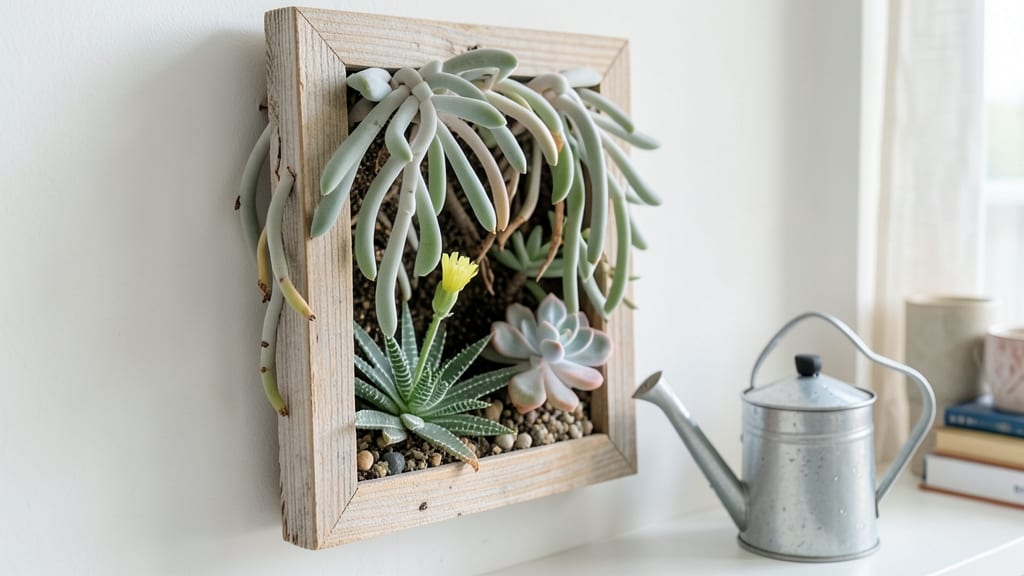
A vertical succulent garden turns empty walls into lush, living art—without stealing your floor space. I’ve transformed neglected corners into striking displays that thrive on minimal sunlight and care, proving you don’t need a backyard for a garden.
The key is choosing the right materials (think pallets, trellises, or modular pockets) and matching succulents to their light conditions. My first setup used a repurposed wooden crate, and now it’s the centerpiece of my tiny apartment balcony.
You’ll need just a few supplies: a sturdy vertical frame, lightweight potting mix designed for succulents, and plants that love tight quarters. Avoid heavy soils—they’ll drown your succulents in minutes. Instead, opt for a gritty mix with perlite or sand to keep roots breathing.
For drainage, drill holes in containers or use fabric pockets that let excess water escape. The best part? These gardens stay vibrant with once-a-week watering in summer, less in winter.
Imagine velvety echeverias spilling over edges, rosettes of haworthias catching the light, and trailing sedums adding texture. A well-designed vertical garden becomes a low-maintenance masterpiece that grows more stunning with time.
The arrangement possibilities are endless—mix colors, heights, and textures for a look that’s uniquely yours. Once installed, you’ll spend more time admiring than tending.
Perfect for urban apartments, small patios, or even a spare corner in your home office. The same principles work indoors near bright windows or outdoors where space is tight. Start small—even a single shelf or hanging planter makes a statement.
Before you know it, your walls will be alive with green, and your neighbors will be asking for your secrets.
📚 In This Guide
- What you need
- Instructions
- Tips and common mistakes
- Wrapping up and next steps
What you need
- ● Succulents: 10–20 small to medium-sized succulents (e.g., Echeveria, Haworthia, or Sedum)
- ● Vertical planter: 1 pre-made vertical garden kit (e.g., wooden pallet, fabric pocket planter, or hanging wall planter) OR DIY materials (see below)
- ● Potting mix: 1–2 bags of cactus/succulent soil (well-draining, no peat-heavy blends)
- ● Gravel or perlite: 1 small bag (for drainage layer)
- ● Waterproof liner: 1 roll of landscape fabric (if using a DIY setup)
- ● Hooks, screws, or brackets: 4–6 (for wall mounting)
- ● Drill or screwdriver: 1 (for assembly)
- ● Spray bottle: 1 (for gentle watering)
- ● Decorative elements: Twine, moss, or pebbles for a polished look
- ● LED grow lights: 1–2 (for low-light spaces)
- ● Plant labels: Small tags or chalkboard labels for tracking varieties
- ● Self-watering system: Wick or reservoir kit (for travel or forgetful waterers!)
Step-by-Step instructions for building a vertical succulent garden
This method transforms walls into lush, low-maintenance art—perfect for small spaces or sun-starved apartments.
Select and Prepare Your Vertical Structure
Choose a lightweight frame like a wooden crate, hanging planter, or even a repurposed ladder. I prefer materials with drainage holes—succulents despise soggy roots. If your structure lacks holes, drill 1/4-inch gaps every 6 inches along the bottom. Line the back with landscape fabric to prevent soil from escaping through larger gaps while still allowing airflow.
For a 4-plant arrangement, a 12-inch by 12-inch frame works perfectly. Coat untreated wood with a non-toxic sealant if placing outdoors, but skip this for indoor setups where humidity is controlled. The key is stability—ensure your structure can support the weight of moist soil and mature plants without sagging.
Layer Soil and Plant Succulents Strategically
Fill the bottom 2 inches with a cactus and succulent mix—this ensures drainage while retaining enough moisture for roots. Press it gently to remove air pockets, but don’t compact it like garden soil. For a 4-plant setup, divide the remaining 2 gallons of potting mix evenly across pockets or planting zones, leaving 1 inch of space at the top for watering.
Plant succulents in staggered rows to create visual depth. Start with the largest varieties at the bottom (like sedum or echeveria) and smaller ones (like haworthia or sempervivum) toward the top. Space plants 2-3 inches apart—crowding leads to competition for light and stunted growth. Water lightly after planting to settle the soil, but avoid soaking the mix.
Position for Optimal Light and Airflow
Succulents thrive in bright, indirect light for 4-6 hours daily, but they’ll tolerate direct morning sun without scorching. Place your vertical garden near a south- or east-facing window for the best balance. If using artificial light, position a grow light 6-12 inches above the plants and keep it on for 12-14 hours daily—succulents need consistent light to prevent leggy growth.
Ensure the back of the structure has 1-2 inches of clearance from walls to allow airflow. Poor circulation increases humidity around leaves, which triggers rot. You’ll notice healthy succulents developing a blue-gray tint—this indicates they’re happy and not stressed from overwatering.
Water Sparingly and Monitor Growth
Water your vertical garden once every 2-3 weeks, allowing the soil to dry completely between waterings. Stick your finger 1 inch into the soil—if it feels dry, it’s time to water. Use a spray bottle or small watering can to apply water slowly until it drains from the bottom. Avoid wetting leaves, as moisture lingers and promotes fungal issues.
Fertilize lightly once in spring with a balanced, water-soluble fertilizer diluted to half-strength. Overfeeding leads to weak, rubbery growth. Watch for pushing-out leaves or stretched stems—these are signs your garden needs more light or less water. Adjust care based on what you observe rather than sticking rigidly to schedules.
Prune and Refresh Seasonally
Remove dead or yellowing leaves with clean, sharp scissors to encourage new growth. Trim leggy stems back to the base in early spring to promote bushier plants. For a 4-plant setup, expect to repot every 2-3 years as roots fill the container. Choose a slightly larger planter with drainage and refresh the soil mix entirely—succulents thrive in sterile, well-draining media.
Rotate the garden quarter-turn weekly to ensure even light exposure. This prevents plants from leaning toward the sun and keeps the display balanced. In winter, reduce watering to once a month unless your home has low humidity and warm temperatures. Succulents enter dormancy naturally, so less is always more during cooler months.
Tips & tricks for perfect vertical succulent gardens
Building a vertical succulent garden isn't just about arranging plants—it's about creating a thriving ecosystem in a confined space. Here are the insights I've gathered after perfecting this technique over years of experimentation.
Structure Stability is Non-Negotiable: In Step 1, when selecting your frame, pay special attention to weight distribution. A 12-inch by 12-inch structure filled with moist soil can weigh 15-20 pounds when saturated. I recommend using a frame with metal brackets or corner braces if you're mounting it on a wall, especially for outdoor installations where wind becomes a factor. For hanging setups, ensure your hooks can support at least 25 pounds—this accounts for both the structure and the soil's weight after watering.
Soil Layering Technique for Perfect Drainage: When you layer the 2 inches of cactus mix at the bottom in Step 2, consider adding a 1/4-inch layer of perlite or pumice on top of the landscape fabric before the soil. This creates an additional drainage layer that prevents root rot, which is especially critical for vertical gardens where water can pool at the bottom. The remaining 2 gallons of potting mix should be divided evenly—uneven distribution can cause some plants to dry out while others remain soggy.
Light Positioning Secrets: The 4-6 hours of bright light mentioned in Step 3 is a guideline, but the quality matters more than the quantity. If your plants develop a yellowish tint or stretch toward the light, they're not getting enough intensity. For indoor setups, position your garden within 3 feet of a south-facing window—this maximizes light exposure. If using artificial light, a full-spectrum LED grow light positioned 6 inches above the plants will provide the 12-14 hours of daily light they need without overheating the leaves.
Watering Strategy for Vertical Success: The 2-3 week watering schedule in Step 4 works perfectly for most indoor environments, but remember that vertical gardens dry out faster than ground-level planters. Test soil moisture by inserting your finger 1 inch deep—if it feels dry at the surface but still moist below, wait another week. For outdoor installations, you may need to water every 10-14 days depending on your climate. Always water from the bottom if possible, allowing excess to drain completely—this prevents salt buildup that can damage roots over time.
Pro Tips for Vertical Succulent Garden
- Building a vertical succulent garden isn't just about arranging plants—it's about creating a thriving ecosystem in a confined space.
- Structure Stability is Non-Negotiable: In Step 1, when selecting your frame, pay special attention to weight distribution.
- Soil Layering Technique for Perfect Drainage: When you layer the 2 inches of cactus mix at the bottom in Step 2, consider adding a 1/4-inch layer of perlite or pumice on top of the landscape fabric before the soil.
Frequently asked questions
Got questions about creating your own vertical succulent garden? You’re not alone! Here are some of the most common concerns—and their easy solutions—to help you get started with confidence.
How much sunlight does a vertical succulent garden need?
Aim for 4–6 hours of bright, indirect sunlight daily. South- or west-facing windows are ideal. If your space lacks natural light, supplement with a grow light (12+ inches away) for 6–8 hours. Too little light? Succulents may stretch or lose color—adjust placement or rotate the garden weekly for even exposure.
Can I use regular potting soil for my vertical succulent garden?
No!
Regular soil retains too much moisture and risks root rot. Instead, use a cactus/succulent mix (30–50% perlite, pumice, or coarse sand) for drainage. Pro tip: Add a layer of hydroponic felt or geotextile fabric behind the pockets to wick away excess water.
How often should I water my vertical succulent garden?
Water every 2–3 weeks (or when the top inch of soil is dry). The vertical design drains faster, so check pockets individually. Bottom-watering (placing the garden in a tray of water for 10–15 minutes) is gentler than top-watering. Overwatering is the #1 killer—let soil dry completely between sessions!
What are some low-maintenance succulents for beginners?
Start with these hardy, drought-tolerant picks:
- Echeveria – Rosette-shaped, colorful, and slow-growing.
- Sedum – Fleshy leaves, thrives in partial shade.
- Haworthia – Compact and zebra-striped for texture.
- Aloe Vera – Medicinal and ultra-resilient.
What do I do if my succulents start to rot or wilt?
Act fast! Rot (soft, mushy leaves): Cut away affected roots, repot in fresh mix, and skip watering for 2 weeks. Wilt (shriveled, dry leaves): Soak the garden in water for 10 minutes, then let dry. If pests (like mealybugs) are present, wipe leaves with 70% isopropyl alcohol or use neem oil.
Still stumped? Drop your question in the comments—we’re happy to help your green thumb grow!
Wrapping up and next steps
A vertical succulent garden isn’t just a stylish way to bring nature indoors—it’s a practical, low-maintenance solution for small spaces, brightening up your home with minimal effort. Whether you’re a beginner or a plant enthusiast, this project lets you customize, grow, and enjoy greenery without sacrificing square footage. 🌱
Ready to transform your walls? Start small—pick a spot, gather your supplies, and let your creativity (and plants!) flourish. Your future green oasis awaits!