
Tools
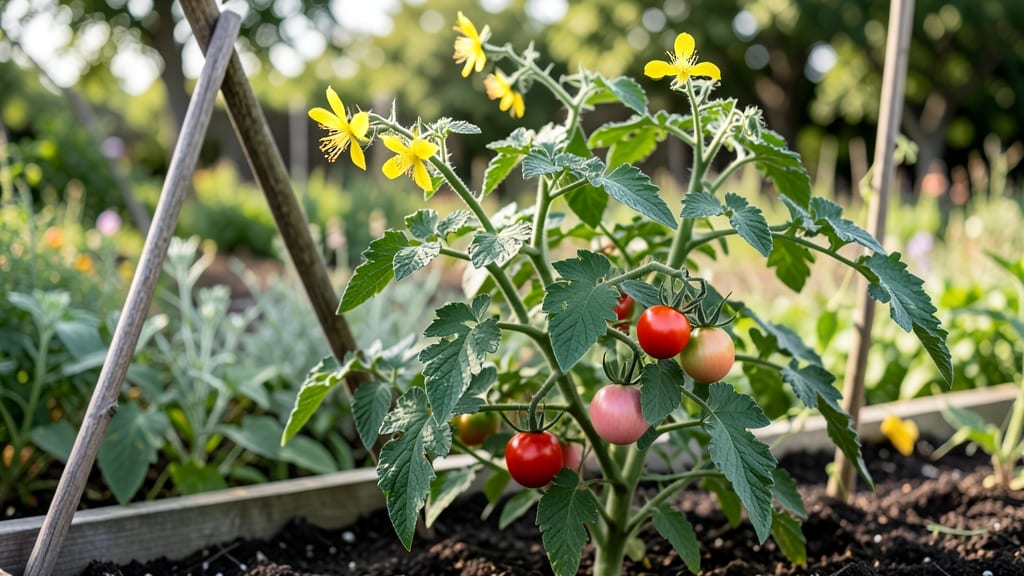
Growing tomatoes in your garden transforms a simple plot into a sun-drenched harvest factory. 🌱 I’ve spent years perfecting the vertical trellis method, which not only saves space but also produces 20-30% more fruit by keeping plants healthy and off the ground.
The key lies in the soil, the right trellis setup, and knowing exactly when to plant for your region—because timing makes or breaks a tomato season.
Start with well-draining soil mixed with compost, and plant seeds 1/4 inch deep, 18-24 inches apart. Tomatoes crave 6-8 hours of direct sunlight daily, so choose a south-facing spot. A sturdy trellis—whether cinder blocks with twine or a pre-made cage—prevents sprawl and makes harvesting a breeze.
Water consistently at the base (never overhead) to avoid disease, and pinch off early blossoms if planting early in cool climates to encourage stronger vines.
By midsummer, you’ll be harvesting vibrant red, purple, or yellow tomatoes that taste sweeter than anything store-bought. The vertical method also cuts down on soil-borne diseases and makes weeding easier.
Plus, you’ll reclaim garden real estate for other crops. For troubleshooting, watch for blossom end rot (calcium deficiency) and treat with crushed eggshells or lime.
This works for determinate (bush) and indeterminate (vining) varieties, and adapts to containers or small spaces. Whether you’re in Zone 5 or 10, the principles stay the same—just adjust planting dates. Ready to turn your garden into a tomato powerhouse? Let’s get those stakes in the ground.
📚 In This Guide
- What you need
- Instructions
- Tips and common mistakes
- Wrapping up and next steps
What you need
- ● Tomato Plants: 4–6 determinate (bush) or indeterminate (vining) tomato seedlings or transplants (check your local climate zone for best varieties).
- ● Pro Tip: 💡 Opt for disease-resistant varieties like ‘Sungold’ or ‘Roma’ for fewer hassles!
- ● Vertical Trellis Structure: 1–2 T-posts (5–6 ft tall, ½-inch diameter) or sturdy wooden stakes (2x2 inches).
- ● 4–6 garden twine or jute twine (¼-inch width, 20–30 ft per trellis).
- ● OR 1 pre-made tomato cage (5–6 ft tall, galvanized wire, 12–14 inches wide).
- ○ 1 roll landscape fabric (optional, for weed suppression under trellis).
- ● Soil & Fertilizer: 1 bag compost or well-rotted manure (5–10 lbs per plant).
- ● 1 balanced fertilizer (10-10-10 or 5-5-5, 1 lb per 10 sq ft).
- ● 1 tomato-specific fertilizer (high in potassium, like 0-10-10, for flowering/fruiting).
- ● Planting Supplies: 1 garden trowel or transplant spade.
- ● 1 pruning shears (for trimming suckers later).
- ● 1 watering can or hose with soaker hose (for deep watering).
- ● 1 drip irrigation kit (for consistent moisture without overhead watering).
- ● 1 mulch (straw or black plastic, 2–3 inches thick to retain moisture).
- ● 1 plant support clips (soft ties or Velcro straps to secure vines gently).
- ● 1 shade cloth (30–50% coverage for hot climates).
- ● 1 pH test kit (ideal soil pH: 6.2–6.8 for tomatoes).
Step-by-step guide to planting tomatoes on a vertical trellis
Here’s how to transform limited garden space into a high-yield tomato haven.
🌱 Step 1: Choose and Prepare the Trellis Site
Select a spot with at least 6-8 hours of full sun—tomatoes are sun-hungry and won’t thrive in shade. I always test the area first by observing how long sunlight lingers; morning sun is ideal, but afternoon warmth works too. Clear the ground of weeds and loosen the soil to a depth of 12 inches with a garden fork. This ensures roots can spread easily and absorb water efficiently.
Tomatoes need well-draining soil—amend heavy clay with 2-3 inches of compost mixed into the top layer. If your soil is sandy, add a handful of organic matter like aged manure to retain moisture. Press the amended soil down lightly to create a firm base for planting. This step prevents waterlogging, which can rot roots and stunt growth.
🪴 Step 2: Install the Vertical Trellis System
Drive 4-foot wooden stakes or metal posts into the ground at each corner of your planting area, spaced 4-5 feet apart. For a 4-plant setup, use a 6-foot tall trellis made of sturdy 1-inch diameter wooden dowels or galvanized wire mesh. I prefer the dowel method because it’s easy to assemble and provides natural support as vines grow.
Attach horizontal crossbars every 12 inches along the trellis to create tiers. This encourages upward growth and makes harvesting easier. Secure the crossbars with zip ties or soft garden wire—avoid metal staples, which can damage the wood over time. Leave 18 inches of space between the base of the trellis and the first crossbar to accommodate the plant’s early growth.
🌿 Step 3: Plant Tomatoes and Train Vines Early
Dig holes twice as wide as the root ball but only as deep as the container the tomato was in. Place the plant in the hole, ensuring the topmost set of leaves sits just above soil level—burying stems too deep can cause rot. Gently backfill with soil, tamping lightly to remove air pockets. Water deeply to settle the roots and encourage upward growth.
As soon as the plant reaches 12 inches tall, tie the main stem to the trellis with soft plant ties (never wire or string—it can cut into the stem). I like to use fabric strips because they stretch as the plant grows. Prune suckers (the small shoots that form in the leaf axils) when they’re no bigger than a pencil eraser to direct energy upward. This keeps the plant focused on fruit production rather than leafy growth.
✂️ Step 4: Maintain Growth and Prune for Maximum Yield
Throughout the season, prune suckers weekly to maintain an open, airy plant structure. This reduces disease risk and allows sunlight to reach lower leaves. When the plant hits the top of the trellis, pinch off the growing tip to stop vertical growth. This signals the plant to focus on ripening existing fruit rather than producing new leaves.
Water at the base of the plant in the morning to avoid fungal issues from wet foliage. Use 1-2 gallons per plant every 2-3 days, adjusting for heat—soil should feel damp but not soggy an inch below the surface. Mulch with 2-3 inches of straw to retain moisture and suppress weeds. This step is critical: consistent moisture prevents blossom-end rot, a common tomato problem.
☀️ Step 5: Harvest and Extend the Season
Pick tomatoes when they’re fully colored and slightly soft to the touch. Gently twist them from the vine—don’t pull, or you’ll risk damaging the stem. Harvesting regularly encourages more fruit production. In cooler climates, remove all fruit by late summer and let the plant go dormant. In warmer areas, prune back to 6 inches and mulch heavily to protect roots through winter.
To extend the harvest, succession plant new varieties every 2-3 weeks in warm climates. This ensures a continuous supply of fresh tomatoes. Save seeds from your best-performing plants for next year—let them dry on a paper towel, then store in an envelope labeled with the variety. This keeps your garden productive and tailored to your local conditions.
Tips & tricks for perfect vertical tomato trellis planting
These insider tricks will help you maximize your vertical tomato garden and avoid the most common pitfalls that turn promising setups into disappointing yields.
Sunlight Strategy: While the instructions call for at least 6-8 hours of full sun, I've found that morning sun (6-9 AM) is especially critical for tomato health. If your site gets afternoon shade, position your tallest trellis toward the morning sun to ensure the top vines receive adequate light throughout their growth. In urban areas with limited space, consider using reflective surfaces like white walls or mirrors to redirect sunlight onto shaded sides of your trellis.
Trellis Stability Tip: The 6-foot trellis height mentioned works beautifully, but I recommend adding diagonal support wires between the corner stakes and main trellis structure. These should run from the top of each stake to the middle of the trellis, creating an "X" pattern when viewed from the side. This prevents the trellis from leaning under the weight of heavy tomato vines, especially during windy conditions. Use soft garden wire that won't damage the wood or cut into plant stems.
Pruning Precision: When the instructions mention pruning suckers weekly, I've discovered a visual trick that makes this easier: look for the small shoots that form in the "V" between the main stem and a leaf branch. These suckers should be removed when they're about the size of a pencil tip—any larger and they'll compete with your main plant for nutrients. I use clean, sharp pruning shears dipped in rubbing alcohol between plants to prevent disease transmission. This weekly maintenance might seem tedious, but it's what transforms a bushy plant into a high-yielding vertical powerhouse.
Watering Wisdom: The recommended 1-2 gallons every 2-3 days works well, but I've developed a moisture-checking system that prevents both underwatering and overwatering. Stick your finger about 1 inch below the soil surface—if it feels damp but not soggy, you're golden. For container-grown tomatoes on vertical trellises, I've found that adding a self-watering reservoir at the base (like a buried plastic bottle with holes) can maintain consistent moisture without the risk of fungal diseases that come from overhead watering.
Pro Tips for Tomatoes In Garden
- These insider tricks will help you maximize your vertical tomato garden and avoid the most common pitfalls that turn promising setups into disappointing yields.
- Sunlight Strategy: While the instructions call for at least 6-8 hours of full sun, I've found that morning sun (6-9 AM) is especially critical for tomato health.
- Trellis Stability Tip: The 6-foot trellis height mentioned works beautifully, but I recommend adding diagonal support wires between the corner stakes and main trellis structure.
Frequently asked questions
Got questions about growing tomatoes in your garden? You’re not alone!
Here are answers to the most common queries to help you grow a thriving vertical trellis harvest.
When is the best time to plant tomatoes in my garden?
Plant after the last frost when soil temps reach 60°F+ (15°C+). Start seeds indoors 6–8 weeks before transplanting or buy sturdy seedlings. In warmer climates, plant in early spring; cooler areas may wait until late spring. Always harden off seedlings for 1–2 weeks before moving them outside!
How do I know if my tomato plants need a trellis?
Use a trellis if you’re growing indeterminate varieties (vining types like ‘Sungold’ or ‘Brandywine’). They’ll climb naturally, saving space and reducing disease risk. Determinate tomatoes (bush types like ‘Roma’) don’t need support, but a small cage can help. Watch for sprawling vines—if they’re flopping, it’s time to trellis!
What should I do if my tomato plants get pests or diseases?
Start with prevention: prune for airflow, remove diseased leaves, and water at the base (not foliage). Common fixes:
Blight? Spray with a copper fungicide or baking soda mix (1 tbsp per gallon of water).
Hornworms? Handpick them (they’re huge!) or introduce parasitic wasps.
Can I grow tomatoes in containers or small spaces?
Use 5-gallon+ containers with drainage holes and a sturdy trellis. Dwarf or cherry varieties (like ‘Tiny Tim’) thrive in pots. Place containers in full sun (6+ hours/day) and fertilize weekly with balanced liquid fertilizer. Just ensure roots aren’t crowded—aim for 1 plant per 12" of container width.
How long does it take for tomato plants to produce fruit?
From transplanting, expect:
- Determinate varieties: 60–70 days (early harvests!).
- Indeterminate varieties: 70–85+ days (continuous harvest until frost).
What’s the easiest way to harvest tomatoes without damaging the plant?
Use a sharp pair of pruners or scissors to cut stems 1–2 inches above the fruit. Avoid twisting or pulling—this can harm the plant. Harvest ripened tomatoes daily to encourage more production. For green tomatoes, pick them before frost and ripen indoors in a paper bag with a banana (the ethylene gas speeds it up!).
Wrapping up and next steps
Growing tomatoes in your garden with a vertical trellis isn’t just about saving space—it’s about unlocking healthier plants, easier maintenance, and bigger harvests! 🌱 With the right setup, you’ll enjoy sun-ripened tomatoes all season long while keeping pests and diseases at bay.
Whether you’re a beginner or a seasoned gardener, these hacks make the process simple and rewarding.
Ready to transform your garden? Start small—pick one trellis system to try this season, and watch your tomatoes thrive. Then, experiment with varieties, pruning techniques, or even companion planting to take your harvest to the next level. Happy gardening! 🍅✨