
Pests
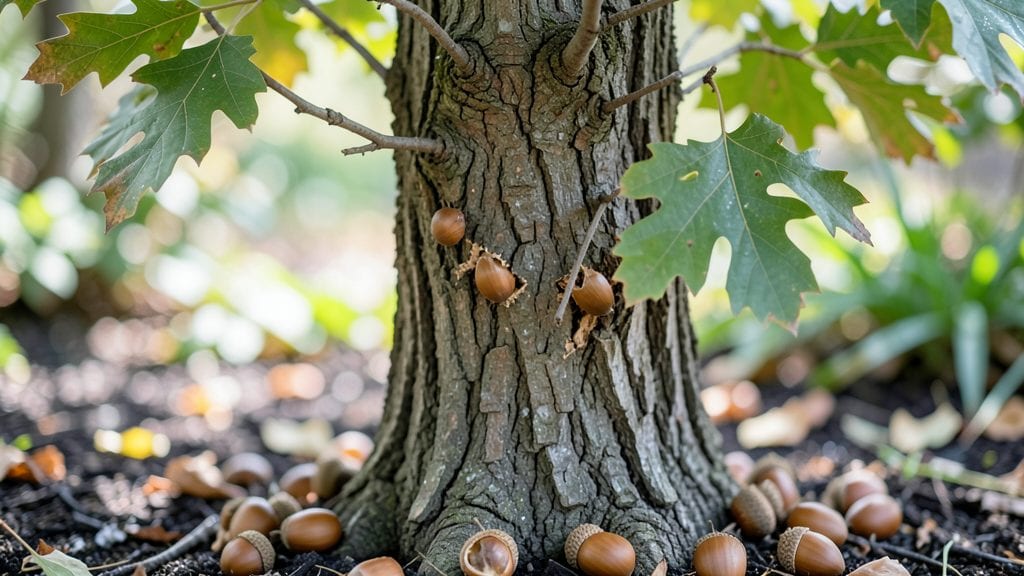
My garden’s squirrel damage started when I found half-dug-up tulip bulbs and gnawed sunflower seeds—until I discovered these natural barriers that actually work. 🌱 The key isn’t just scaring them off; it’s making your garden less appealing than the forest floor they’d rather raid.
I tested everything from wire mesh to predator scents, and these three methods stopped the destruction without harming the critters.
Squirrels target bulbs, fruit trees, and seed packets because they’re easy snacks. The damage isn’t just cosmetic—it wipes out months of planning in minutes. My biggest breakthrough? A chicken wire barrier buried 12 inches deep around bulbs, paired with hot pepper spray (yes, it works).
They avoid the smell and can’t dig through the wire. For fruit trees, netting saved my harvest after one frustrating season of stolen peaches.
You’ll see results within a few weeks—no more vanished seeds or half-eaten tomatoes. The best part? These solutions are humane, affordable, and blend into your garden instead of looking like a fortress.
Even my neighbor’s squirrels (the real troublemakers) gave up after the first week of these deterrents. Let’s keep your garden—and the squirrels—happy.
Works for bulbs, vegetables, and fruit trees, and adapts to any yard size. No traps, no harm—just a smarter garden. Here’s how to set it up without the frustration.
Root Causes Of Garden Raids
Squirrels don’t just randomly raid gardens—they’re driven by a mix of survival instincts, seasonal needs, and even learned behaviors. Understanding these triggers is key to outsmarting them. Here’s why your garden becomes their next buffet:
Squirrels are opportunistic foragers, meaning they’ll exploit any easy food source—especially when natural supplies run low. Their behavior shifts dramatically with the seasons:
- Late summer/early fall: Acorns, nuts, and seeds are plentiful in nature, so squirrels target gardens for supplemental snacks like bulbs, fruit, and veggies.
- Winter: Food becomes scarce, and squirrels cache (bury) garden goodies—like sweet potatoes or corn—to eat later. This digging can uproot plants or create unsightly holes.
- Spring: Squirrels raid gardens to replenish fat reserves after winter, often going for high-calorie crops like peas, beans, and tender shoots.
Science note: Studies show squirrels can remember thousands of food caches, so if they find a garden productive once, they’ll return year after year. 🐿️🗺️
Urban and suburban gardens often lack the natural checks that keep squirrel populations in balance. In the wild, predators like owls, foxes, and coyotes keep squirrels cautious. But in human-dominated areas:
- No threats = bold behavior. Squirrels become less wary of humans and more likely to raid openly.
- Overpopulation. Without predators, squirrel numbers can explode, increasing competition for food—and your garden becomes a prime target.
- Daytime raids. Wild squirrels are mostly crepuscular (active at dawn/dusk), but urban squirrels often forage day and night due to safety.
Actionable insight: If you’ve noticed squirrels in broad daylight, they’re likely feeling overconfident because they perceive no danger. 🕵️♂️
Squirrels are ingenious climbers and diggers, but they prefer the path of least resistance. If your garden makes it too easy for them, they’ll exploit it:
| Garden Feature | Why Squirrels Love It | How to Fix It |
|---|---|---|
| Low-hanging fruit trees | No climbing required—just leap and grab. | Prune branches above 6 feet or add netting. |
| Mulch piles or loose soil | Perfect for digging up bulbs (like tulips or daffodils). | Use gravel or pine straw instead of wood chips near vulnerable plants. |
| Open compost bins | A squirrel buffet—ripe fruit, veggie scraps, and even pet food. | Use metal bins with lids or bury compost in wire cages. |
| Ground-level plantings | Easy grabbing of strawberries, peas, or corn. | Elevate plants on raised beds or cages. |
Pro tip: Squirrels follow visual cues—if they see ripe tomatoes or shiny leaves, they’ll investigate. Dull-colored mulch or row covers can reduce temptation. 🎨
Squirrels are highly social and fast learners. If one discovers a food source, the whole neighborhood will follow:
- Observational learning. Squirrels watch each other and mimic successful foragers. A single squirrel raiding your bird feeder today could mean a gang tomorrow.
- Trial and error. They’ll test barriers (like netting) repeatedly until they find a weak spot. Persistence pays off!
- Food conditioning. If you’ve ever fed squirrels intentionally or accidentally (e.g., leaving pet food out), they’ll associate your garden with free meals.
Warning: Once squirrels learn your garden is an easy score, they’ll defend it aggressively—even from other animals or humans. 🚨
Key takeaway: Squirrel damage isn’t random—it’s a mix of hunger, habit, and habitat. The good news? By addressing these root causes, you can make your garden less appealing and more of a challenge. Stay tuned for natural deterrent strategies that disrupt their patterns! 🌿🚫
Quick Fixes for Squirrel Havoc
Squirrels may be adorable, but their love for digging, chewing, and snacking can turn your garden into a war zone. The good news? With the right strategies, you can stop the damage in its tracks—and even prevent future invasions.
Below, we’ve mapped out practical solutions based on the most common causes of squirrel garden destruction, from burrowing to food theft.
Squirrels tear up soil searching for bulbs, tubers, or grubs. If your garden looks like a construction site, try these fixes:
🌱 Block Their Access with Physical Barriers
- 🔥 Bury Wire Mesh or Hardware Cloth (¼-inch mesh) 12–18 inches deep around vulnerable areas. Squirrels can’t dig through it, and it’s invisible once planted.
- 🍳 Use Raised Beds or Containers for prized plants like tulips or potatoes.
Squirrels avoid climbing into tight spaces. - 👨🍳 Plant Deterrent Ground Covers like marigolds, daffodils, or alliums—their strong scents repel squirrels naturally.
💡 Pro Tip:
If you’re dealing with lawn damage, sprinkle gravel or coarse sand over the soil. Squirrels dislike the texture and will move on.
Squirrels are master thieves, especially for fruits, veggies, and seeds. Protect your crops with these tricks:
🔪 Secure Your Food Sources
- 🥘 Cover Crops with Netting or Row Covers (fine mesh) when fruits/veggies are ripe.
Stake it tightly so squirrels can’t chew through. - 🍎 Hang Bird Feeders Away from Garden Edges—squirrels will focus on easy snacks instead of your tomatoes. - ⏰ Harvest Early or Often—pick produce before it ripens fully to remove temptation.
🌡️ Use Squirrel-Confusing Tricks
- 🎯 Spray Hot Pepper Wax (mix cayenne pepper + water + soap) on plants. Squirrels hate the spicy taste and will avoid them.
- 💡 Place Fake Owls or Predator Decoys near problem areas. Move them weekly so squirrels don’t get wise.
If squirrels are digging burrows under sheds, decks, or shrubs, they’re claiming territory. Kick them out humanely with these methods:
🏗️ Seal Entry Points
- 🔧 Fill Burrows with Rocks or Sand—squirrels won’t dig through dense material.
- 🌳 Trim Low-Hanging Branches so they can’t jump down from trees into your garden.
- 🚪 Install a Squirrel-Proof Gate (with small mesh) on sheds or compost bins.
💡 Pro Tip:
If you must remove a nest, do it at night when squirrels are least active. Relocate them at least 2 miles away (check local laws first!).
The best defense? Remove the incentives. Squirrels seek food, shelter, and nesting sites—so eliminate them:
| Problem | Solution | How to Do It |
|---|---|---|
| Easy Food Access | Remove fallen fruit, nuts, or seeds | Pick up debris daily |
| Overgrown Brush | Clear tall grass, weeds, and dense shrubs | Trim back 3 ft from garden edges |
| Pet Food Left Out | Store pet food indoors or use squirrel-proof feeders | Use metal mesh or elevated feeders |
| Standing Water | Eliminate puddles or birdbaths | Drain or cover water sources |
Squirrels despise certain smells and tastes. Try:
- 🌿 Capsaicin Spray (mix cayenne pepper + water + dish soap)
- 🍋 Citrus Peels or Coffee Grounds (scatter around plants)
- 🌿 Fresh Garlic or Onion Clippings (plant near borders)
Reapply every few days after rain.
- ❌ Don’t use poison—it’s inhumane and can harm other wildlife.
- ❌ Avoid cheap plastic spikes—they’re ineffective and can hurt squirrels.
- ❌ Don’t rely on one method—combine barriers + repellents + habitat changes for best results.
With these targeted fixes, you’ll restore peace to your garden in no time. 🌱🛡️ The key is acting fast**—squirrels won’t wait!
Frequently asked questions
What are the first signs of squirrel damage in my garden?
Look for freshly dug holes in flower beds (especially around bulbs like tulips or daffodils), partially eaten fruits or vegetables, and chewed plants or seed packets. You might also spot scattered mulch or disturbed soil where squirrels have been digging for grubs or buried treats.
Can I use pepper spray to keep squirrels away from my garden?
Yes! A homemade hot pepper spray (mix 2 tablespoons cayenne pepper, 1 quart water, and 1 teaspoon dish soap) works well. Spray it on plants, around garden edges, and even on tree trunks. Reapply after rain. Squirrels hate the spicy taste and will avoid treated areas.
How deep should I bury wire mesh to protect bulbs from squirrels?
For maximum protection, bury hardware cloth or wire mesh (¼-inch or smaller) at least 12 inches deep around bulb beds. This prevents squirrels from digging through to reach buried treasures like tulips or daffodils. The mesh should extend 2 inches above ground to stop them from chewing through.
Will fake owls or predator decoys really scare squirrels?
They can help, but squirrels are smart—they’ll lose fear if the decoys stay in one place too long. Move them weekly and combine with other deterrents like netting or repellents. For best results, use decoys alongside physical barriers, as squirrels are more likely to avoid areas that feel risky.
Are there any plants squirrels naturally avoid?
Yes! Squirrels dislike strong-smelling plants like daffodils, marigolds, alliums, and garlic. Planting these around your garden’s perimeter can create a natural barrier. Even better, these plants also repel other pests like rabbits and deer while adding beauty to your landscape.