
Pests
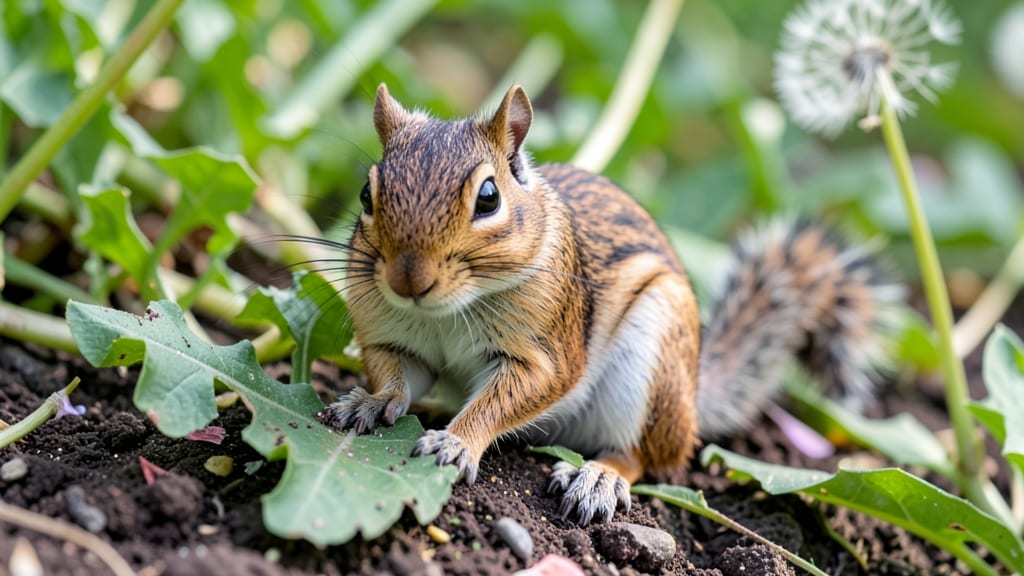
My squirrel control garden starts with motion-activated deterrents that actually work—no traps, no harm, just clever tech that keeps those acrobatic thieves away. 🌱 I’ve spent years watching my hard-earned seeds vanish overnight, and these devices finally gave me the upper hand without cruelty.
The key is combining motion-activated sprinklers with ultrasonic repellents—both proven to scare squirrels without hurting them. You’ll need a few basic supplies: a solar-powered motion sensor, a sprinkler head, and a plug-in ultrasonic emitter. Setup takes less than an hour, and the results are immediate—those pesky critters learn fast.
Within days, you’ll see fewer dug-up bulbs and stolen sunflower seeds. The sprinklers startle them with a quick burst of water, while the ultrasonic waves create an invisible barrier they avoid. It’s not just about protecting your garden—it’s about giving squirrels a reason to leave your yard alone.
Works for vegetable gardens, flower beds, and even bird feeders. The best part? These solutions adapt to any season, from spring planting to winter bulb protection. Let’s get those squirrels redirected—ethically and effectively.
📚 In This Guide
- What you need
- Instructions
- Tips and common mistakes
- Wrapping up and next steps
What you need
- ● Motion-activated sprinklers (2–4 units) – Choose rechargeable or solar-powered models (e.g., Orbit Enforcer or Rain Bird). Look for 10–15 ft. range for full coverage.
- ● Stakes or anchors (4–8) – Heavy-duty metal or plastic stakes to secure sprinklers in soil.
- ● Garden hose (½” diameter, 25+ ft.) – For connecting sprinklers to a water source.
- ● Water source access – Nearby spigot or a large watering can (for manual refills if solar isn’t enough).
- ○ Reflective tape or old CDs – Optional but helpful to add visual deterrents around sprinkler zones.
- ● Spray paint (red or bright colors, 1 can) – To mark sprinkler zones (squirrels hate surprises!).
- ● Ultrasonic repellents (1–2 units) – Plug-in devices that emit high-frequency sounds (e.g., Neatmaster). Best for small, enclosed areas.
- ● Bird netting (lightweight, 10x10 ft. roll) – Cover vulnerable plants or raised beds temporarily.
- ● Peppermint oil (10 mL bottle) – Soak cotton balls and place near problem spots (squirrels hate the scent!).
- ● Solar-powered lights (2–4) – Motion-activated lights startle squirrels at night.
Step-by-Step guide to designing a motion-activated squirrel control garden
Here’s how to create a humane, effective barrier system that keeps squirrels out without harm.
🌱 Step 1: Identify High-Risk Zones in Your Garden
Squirrels target areas with easy access to food, water, or nesting spots. Walk your garden and mark zones where you’ve seen them digging, chewing, or raiding plants. Focus on beds with tender shoots, bulbs, or ripe fruit—these are their favorites. Pay extra attention to corners, fences, and structures where they can leap or climb.
I use a small flag or spray-paint dots to tag these spots. This helps me prioritize where to place deterrents first. If your garden has tree trunks or wooden structures, squirrels will use these as highways—these need special attention. Avoid treating the entire garden uniformly; squirrels will just bypass the protected areas.
💧 Step 2: Install Motion-Activated Sprinklers for Immediate Deterrence
Motion-activated sprinklers are the most effective first line of defense. Position them so they cover the high-risk zones you identified, aiming for a 15-20 foot radius per unit. Place sprinklers near plant beds, compost piles, or bird feeders—anywhere squirrels gather. The sudden spray startles them and teaches them to avoid the area.
I like to set them on a low-pressure mode to conserve water while still delivering a strong enough burst to deter. Test each sprinkler by waving your hand in front of it—you should see water spray within 1-2 seconds. If it’s too slow, adjust the sensitivity or move it closer to the target zone. Avoid placing them where they’ll spray desirable plants directly.
☀️ Step 3: Create Physical Barriers with Reflective Materials
Squirrels rely on stealth, so disrupt their approach with reflective deterrents. Hang strips of aluminum foil, old CDs, or plastic sheeting around vulnerable areas. The flashing light confuses them and makes them think the area is occupied. Focus on tree trunks, fence lines, and garden edges—these are their primary entry points.
I attach reflective strips to stakes or wires strung between posts, creating a shimmering perimeter. Move them every 2-3 weeks to prevent squirrels from getting used to the pattern. If you have raised beds, drape reflective material over the edges to block their access. Pair this with motion sprinklers for a double deterrent effect. Squirrels avoid areas with thorny plants or strong scents. Plant rosemary, thyme, or lavender around the perimeter of your garden to create a natural barrier. These herbs not only repel squirrels but also add beauty and fragrance. Avoid planting them too close to your main crops, as squirrels may still dig under them. I also interplant deterrent crops like daffodils or alliums among vulnerable plants. Squirrels dislike the taste and smell of these bulbs. If you have fruit trees or berry bushes, wrap the trunks with hardware cloth to prevent climbing. This physical barrier works best when combined with the other methods—squirrels are less likely to risk exposure when multiple deterrents are in place. Squirrel behavior changes with the seasons. In spring and summer, focus on protecting new shoots and bulbs. In fall, shift attention to fruit-bearing plants and stored nuts. Check your motion sprinklers every 2 weeks to ensure they’re still functioning—debris or dirt can clog the sensors. Adjust reflective materials as needed, especially after heavy rains or winds. I keep a log of squirrel activity in my garden, noting where they’re most persistent. If I notice they’re bypassing a deterrent, I rotate the placement or add an extra layer. For example, if they’re digging near a sprinkler, I’ll add a barrier of gravel or mulch to make the soil harder to penetrate. Consistency is key—squirrels learn to ignore deterrents if they’re not reinforced regularly.✂️ Step 4: Use Strategic Plant Placement to Disrupt Foraging
🪴 Step 5: Maintain and Adjust Your System Seasonally
Tips & tricks for perfect squirrel control gardens
These battle-tested strategies will help you create a squirrel-proof garden that actually works—without traps or harm.
Precision Placement: In Step 1, when identifying high-risk zones, focus on areas where you've seen squirrel activity within the last 48 hours. These creatures are creatures of habit—they'll return to the same spots repeatedly. I've found that marking zones with spray-paint dots (using a color that won't harm plants) helps me visualize the problem areas clearly. For tree trunks and wooden structures, consider using small, inconspicuous flags at ground level to indicate where squirrels are climbing.
Sprinkler Sensitivity: When testing your motion-activated sprinklers in Step 2, aim for that 1-2 second response time by adjusting the sensitivity dial counterclockwise (most models require this). I've discovered that placing sprinklers about 3 feet back from garden edges creates the perfect deterrent zone—close enough to startle squirrels but far enough to protect your plants. Remember to position them so they don't spray desirable plants directly, as squirrels will quickly learn to avoid the spray entirely if it doesn't affect their target areas.
Reflective Material Rotation: The key to maintaining effectiveness with reflective materials in Step 3 is rotation. I've developed a system where I move reflective strips every 2-3 weeks, creating a new visual pattern that confuses squirrels. For raised beds, I've had success draping reflective material over the edges and securing it with small garden staples. This creates a visual barrier that squirrels perceive as an occupied territory. Pair this with motion sprinklers for maximum effectiveness—squirrels are less likely to risk exposure when multiple deterrents are present.
Seasonal Adaptation: In Step 5, when adjusting your system seasonally, consider adding mulch around vulnerable plants in spring. The extra layer makes digging more difficult for squirrels. I've also found that placing hardware cloth around fruit trees in late summer creates a physical barrier that prevents climbing. The beauty of this system is its adaptability—you can adjust components as squirrel behavior changes with the seasons, always staying one step ahead.
Pro Tips for Squirrel Control Garden
- These battle-tested strategies will help you create a squirrel-proof garden that actually works—without traps or harm.
- Precision Placement: In Step 1, when identifying high-risk zones, focus on areas where you've seen squirrel activity within the last 48 hours.
- Sprinkler Sensitivity: When testing your motion-activated sprinklers in Step 2, aim for that 1-2 second response time by adjusting the sensitivity dial counterclockwise (most models require this).
Frequently asked questions
Got questions about keeping squirrels out of your garden without traps? Here are some of the most common concerns—and straightforward answers—to help you get started with motion-activated deterrents.
What’s the best time of year to set up motion-activated squirrel deterrents?
Spring and early summer are ideal! Squirrels are most active during these seasons, especially when they’re gathering food for winter. Install deterrents before you notice damage (like chewed bulbs or stolen fruit) to stay ahead of their mischief. If you’re dealing with a late-season issue, don’t wait—squirrels can strike anytime they’re hungry!
Will motion-activated deterrents harm squirrels or other wildlife?
Reputable motion-activated deterrents are designed to be harmless but effective. They use bright lights, loud noises (like ultrasonic pulses), or even water sprays—all of which startle squirrels without injuring them. Always choose pet- and wildlife-safe models to avoid unintended consequences. Check for labels like "humane" or "eco-friendly" for peace of mind.
How long does it take for squirrels to stop bothering my garden after installation?
Patience is key! Most squirrels learn to avoid deterrents within 3–7 days of consistent use. If they’re persistent, try moving the device to a new spot or adding a secondary deterrent (like a motion-activated sprinkler). Remember, squirrels are clever—they’ll adapt, but they will eventually get the hint.
Are there any DIY alternatives to commercial motion-activated deterrents?
Try these budget-friendly tricks:
- Reflective tape or old CDs hung near trouble spots—squirrels dislike the flashing light.
- Wind chimes or aluminum pie pans strung up to create noise when they move.
- Peppermint oil soaked into cotton balls and placed in problem areas (reapply every few days).
What should I do if squirrels keep coming back after using a deterrent?
If squirrels are still sneaking in, troubleshoot with these steps:
- Check the battery life—weak batteries mean weaker deterrence!
- Adjust the sensor range or angle to cover more ground.
- Add a physical barrier, like chicken wire around vulnerable plants.
- Try a combination of deterrents, like a sprinkler + ultrasonic device.
Wrapping up and next steps
Keeping squirrels at bay in your garden doesn’t have to mean cruel traps or harsh chemicals—motion-activated deterrents offer a humane, effective, and eco-friendly solution. 🌿 By combining visual, auditory, and physical barriers, you can protect your plants while respecting wildlife.
The key is consistency and patience, but the results—a thriving, squirrel-free garden—are well worth the effort!
Ready to take action? Start small with one or two deterrents, monitor their effectiveness, and gradually expand your defense system. Your garden (and your sanity) will thank you! 🌱✨