
Flowers
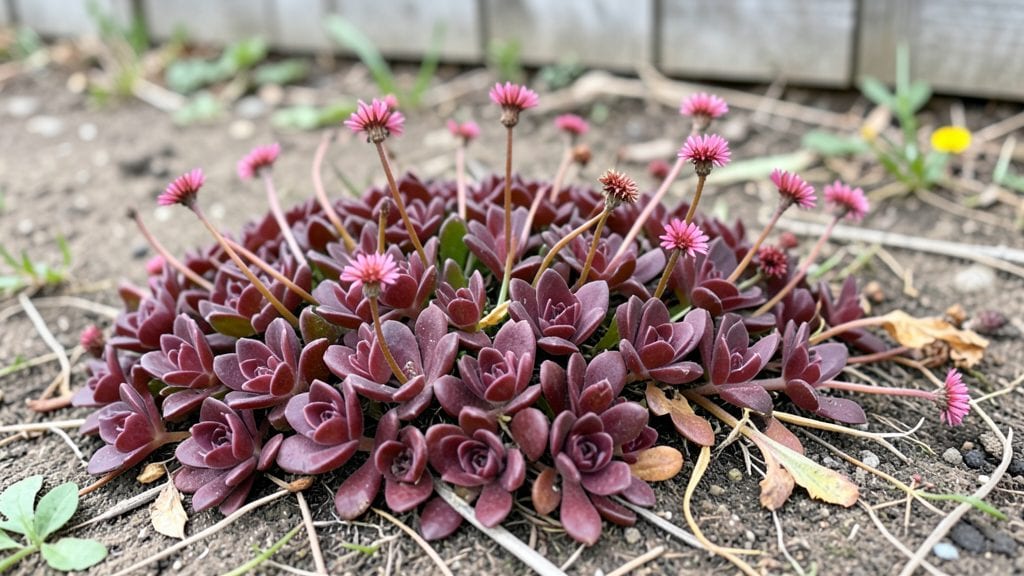
Solid ground gardens transform rocky slopes and compacted soil into lush, self-sustaining displays. 🌿 I built mine after years of struggling with uneven terrain—now it’s a thriving tapestry of perennials that spread effortlessly.
The secret lies in choosing plants that thrive in shallow roots and pairing them with sturdy borders that keep everything in place.
Think of it as a layered quilt: drought-tolerant sedums anchor the design, while creeping thyme and ornamental grasses spill over edges. Sturdy materials like stacked stone or concrete pavers create definition without smothering the natural spread.
This approach works beautifully in modern landscapes, cottage-style gardens, or even small urban patios where soil quality is questionable.
What you’ll love most is how little maintenance these gardens demand. Once established, perennials multiply naturally, filling in gaps without thinning. The result is a garden that looks intentional from day one but grows more stunning with each passing season. Perfect for gardeners who want beauty without backbreaking work.
Best of all, this design adapts to any climate—whether you’re dealing with rocky hillsides in the Southwest or compacted clay in the Northeast. The key is matching plants to your specific ground conditions while letting nature do the heavy lifting. Let’s make your solid ground shine!
The Root Causes Behind Struggles
Even the most well-intentioned perennial gardens can face challenges that prevent plants from thriving—or worse, multiplying as intended. Understanding why these issues arise is the first step to creating a thriving, self-sustaining landscape. Below, we break down the key factors that disrupt natural growth in layered perennial beds.
Perennials rely on healthy soil to establish roots, access nutrients, and thrive season after season. When soil is compacted, waterlogged, or nutrient-poor, plants struggle to spread and multiply. Here’s why:
- Clay-heavy soil holds too much water, suffocating roots and promoting rot. Perennials like hostas or astilbes may survive but won’t send out vigorous runners or offsets.
- Sandy soil drains too quickly, starving plants of moisture and nutrients. This leads to stunted growth and fewer division opportunities.
- Lack of organic matter reduces soil structure, making it harder for roots to penetrate and spread. Without compost or mulch, perennials like coneflowers or black-eyed Susans won’t produce the energy needed for natural propagation.
Actionable fix: Test your soil (pH and texture) and amend with compost, aged manure, or perlite/sand mixes to improve drainage and fertility.
Perennials evolved to handle drought once established—but inconsistent moisture throws them off balance. Overwatering or underwatering disrupts root development and energy reserves needed for multiplication.
- Overwatering leads to root rot and fungal diseases (like powdery mildew), weakening plants and reducing their ability to produce offsets.
- Underwatering stresses plants, diverting energy to survival rather than growth. This halts the natural spread of clump-forming perennials like daylilies or sedum.
- Irregular schedules confuse plants, causing erratic blooming and stunted foliage—signs they’re not conserving enough energy for propagation.
Actionable fix: Water deeply but infrequently (1–2 inches per week, depending on climate) and use drip irrigation to maintain consistency.
Unchecked pests and pathogens drain a plant’s resources, leaving little energy for natural multiplication. Common culprits include:
| Pest/Disease | Impact on Perennials | Signs to Watch For |
|---|---|---|
| Japanese beetles | Defoliate plants, reducing photosynthesis and growth energy. | Skeletons of leaves, chewed petals. |
| Slugs & snails | Devour young shoots and offsets before they establish. | Irregular holes in leaves, slimy trails at night. |
| Fungal infections (e.g., rust, blight) | Weaken roots and foliage, stunting spread. | Orange pustules, blackened stems, wilting. |
| Deer or rabbits | Mow down entire plants, preventing regrowth. | Cleanly bitten stems, missing plants. |
Actionable fix: Use organic pesticides (neem oil, diatomaceous earth), physical barriers (copper tape for slugs), or companion planting (e.g., garlic to deter pests).
Perennials multiply best when given room to expand. When overcrowded, they compete for sunlight, water, and nutrients, leading to:
- Stunted growth—plants focus on survival rather than sending out runners or dividing.
- Increased disease risk—poor airflow from dense foliage traps moisture, inviting fungi.
- Weak offsets—new shoots may emerge but lack the strength to thrive without proper spacing.
Actionable fix: Plan for mature plant sizes (check tags for spacing needs) and thin out congested areas every 2–3 years to encourage natural spread.
Perennials thrive in their native climate zones, but harsh conditions—whether too hot, too cold, or too windy—can halt multiplication. Key stressors include:
- Frost-heaving: Freeze-thaw cycles lift roots, disrupting growth cycles in hardy perennials like peony or iris.
- Heatwaves: Drought-like conditions force plants into dormancy, delaying or preventing offsets.
- Wind exposure: Desiccates foliage, reducing energy for reproduction (common in exposed prairie gardens).
Actionable fix: Choose perennials suited to your hardiness zone, use windbreaks (e.g., arborvitae hedges), and mulch heavily to regulate soil temperature.
Practical fixes for thriving plant beds
If your layered perennial gardens feel more like a struggle than a sanctuary, don’t worry—there’s always a way to turn things around. The key is understanding the root causes (literally!) and applying targeted fixes.
Below, we break down common issues in self-sustaining perennial gardens and match them with actionable solutions, plus prevention tips to keep your beds flourishing year after year.
Cause: Compacted, nutrient-poor, or overly sandy soil stunts root growth and limits natural spreading.
How to Fix It:
Start by testing your soil’s pH and texture (a simple DIY kit or local extension office can help). Then:
- 🔥 Amend the Soil Mix in 2–3 inches of compost or well-rotted manure into the top 12 inches of soil. For clay-heavy soil, blend in coarse sand or perlite (1 part sand to 3 parts soil). Sandy soil? Add peat moss or coconut coir to retain moisture.
- 👨🍳 Build Raised Beds (If Needed) If your soil is irredeemably poor, create raised beds with a mix of topsoil, compost, and perlite. This gives perennials the ideal loose, airy environment to thrive.
- 🥘 Mulch Like a Pro Apply a 3–4 inch layer of organic mulch (straw, shredded leaves, or wood chips) to improve soil health, retain moisture, and suppress weeds. Replenish annually.
💡 Prevention Tip: Rotate crops (even perennials!) every few years to prevent nutrient depletion. Plant cover crops like clover or vetch in winter to naturally enrich the soil.
Cause: Some perennials (like mint, bamboo, or goldenrod) multiply aggressively, crowding out desired plants.
How to Fix It:
Tame unruly spreaders with these strategies:
- 🔪 Prune Strategically For rhizomatous plants (e.g., iris, daylilies), cut back roots in early spring before new growth starts. Dig up and relocate stray shoots to a contained area.
- 🏗️ Install Barriers Bury plastic or metal edging 12–18 inches deep for underground spreaders like bamboo. For surface creepers (e.g., creeping Charlie), lay landscape fabric under mulch.
- 🌡️ Solarize Problem Areas In hot climates, cover invasive patches with clear plastic sheeting for 6–8 weeks to solar-cook weeds and roots.
🎯 Prevention Tip: Choose non-invasive perennials for your climate (e.g., coneflowers, black-eyed Susans, or Russian sage). Research each plant’s spread habit before planting!
Cause: Aphids, slugs, powdery mildew, or fungal issues can decimate perennials if left unchecked.
How to Fix It:
Target pests and diseases with preventive care and natural remedies first:
| Problem | Solution |
|---|---|
| 🐜 Aphids/Spider Mites | Spray plants with soapy water (1 tsp mild soap + 1 quart water) or introduce ladybugs. Neem oil also works as a deterrent. |
| 🐌 Slugs & Snails | Set out beer traps (bury a shallow dish filled with beer) or use copper tape around beds. Handpick at night with a flashlight! |
| 🍄 Powdery Mildew | Improve air circulation by spacing plants 12–18 inches apart. Spray with baking soda mix (1 tbsp baking soda + 1 quart water + a drop of soap). |
| 🍂 Fungal Leaf Spot | Remove infected leaves immediately. Water at the base (not overhead) and avoid overhead irrigation. |
✨ Prevention Tip:
- Rotate plant families to prevent soil-borne diseases.
- Plant companion flowers (e.g., marigolds repel pests, lavender deters slugs).
- Inspect new plants for pests before bringing them home.
Cause: Perennials may look sad due to underwatering, overwatering, or improper pruning.
How to Fix It:
Revive struggling perennials with these quick fixes:
- 💧 Water Wisely
- Drought-stressed? Water deeply 2–3 times per week (early morning is best).
- Overwatered? Let soil dry out between waterings. Improve drainage with sand or gravel in heavy clay.
- ✂️ Prune for Health
- Deadheading (removing spent blooms) encourages more flowers.
- Cut back leggy growth to the first set of healthy leaves in early spring.
- Avoid late-season pruning—it can stimulate tender new growth that won’t survive frost.
- 🌿 Fertilize Lightly Use a balanced, slow-release fertilizer (10-10-10) in early spring. Avoid high-nitrogen feeds—they promote leafy growth at the expense of blooms.
💡 Prevention Tip: Group plants with similar water needs together to simplify care. For example, pair drought-tolerant lavender with moisture-loving asters in separate beds.
With these fixes, your layered perennial garden will soon be a self-sustaining, low-maintenance paradise—where plants multiply naturally and thrive with minimal effort. Start small, stay consistent, and watch your garden transform!
Frequently asked questions
What are the best plants for a solid ground garden?
Start with drought-tolerant perennials like sedum, lavender, and Russian sage—they thrive in shallow, well-drained soil. For texture, add creeping thyme or orchard grass. Avoid heavy feeders like hostas; they need richer soil to multiply.
How do I prepare rocky or uneven ground for planting?
First, clear debris and loosen the top 6 inches of soil. For rocky areas, create raised beds with a mix of topsoil and compost. Use landscape fabric under mulch to suppress weeds. Stone borders or pavers can define edges without smothering roots.
Can I use gravel in a solid ground garden?
Yes! Gravel gardens work beautifully with succulents, sedum, and ornamental grasses. Use 3–4 inches of gravel over landscape fabric to prevent soil erosion. Just ensure plants have access to moisture—mulch around their bases. This style is perfect for modern, low-maintenance designs.
What’s the easiest way to contain spreading perennials?
Install underground barriers (like plastic edging) for rhizomatous plants, or use containers sunk into the ground for aggressive spreaders. For surface creepers, lay landscape fabric under mulch. Prune back strays in early spring to redirect energy.
How do I maintain a solid ground garden with minimal effort?
Choose self-spreading perennials and mulch heavily to retain moisture. Group plants by water needs and use drip irrigation for consistency. Deadhead spent blooms and remove weeds early—this keeps gardens lush with almost no upkeep.