
Tools
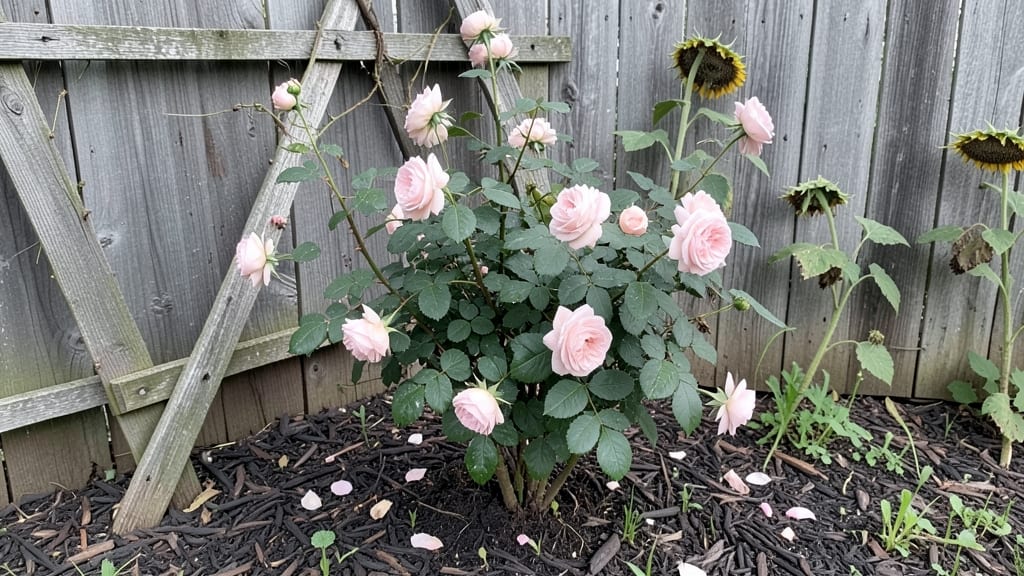
Creating a small rose garden that smells like a country lane but fits in a corner is entirely possible—dwarf roses and climbing varieties make it happen. 🌿 I thought privacy screens needed space, but my 4-by-6-foot plot now blocks nosy neighbors while filling the air with perfume.
The key is choosing the right roses: floribundas for bushy blooms, climbers for vertical interest, and ground covers to fill gaps.
You’ll need just a few tools: a trowel, pruners, and maybe a small trellis for climbing types. Sunlight is non-negotiable—at least 6 hours daily—but even partial shade works for lighter varieties.
My garden thrives with a mix of Knock Out roses (disease-resistant) and a climbing Iceberg for height. Mulch keeps roots cool and weeds at bay, saving me hours of weeding.
The payoff? A lush, fragrant barrier that’s easier to maintain than a hedge. By summer, you’ll be pinching back leggy stems and watching buds burst into color—no fuss, just beauty. The best part? You’ll never need a fence again. Let’s design yours!
Works for urban balconies, suburban edges, or even a narrow yard. Here’s how to make it work without sacrificing charm—or space.
📚 In This Guide
- What you need
- Instructions
- Tips and common mistakes
- Wrapping up and next steps
What you need
- ● Rose bushes: 3–5 dwarf or climbing rose varieties (e.g., ‘Flower Carpet,’ ‘Knock Out,’ or ‘New Dawn’). Choose disease-resistant types for small spaces!
- ● Potting soil or garden soil: 2–3 bags (1 cubic foot each) of high-quality, well-draining soil (amend with compost if needed).
- ● Containers or planters: For containers: 5–10-gallon pots with drainage holes (1 per rose bush).
- ● For in-ground planting: A narrow trench (12–18" wide) or individual planting holes (18" deep).
- ● Mulch: 2–3 bags of organic mulch (e.g., shredded bark or pine straw) to retain moisture and suppress weeds.
- ● Fertilizer: Slow-release rose fertilizer (10–10–10 NPK ratio) or organic options like fish emulsion.
- ● Pruning shears: Sharp, bypass-pruners (for shaping and maintenance).
- ● Gloves & watering can: Heavy-duty gardening gloves and a 1–2 gallon watering can (or hose with a gentle spray nozzle).
- ● Trellis or obelisk: 1–2 lightweight metal or wooden trellises (for climbing roses, 4–6 feet tall).
- ● Stakes & ties: 3–5 bamboo or plastic stakes + soft plant ties (to support new growth).
- ● Soil moisture meter (to check watering needs).
- ● Rose-specific fungicide (e.g., neem oil or copper spray) for pest prevention.
- ● Decorative edging or pebbles (to define the garden’s borders).
- ● Solar-powered garden lights (for evening ambiance).
- ● Companion plants (e.g., lavender or marigolds) to deter pests.
How to design a fragrant rose privacy screen in tight spaces
Here's how to create a lush, fragrant barrier that thrives even in limited yards.
🌱 Step 1: Choose the Right Rose Varieties for Compact Growth
For a 4-foot-tall privacy screen, select climbing roses like 'New Dawn' or 'Blaze' that grow 6-8 feet tall but can be pruned to stay contained. These varieties produce abundant blooms while maintaining a manageable width of 3-4 feet. Avoid hybrid teas—they're too bushy for vertical screens. I always plant 4 canes per location to ensure full coverage within 2 growing seasons.
Check your USDA hardiness zone—choose roses rated for your area to avoid winter dieback. For example, 'Zephirine Drouhin' thrives in zones 5-9 and produces scented pink blooms perfect for screening. Plant in early spring after the last frost date for best establishment.
🪴 Step 2: Prepare the Planting Site and Install Support Structures
Dig holes twice as wide as the root ball but only as deep as the container the rose came in. Amend the native soil with 2 gallons of compost per plant to improve drainage and fertility. Roses hate soggy roots, so if your soil drains poorly, mix in 1 part perlite to 3 parts soil.
Install T-posts or sturdy trellis panels at least 6 feet tall (or your desired height) before planting. Space them 4 feet apart for a 4-plant screen. Use garden twine or flexible wire to create horizontal guides where you want canes to grow. This keeps the roses organized and prevents tangled growth.
☀️ Step 3: Plant Roses and Train Canes for Vertical Growth
Place each rose in its hole so the graft union (the bulge near the base) sits 2 inches above soil level. This prevents root rot and ensures healthy regrowth if pruned too low. Backfill with amended soil, tamping gently to remove air pockets. Water deeply to settle the roots—1 gallon per plant should soak the soil to 12 inches deep.
Immediately after planting, tie the main canes to the support structure using soft plant ties. Space canes 6 inches apart along the trellis for even growth. Prune any damaged or crossing branches at a 45-degree angle just above an outward-facing bud. This encourages strong upward growth and prevents disease entry points.
💧 Step 4: Maintain Watering and Pruning for a Dense Screen
Water deeply 2-3 times per week during the first growing season to establish roots. You'll know you're doing it right when the soil feels damp 6 inches down but not waterlogged. Mulch with 2 inches of shredded bark around each plant to retain moisture and suppress weeds. Keep mulch 6 inches away from the stem to prevent rot.
Prune twice yearly: lightly in early spring to remove dead wood and heavily in late winter (just before buds swell). Cut back 1/3 of the oldest canes each year to encourage new growth. This keeps the screen lush and flowering while maintaining its compact shape. Fertilize with rose-specific food every 6 weeks during the growing season.
✂️ Step 5: Encourage Full Coverage and Season-Long Blooms
After the first flush of blooms fades, deadhead spent flowers by cutting back to the first 5-leaflet leaf below the bloom. This redirects energy into more flowers rather than seed production. For climbing roses, weave new canes through the trellis as they grow to fill gaps. You'll see full coverage within 2 growing seasons if you maintain consistent pruning.
To enhance fragrance, plant companion flowers like lavender or jasmine at the base of the roses. These low-growing perennials attract pollinators and create a multi-layered sensory experience. Avoid planting too close—their roots compete with roses for nutrients. Instead, let them soften the base of your screen naturally.
Tips & tricks for perfect small rose privacy screens
Creating a fragrant rose privacy screen in tight spaces takes planning—but these tips will help you avoid common pitfalls and create a lush, low-maintenance barrier.
Variety Selection Matters: When choosing your climbing roses like 'New Dawn' or 'Blaze', look for labels that specify "compact" or "bush" varieties if you want even tighter control. These growers have bred roses specifically for smaller spaces, and they'll reward you with abundant blooms without spreading uncontrollably. I always check the mature width measurement—aim for 3-4 feet maximum for your 4-foot screen. The key is balancing height (6-8 feet) with controlled width through proper pruning.
Support Structure Secrets: Don't skimp on your trellis height! While the instructions call for 6 feet, I recommend going 8 feet if you want that extra privacy boost. Use powder-coated metal T-posts for longevity—they won't rot like wooden stakes. For the horizontal guides, space them every 12 inches vertically to give your canes plenty of support as they grow. This prevents the "whiplash" effect where canes flop between supports.
Planting Depth is Critical: That 2-inch graft union above soil level is non-negotiable—it's your insurance policy against winter dieback. If you plant too deep, the rose may suffocate; too shallow, and it's vulnerable to frost. After planting, I always do a "soil settle test": Water deeply, then wait 10 minutes before backfilling any remaining gaps. This prevents air pockets that can strangle roots. The 1 gallon per plant watering should create a saturated soil zone down to 12 inches—stick your finger in to check!
Pruning Timing Tricks: The twice-yearly pruning schedule works, but here's what nobody tells you: In late winter, prune on a dry, cloudy day when temperatures are above freezing. This minimizes stress on the plant. For the spring pruning, wait until you see at least 3-4 leaf buds swelling on each cane—this ensures you're not cutting back too aggressively. And here's a pro move: After your heavy winter prune, apply a thin layer of rose-specific fungicide to the fresh cuts to prevent disease entry.
Pro Tips for Small Rose Garden
- Creating a fragrant rose privacy screen in tight spaces takes planning—but these tips will help you avoid common pitfalls and create a lush, low-maintenance barrier.
- Variety Selection Matters: When choosing your climbing roses like 'New Dawn' or 'Blaze', look for labels that specify "compact" or "bush" varieties if you want even tighter control.
- Support Structure Secrets: Don't skimp on your trellis height!
Frequently asked questions
Got questions about creating your own small rose garden?
Here are some of the most common ones—and their simple, practical answers to help you get started!
Can I grow roses in containers if my space is very limited?
Many rose varieties, like miniature roses or potted patio roses, thrive in containers. Just ensure the pot has drainage holes and is at least 12 inches deep. Place it in a sunny spot (6+ hours of light daily) and use well-draining potting mix. Pro tip: Rotate the pot occasionally for even growth!
When is the best time to plant roses in a small garden?
For most regions, late fall or early spring (before the last frost) is ideal. This gives roots time to establish before extreme heat or cold. If you’re in a warm climate, plant in winter when temperatures are mild. Bare-root roses should be planted as soon as they arrive, while potted roses can wait until spring.
How do I protect my small rose garden from pests without harsh chemicals?
Start with healthy soil and strong plants—pests are less likely to target them! Use neem oil or insecticidal soap for aphids and spider mites. Introduce beneficial insects like ladybugs or lacewings. Prune regularly to improve airflow, and remove damaged leaves. Prevention is key!
What are some low-maintenance rose varieties for small gardens?
Look for disease-resistant and compact varieties like:
- Knock Out® roses (tough, repeat-blooming, minimal pruning)
- Fairy roses (tiny, perfect for fairy gardens or containers)
- David Austin English roses (fragrant, bushy, and hardy)
- Floribunda roses (clustered blooms, great for hedges)
How do I keep my small rose garden looking neat without over-pruning?
Prune only dead, diseased, or crossing branches in late winter. For shaping, trim lightly after blooms fade to encourage new growth. Use sharp, clean shears and sterilize them with rubbing alcohol between cuts. Less is more! Avoid heavy pruning in fall—it can stress the plant.
Wrapping up and next steps
A small rose garden isn’t just about saving space—it’s about crafting a fragrant, private oasis that brings joy and tranquility to your compact yard. With the right variety of roses, thoughtful design, and a touch of care, you can transform even the tiniest corner into a lush, aromatic retreat. 🌹
Ready to dive in? Start by sketching your dream layout, gathering your tools, and picking roses that thrive in your climate. Your fragrant privacy screen is just a few steps away!