Shrubs
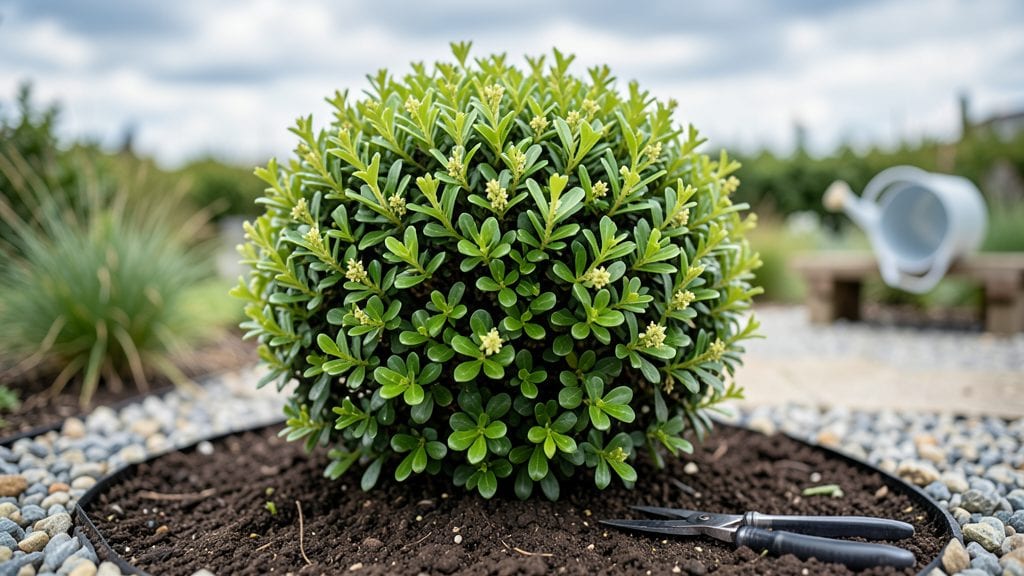
Small gardens need shrubs that pack big impact without crowding—here’s how to create layered privacy under 5 feet tall. ✨ My first tiny garden was a concrete jungle until I swapped out floppy annuals for compact shrubs that now give me year-round color and a sense of enclosure.
The trick is choosing varieties that mature small but grow wide, like dwarf lilacs or boxwoods, which create depth without stealing square footage.
You’ll want a mix of evergreens for structure—think inkberry holly or dwarf yew—and deciduous shrubs for seasonal interest, like pink abelia or spirea. These stay under 4 feet tall but fill out quickly, giving you that lush, manicured look without the space.
Most need just 6 hours of sun and well-drained soil, making them perfect for patios, narrow beds, or even container gardens.
By layering shrubs in odd-numbered groupings (three or five plants), you create visual balance and break up the monotony of straight lines. Add climbing roses or clematis to weave between them for extra texture, and you’ve got a foolproof privacy screen that feels intentional, not cramped.
The best part? Once established, these shrubs need minimal pruning—just a trim in early spring to keep them tidy.
Works for urban backyards, courtyard gardens, or even small front yards. The key is to start small, plan for growth, and let the shrubs do the heavy lifting—your space will feel bigger, not smaller, in no time.
📚 In This Guide
- What you need
- Instructions
- Tips and common mistakes
- Wrapping up and next steps
What you need
- ● Shrubs (3–5 plants): Choose compact, slow-growing varieties under 5 ft tall (e.g., Dwarf Fothergilla, Boxwood, or Dwarf Lilac). Quantity depends on spacing needs (typically 2–3 ft apart).
- ● High-quality potting soil: 1–2 bags (1–2 cubic feet each) for planting or amending garden beds.
- ● Organic mulch: 1–2 bags (2–3 cubic feet) of shredded bark or pine needles to retain moisture and suppress weeds.
- ● Slow-release fertilizer: 1 bag (10–20 lb) of 10-10-10 or organic options like composted manure.
- ● Pruning shears: 1 pair (bypass blades, 6–8 inches) for shaping and maintenance.
- ● Garden gloves: 1 pair (heavy-duty, water-resistant).
- ● Trowel or hand shovel: 1 (5–6 inch blade) for digging small holes.
- ● Watering can or hose with nozzle: 1 (with a gentle spray setting for new plants).
- ● Measuring tape: 1 (10–25 ft) to ensure proper spacing.
- ○ Stakes (optional): 3–5 wooden or bamboo stakes (1–2 ft tall) for supporting young shrubs if needed.
- ● A sunlight assessment of your garden (note full sun, partial shade, or full shade areas).
- ● A design plan (sketch or mental map) of shrub placement for layered privacy.
- ● Access to water (a nearby spigot or portable water source).
- ● Time commitment: 2–3 hours for planting + 10–15 minutes daily for watering (first 2 weeks).
Step-by-Step guide to selecting and planting shrubs for small gardens
Here's how to create a lush, layered privacy screen without overwhelming your space.
🌿 Step 1: Choose the Right Shrub Varieties for Your Space
For a small garden, prioritize compact, multi-season shrubs that stay under 5 feet tall at maturity. Dwarf gardenias, abelia, and boxwoods are perfect—they provide structure while leaving room for flowers or pathways. I always check the mature height and spread on the plant tag to avoid surprises later.
Look for shrubs with varying textures and foliage colors to create visual interest. For example, pair glossy dwarf holly with silvery lavender cotton for contrast. This layering trick makes a small space feel intentional, not cramped. Avoid fast-growing shrubs like bamboo, which can quickly outpace your garden's design.
🪴 Step 2: Prepare the Planting Site with Proper Soil and Spacing
Dig holes twice as wide as the root ball but only as deep as the container. This encourages roots to spread horizontally rather than circle the pot. Amend the native soil with 2-3 inches of compost mixed into the bottom of each hole to improve drainage and fertility.
Space shrubs 12-18 inches apart for smaller varieties like boxwoods, and 24-36 inches apart for mid-sized shrubs like abelia. Crowding leads to competition for water and nutrients, stunting growth. I like to sketch a rough layout first, using stakes to mark planting spots—this helps visualize the mature shape before digging.
☀️ Step 3: Plant Shrubs at the Correct Depth and Water Thoroughly
Remove the shrub from its container and loosen the roots gently if they’re circling. Place the plant in the hole so the top of the root ball sits level with the surrounding soil—burying the stem too deep invites rot. Backfill with native soil mixed with compost, tamping lightly every 2 inches to eliminate air pockets.
Water deeply right after planting until moisture reaches 6 inches down. This settles the soil and encourages roots to grow outward. Mulch with 2-3 inches of shredded bark, keeping it 2 inches away from the stem to prevent moisture buildup. Overwatering now will drown the roots before they establish.
✂️ Step 4: Prune for Shape and Encourage Bushy Growth
Prune immediately after planting to remove any broken branches or leggy growth. Use clean, sharp shears to cut just above a leaf node or outward-facing bud. This encourages branching and a fuller shape. For boxwoods, I make cuts at a 45-degree angle to shed water away from the stem.
Wait until early spring to do any major shaping. Pruning now can stress the shrub, especially if it’s still adjusting to its new home. Watch for new growth in the spring—this is your signal that the roots have taken hold. Thin out crowded stems to improve airflow, which reduces disease risk.
💧 Step 5: Maintain with Consistent Watering and Seasonal Care
Water deeply once a week during the first growing season, ensuring moisture reaches 6-8 inches down. Shallow watering encourages weak roots. After the first year, most small shrubs establish enough to handle occasional drought, but mulch helps retain moisture and regulate soil temperature.
Fertilize lightly in early spring with a balanced, slow-release fertilizer (10-10-10). Over-fertilizing leads to soft, floppy growth that’s prone to pests. I avoid fertilizing in late summer or fall, as new growth won’t harden off before winter. Prune again in late winter to remove dead or crossing branches and shape for the season ahead.
Tips & tricks for perfect shrub planting in small gardens
These practical strategies will help you create a thriving, layered privacy screen that stays compact and beautiful for years to come.
Variety Selection Wisdom: When choosing your shrubs, pay special attention to the mature height and spread listed on plant tags—this is where most people go wrong. I always select at least three different varieties with varying textures and foliage colors to create visual interest. For example, combine glossy dwarf holly with silvery lavender cotton and deep green boxwoods for a stunning three-tiered effect. This layering creates depth without overwhelming your small space. Remember, the key is to avoid fast-growing varieties like bamboo that will quickly outpace your garden's design.
Planting Depth Secret: In Step 3, when planting, it's crucial to position the shrub so the top of the root ball sits level with the surrounding soil. Burying the stem too deep can lead to rot, while planting too shallow exposes roots and invites drought stress. I always use a small stake to mark the original soil level on the root ball before removing it from the container. This visual reference makes it much easier to plant at the correct depth every time.
Soil Preparation Strategy: The 2-3 inches of compost mixed into the bottom of each planting hole is non-negotiable for small garden shrubs. This amendment improves drainage and provides essential nutrients during the critical root establishment phase. For particularly clay-heavy soils, I recommend adding an extra inch of compost and mixing in some perlite to enhance aeration. This extra care during planting pays off dramatically in the first growing season when roots are most vulnerable.
Watering Technique: After planting, water until moisture reaches 6 inches down—this ensures the entire root ball is hydrated. I use a soil probe or long screwdriver to check moisture levels rather than guessing. For the first growing season, maintain this deep watering schedule once per week. The key is to avoid shallow watering, which encourages weak, surface roots that are more susceptible to drought stress. Mulching with 2-3 inches of shredded bark helps maintain consistent soil moisture while regulating temperature.
Pro Tips for Shrubs Small Garden
- These practical strategies will help you create a thriving, layered privacy screen that stays compact and beautiful f...
- Variety Selection Wisdom: When choosing your shrubs, pay special attention to the mature height and spread listed on ...
- Planting Depth Secret: In Step 3, when planting, it's crucial to position the shrub so the top of the root ball sits ...
Frequently asked questions
Got questions about shrubs for small gardens? Here are some of the most common concerns—and their answers—to help you create a lush, private space without the bulk!
What are the best low-maintenance shrubs for small gardens?
Opt for boxwoods, dwarf lilacs, or Japanese holly—they thrive in tight spaces, need minimal pruning, and handle partial shade. Abelia and spirea are also great for year-round color with little fuss. Pro tip: Choose evergreens like dwarf yew for year-long privacy!
How fast do small shrubs grow to create privacy?
Most fast-growing shrubs reach 3–5 feet in 2–5 years. Privet and bamboo (clumping types!) can grow 2–3 feet per year, while slower growers like boxwood take 3–5 years to fill out. Plan ahead—layering shrubs of different heights speeds up the effect!
Can I plant shrubs in containers for a small garden?
Dwarf varieties (like miniature hydrangeas or compact abelia) thrive in 15–20 gallon pots with drainage. Use well-draining soil and repot every 2–3 years. Just ensure they get enough sunlight—containers dry out faster than ground soil.
How do I prune small shrubs to keep them tidy and encourage growth?
Prune right after flowering (for spring bloomers) or in late winter (for non-flowering shrubs). Use clean shears to shape lightly—avoid cutting into old wood. Deadhead spent blooms to redirect energy to new growth. Warning: Never prune more than 1/3 of the shrub at once!
What pests or diseases should I watch for in small shrubs?
Common issues include aphids, spider mites, and powdery mildew. Prevent pests with neem oil or insecticidal soap. Improve airflow by spacing plants properly to avoid fungal diseases. Act fast: Isolate affected plants and treat with fungicide if needed.
How can I add color and texture without overcrowding?
Mix foliage textures (e.g., spiky holly + soft boxwood) and bloom times (spring azalea + summer butterfly bush). Use annuals or perennials in gaps for pops of color. Rule of thumb: Keep shrubs 12–18 inches apart for a full but airy look.
Wrapping up and next steps
Transforming your small garden into a lush, private oasis is easier than you think! With the right shrubs under 5 feet, you can create stunning layers of texture, color, and seclusion—without sacrificing space.
Whether you’re drawn to fragrant Dwarf Lilac or the bold foliage of Boxwood, these plants offer beauty and functionality.
Ready to get started? Sketch a quick layout of your garden, then pick 2-3 shrubs that complement your vision. Plant them with confidence—your future self (and your neighbors!) will thank you. 🌿✨