Size
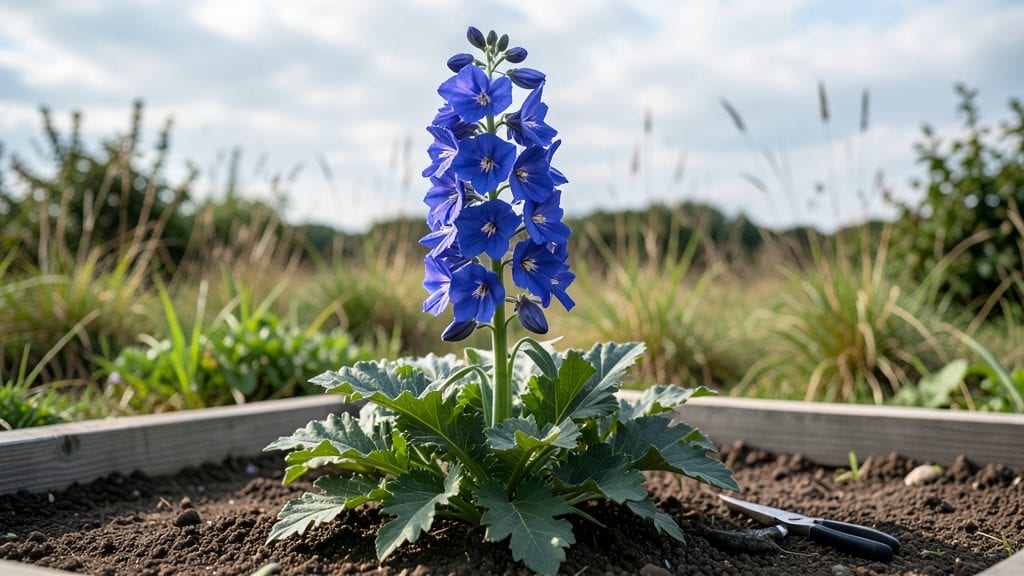
Skip the fence and the bill—your backyard can get a stunning 10-foot-tall privacy screen from these fast-growing tall garden plants that outshine nosy neighbors while adding lush beauty. 🌿 The right species can reach full height in just 2-3 years, and some even flower or provide wildlife habitat along the way.
Think beyond boring green walls—we’re talking ornamental grasses that sway like ocean waves, bamboo that grows a foot a year, or sunflowers that double as cut flowers. These plants thrive in full sun, need minimal pruning, and pair perfectly with shorter perennials for layered privacy.
Even in small spaces, a single well-placed specimen can transform your view.
You’ll end up with a lush, living barrier that matures faster than any lattice or wood fence. Imagine summer evenings shaded by towering foliage, your morning coffee hidden from prying eyes, and a garden that feels like a private retreat.
The best part? Most of these plants are drought-tolerant once established, so they won’t demand constant care.
Whether you’ve got a narrow strip between properties or a wide backyard needing definition, these tall plants adapt. We’ll cover the fastest growers, how to space them for maximum coverage, and which companions keep them looking polished. Ready to grow your privacy naturally?
📚 In This Guide
- What you need
- Instructions
- Tips and common mistakes
- Wrapping up and next steps
What you need
- ● Tall garden plants: 1–3 privacy-screen plants (e.g., Bamboo, Arborvitae, Leyland Cypress, or Sunflower varieties). Check spacing requirements (e.g., 3–6 feet apart for mature growth).
- ○ Soil & amendments: 50 lbs high-quality garden soil (or existing soil tested for pH). 10–20 lbs compost or organic matter (for nutrient-rich beds). Optional: Slow-release fertilizer (e.g., 10-10-10, 1 lb per plant).
- ● Planting tools: 1 shovel or spade (for digging holes). 1 trowel (for delicate root handling). 1 measuring tape (to mark spacing). 1 gloves (for protection).
- ○ Watering supplies: 1 hose with adjustable nozzle (or watering can for seedlings). Optional: Drip irrigation system (for consistent moisture).
Step-by-step guide to planting tall privacy screen plants
Here's how to create a lush, natural privacy hedge that reaches 10 feet—without the fuss.
🌱 Step 1: Choose the Right Tall Plants for Your Climate
Select fast-growing, 10-foot-tall varieties suited to your hardiness zone. Arborvitae, leyland cypress, and bamboo thrive in most regions, while evergreen varieties like emerald green arborvitae provide year-round coverage. I always check the USDA zone map before buying—planting outside the recommended range slows growth and invites disease.
For full privacy, space plants 3-4 feet apart in rows. This spacing lets them fill in over 3-5 years without overcrowding. If you need faster results, plant 6-8 feet apart and use a mix of 3-5 foot and 10-foot varieties for layered growth.
🪴 Step 2: Prepare the Planting Site for Maximum Growth
Dig a hole twice as wide as the root ball but only as deep—planting too deep suffocates roots. Loosen the soil at the bottom with a garden fork to encourage root spread. Mix the excavated soil with 2-3 inches of compost (from your materials) to boost nutrients without compacting.
For 4 plants, you’ll need a 12-foot-wide trench if planting in a straight line. Amend the soil along the entire trench to ensure consistent growth. Water the hole deeply before planting—this prevents air pockets around roots and helps them establish faster.
☀️ Step 3: Plant and Stake for Wind Resistance
Remove the plant from its container and loosen the roots if they’re circling. Place it in the hole so the top of the root ball sits 1 inch below soil level—this prevents stem rot from settling soil. Fill the hole with the amended soil, pressing gently to eliminate air gaps.
Stake each plant with 2-3 foot bamboo stakes (from your materials) tied loosely with soft plant ties. Tall plants need support in windy areas—untethered stems snap easily, and replacing a broken 10-foot plant is costly. Water deeply after planting to settle the soil and encourage root expansion.
💧 Step 4: Water and Mulch for Year-Round Moisture
Water each plant with 1-2 gallons immediately after planting, then 2-3 gallons weekly for the first 6 months. Deep watering encourages roots to grow downward instead of staying shallow. Use a soaker hose to deliver moisture slowly—surface watering wastes resources and invites fungal issues.
Spread 3 inches of mulch (from your materials) around each plant, keeping it 6 inches away from the stem. Mulch retains moisture, regulates soil temperature, and suppresses weeds. Replenish mulch annually—it breaks down over time, and bare soil dries out faster.
✂️ Step 5: Prune for Shape and Health Yearly
Prune in late winter or early spring before new growth begins. Trim back 1/3 of the tallest branches to encourage bushier growth and prevent top-heavy plants from leaning. Use clean, sharp shears to make cuts just above a leaf node—this prevents jagged edges that invite pests.
Remove any dead, diseased, or crossing branches first. These compete for nutrients and weaken the plant. After pruning, fertilize lightly with a balanced 10-10-10 formula to support regrowth. You’ll see fuller foliage within 4-6 weeks—that’s your reward for timely care.
Tips & tricks for perfect tall garden privacy screens
Here's what I've learned after planting and maintaining my own 10-foot privacy hedges—these details make all the difference between a struggling screen and a lush, thriving barrier.
Selection Tip: When choosing your 10-foot-tall varieties, prioritize plants with dense foliage and fast growth rates for your specific USDA zone. Evergreen options like emerald green arborvitae offer year-round coverage, while deciduous varieties like leyland cypress provide seasonal interest. I always verify the mature height—some labeled "10-foot" varieties only reach 8-9 feet at maturity. For layered growth, mix in 3-5 foot varieties like boxwoods at the base to create visual depth and prevent light gaps at ground level.
Soil Preparation Strategy: The 2-3 inches of compost you mix into the planting hole isn't just about nutrients—it's about creating an ideal root environment. For clay-heavy soils, add sand or perlite to improve drainage, while sandy soils benefit from peat moss or coconut coir to retain moisture. In Step 2, when digging your 12-foot-wide trench for 4 plants, consider using a soil probe to check for underground obstructions like rocks or buried debris that could restrict root growth. This simple step prevents future plant stress.
Staking Technique: The 2-3 foot bamboo stakes mentioned in Step 3 are essential for wind resistance, but there's a trick to proper installation. Angle the stakes slightly outward from the plant (about 45 degrees) rather than straight up. This creates a natural triangle support system that mimics how trees grow in nature. Use soft plant ties that won't cut into the bark as the plant grows, and leave room for the plant to sway slightly—this actually strengthens the stem over time. I've seen too many plants snapped because their stakes were installed too tightly.
Watering Wisdom: That initial 1-2 gallons of water after planting isn't just about hydration—it's about settling the soil around the roots. For the first 6 months, when you're providing 2-3 gallons weekly, consider using a drip irrigation system on a timer. This delivers water directly to the root zone without wetting the foliage, which helps prevent fungal diseases. In hot climates, you might need to increase to 3-4 gallons weekly during peak summer months, but always check soil moisture before watering—stick your finger 2 inches into the soil; if it's dry, water. If it's damp, wait another day.
Pro Tips for Tall Garden Plants
- Here's what I've learned after planting and maintaining my own 10-foot privacy hedges—these details make all the diff...
- Selection Tip: When choosing your 10-foot-tall varieties, prioritize plants with dense foliage and fast growth rates ...
- Soil Preparation Strategy: The 2-3 inches of compost you mix into the planting hole isn't just about nutrients—it's a...
Frequently asked questions
Got questions about tall garden plants for privacy? We’ve got answers!
Whether you’re just starting or troubleshooting, these FAQs will help you grow a lush, 10-foot-high screen with ease.
What are the fastest-growing tall plants for privacy?
For quick results, opt for Leucadendron (12+ inches/year), Bamboo (3+ feet/year), or Cedar (2+ feet/year). Bamboo is the speediest but needs containment—choose clumping varieties like Fargesia to avoid invasive spread.
How far apart should I plant tall garden plants for a solid screen?
Spacing depends on the plant’s mature width. For Arborvitae or Privet, plant 3–5 feet apart; for Bamboo or Leucadendron, stretch to 5–8 feet. Check the label for specifics—crowding too soon can stunt growth or invite pests.
Can tall garden plants survive in full shade?
Most tall privacy plants thrive in partial sun (4–6 hours/day), but a few adapt to shade: Holly, Boxwood, or Japanese Maple (though growth may be slower). If your yard is shady, pair them with sun-loving companions like Sunflower or Corn for vertical interest.
How do I keep tall plants from leaning or flopping over?
Leaning often signals uneven light or weak stems. Stake young plants with bamboo stakes or tree ties until established. For woody plants like Arborvitae, prune lower branches to encourage upward growth. Mulch heavily to stabilize roots—this prevents wind rock and encourages straight growth.
Are there low-maintenance tall plants for busy gardeners?
Arborvitae, Privet, and Leucadendron require minimal pruning (just trim for shape 1–2x/year). Bamboo is also low-maintenance if you choose clumping types and contain roots with barriers. Drought-tolerant options like Lavender or Russian Olive cut down on watering too.
What’s the best time to plant tall garden plants?
Spring (after last frost) or early fall (6–8 weeks before frost) are ideal. Cool soil and warm air help roots establish before extreme heat or cold. Avoid planting in summer—young plants stress easily in drought or intense sun. Pro tip: Soak roots in water for 1–2 hours before planting to kickstart growth!
Wrapping up and next steps
Transforming your outdoor space with tall garden plants is easier—and more rewarding—than you think! From fast-growing bamboo to elegant sunflowers, these privacy screens add beauty, functionality, and even wildlife benefits to your yard.
Whether you’re shielding noise, creating a cozy retreat, or boosting curb appeal, the right plants can do it all naturally.
Ready to take the next step? Sketch a quick layout of your space, pick 1–2 plants from this guide, and start planting! 🌱 For extra inspiration, browse local nurseries or check out garden design tools to visualize your dream green screen. Happy gardening!