
Pests
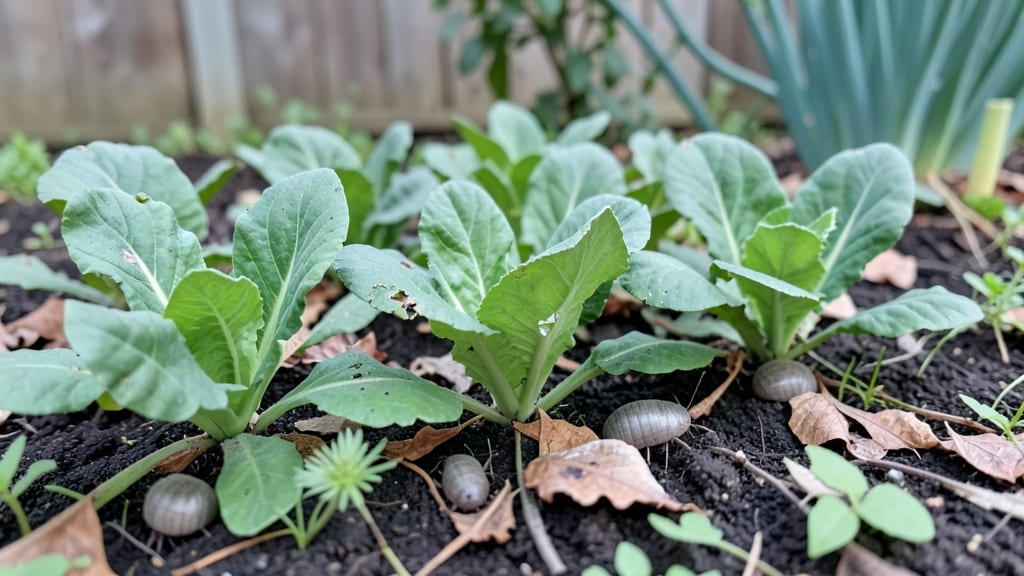
Rollie pollies in your garden aren’t just a nuisance—they’re a sign your soil is too damp and mulch-heavy. 🌱 I’ve wrestled with these armored critters in my own garden, and I’ll show you how to manage them without harming your plants or the soil ecosystem.
The key is understanding why they’re there and how to make your garden less inviting.
These little guys thrive in moist, shaded spots under logs, rocks, or thick mulch layers. While they do break down organic matter, their sheer numbers can signal overwatering or poor drainage. The good news?
A few simple adjustments—like reducing mulch depth, improving airflow, and setting up humane traps—can send them packing without chemicals. My garden’s rollie pollie population dropped by 90% in just two weeks after I made these changes.
You’ll end up with a garden that stays productive without the creepy-crawly invasions. The soil will still benefit from natural decomposition, but the balance shifts back to your plants.
Plus, you’ll learn to spot early warning signs before they become a full-blown problem. Let’s get your garden back to thriving—without the unwanted guests.
Works for backyard gardens, raised beds, and even container setups where moisture lingers. The same principles apply whether you’re dealing with a damp corner or a mulch-heavy landscape. Here’s how to reclaim your space the natural way.
Why Your Garden Becomes a Rollie Pollie Hotspot
Rollie pollies—those tiny, armored pill bugs—may seem harmless, but their sudden swarms in your garden can feel like an unwelcome invasion. 🦞🌱 Understanding why they gather in such numbers helps you address the root causes without harming these beneficial decomposers. Here’s why your garden might be their new favorite hangout.
Rollie pollies (also called pill bugs) thrive in damp environments because their exoskeletons are highly sensitive to dehydration. If your garden retains excessive moisture—whether from overwatering, poor drainage, or heavy rainfall—these critters will flock to stay hydrated and safe.
Their gills (yes, they have tiny gills!) require moisture to function, making soggy soil their ideal habitat.
Why it matters: Overly wet soil can also lead to fungal growth and root rot in plants, creating a double problem. Rollie pollies may not be the primary pest, but their presence signals an underlying moisture issue that could harm your garden’s health.
Actionable fix:
- Improve soil drainage by amending it with compost or sand to create air pockets.
- Avoid watering at night or in large quantities; opt for deep, infrequent watering instead.
- Use raised beds or containers for moisture-sensitive plants to keep soil conditions balanced.
Rollie pollies are nature’s recyclers—they feast on decaying plant matter, dead leaves, and compost. If your garden is cluttered with leaf litter, fallen branches, or unturned compost piles, you’re essentially rolling out a welcome mat for them.
These insects don’t just tolerate organic debris; they thrive in it, using it as both food and shelter.
Why it matters: While they help break down waste, an overabundance of debris can create a microclimate that attracts other pests (like slugs or earwigs) and even harbor diseases. Their numbers can spiral if their food source is unlimited.
Actionable fix:
- Regularly rake up fallen leaves and mulch from high-traffic garden areas.
- Turn compost piles frequently to speed up decomposition and reduce rollie pollie populations.
- Use straw or wood chips as mulch instead of thick layers of leaves to limit their habitat.
In a balanced ecosystem, rollie pollies are kept in check by predators like birds, frogs, toads, and even certain beetles. However, if your garden lacks these natural controls—due to pesticide use, habitat loss, or simply not providing the right conditions for predators—rollie pollies can multiply unchecked.
Without threats, they’ll reproduce rapidly, especially in ideal conditions (like those described above).
Why it matters: A sudden rollie pollie boom often indicates a larger ecological imbalance. Their predators may have been driven away by chemicals or may not find enough shelter or food in your garden.
Actionable fix:
- Create predator-friendly zones with shallow water sources, rocks, and dense plants like hostas or ferns.
- Avoid broad-spectrum pesticides that kill beneficial insects and amphibians.
- Introduce native plants that attract birds and beneficial insects, such as sunflowers or marigolds.
Sometimes, rollie pollies invade gardens because their natural habitats—like wooded areas or forest floors—are being disturbed. Construction, landscaping, or even heavy foot traffic can force them to seek refuge in more hospitable spots, like your flower beds or vegetable patches.
Additionally, if you’ve recently tilled soil or removed ground cover, you’ve essentially vacated their home, prompting them to relocate.
Why it matters: While they’re not destructive, their sudden appearance can be a sign that your garden’s ecosystem is out of sync. They may also bring along unwanted guests, like mites or fungus, if they’re carrying soil from other areas.
Actionable fix:
- Leave some undisturbed soil areas or leaf litter piles in less critical parts of your garden to give them an alternative habitat.
- Use mulch or gravel paths to minimize soil compaction and disruption.
- If you’re landscaping, do so gradually to allow creatures time to relocate naturally.
Rollie pollies aren’t the villains they’re often made out to be—they’re ecosystem engineers! 🌍💚 Understanding their triggers helps you manage their populations without resorting to harmful methods. The key is balancing moisture, organic matter, and habitat to keep both your garden and these tiny recyclers in harmony.
Humane Ways to Manage Pill Bugs
Got an unwanted influx of rollie pollies (aka pill bugs or woodlice) in your garden? While they’re harmless to plants, their presence can be a nuisance—especially if they’re crowding your space or making their way indoors. The good news?
You can address the issue without harming these helpful decomposers or disrupting your soil’s ecosystem. Here’s how to tackle the problem humanely and effectively, along with prevention tips to keep them in check naturally.
1. Relocate Them to a Better Home
If your garden’s moisture or shelter is attracting pill bugs, give them a more suitable spot to thrive—far from your prized plants or patio.
- 👨🍳 Create a Pill Bug Hotel Build a simple relocation station using a shallow container (like a plastic bin or old terracotta pot) with moistened peat moss, leaf litter, or damp cardboard. Place it in a shady, damp area of your yard—not your garden beds.
In a few days, the pill bugs will migrate there on their own. Once they’ve moved in, relocate the container to a distant corner of your property (like near a woodpile or under dense mulch).
- 🌙 Nighttime Rescue Mission Pill bugs are nocturnal, so after dark, gently scoop them up with a small net or damp paper towel and release them under logs, rocks, or thick mulch away from your garden. Avoid dropping them in dry areas—they’ll die quickly without moisture.
- ⚠️ Pro Tip: If you’re dealing with a large infestation, repeat this process over 2-3 nights for best results.
2. Adjust Your Garden’s Conditions
Pill bugs love cool, damp, and dark spaces. If your garden is too inviting, tweak the environment to make it less appealing—without eliminating their natural habitat entirely.
- 💡 Reduce Standing Water Pill bugs thrive in soggy soil. Fix leaky hoses, improve drainage, and avoid overwatering. If your garden has low spots, add compost or sand to help water drain faster.
- 🌡️ Increase Sunlight & Airflow These critters dislike dry, sunny conditions. If possible, trim dense foliage or remove thick mulch layers in problem areas. A thin layer of coarse mulch (like pine straw) lets moisture escape while still protecting soil.
- 🎯 Limit Decaying Organic Matter Near Structures Piles of rotting leaves, wood, or compost near your home or patio act like a buffet. Relocate debris piles at least 10 feet away from buildings and garden beds.
3. Use Natural Deterrents (Without Harming Them)
If relocation isn’t enough, subtle repellents can encourage pill bugs to move on—without chemicals.
- 🥘 Diatomaceous Earth (Food-Grade Only) Sprinkle a thin layer around entry points (like under doors or near cracks). This non-toxic powder dehydrates insects but is safe for pill bugs if they avoid it. Reapply after rain.
- 🌿 Citrus or Coffee Grounds Pill bugs hate acidic scents. Sprinkle used coffee grounds or dried citrus peels near problem areas. Refresh every few days for best results.
- 🔪 Crushed Eggshells (Barrier Method) Create a physical barrier by crushing eggshells into a fine powder and sprinkling them in a ring around garden beds or patios. The sharp edges deter pill bugs from crossing.
4. Seal Entry Points Indoors
If rollie pollies are invading your home, they’re likely sneaking in through gaps in doors, windows, or foundations.
- 🔧 Check for Gaps Seal cracks in door thresholds, window frames, and utility lines with caulk or weather stripping. Focus on basements, crawl spaces, and garages—these are prime entry zones.
- 🚪 Use Door Sweeps Install silicone or rubber door sweeps to block tiny gaps under exterior doors.
- 🌪️ Improve Ventilation Pill bugs seek cool, damp spaces. Use dehumidifiers in basements and exhaust fans in bathrooms/kitchens to reduce moisture.
Once you’ve managed the current infestation, take these steps to prevent future visits:
✅ Maintain a Balanced Garden
- Avoid over-mulching—stick to a 2-3 inch layer of mulch.
- Use well-draining soil mixes to prevent waterlogging.
✅ Keep the Yard Tidy
- Remove leaf litter and debris from walkways and patios.
- Store firewood and compost bins at least 20 feet from your home.
✅ Encourage Natural Predators
- Birds, frogs, and ground beetles love snacking on pill bugs. Attract them with bird feeders, small water features, or native plants.
✅ Monitor Moisture Levels
- Pill bugs return when conditions are too damp. Use a moisture meter to check soil and adjust watering accordingly.
By combining relocation, environmental adjustments, and natural deterrents, you can manage pill bug populations without harming your garden’s ecosystem. These little critters play a crucial role in breaking down organic matter—so think of this as giving them a friendly nudge to find a better neighborhood! 🌱🐌
Frequently asked questions
Are rollie pollies actually harmful to my garden?
Not at all! Rollie pollies (pill bugs) are beneficial decomposers that break down organic matter like fallen leaves and compost. They improve soil health by recycling nutrients. The issue isn't harm—they're more of a nuisance when their numbers explode due to damp conditions or over-mulching.
Why do I see them more after rain?
Rollie pollies thrive in moisture—their exoskeletons need hydration to stay flexible. After rain, they emerge from hiding to forage or seek shelter. This is also when they're most active for relocation. The damp soil creates perfect conditions for them to multiply rapidly.
Can I just ignore them in my compost pile?
While they help break down compost, too many can create a soggy mess that slows decomposition. Turn your pile regularly and keep it 12-18 inches wide to maintain airflow. This reduces their habitat while still letting them do their job. A well-aerated pile will decompose faster without rollie pollie overpopulation.
Will diatomaceous earth kill my plants if I use it?
No, food-grade diatomaceous earth is safe for plants when used correctly. Just apply a thin layer (about 1/8 inch) around problem areas, avoiding direct contact with plant leaves. It works by dehydrating insects, not through chemicals. Reapply after rain to maintain effectiveness.
How do I keep them from crawling into my basement?
Seal entry points with caulk or weather stripping, especially around door thresholds and foundation cracks. Reduce moisture with a dehumidifier and improve ventilation. Place coffee grounds near entry points—they dislike the acidic scent. Keep firewood and leaf piles at least 20 feet from your home.