
Landscaping
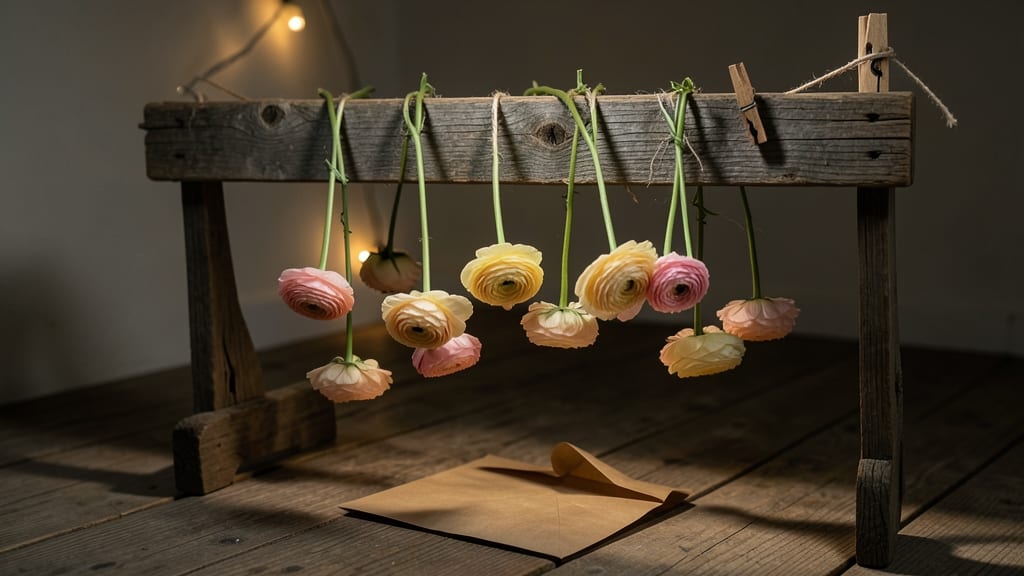
Ranunculus flowers bring bold, layered blooms that last from early spring through summer. These 10 creative garden ideas showcase how to use this versatile flower for year-round visual impact with minimal upkeep, perfect for both beginners and seasoned gardeners.
Spring Border with Layered Ranunculus Colors
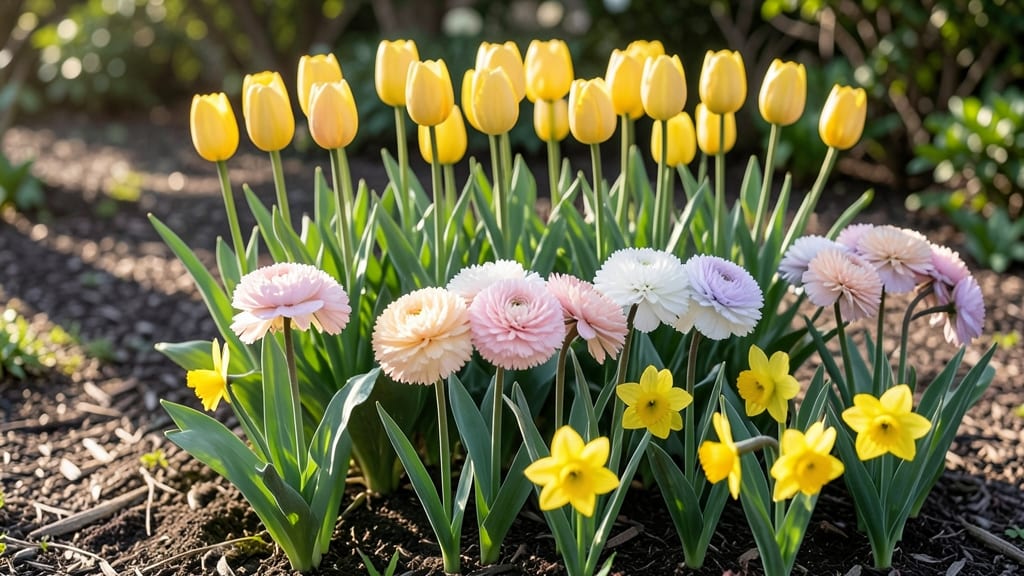
Want a spring garden that looks like it took months to mature—but actually blooms in just weeks? A layered ranunculus border with tulips and daffodils delivers that magic with minimal effort. The secret lies in strategic planting: taller tulips in the back, mid-height ranunculus in the middle, and low-growing daffodils spilling forward for a cascading waterfall effect.
Start by planting ranunculus corms 2–3 inches deep in well-draining soil, spaced 4–6 inches apart. Mix in bone meal for extra bloom power, and place them slightly deeper than tulips (which prefer shallower planting). The result? A 6–8 week display of layered color that starts when daffodils bloom and fades as ranunculus takes center stage in late spring.
This design is perfect for cottage-style gardens or small front yards—it’s low-maintenance, pollinator-friendly, and transforms bare beds into a springtime showstopper with almost no upkeep. 🌷
Cut Flower Arrangements for Seasonal Bouquets
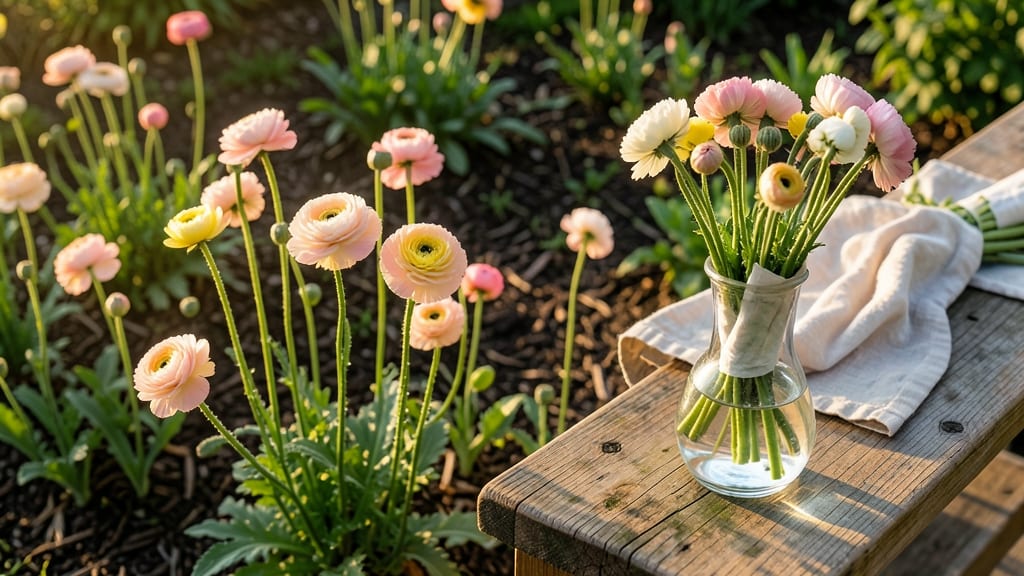
Turn your ranunculus garden into a year-round source of fresh-cut flowers with minimal effort. These vibrant blooms stay fresh in vases for 10-14 days, making them ideal for seasonal bouquets that bring outdoor beauty indoors.
Harvest stems early in the morning when blooms are fully open but still firm. Trim at a 45-degree angle just above a leaf node, and strip lower leaves to fit snugly in vases. Pair with eucalyptus or dusty miller for texture contrast—ranunculus’ layered petals add depth that single-stem flowers can’t match.
Florists and home gardeners alike will love how ranunculus extends seasonal blooms into winter when dried. Perfect for those who want to enjoy their garden’s beauty without sacrificing freshness. ✨
Drought-Tolerant Mediterranean Garden Planters
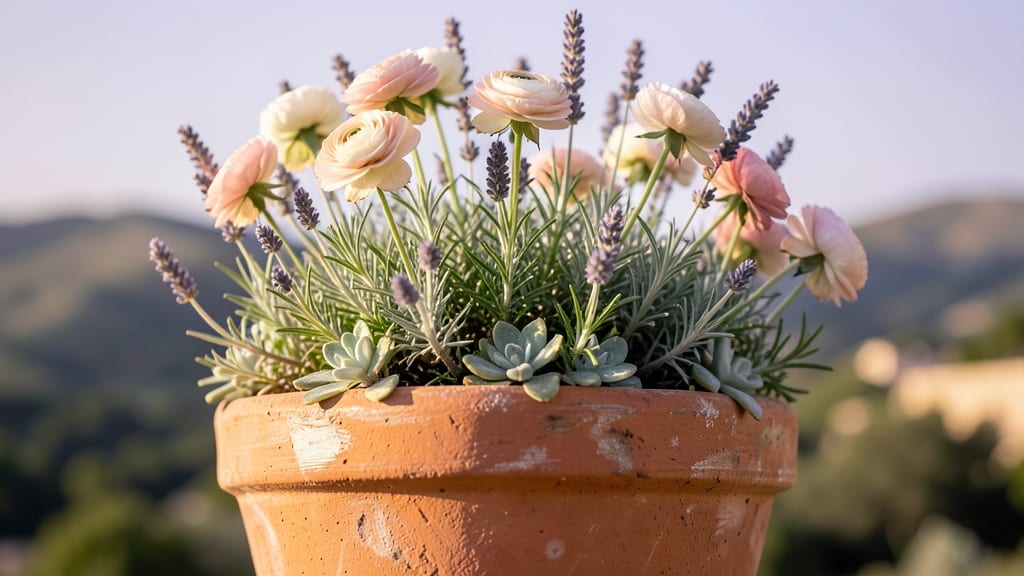
Skip the high-maintenance garden and create a drought-tolerant Mediterranean planter that thrives on neglect. Pair ranunculus with lavender, rosemary, and sedum for a fragrant, low-water container that’s perfect for small spaces or water-wise yards.
Start with a well-draining terracotta pot (at least 12 inches deep) filled with a mix of cactus soil and perlite. Plant ranunculus bulbs in the center for early spring blooms, then surround them with lavender (for purple spikes) and sedum (for succulent texture). Add rosemary at the edges for aromatic foliage and pollinator appeal. Water deeply once a week—no more!
This combo is ideal for urban balconies or xeriscaped yards, offering year-round interest with minimal effort. The fragrant herbs deter pests naturally, while the ranunculus adds seasonal color that lasts 6-8 weeks. 🌻
Whimsical Fairy Garden with Miniature Ranunculus
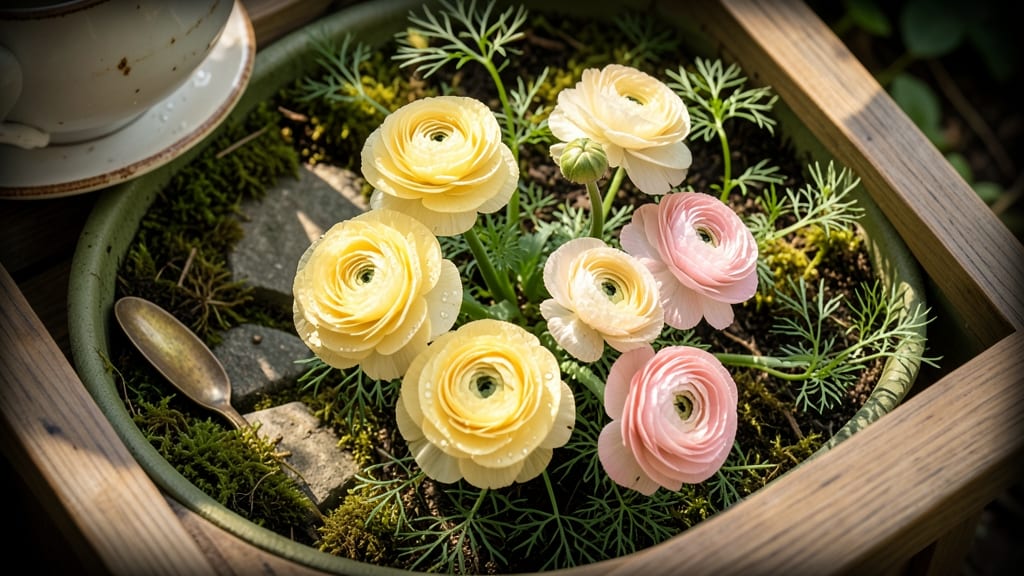
Transform your garden into a magical realm with a whimsical fairy garden featuring dwarf ranunculus varieties like 'Buttercup' or 'Papa's Favorite.' These tiny blooms—just 1-2 inches wide—create a charming, miniature landscape perfect for shallow containers, window boxes, or even repurposed teacups.
Start with a 3-4 inch deep container filled with well-draining soil mixed with perlite. Plant 3-5 dwarf ranunculus bulbs per container, spacing them 1-2 inches apart, and top with a thin layer of moss or pebbles for texture. Add miniature accessories like tiny mushrooms, painted stones, or a winding path made of twigs to complete the fairy-tale scene. Place containers in partial shade to protect delicate blooms from harsh afternoon sun.
This project is ideal for children’s gardens or fairy-themed outdoor spaces, offering a hands-on way to engage kids in gardening while creating a delightful display. The pastel blooms will add a touch of magic to any corner of your yard. ✨
High-Contrast Monochromatic Ranunculus Beds
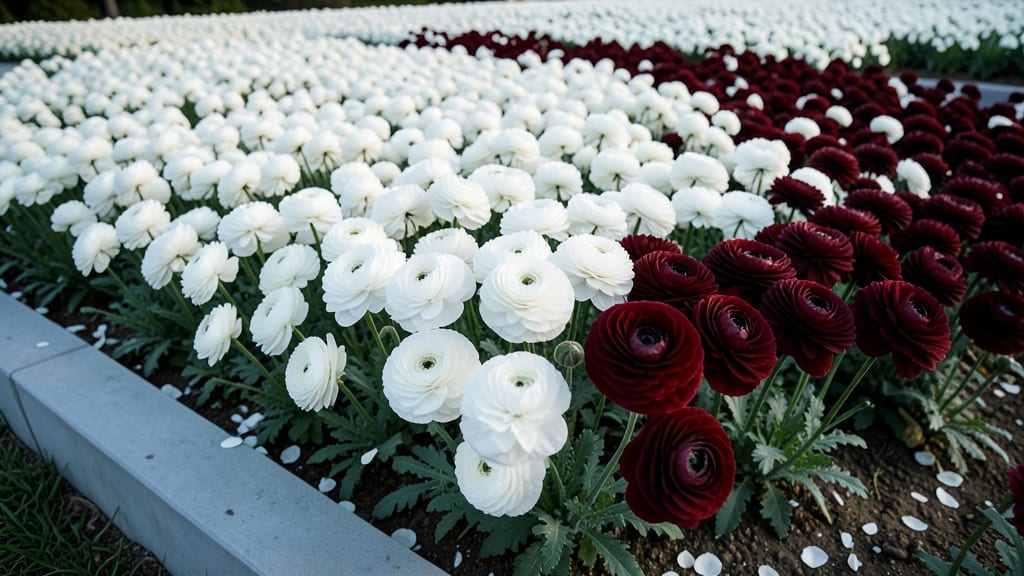
Skip the colorful chaos—monochromatic ranunculus beds create bold, modern statements with just one color. A sea of pure white or deep burgundy ranunculus delivers a clean, high-impact look that’s easier to maintain than mixed-color schemes.
Plant bulbs in 3-inch-deep, well-drained soil with 6 hours of sun daily for maximum bloom density. Use black gravel or mulch to enhance contrast and reduce weeds. Deadhead spent blooms to encourage 6-8 weeks of continuous flowers—no fuss, just drama.
This design thrives in contemporary gardens, urban courtyards, or minimalist landscapes. Gardeners who love clean lines and low-maintenance beauty will find this the perfect way to make ranunculus the star. ✨
Vertical Garden Trellis with Ranunculus Cascades
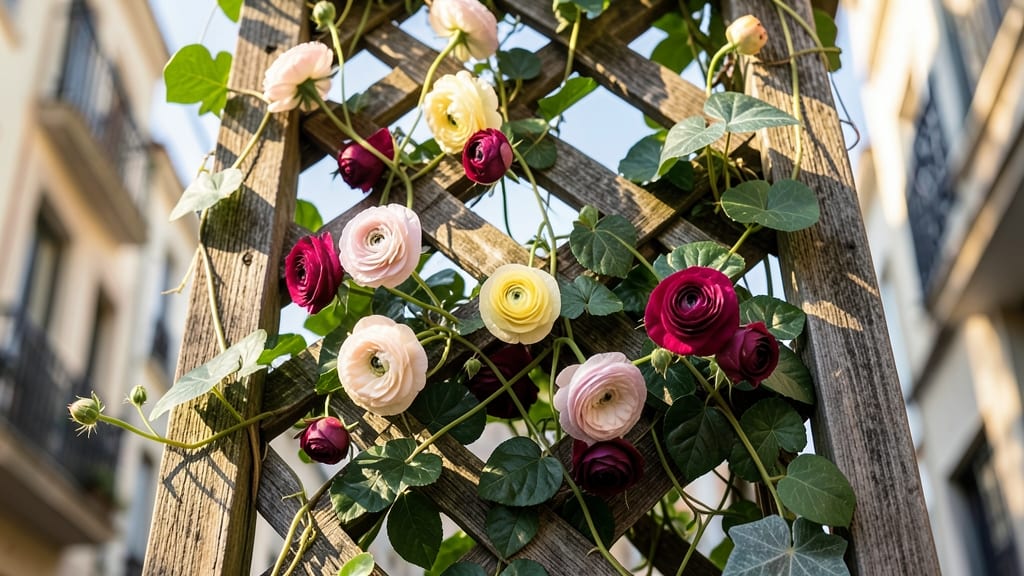
Maximize your small garden’s potential by training ranunculus to climb alongside climbing roses or clematis on a vertical trellis. This space-saving trick creates a lush, layered display that draws the eye upward while keeping your footprint minimal—perfect for balconies, patios, or narrow urban plots.
Start by planting ranunculus bulbs at the base of your trellis in early spring, spacing them 4–6 inches apart. As the vines emerge, gently weave them through the trellis supports or tie them loosely with soft twine. Pair with climbing roses for a romantic mix of textures or clematis for bold foliage contrast. Water consistently to encourage vigorous growth, and deadhead spent blooms to prolong the display.
This design is ideal for urban gardeners or anyone with limited space who wants year-round vertical interest. The cascading effect creates a dynamic focal point that transforms even the smallest area into a thriving garden oasis. 💚
Wildflower Meadow Mix with Ranunculus Seed Bombs
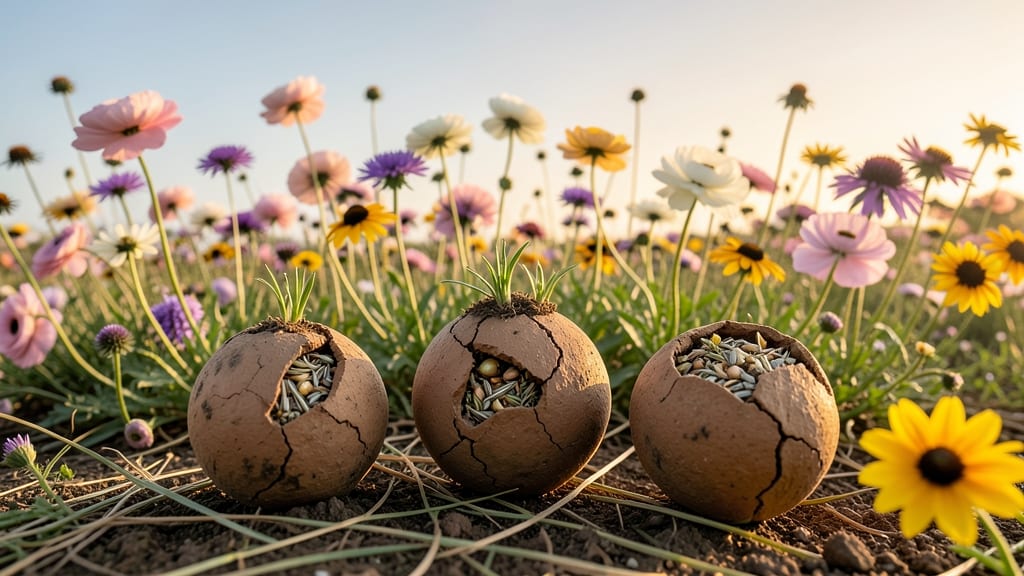
Skip the meticulous planting—wildflower meadows with ranunculus seed bombs let you create a lush, pollinator-friendly garden with almost no effort. These easy-to-make clay or soil balls embed ranunculus seeds alongside native wildflowers, ensuring a natural, low-maintenance display that thrives in sunny meadows or open fields.
Simply toss the seed bombs in early spring, water lightly, and watch butterflies and bees flock to the vibrant blooms by summer. The mix includes drought-tolerant wildflowers like clover and yarrow, while ranunculus adds delicate, layered color. Perfect for eco-conscious gardeners who want beauty without the upkeep of traditional beds.
This approach works especially well for large spaces, roadside plantings, or abandoned lots—ideal for those who want to restore habitat while keeping maintenance minimal. 🌻
Holiday-Themed Ranunculus Displays for Easter
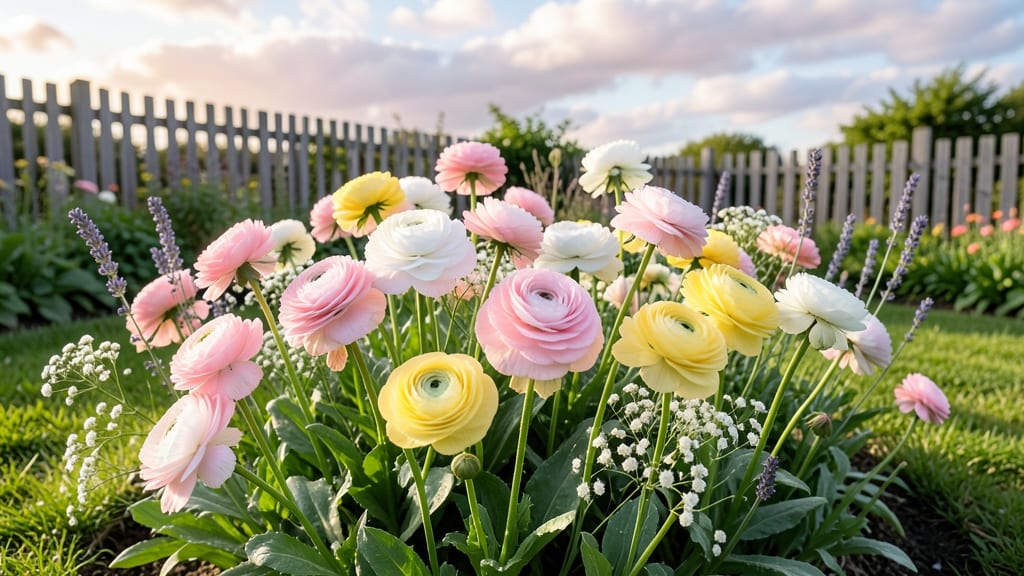
Transform your Easter celebrations with pastel ranunculus displays that feel like a springtime fairy tale. These delicate blooms in soft pinks, whites, and yellows create instant holiday charm—whether planted in garden beds or arranged in festive centerpieces.
For garden displays, mix ranunculus with primrose or pansies in hanging baskets or window boxes near your front door. Choose varieties like 'Stardust' (white) or 'Pink Charm' for their long-lasting blooms. To extend their season, plant bulbs in late winter (8-10 weeks before your last frost) for blooms that coincide with Easter. Pair them with pastel eggs or bunny decorations for a whimsical touch.
Perfect for families or hosts, these displays require minimal effort but deliver maximum impact. The low-maintenance nature of ranunculus makes them ideal for busy holiday seasons. 🌷
Edible Garden Companion Planting with Ranunculus
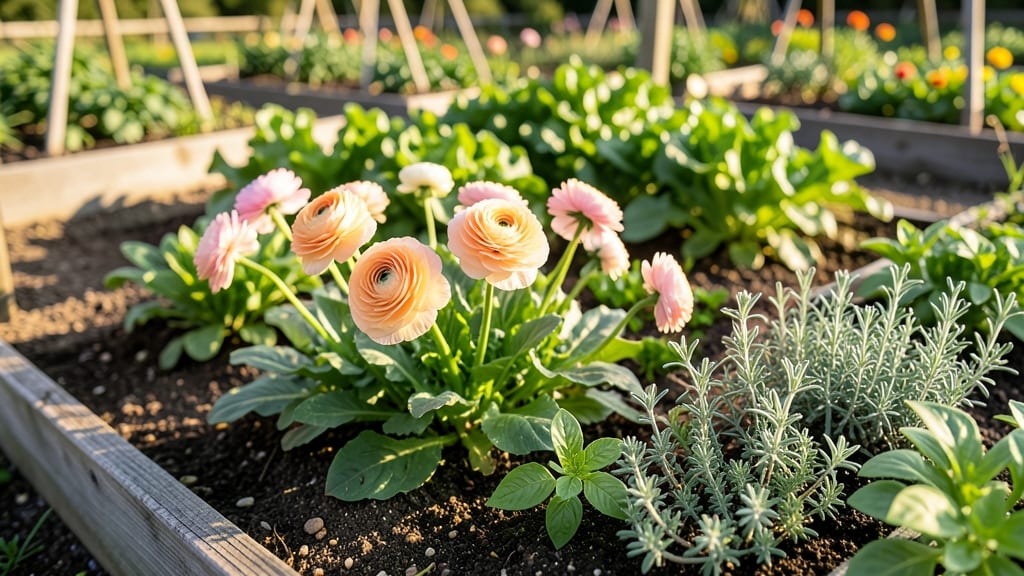
Transform your vegetable garden into a pest-free paradise with this unexpected pairing: ranunculus and aromatic herbs like thyme and oregano. Their fragrant foliage naturally repels common garden pests while adding a pop of color that makes harvesting more enjoyable.
Plant ranunculus bulbs around the edges of your herb and vegetable beds, ensuring they receive full sun to partial shade (3-6 hours daily). The herbs' strong scent confuses aphids and cabbage moths, while the ranunculus' delicate blooms attract pollinators like bees and butterflies. This combo works especially well with tomatoes, peppers, and lettuce—plants that benefit from pest deterrence.
Organic gardeners will love this low-maintenance, chemical-free solution that doubles as a stunning border. Your veggies will thrive—and so will your garden's curb appeal! 🌻
Winter Interest with Dried Ranunculus Stems

When your ranunculus blooms fade in late summer, their story doesn’t have to end—turn them into timeless dried arrangements that brighten winter decor. The process is simple: harvest fully opened flowers before they wilt, then hang stems upside down in a dry, dark space for 2-3 weeks until crisp.
Once dried, ranunculus stems retain their ruffled petals and papery texture, making them perfect for winter wreaths, potpourri, or framed floral art. Pair them with eucalyptus or dried grasses for a rustic-chic look that lasts months. This technique works with all ranunculus varieties, from bold reds to delicate whites.
Perfect for crafters, florists, or anyone who loves seasonal decor, dried ranunculus adds year-round color without replanting. 🌻