
Size
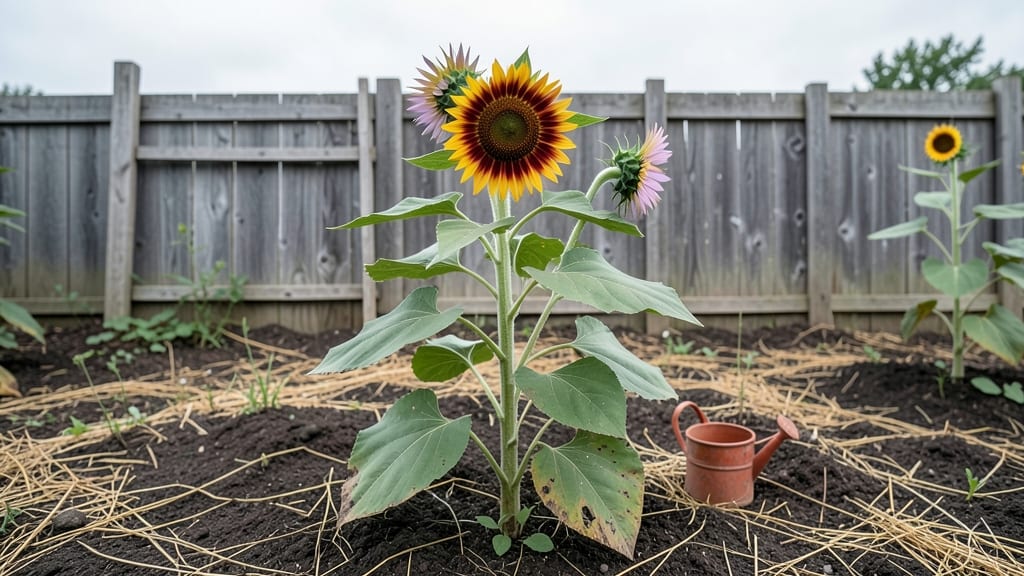
Growing rainbow sunflowers in tight spaces feels like magic—tall, vibrant blooms that defy the rules of traditional gardening. 🌻 I learned the hard way that these sunflowers don’t need acres; a sturdy post, a sunny corner, and a little patience will give you 6-foot stems packed with cheerful petals by midsummer.
The secret is in how you prep the soil and train their growth early, so they stand strong without flopping over.
Start with well-draining soil mixed with compost—sunflowers love to stretch, but their roots need room to anchor. Plant seeds 1 inch deep, spacing them 6 inches apart, and give them a strong support stake (or a trellis) right away.
These aren’t fussy about sunlight—6+ hours of direct light is all they ask—but they’ll reward you with bold, multicolored blooms that last weeks. Water deeply once a week, letting the soil dry slightly between drinks to avoid weak stems.
By early summer, you’ll have a vertical garden feature that turns heads—sunflowers in shades of red, yellow, and orange reaching toward the sky. The real payoff? They attract pollinators like crazy, and their sheer size makes them a natural privacy screen.
Just watch for aphids (spray with soapy water) and powdery mildew (space plants for airflow), and you’re golden.
Pair them with bush beans or marigolds to keep pests at bay, and plant shorter flowers like zinnias at their base for a layered look. These sunflowers grow fast—expect blooms in 60-70 days—so start seeds indoors now if your zone’s last frost is still weeks away.
Small space? No problem. These giants just need a little guidance to shine.
📚 In This Guide
- What you need
- Instructions
- Tips and common mistakes
- Wrapping up and next steps
What you need
- ● Rainbow Sunflower Seeds: 5–10 seeds (dwarf varieties like ‘Moulin Rouge’ or ‘Autumn Booster’ work best for small spaces).
- ● Growing Containers: 1–3 5–10 gallon pots (with drainage holes) or
- ● 1 vertical planter (e.g., fabric grow bags, wall pockets, or DIY pallet planters).
- ● Well-draining Potting Mix: 1–2 bags (look for a lightweight, organic blend with perlite or compost).
- ○ Slow-release Fertilizer: 1–2 tbsp (optional but recommended for nutrient boost).
- ● Hand Trowel (for planting and transplanting).
- ● Watering Can or Spray Bottle (gentle watering prevents seed displacement).
- ○ Support Stakes or Trellis (optional for taller varieties; 3–4 ft bamboo stakes work well).
- ● Mulch or Straw (1–2 inches; retains moisture and deters weeds).
- ● Pruning Shears (for deadheading or shaping plants).
- ● Sunlight: At least 6–8 hours of direct sun daily (south- or west-facing spots are ideal).
- ● Space: Containers need 12–18 inches of diameter (or vertical space for trellises).
- ● Climate: Plant after the last frost (sunflowers love warm soil, ~60°F/15°C+).
Step-by-step instructions for growing rainbow sunflowers vertically
Here's how to grow vibrant sunflowers in tight spaces using simple supports.
🪴 Step 1: Choose and Prepare Containers for Vertical Growth
Select 4 large containers (at least 12 inches deep) with drainage holes. I prefer fabric grow bags because they breathe better and prevent waterlogging. Fill each container with 2-3 gallons of well-draining potting mix—sunflowers hate soggy roots. Mix in a handful of compost to give those deep taproots a nutrient boost right from the start.
Pack the soil firmly but don't compact it completely. Tap the container gently on the table to settle the mix evenly. Leave about 1 inch of space between the soil surface and the rim—this prevents water from spilling when you water deeply. Place your containers in a spot that gets 6-8 hours of direct sunlight daily.
🌱 Step 2: Plant Seeds at the Right Depth and Spacing
Drop 2-3 seeds per container, placing them about ½ inch deep and 1 inch apart. Planting too deep slows germination, while shallow planting risks drying out the seeds. Cover them lightly with soil and pat gently to secure. I like to use a small stick to mark where I planted—it helps track growth and prevents overcrowding later.
Water immediately after planting, keeping the soil consistently moist until germination. Place a clear plastic dome or wrap a plastic bag loosely over the container to retain warmth and humidity. Sunflower seeds germinate best at 70-75°F, so if your space is cooler, consider using a seedling heat mat.
☀️ Step 3: Install Vertical Supports Early
Once seedlings reach 6 inches tall (about 2-3 weeks after planting), install your vertical support. I use sturdy bamboo stakes or a trellis system tied to a fence. Gently tie the main stem to the support with soft plant ties or old fabric strips—never use wire, which can damage tender stems. This encourages upward growth and prevents the heavy blooms from toppling later.
Watch for leggy growth, which happens when seedlings stretch toward light. If stems look thin and pale, move your containers to a brighter spot or add a grow light for 14 hours daily. You'll see stronger stems and darker green leaves within a few days.
💧 Step 4: Water and Fertilize for Strong Vertical Growth
Water deeply 2-3 times per week, letting the top 2 inches of soil dry out between waterings. Overwatering causes root rot, especially in containers. I water at the base in the morning to reduce evaporation and fungal risks. Once seedlings have 4-5 true leaves, mix 1 tablespoon of balanced fertilizer into the soil or apply a liquid feed every 4 weeks.
Pinch off the first set of buds that form on the lower stem to encourage energy toward vertical growth. You'll see new side branches develop higher up, creating a bushier plant that supports more blooms. Keep an eye out for aphids—spray off any clusters with soapy water immediately to prevent infestations.
✂️ Step 5: Support and Maintain Through Blooming Season
As flowers begin to form, tie the heavy heads to the vertical support with additional soft ties. The weight of the blooms can snap weak stems if left unsupported. Deadhead spent flowers regularly to encourage more blooms and prevent the plant from putting energy into seed production. You'll notice new buds forming within a week of deadheading.
Harvest seeds by waiting until the back of the flower head turns yellow and the seeds rattle inside. Cut the head off, dry it in a warm, dry place, and shake out the seeds for next year's garden. With proper care, your vertical rainbow sunflowers will thrive and bring bold color to even the smallest space.
Tips & tricks for perfect vertical rainbow sunflower growth
Transforming your small space into a sunflower paradise takes a few strategic moves—here's how to maximize your vertical garden's potential.
Container Selection: Fabric grow bags are my go-to because they prevent root circling and allow better airflow than plastic pots. If you can't find fabric bags, use ceramic or terracotta containers with drainage holes—they wick moisture away from roots, preventing the soggy soil sunflowers despise. Just avoid metal containers, which can overheat in direct sunlight and stress your plants.
Germination Boost: Sunflower seeds need warmth to sprout, and that 70-75°F sweet spot can be tricky in cooler climates. I place my containers on a seedling heat mat during germination, and if you don't have one, try setting them on top of your fridge or in a sunny windowsill with a clear plastic bag to trap heat. You'll see sprouts emerge within 7-10 days—patience is key here, but don't let the soil dry out during this critical phase.
Support System Strategy: When your seedlings hit 6 inches (around those 2-3 weeks after planting), install your vertical support immediately. I tie the main stem to bamboo stakes at three points—near the base, mid-stem, and just below the leaves. This tri-point system prevents the heavy blooms from snapping the stem later. Avoid using wire ties, which can cut into tender stems as they grow.
Light Management: Those 6-8 hours of direct sunlight are non-negotiable, but if your space gets less, supplement with a grow light for 14 hours daily. I place mine about 6 inches above the plants and adjust the height as they grow. Watch for leggy growth—thin, pale stems reaching toward light—this means your sunflowers are starving for photons. Rotate containers daily to ensure even growth all around.
Pro Tips for Rainbow Sunflower Grow A Garden
- Transforming your small space into a sunflower paradise takes a few strategic moves—here's how to maximize your vertical garden's potential.
- Container Selection: Fabric grow bags are my go-to because they prevent root circling and allow better airflow than plastic pots.
- Germination Boost: Sunflower seeds need warmth to sprout, and that 70-75°F sweet spot can be tricky in cooler climates.
Frequently asked questions
Got questions about growing rainbow sunflowers in small spaces?
You’re not alone! Here are answers to the most common queries to help you cultivate vibrant vertical blooms with confidence.
How long does it take for rainbow sunflowers to grow from seed?
Rainbow sunflowers typically sprout within 7–14 days after planting. From seed to full bloom, expect 60–90 days, depending on the variety. Dwarf or "Moulin Rouge" types mature faster (around 60 days), while taller varieties may take longer. Patience is key—watch for those first green shoots!
Can I grow rainbow sunflowers in containers or vertical planters?
Rainbow sunflowers thrive in 5-gallon containers or vertical pockets as long as the roots have room to spread (at least 12–18 inches deep). Use well-draining soil and stake taller varieties to prevent toppling. Dwarf types (like ‘Teddy Bear’) are perfect for small spaces—just ensure they get 6+ hours of sunlight daily.
Do rainbow sunflowers need cold weather to germinate?
Nope! Unlike some sunflowers, rainbow varieties do not require cold stratification. Plant seeds after the last frost when soil temps reach 50°F+. For earlier starts, sow indoors 4–6 weeks before transplanting in biodegradable pots. Just keep them warm and moist until ready to move outside.
What pests or diseases should I watch for with rainbow sunflowers?
Common issues include aphids, spider mites, and powdery mildew. To prevent pests, spray plants with neem oil or introduce ladybugs. For mildew, ensure good airflow and avoid overhead watering. If leaves yellow, check for overwatering or nutrient deficiency—sunflowers prefer dry soil between waterings.
How can I extend the blooming season for my rainbow sunflowers?
Deadhead spent blooms to encourage more flowers and prolong the season. For cooler climates, choose early-maturing varieties or start a second planting 4–6 weeks later. In containers, move pots to sunnier spots as the sun shifts. With the right care, your rainbow sunflowers can bloom from summer into early fall!
Wrapping up and next steps
Growing rainbow sunflowers in small spaces isn’t just possible—it’s a vibrant way to bring joy and color to your garden! 🌈 With the right vertical supports, soil prep, and a little patience, these cheerful blooms will reward you with stunning heights and effortless beauty.
Whether you’re a beginner or a seasoned gardener, this project proves that big dreams don’t need big yards.
Ready to transform your space? Start small—plant a single sunflower this season, then expand your vertical garden with herbs, flowers, or veggies. Every bloom is a step toward a greener, happier home!