
Tools
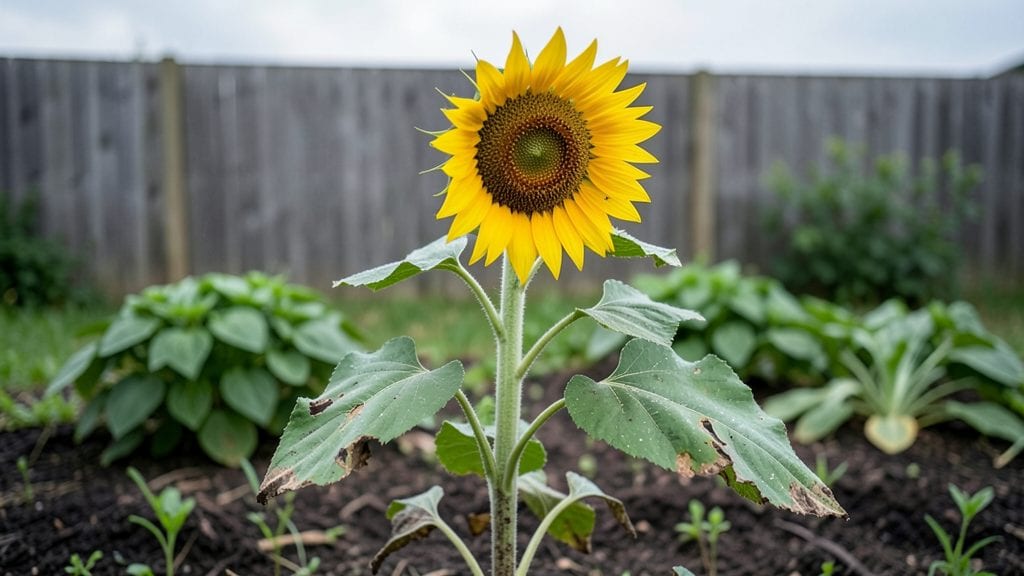
Growing sunflower seeds in your garden turns empty vertical space into a towering, cheerful display that even city balconies can handle. ✨ I planted my first sunflowers in a narrow 4-foot-wide strip between the sidewalk and my front porch, and by July, they were blocking the neighbors' view of my mailbox—completely by accident.
The key is choosing the right varieties for your space and understanding how fast they grow.
You only need three things to get started: sunflower seeds (dwarf varieties for small spaces, standard for bigger plots), loose, well-draining soil, and a sunny spot with at least 6 hours of direct sunlight daily.
Most people overwater sunflowers, but they're surprisingly drought-tolerant once established. The real secret is planting them deep—1-2 inches—and spacing them 6-12 inches apart, depending on the mature size of your chosen variety.
Within 8-10 days, you'll see those familiar little sprouts pushing through the soil, and by midsummer, you'll have 10-foot-tall stalks with blooms that attract bees and birds. The best part?
You can harvest the seeds for next year's planting or use the stems for floral arrangements. Even in tight spaces, sunflowers deliver instant vertical drama that no other annual can match.
This method works for container gardens, raised beds, or in-ground strips—just adjust spacing and support stakes as needed. The only real mistake is planting too late; aim for late spring after the last frost, and you'll have blooms by early fall. Let's get those seeds in the ground!
📚 In This Guide
- What you need
- Instructions
- Tips and common mistakes
- Wrapping up and next steps
What you need
- ● Sunflower seeds: Choose compact varieties like ‘Moulin Rouge’ or ‘Teddy Bear’ (100–200 seeds, depending on space). Opt for heirloom or organic if preferred.
- ● Containers or vertical planters: 5–10 gallon fabric grow bags (for 1–2 plants each) or hanging pockets (e.g., Keter Pocket Planters).
- ● Wooden crates or pallets (drill drainage holes!).
- ● Wall-mounted planters (e.g., 12"–18" deep) for vertical gardens.
- ● Potting mix: Well-draining, nutrient-rich blend (e.g., Miracle-Gro Garden Soil or cactus/succulent mix + perlite for aeration). 5–10 gallons total.
- ● Drainage: Pebbles or gravel (1–2" layer at the bottom of containers).
- ● Fertilizer: Slow-release granules (e.g., Osmocote, 1 tbsp per plant).
- ● Liquid fertilizer (e.g., fish emulsion, dilute to half-strength).
- ● Support structures: Bamboo stakes or trellis netting (for tall varieties, 5–6 ft).
- ● Twine or soft plant ties (to secure stems).
- ● Mulch: Straw or shredded leaves to retain moisture.
- ● Drip irrigation kit or spray bottle for consistent watering.
- ● Epsom salt (1 tbsp dissolved in water) for magnesium boost.
- ● Compost tea or mycorrhizal fungi to enhance root growth.
- ● Decorative elements: Painted stakes, solar lights, or hanging planters for aesthetics!
Step-by-step instructions for growing sunflowers vertically in small spaces
Here’s how to coax towering sunflowers into tight spaces using proven vertical techniques.
🌱 Step 1: Select the Right Varieties and Prepare Containers
Choose dwarf or semi-dwarf varieties like 'Teddy Bear' or 'Moulin Rouge'—they thrive in containers and grow 3-5 feet tall, perfect for vertical displays. Fill 5-gallon fabric grow bags (from your materials list) with a sterile seed-starting mix—this prevents compaction and ensures roots breathe. I always pre-moisten the mix until it’s damp like a wrung-out sponge, then let it drain for 10 minutes before planting.
Place a coco coir pot inside each grow bag—this stabilizes the seedling’s early growth and prevents toppling as stems thicken. The coco coir’s biodegradable nature means you won’t need to disturb roots later. Label each pot with the variety and planting date; sunflower seedlings look identical until they bolt.
🌿 Step 2: Sow Seeds Deeply and Provide Support Early
Plant 2-3 seeds per coco coir pot at a depth of 1 inch—deeper than most guides suggest, because sunflower seeds need darkness to germinate. Cover lightly with additional mix, then mist the surface until evenly damp. Place the pots in a seedling heat mat set to 75°F to speed germination, which typically occurs in 7-10 days (watch for the first true leaves to unfurl).
Once seedlings reach 4 inches tall, insert a 3-foot bamboo stake into the coco coir pot, securing it with soft plant ties. This prevents leggy stems from snapping under their own weight later. I tie the stake loosely at first—tightening as the stem thickens—so I don’t restrict growth. If you skip this step, even dwarf varieties will flop dramatically once they hit 2 feet tall.
☀️ Step 3: Train Vertical Growth with Strategic Pruning
Move pots to a south-facing window or under grow lights providing 12+ hours of light daily once seedlings show 4-6 leaves. Sunflowers grow toward the light aggressively, so rotate pots quarter-turn daily to encourage even stem development. You’ll notice stems lean toward the brightest source—this is normal, but consistent rotation keeps them upright.
When plants reach 18 inches tall, pinch off the top set of leaves just above a secondary bud. This redirects energy to lateral branches, creating a bushier, more stable structure. I use clean pruning shears to make a sharp cut at a 45-degree angle—this prevents tearing and speeds healing. Repeat this pruning every 2 weeks until flowering begins.
💧 Step 4: Water and Fertilize for Maximum Height
Water deeply 2-3 times per week, ensuring the 5-gallon grow bags drain completely between waterings. Sunflowers hate soggy roots, so I check moisture by lifting the pot—if it feels light, it’s time to water. Once buds form, switch to liquid fertilizer (from your materials list) diluted to half-strength, applied every 2 weeks. This boosts stem strength without causing leggy growth.
To maximize vertical space, place pots on a raised trellis platform (like the 4-foot wooden lattice in your materials). Secure the bamboo stakes to the lattice with zip ties as stems grow taller. You’ll see stems naturally climb the structure, reducing the need for additional support. Harvest seeds when the back of the flower head turns yellow—this signals maturity.
✂️ Step 5: Harvest and Prepare for Next Season
Cut the flower head cleanly with pruning shears, leaving 2 inches of stem attached. Hang heads upside-down in a dry, well-ventilated space for 2-3 weeks until seeds rattle inside. Once dry, rub the head between your hands to release seeds—store them in a paper envelope labeled with the variety and harvest date. I’ve saved seeds this way for 3 years with no loss in viability.
After harvest, compost the remaining plant material (except diseased stems). Clean pots thoroughly with soapy water and 10% bleach solution to prevent fungal carryover. Reuse the coco coir pots and bamboo stakes next season—just replace the grow bags if they show signs of wear. This system lets you grow sunflowers year after year in the same compact footprint.
Tips & tricks for perfect vertical sunflower growth
Mastering vertical sunflower cultivation in tight spaces takes a few strategic tweaks that make all the difference between floppy stems and sturdy, towering plants.
Seedling Heat Mat Secret: That 75°F heat mat setting isn't just arbitrary—it's the sweet spot for breaking sunflower seed dormancy. I've found that maintaining this temperature for the full 7-10 days until germination creates stronger seedlings that handle transplanting better. Pro tip: Place a small thermometer on the mat to verify—some cheap mats run hotter than advertised.
Pruning Technique Refinement: When you reach the 18-inch pruning stage in Step 3, look for the secondary bud that's typically 2-3 inches below the main stem. This is your target—pinching above it encourages bushier growth. I've learned the hard way that cutting too low can stunt development, while cutting too high leaves the plant vulnerable to wind damage.
Watering Wisdom: The 2-3 times per week guideline works best when you're lifting the 5-gallon grow bags—if they feel light, water immediately. I've switched to using a moisture meter in the seed-starting mix to avoid overwatering, which can cause root rot. The key is keeping the coco coir pots consistently moist but never soggy throughout the entire growing cycle.
Harvest Timing: That 2-3 week drying period for seeds is critical, but I've found the best indicator isn't days but color change. When the back of the flower head turns completely yellow and the seeds rattle when shaken, they're ready. I harvest mine in the morning when humidity is lowest to prevent mold during the drying process.
Pro Tips for Sunflower Seeds Garden
- Mastering vertical sunflower cultivation in tight spaces takes a few strategic tweaks that make all the difference between floppy stems and sturdy, towering plants.
- Seedling Heat Mat Secret: That 75°F heat mat setting isn't just arbitrary—it's the sweet spot for breaking sunflower seed dormancy.
- Pruning Technique Refinement: When you reach the 18-inch pruning stage in Step 3, look for the secondary bud that's typically 2-3 inches below the main stem.
Frequently asked questions
Got questions about growing sunflower seeds in a compact garden? You’re not alone! Here are some of the most common queries—and their answers—to help you cultivate a thriving vertical sunflower garden with ease.
When is the best time to plant sunflower seeds for vertical growth?
Sunflowers thrive in warm soil, so plant them after the last frost when temperatures consistently stay above 50°F (10°C). For vertical gardens, start seeds indoors 2–3 weeks before the last frost, then transplant seedlings once they’re 4–6 inches tall. In warmer climates, you can direct-sow seeds in early spring or late summer for a fall harvest!
Do sunflower seeds need full sun to grow vertically?
Yes! Sunflowers are sun-lovers and need at least 6–8 hours of direct sunlight daily to grow strong and tall. If your vertical garden is in partial shade, opt for shorter varieties like ‘Teddy Bear’ (1–2 feet) or ‘Moulin Rouge’ (3–4 feet). South-facing walls or trellises will give them the best light exposure.
What can I do if my sunflower seeds aren’t germinating?
Check these common issues: damp soil (keep seeds moist but not soggy), low temperatures (use a heat mat if needed), or old seeds (sunflower seeds lose viability after 1–2 years). Try pressing the seeds lightly into the soil (¼ inch deep) and covering with a humidity dome until sprouts appear (5–14 days).
Can I grow sunflowers vertically in containers or hanging planters?
Use deep containers (12+ inches) with drainage holes and a sturdy trellis or bamboo stakes for support. Dwarf varieties like ‘Sunspot’ (2–3 feet) work best in hanging planters. Just ensure the container can hold at least 1–2 gallons of soil per plant to support their root growth.
Will sunflowers attract pests or wildlife I should worry about?
Sunflowers are magnets for pollinators (bees, butterflies) and birds—but don’t fret! While squirrels and birds may snack on seeds, they’re also natural pest controllers. To deter critters, use bird netting over young plants or plant sunflowers near peppers or marigolds, which repel some pests. Just enjoy the buzz!
Wrapping up and next steps
Growing sunflowers in a sunflower seeds garden is a fantastic way to transform even the smallest yard into a vibrant, space-efficient oasis! 🌻 Whether you’re a beginner or a seasoned gardener, vertical sunflower gardens offer big rewards with minimal footprint—think fresh seeds, stunning blooms, and a creative boost for your outdoor space.
With the right tools, patience, and a little creativity, you’ll soon be harvesting sunflowers that brighten both your garden and your table.
Ready to take the next step? Start small—plant a few seeds in your vertical planter or trellis this weekend, and watch your compact garden grow into a sunflower sanctuary! 🌱 Need inspiration? Try experimenting with different varieties or sharing your progress with fellow gardeners for extra motivation.